




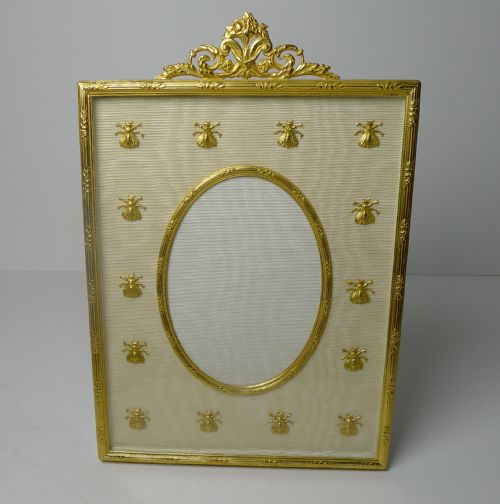


Bronze Photo Frame
A bronze photo frame brings a tangible weight and decorative presence to a desk or mantelpiece.
Bronze Photo Frame
A bronze photo frame is a display piece designed to hold portrait photographs or miniature works on paper behind glass. When searching this phrase, collectors encounter items spanning the late nineteenth century through to the art deco period, with French examples appearing frequently.
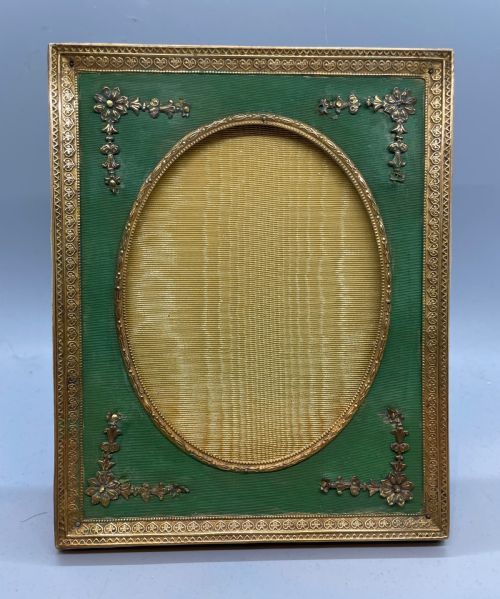
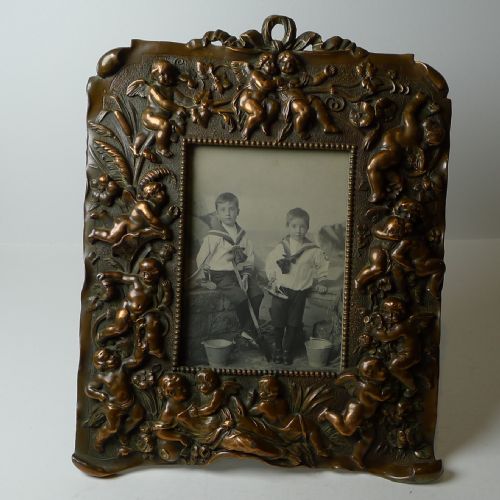
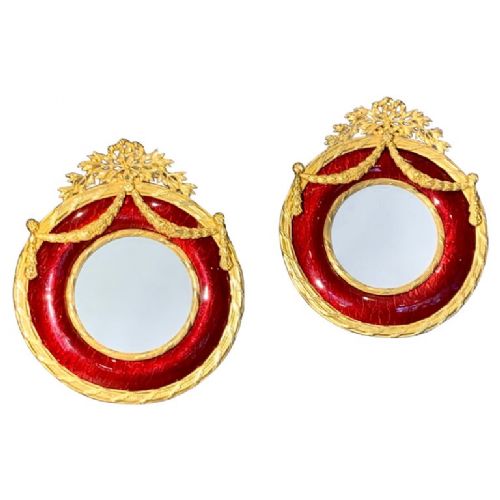
The forms range from simple oval and rectangular apertures to large, elaborate standing structures equipped with struts at the back. Many pieces incorporate decorative motifs such as cherubs, paste stones, and champleve enamel.
Most surviving examples emerge from Victorian and Edwardian workshops, often reflecting revivalist tastes including Louis XVI and French Rococo styles. Table mirrors and vanity items occasionally share space with these photograph holders.
Materials and construction
Makers utilised cast bronze, ormolu, and gilded bronze as the primary structural metals for these frames. Surface gilding or polished finishes provided a rich sheen, sometimes paired with brass or iron elements.
Glazing protected the photographs, while internal linings often utilised silk, velvet, fabric, or damask. Decorative details frequently included applied enamel, paste stones, and crocodile or alligator leather panels.
Bronze Photo Frame Retail Price Guide 2026
Typical asking prices for bronze photo frame among the pieces listed under this phrase on Sellingantiques today, from the lower quarter to the upper quarter. They describe what is for sale here now, not the wider market.
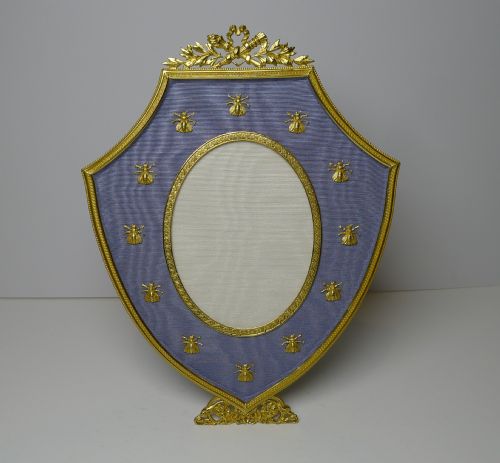
Napoleon Bonaparte's iconic bee motif appears on several French bronze frames, bringing an imperial buzz to family portraiture.
Distinctions in quality
Quality rests upon the crispness of the metal casting and the depth of the chasing work on the bronze surfaces. Finer items display sharply defined motifs like cherubs or foliage, whereas simpler versions show softer, shallower detailing.
The choice of supplementary materials alters the character of the piece, with hand-applied champleve enamel or genuine paste stones marking out more ambitious commissions. Original silk or velvet backings and intact glass further elevate the standing of a survival.
Boin Taburet·F.Bienvue
The Bronze Photo Frame Glossary
- Ormolu
- Gilt bronze produced by applying a finely ground high-carat gold-mercury amalgam to a bronze object. This technique creates a durable, luminous golden finish characteristic of many nineteenth-century French frames.
- Champleve
- An enamelling technique where troughs or cells are carved into the metal surface and filled with vitreous enamel powder before firing. It adds vibrant spots of colour to the metal mount.
- Paste
- Hand-cut and polished lead glass used to imitate gemstones in decorative metalwork. It provides sparkling colour accents around the picture aperture.
- Strut
- The hinged rear support leg that allows a picture frame to stand upright on a flat surface. Original struts often feature matching bronze or velvet covering.
- Damask
- A reversible figured fabric, often woven with patterns of flowers or fruit, used historically to line the backs or interiors of frames.
Bronze Photo Frame: Frequently Asked Questions
How do I date a bronze photo frame?
Dating relies on stylistic clues, mounting techniques, and the materials used for the backing and easel strut. Pieces from the late nineteenth century often lean towards French Rococo or Empire revival motifs.
Later Edwardian and art deco examples introduce cleaner lines or different framing proportions. Examining the backboards and fixings often reveals period-specific manufacturing methods.
Are these frames meant to hang on walls?
Most surviving examples are designed primarily for tabletop display rather than wall hanging. They feature heavy hinged struts at the back to support their considerable metal weight on desks or mantelpieces.
Some iterations include loops or rings, but the presence of an easel back is standard. Placing them on stable surfaces protects the structural integrity of the strut.
What is ormolu?
Ormolu refers to gilded bronze, specifically describing objects finished with a mercury-gilding process common in France during the eighteenth and nineteenth centuries. The technique produces a warm, deep golden lustre that does not tarnish easily.
Collectors prize ormolu mounts for their enduring brilliance and the smooth texture they lend to decorative metalwork.
How should I clean a bronze frame?
Maintenance requires only gentle dusting with a soft, dry cloth to prevent the accumulation of dirt in recessed details. Avoid abrasive metal polishes or chemical cleaners that can strip away original gilding or patina.
If the glass needs attention, remove it carefully from the frame before cleaning to protect surrounding fabric linings or enamel work.