


French Gilt Frame
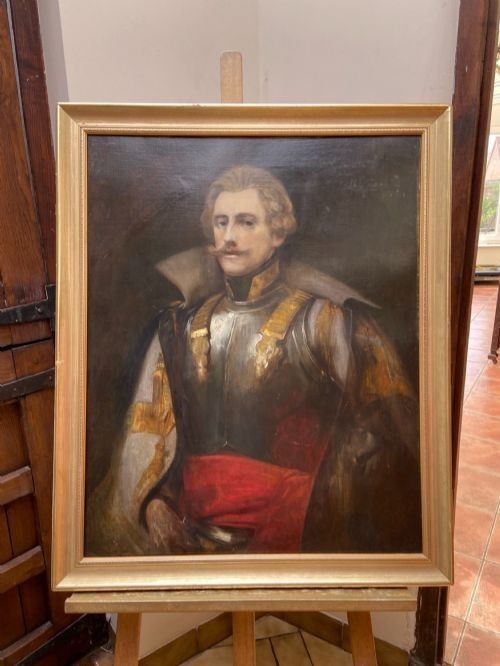
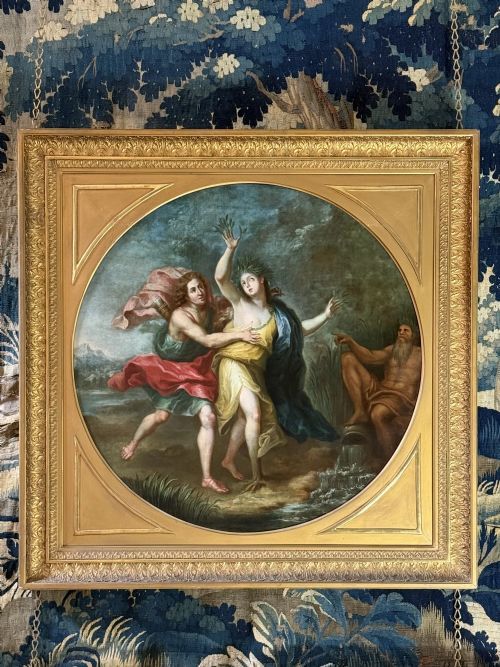
A french gilt frame brings warmth and polished reflection to a room, housing mirrors and artworks created across the eighteenth and nineteenth centuries.
French Gilt Frame
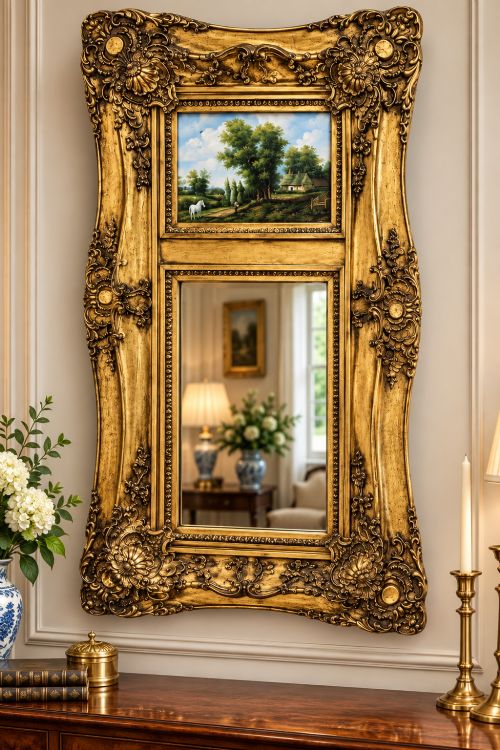
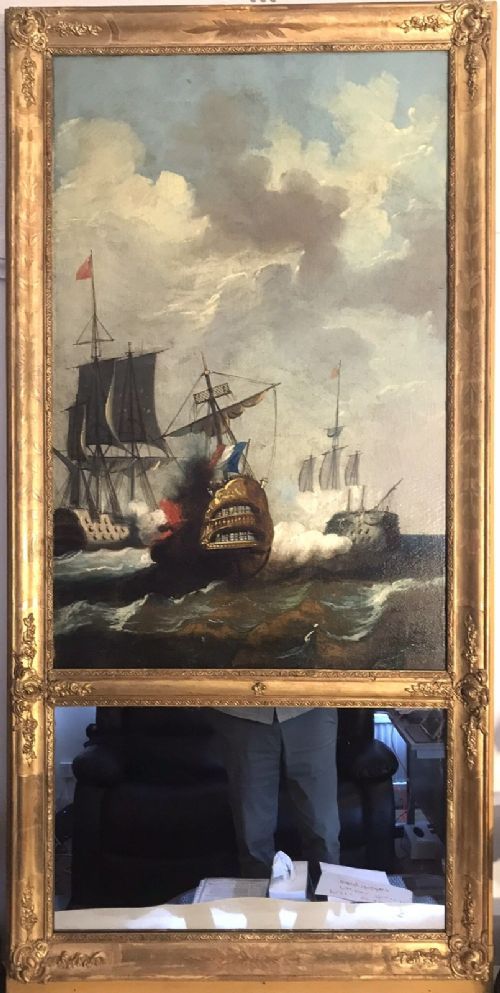
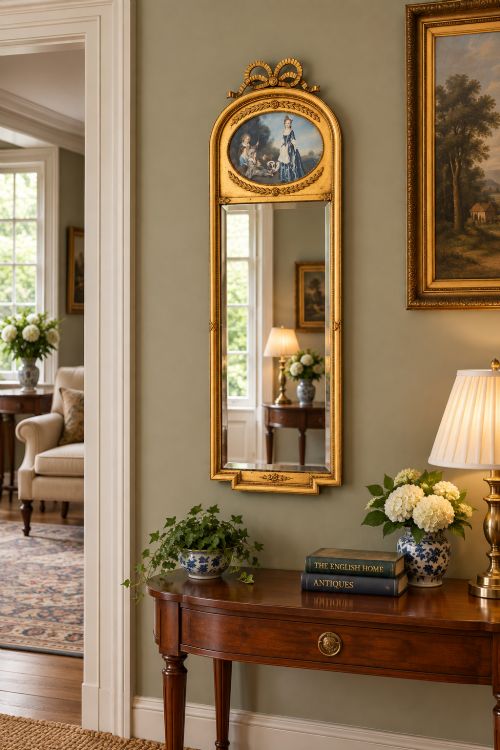
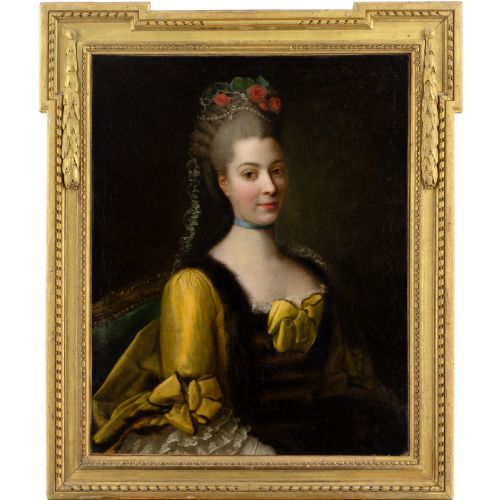
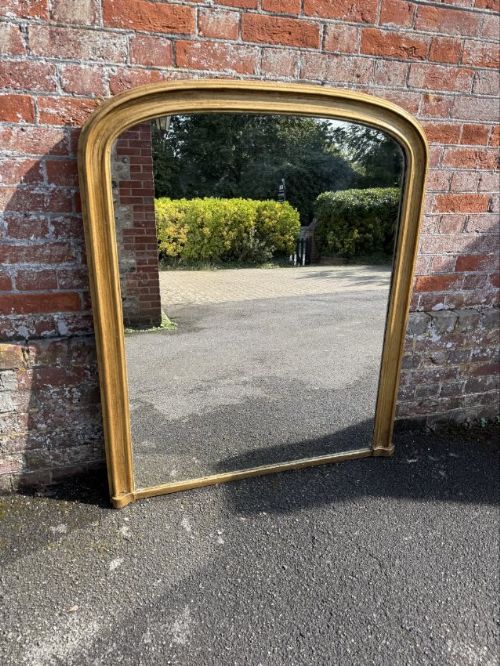
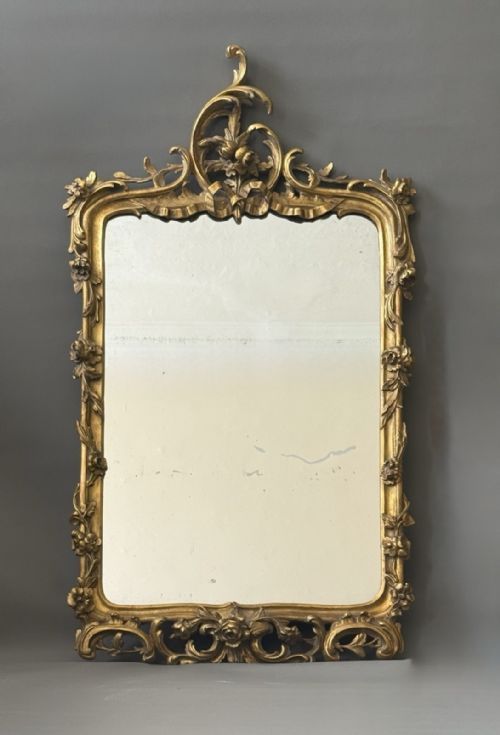
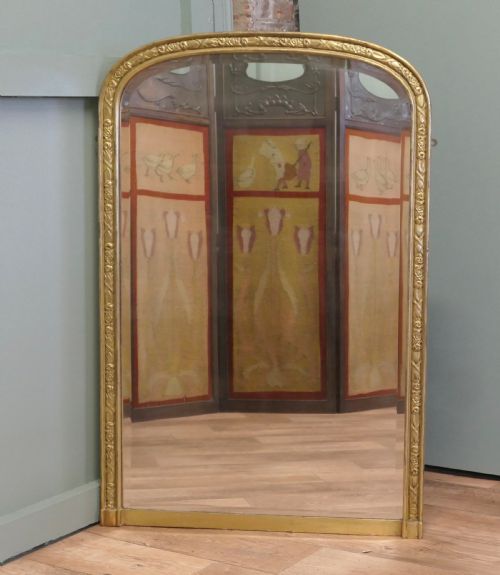
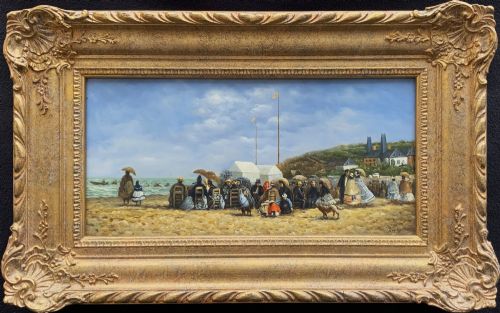
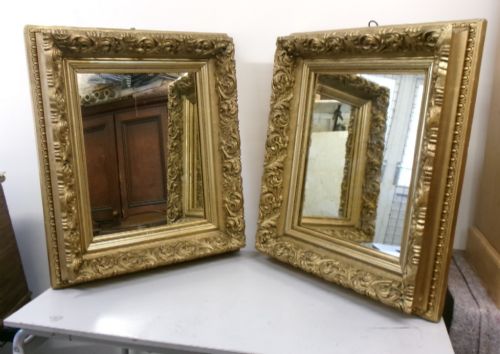
Buyers encounter numerous Louis Philippe and Rococo revival wall mirrors alongside nineteenth-century salon paintings and decorative pier glass. Many pieces retain original mercury glass plates, showing foxing and age that ground their authenticity in historical interiors.
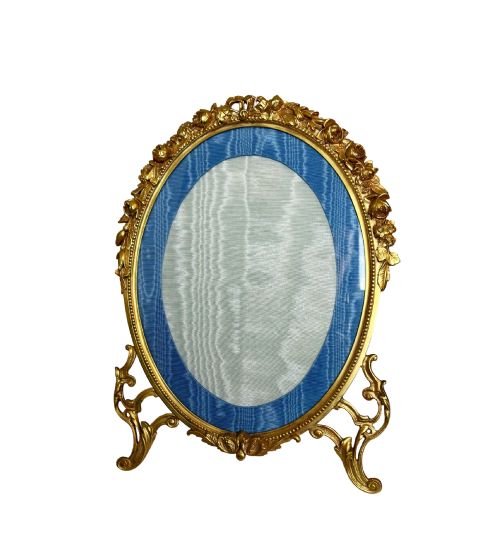
The category encompasses both standalone picture frames in gilt bronze and substantial architectural mirrors designed to anchor a drawing room or hallway mantelpiece.
How they were made
Carved timber foundations form the structural base for many large wall mirrors, shaped from wood before receiving intricate ornamentation. Artisans applied layers of gesso over the carved wood to build up floral, ribbon, and rope-twist motifs prior to gilding.
Gold leaf or metallic leaf was laid onto the prepared gesso surfaces, often burnished to create contrasting matte and reflective areas. Gilt bronze and brass frames utilise cast metal techniques, displaying crisp chased details around apertures and crests.
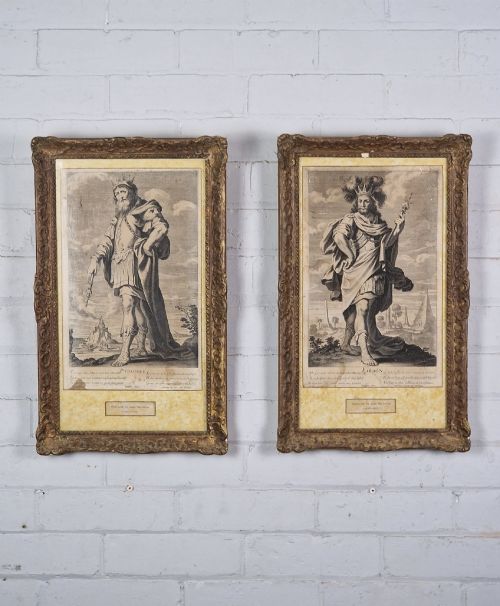
Several mirrors retain centuries-old foxed mercury glass reflecting dimly through pastoral oil paintings and hand-coloured bird engravings.
What varies in quality
Quality rests in the crispness of the hand-carved gesso details and the depth of the underlying wooden forms. Superior examples display sharply defined acanthus leaves, floral garlands, and ribbons without the softening buildup of later restoration layers.
The integrity of the glass plate matters greatly, with original mercury glass and bevelled mirror plates commanding higher regard than modern replacements. Metal frames show distinction in the weight of the bronze and the precision of the chasing work.
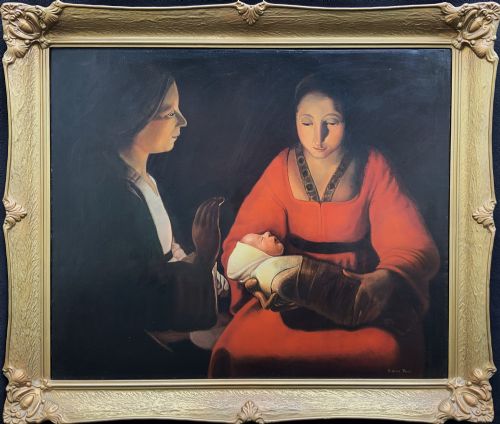
CHARLES-ANTOINE COYPEL·Jean Mariette·Georges de La Tour·Francois Boucher·Eugène-Louis Gillot
The French Gilt Frame Glossary
- Gesso
- A plaster-like mixture applied to wood frames to create a smooth surface for carving and gilding. This material allows artisans to fashion high-relief scrolls and floral decorations.
- Mercury glass
- A type of silvered glass produced by pouring a mercury amalgam between double-walled blown glass. Over time, it develops characteristic dark spots known as foxing.
- Overmantel mirror
- A large horizontal mirror designed specifically to hang above a fireplace mantel. These pieces often feature arched tops and substantial carved frames.
- Louis Philippe
- A mid-nineteenth-century French style characterised by understated elegance, gentle curves, and minimal ornamentation. Mirrors from this period typically feature softly rounded upper corners.
- Rococo Revival
- A nineteenth-century design movement drawing inspiration from eighteenth-century French excess, featuring asymmetrical scrolls, shells, and naturalistic plant motifs.
French Gilt Frame: Frequently Asked Questions
How do I date a french gilt frame?
Dating relies on examining the construction of the wooden backing, the composition of the gesso, and the style of ornamentation, such as Louis Philippe curves or Rococo Revival asymmetry. Older pieces frequently exhibit hand-carved joinery and authentic foxing on the glass.
Secondary indicators include the type of gilding and the framing nails or screws used at the back. Consulting stylistic traits helps distinguish eighteenth-century origins from later nineteenth-century revivals.
Are original mercury glass mirrors fragile?
Original mercury glass is stable within its frame but requires gentle handling during movement or cleaning. The backing silvering has chemically stabilised over the centuries.
Avoid using modern chemical glass cleaners on antique plates to protect the delicate foxing and silver layer. Soft, dry microfibre cloths are best for routine maintenance.
Can I hang an overmantel mirror on a standard wall?
Overmantel mirrors are substantial objects constructed from heavy wood and gesso, requiring secure wall anchors fixed directly into masonry or studs. Professional installation is standard practice for larger pieces.
Weight distribution must be calculated carefully before mounting to ensure the fixings support the heavy timber and glass safely.