


Antique Standing Frame
An antique standing frame holds precious portraits and mirrors on desks and sideboards, offering elegant display surfaces shaped by centuries of craftsmanship.
Antique Standing Frame
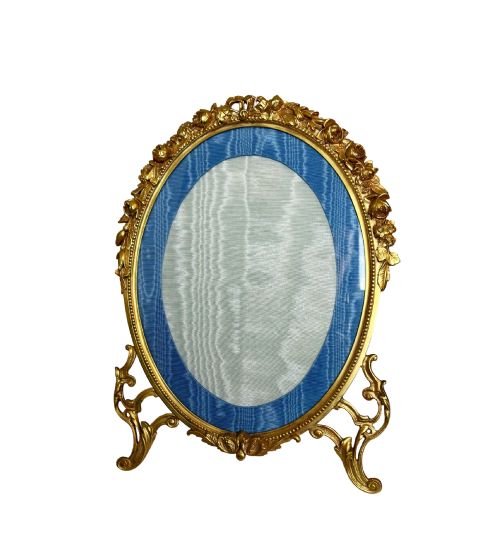
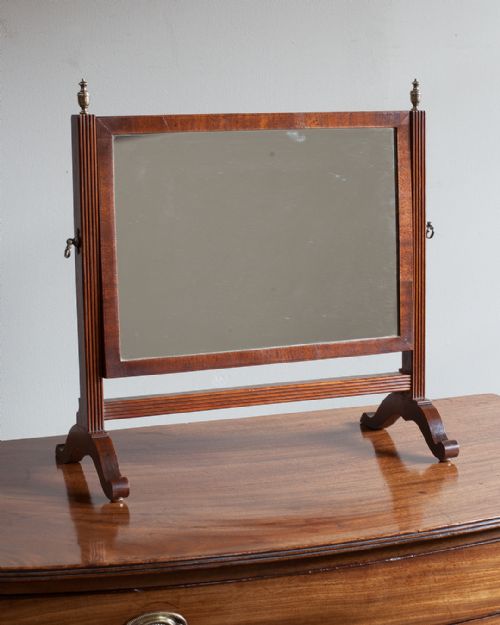
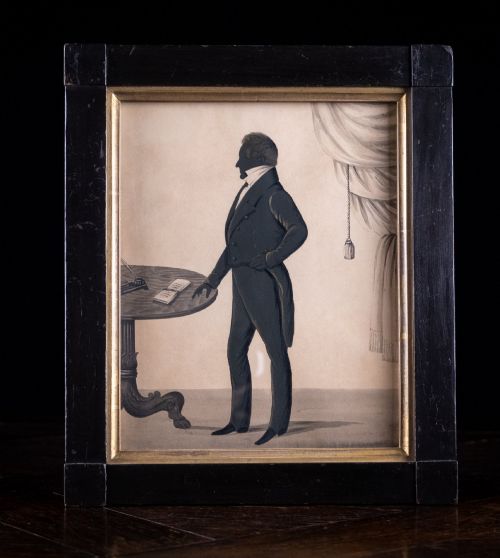
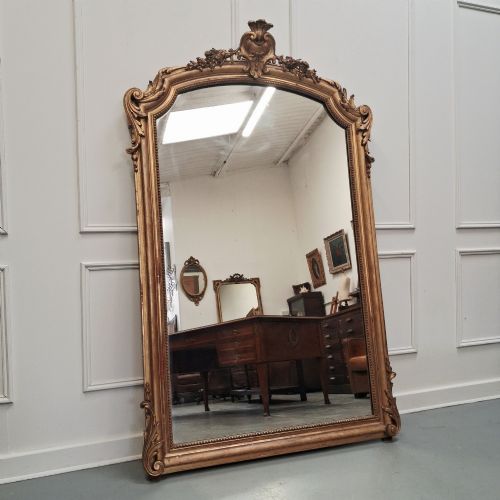
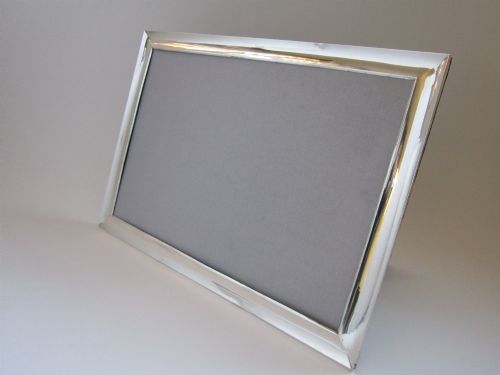
When searching for an antique standing frame, buyers encounter diverse functional objects designed to display photographs, paintings, and mirrors upright on furniture. The selection ranges from portable brass and sterling silver photograph frames with integral struts to larger easel designs and pivoted swing mirrors created for domestic use.
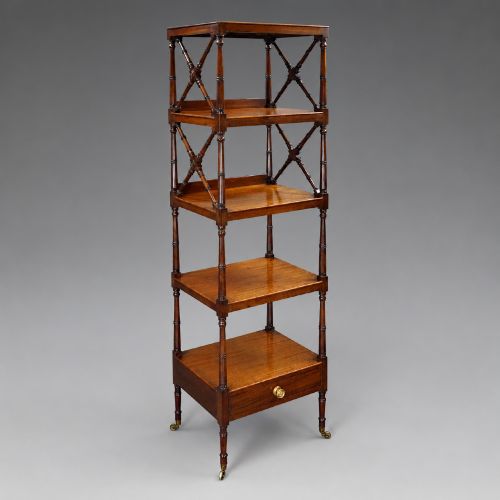
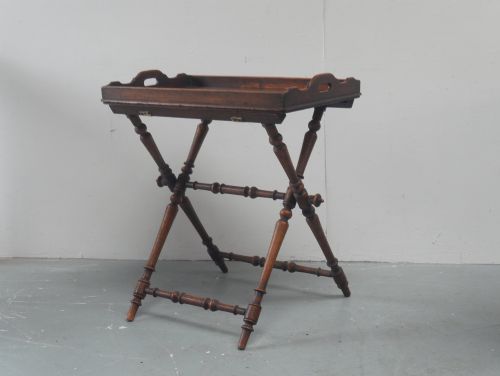
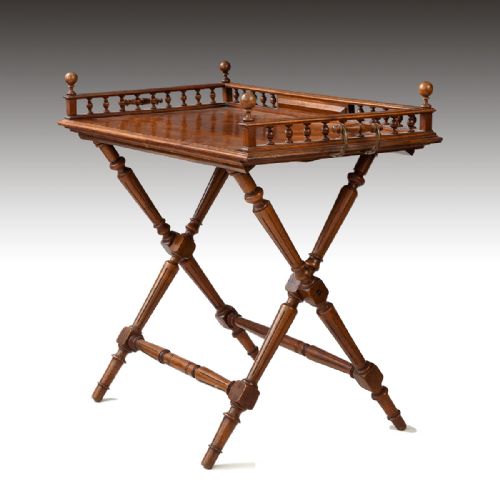
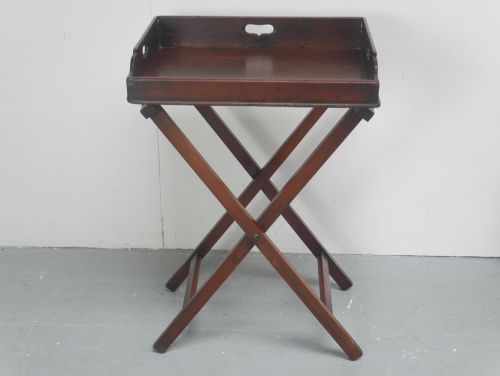
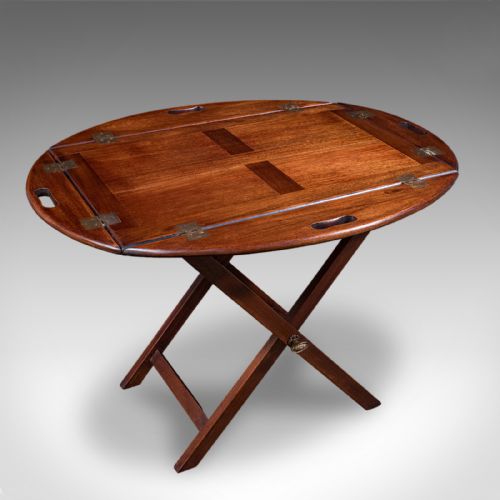
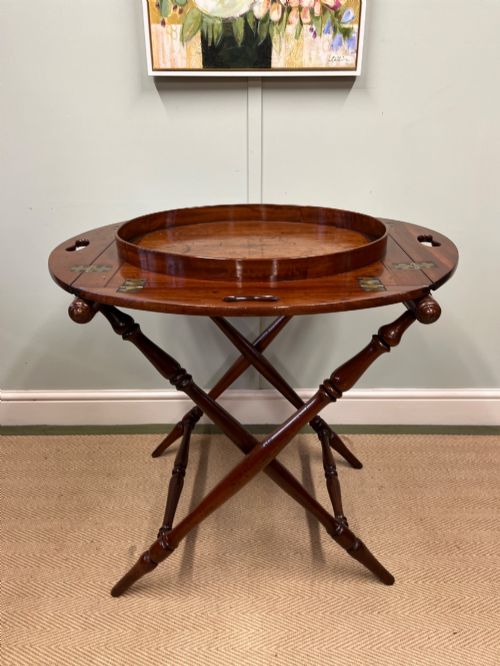
Butler trays upon folding stands and chests elevated on specialised bases also appear under this grouping, spanning centuries of Georgian, Victorian, and Edwardian production. These secondary forms broaden the category beyond simple picture mounts into broader household furnishings.
Assessing craftsmanship
Quality rests upon the crispness of surface carving, the structural integrity of joints on folding stands, and the purity of precious metals or gilt finishes. Superior pieces retain original backings, unblemished glass, and legible hallmarks that verify their date and maker.
Lesser examples show worn gilding, replaced structural elements, or clumsy repairs to delicate wooden frames and easel struts. The harmony of proportions and selection of timber figure prominently in distinguishing finer examples.
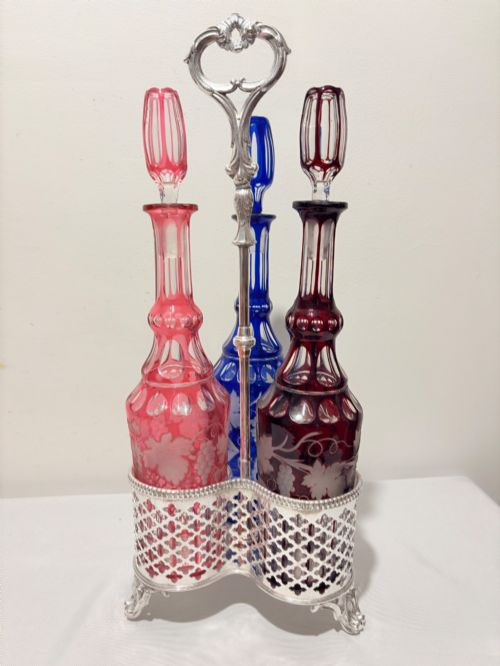
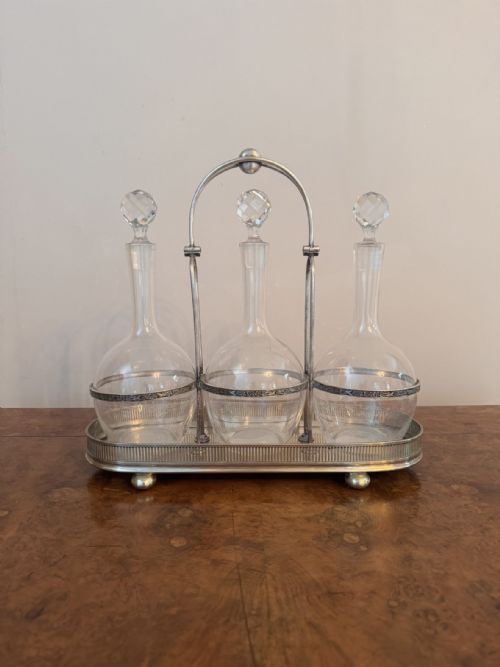
Object forms include picture frames, occasional tables, decanter sets, and chests of drawers on stands.
Constantyn Netscher·Walker and Hall·William Hutton and Sons·William Burwash·Chapman Brothers Chelsea
The Antique Standing Frame Glossary
- Strut
- A hinged support attached to the reverse of a photograph frame that allows it to stand upright on a flat surface.
- Ormolu
- Gilded bronze or brass applied to decorative frames and mounts, popular during French Rococo and Edwardian revivals.
- Butler Tray
- A removable rectangular tray with hinged or cutout sides, designed to rest upon a folding wooden stand.
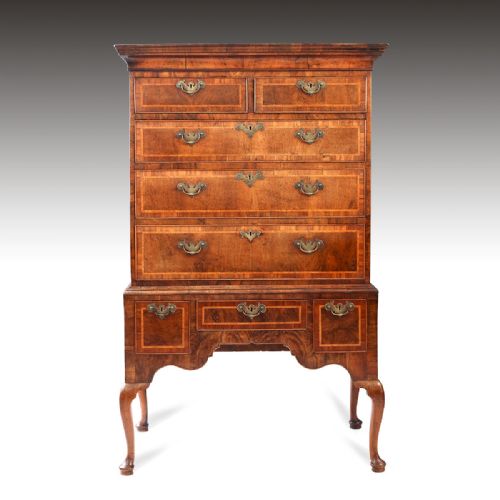
- Chest on Stand
- A case piece featuring a set of drawers elevated on a distinct base with legs, common in the Queen Anne and Georgian periods.
- Tantalus
- A locking wooden frame containing crystal decanters, often fitted with a silver-plated handle and stand.
Antique Standing Frame: Frequently Asked Questions
What is an antique standing frame used for?
These pieces support mirrors, photographs, and artwork upright on tabletops, desks, and sideboards. They serve both decorative and practical functions in domestic interiors.
Certain variations include serving trays on folding bases and chests raised on matching supports for elevated storage. Their primary purpose remains the display of valued items or provisions within a room.
How do I date a silver photo frame?
Assay office marks, date letters, and monarch profiles stamped on sterling silver frames reveal their exact year of manufacture. London, Birmingham, and other cities recorded precise hallmarks.
Stylistic cues such as Edwardian floral embossing or Art Nouveau flowing lines further narrow the production era. Comparing the velvet backing and strut construction provides additional context.
Are butler tray stands original to the trays?
Many butler trays and their folding stands survive together from the Georgian and Victorian periods as unified serving furniture. The timber species and wear patterns on both components should align.
Replacement stands appear frequently because the folding mechanism experienced heavy use in domestic service. Examining the wood patina helps determine if the pairing is contemporary to its manufacture.
How do I care for wooden frames and stands?
Keep wooden surfaces away from direct sunlight and extreme humidity fluctuations to prevent veneer lifting and timber splitting. Regular dusting with a soft cloth maintains the natural lustre.
Avoid harsh chemical cleaning agents on gilt finishes, ormolu, and silver mounts. Professional wax application preserves older polished mahogany and oak without building up residue.