



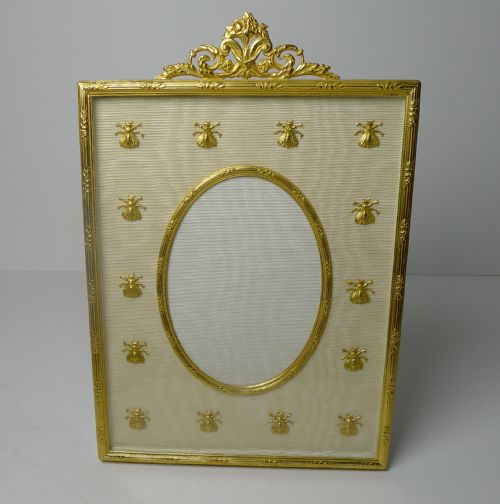

Oval Aperture Frame
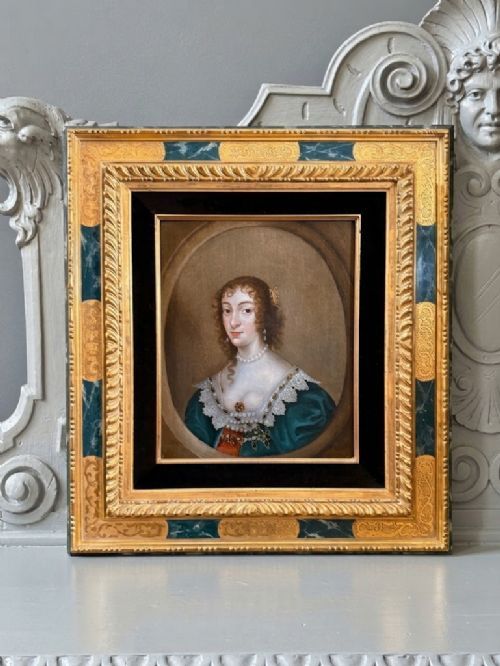
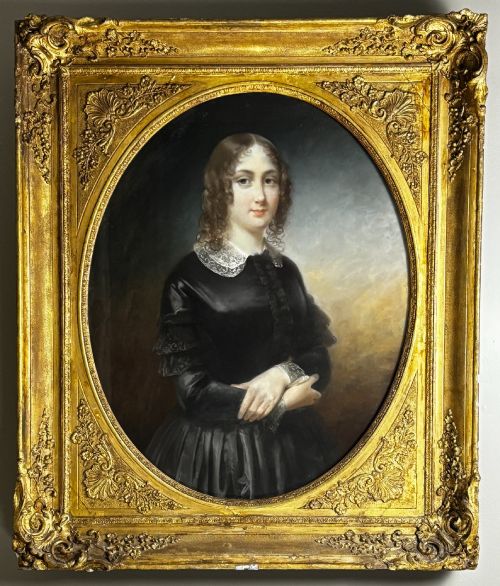
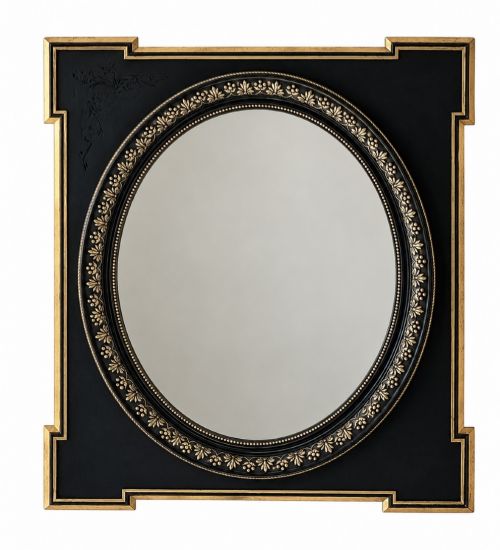
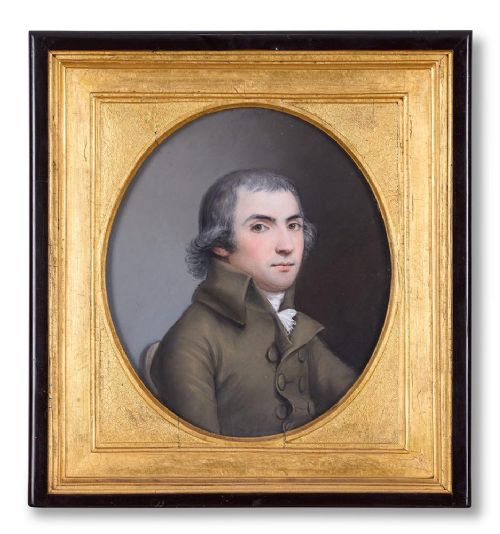
An oval aperture frame holds a treasured likeness or mirror glass securely within a curved, graceful perimeter, bringing distinct period character to any wall or desk.
Oval Aperture Frame
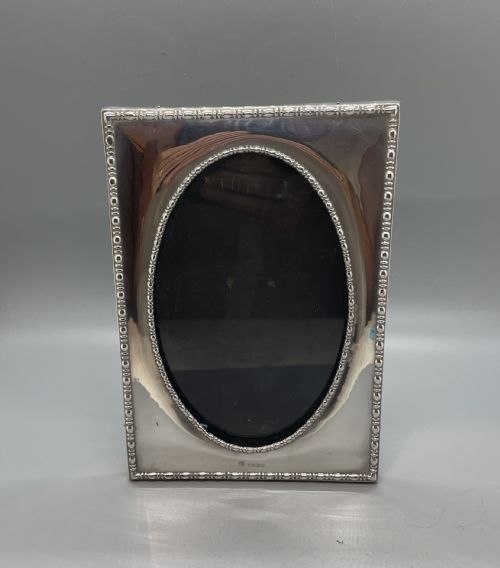
An oval aperture frame is designed to showcase portrait miniatures, oil paintings, watercolours, mirrors, and photographs behind a curved opening. When you search for an oval aperture frame, you encounter a varied selection spanning from the late seventeenth century through the Edwardian period and the early twentieth century.
Most items you will meet on this page lean towards Edwardian silver photograph holders and nineteenth-century giltwood or ebonised mirrors. These objects bridge the gap between functional display items and standalone works of art.
Materials and Construction
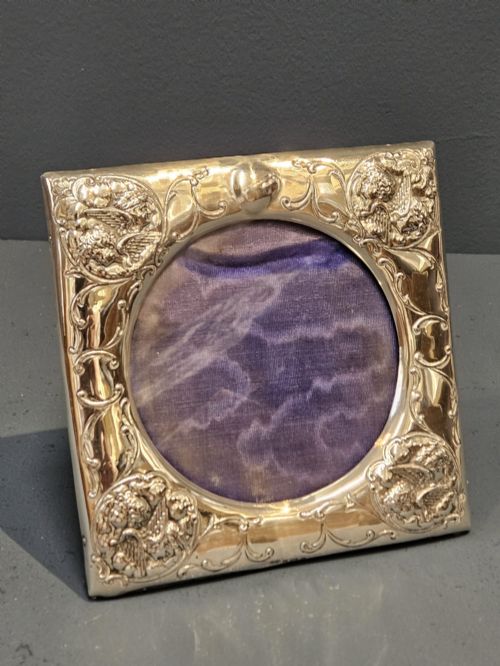
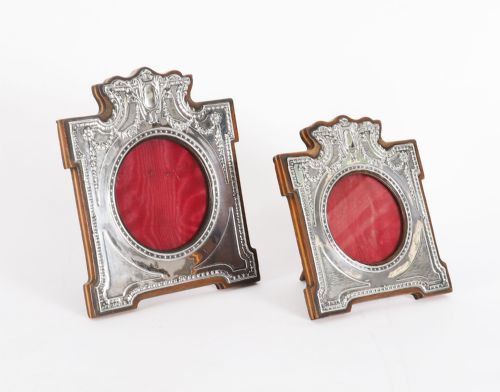
Makers shaped precious metals such as sterling silver through embossing, casting, and hallmarking, often incorporating fitted wooden backs and velvet supports for desktop stability. Giltwood and gesso frames relied on hand-carved wooden substrates layered with gesso and gold leaf to achieve reflective brilliance.
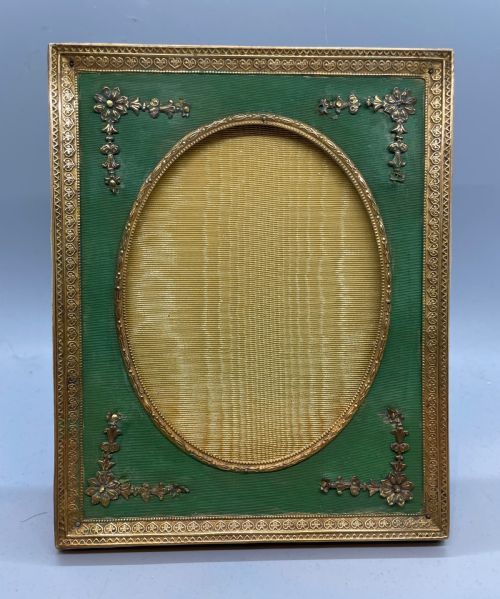
Ormolu and gilded bronze components involved intricate foundry casting and chasing, seen particularly in French photo frames adorned with decorative motifs like Napoleonic bees. Glass, paper, and oil on canvas completed the contents held securely within the curved apertures of these items.
Oval Aperture Frame Retail Price Guide 2026
Typical asking prices for oval aperture frame among the pieces listed under this phrase on Sellingantiques today, from the lower quarter to the upper quarter. They describe what is for sale here now, not the wider market.
Some French frames proudly display Napoleonic bees, reminding us that even small desk accessories could pay homage to an emperor.
Determinants of Quality
Quality rests upon the crispness of hand-carving in wooden and gilt frames, where deep undercut foliage and smooth gilding separate superior workshop output from routine production. In metalwork, the weight of the sterling silver, the definition of embossed scrollwork, and the structural integrity of the easel back indicate finer manufacture.
The harmony between the frame and its internal glass or artwork also dictates the piece's standing, as original bevelled mirror plates, intact period backings, and well-preserved maker marks elevate the entire object.
Mappin Bros·Arthur Percy Dixon·Arthur H Buckland·Thomas Murray·Élisabeth Louise Vigée Le Brun
The Oval Aperture Frame Glossary
- Aperture
- The opening in a frame designed to display a picture, mirror, or photograph. It defines the visible boundary of the artwork.
- Ormolu
- Gilded bronze or brass applied to decorative objects and furniture, popular in French and English luxury goods. It provides a bright golden finish without solid gold construction.
- Gesso
- A plaster-like mixture applied to wood as a base for gilding or painting. It allows craftsmen to carve intricate relief ornaments before applying gold leaf.
- Overmantel
- A large mirror or painting designed to be hung specifically above a fireplace mantel. These pieces often feature grand architectural or neoclassical styling.
- Silhouette
- A solid dark profile portrait, usually cut from paper or painted in black, popular during the eighteenth and nineteenth centuries.
Oval Aperture Frame: Frequently Asked Questions
What is an oval aperture frame used for?
These pieces house portrait miniatures, photographs, watercolours, oils, and mirrors within a distinctive curved boundary. They serve both functional display purposes and decorative interior enhancement.
Historically, smaller versions sat upon writing desks or dressing tables, while larger giltwood variants hung prominently in reception rooms.
How do I date an antique frame?
Dating relies on examining the materials, construction techniques, and any accompanying hallmarks or maker stamps. Silver pieces often bear assay office marks and date letters that pinpoint the exact year of creation.
Stylistic cues such as Neoclassical swags, Edwardian embossing, or Baroque carved gesso provide further chronological context.
Are silver photo frames fragile?
Sterling silver photo frames require careful handling due to their delicate embossed details and attached wooden easel backs. The structural integrity depends on the hinges and backing materials remaining intact.
Regular, gentle dusting helps preserve the metal surface without wearing down the raised decorative elements.
Can I hang an antique mirror securely?
Hanging requires assessing the weight of the giltwood or ebonised frame and using appropriate wall fixings that match the substrate. Heavy overmantel mirrors demand professional installation to support their substantial mass safely.
Checking the existing hanging wire or brackets ensures the piece remains secure against the wall.