








Gilt Bronze Photo Frame
These gilt bronze photo frame pieces bring nineteenth-century French and English display into domestic interiors, offering substantial metalwork to frame cherished portraits.
Gilt Bronze Photo Frame
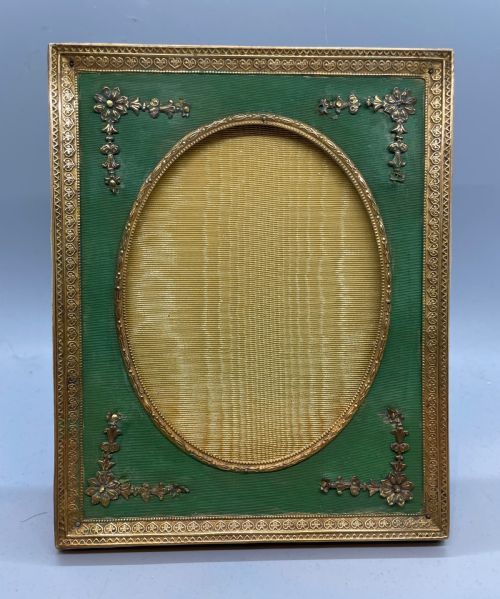
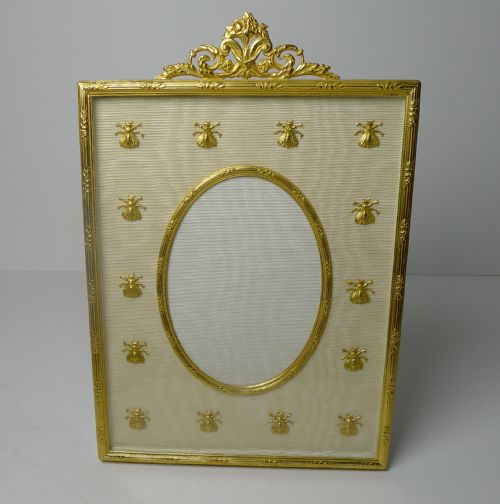
A gilt bronze photo frame is a desk or table accessory designed to display a portrait photograph behind glass. The selection spans the Victorian period, Edwardian era, and late nineteenth century, predominantly drawing on French revival styles.
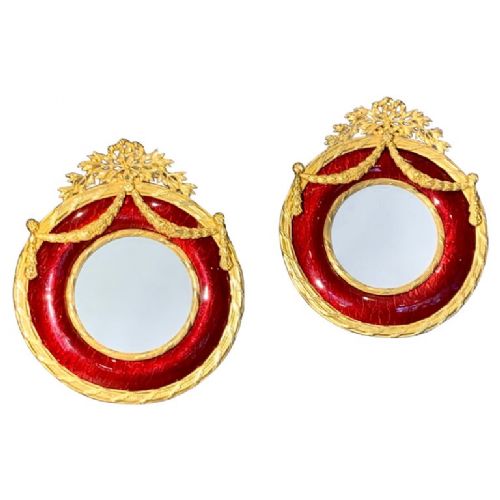
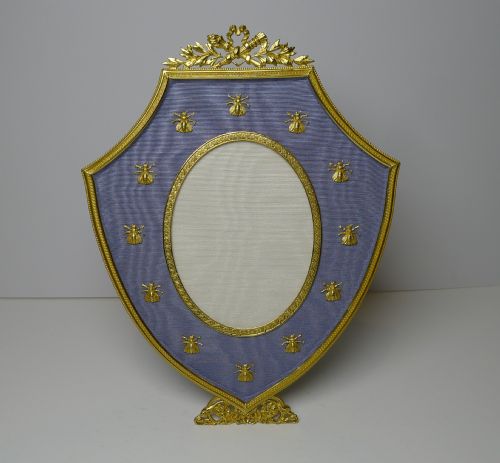
The physical forms include table mirrors, vanity sets, and picture frames in oval and rectangular formats. Pieces frequently utilise stylistic vocabulary from Louis XVI Revival, French Rococo, and French Empire designs, often featuring decorative motifs like Napoleonic bees and cherubs.
Buyers encounter items produced around eighteen eighty, eighteen ninety, and nineteen hundred. Many pieces incorporate structural elements of brass alongside gilt bronze and ormolu finishes.
Materials and construction methods
Construction relies upon cast bronze, ormolu, and gilded bronze that provide a heavy metallic foundation. Surface embellishments frequently integrate champleve enamel, paste stones, and Limoges enamel panels.
Interiors and backing structures utilise fabric, velvet, and silk linings alongside protective glass plates. Easel supports and two-way mechanisms allow the frames to stand upright on flat surfaces.
Gilt Bronze Photo Frame Retail Price Guide 2026
Typical asking prices for gilt bronze photo frame among the pieces listed under this phrase on Sellingantiques today, from the lower quarter to the upper quarter. They describe what is for sale here now, not the wider market.
Listings feature items utilising glass, gilt bronze, ormolu, silk, gilded bronze, brass, fabric, and velvet across the Victorian and Edwardian periods.
Distinguishing quality in metalwork
Quality rests in the crispness of the cast decoration and the depth of the gilding across the bronze or ormolu surface. Finer examples display meticulously chased details on motifs like cherubs and bees rather than soft or washed-out casting lines.
The incorporation of supplementary materials such as champleve enamel, hand-painted Limoges plaques, or inset paste stones elevates a piece. Complete original glass panes, sound backing fabrics like silk or velvet, and robust mechanical easels further separate standard items from superior specimens.
Boin Taburet·F.Bienvue
The Gilt Bronze Photo Frame Glossary
- Gilt bronze
- Metal alloy treated with a gold application to provide a bright metallic finish. It forms the primary structural and decorative body of these desk accessories.
- Ormolu
- English term for high-quality gilded bronze created through a mercury gilding process. It yields a distinctive warm metallic lustre seen on French nineteenth-century pieces.
- Champleve
- Enamelling technique where troughs are gouged into the metal surface and filled with vitreous enamel before firing. It creates vibrant colour patterns across the frame borders.
- Napoleon III
- French decorative arts period spanning the mid nineteenth century, characterised by eclectic revivals of historic styles. Items from this era often display exuberant ornamentation.
- Paste stones
- Cut glass or lead crystal used to imitate precious gems in jewellery and decorative metalwork. They are set into the frame borders to add reflective sparkle.
Gilt Bronze Photo Frame: Frequently Asked Questions
How do I clean a gilt bronze photo frame?
Dust the metal gently with a soft, dry brush to prevent accumulation in the cast recesses. Avoid abrasive cleaning agents or harsh polishes that strip the historic surface finish.
Keep glass panes clean with standard window cleaner applied to a cloth rather than sprayed directly near the metal and fabric backing.
Are these frames meant to hang on walls?
The objects recorded here function primarily as table or desk accessories supported by hinged easel backs. Hanging hardware is absent on the majority of these pieces.
Position them on flat surfaces where the two-way mechanisms and decorative backs remain visible to viewers.
What periods do these frames represent?
The selection encompasses late nineteenth-century Victorian and Edwardian items produced around eighteen eighty, eighteen ninety, and nineteen hundred. French revival styles dominate the manufacturing output of this era.
Examples range from simpler brass and ormolu designs to elaborate cast pieces featuring champleve enamel and figural motifs.
How do I change the photograph inside?
Access the interior by releasing the retention clips or turning the small pins holding the backboard in place. Lift out the fabric-covered support to reveal the aperture.
Place your portrait behind the glass pane and secure the backing board firmly without applying excessive pressure to fragile enamel or gilt edges.