


Antique French Miniature Frames
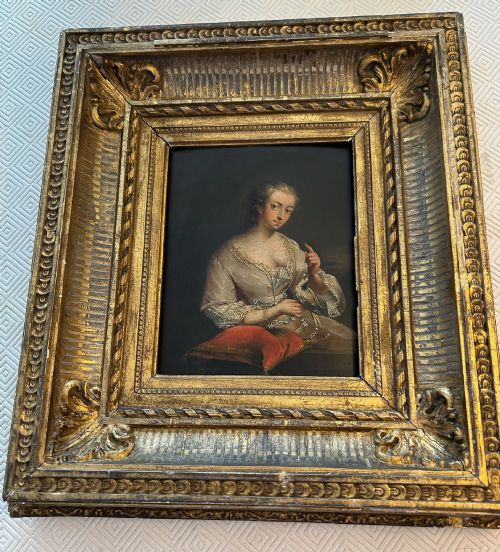
Antique french miniature frames house small portraits, paintings and plaques in gilded metal, bronze and wood from the eighteenth and nineteenth centuries.
Antique French Miniature Frames
Antique french miniature frames encompass small picture frames, shadow boxes and table mirrors designed to house delicate paintings, prints and plaques. These pieces emerge in styles including French Rococo, Neoclassical and French Empire, reflecting the decorative tastes of past centuries.
Origins span the eighteenth and nineteenth centuries, including specific periods like the Regency and the Napoleon III era. These housings range from simple oval picture frames to elaborate devotional shadow boxes and ormolu table mirrors.
How they were made
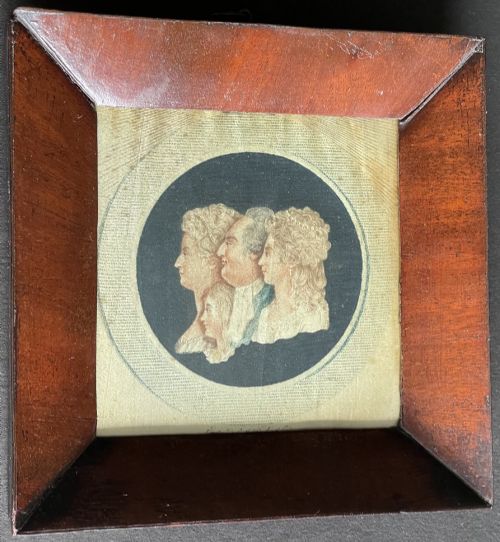
Construction relies heavily on metals such as gilt bronze, brass and gilt metal, shaped into ornate picture frames and table mirrors. Woodwork appears in carved giltwood frames, whilst glass protects fragile watercolours, silks and painted miniatures.
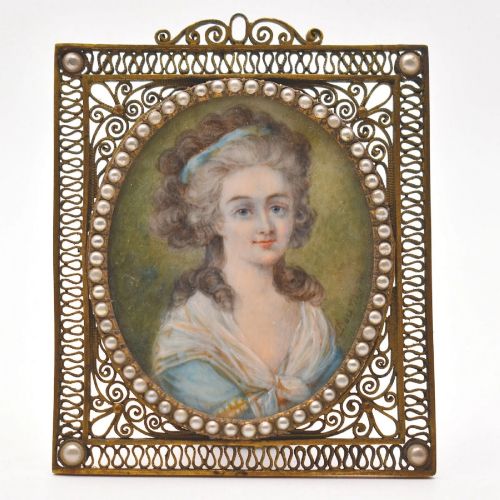
Decorative surfaces utilise enamel, paint and porcelain plaques, sometimes incorporating seed pearls alongside metalwork. Makers apply traditional techniques of casting, carving and painting to produce intricate frames and miniature artworks.
Object types span picture frames, table mirrors, shadow boxes, portrait miniatures and wall art created across French artistic schools.
What varies in quality
Quality rests in the crispness of the metal chasing on gilt bronze and ormolu frames, alongside the finesse of the painted portrait miniatures or enamel plaques held within. Superior examples demonstrate expert hand-painting after artists such as Boucher or Delaroche, paired with substantial cast metal mounts.
The integration between the frame and its artwork distinguishes finer pieces, where materials like seed pearls or Limoges enamel are executed with precision. Age and origin also play a part, with eighteenth-century and Regency works showing distinct craftsmanship compared to later nineteenth-century revivals.
Dumont·Louis Léopold Boilly·F.Bienvue·H. Desprez·Paul Lelong
The Antique French Miniature Frames Glossary
- Ormolu
- Gilded bronze mounted on decorative objects and furniture, popular in French pieces. This technique creates a rich golden finish on metal mounts.
- Gilt bronze
- Metal alloy cast and finished with a gold layer. It provides durable structure and ornate detail for nineteenth-century picture frames.
- Limoges enamel
- Painted enamel work originating from Limoges, frequently seen on copper plaques within nineteenth-century frames. These pieces display detailed figurative scenes and portraits.
- Shadow box
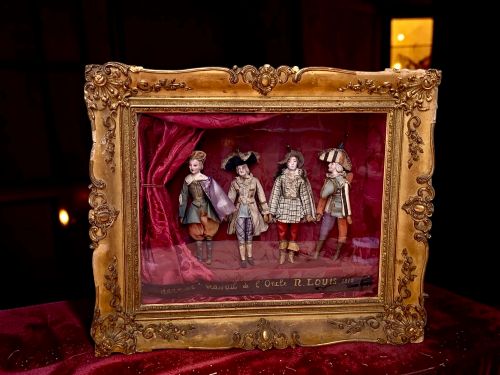
- A deep glass-fronted frame designed to display three-dimensional objects or devotional figures. Eighteenth-century examples house delicate items such as Nevers glass figures.
- Regency
- A stylistic period preceding the full nineteenth century in France, influencing the design and proportions of decorative frames and portraits.
Antique French Miniature Frames: Frequently Asked Questions
What periods do these frames come from?
The pieces span the eighteenth and nineteenth centuries, encompassing the Regency era and the Napoleon III period. Styles range from French Rococo and Neoclassical to various nineteenth-century revivals.
Dates recorded include specific years and decades such as 1800, 1840, 1860, 1880, 1890 and 1900. This timeline captures shifting decorative preferences across French craftsmanship.
What materials make up these items?
Construction materials include gilt bronze, brass, gilt metal, giltwood and glass. Many pieces incorporate paper, paint and seed pearls.
Surfaces often feature enamel, painted porcelain plaques and gouache or watercolour paintings. These varied materials support both the protective frames and the miniature art they contain.
How were shadow boxes used?
Devotional shadow boxes served as enclosed displays for delicate items, such as Nevers glass figures. They protected religious or decorative scenes behind glass.
These deep frames hung on walls as devotional art, preserving intricate miniature arrangements away from dust and handling.
How do I identify a miniature painting?
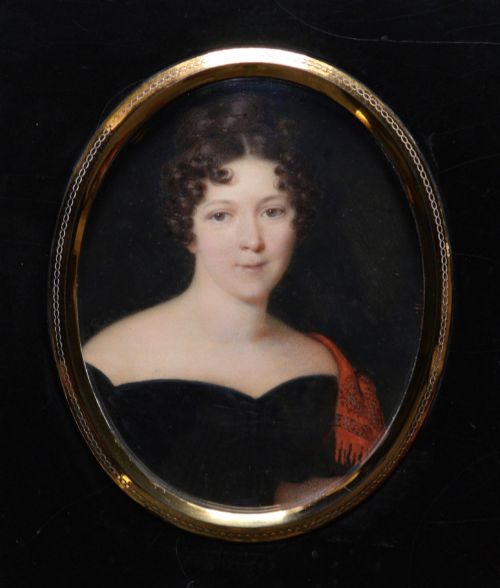
Miniature paintings appear on materials like paper, silk, copper, porcelain and vellum, often housed within small oval or rectangular gilt frames. Subjects frequently include historical figures, portraits and mythological scenes after artists like Boucher or Delaroche.
Signed works and attribution notes help trace the origin to specific schools or artists, whilst the surrounding metalwork dates the entire object.
Where were Limoges enamel plaques made?
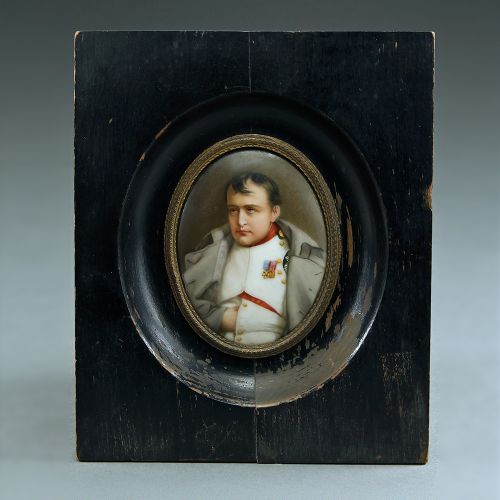
Limoges enamel plaques originated in the French city of Limoges, known for its historic enamel production. These painted copper plaques depict figures and portraits.
They appear mounted within nineteenth-century gilt frames, table mirrors and shadow boxes, showcasing traditional French enamel techniques.