






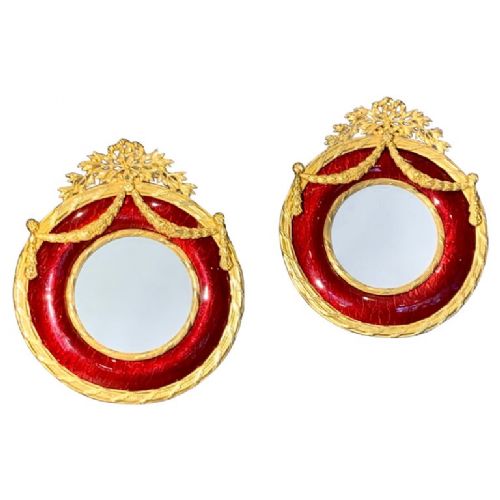


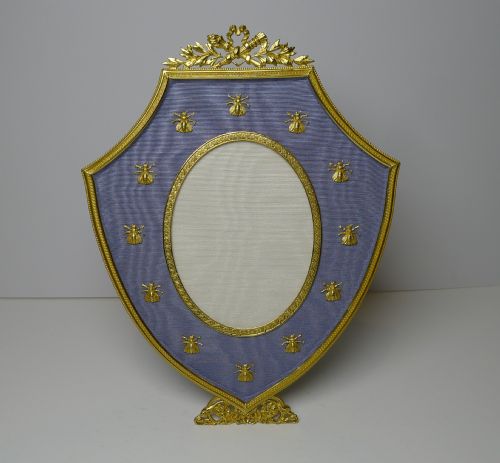

Gilt Bronze Picture Frame
These gilt bronze picture frame examples bring warmth and classical detail to interiors, spanning nineteenth century revivals and delicate tabletop displays.
Gilt Bronze Picture Frame
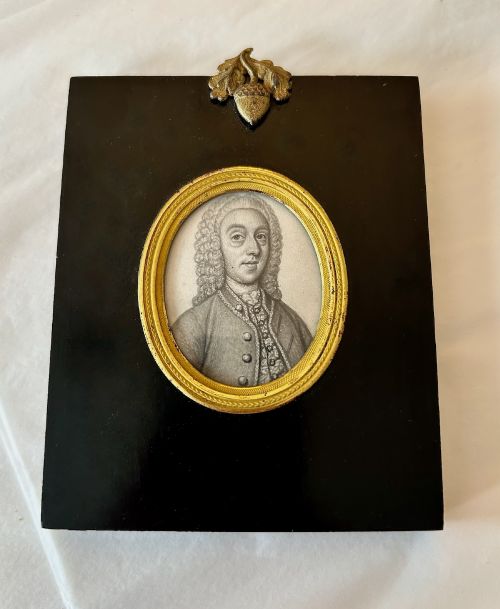
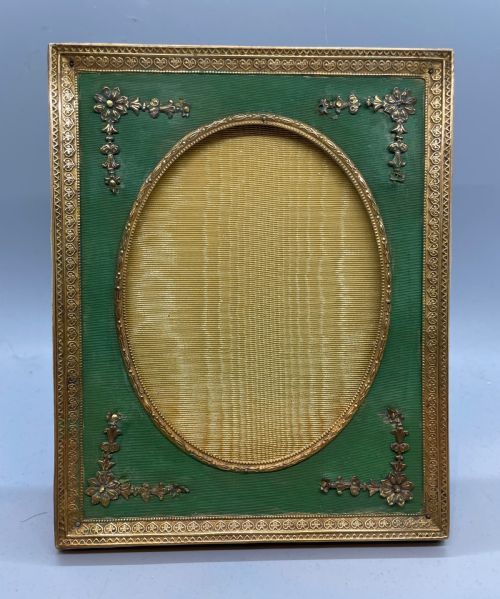
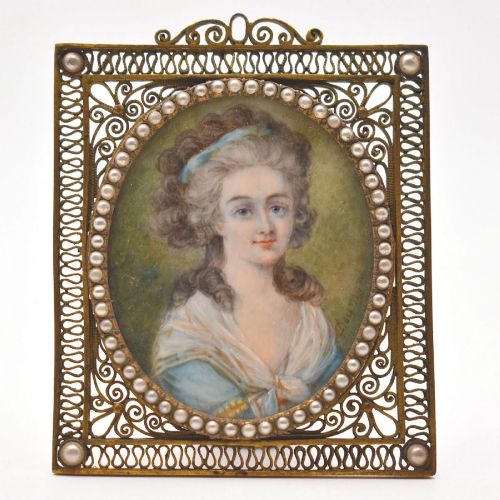
When you search for a gilt bronze picture frame, you are looking at cast metal decorative borders designed to hold portrait miniatures, photographs, or silhouettes. The selection here leans heavily towards nineteenth century French manufacture, featuring oval and rectangular formats intended for tabletop display or hanging.
Many of these pieces draw on historical vocabularies, showing Louis XVI revival, French Rococo, and Empire influences. Alongside standard photo frames, the evidence includes vanity sets, wall mirrors, and portrait miniatures set into matching metal borders.
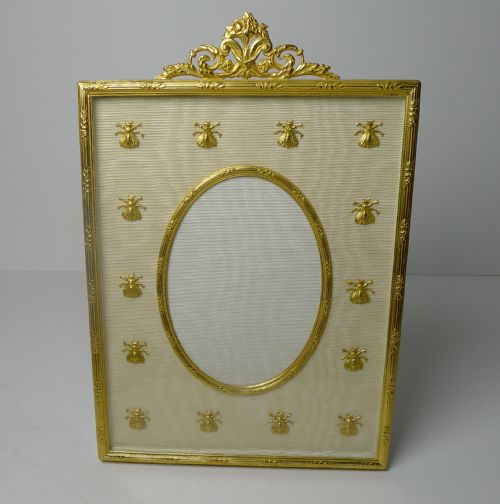
The materials recorded in these listings extend beyond bare metal to incorporate glass, silk, wood, enamel, and paste stones. You will encounter both grand architectural designs with cherubs or Napoleonic bees and simpler, domestic gilt metal interpretations.
How they were made
The foundation of these objects is cast bronze or ormolu, shaped through metalworking techniques that allowed intricate relief work such as scrolling foliage, cherubs, and bees. Makers utilised mercury gilding or modern electrogilding methods to achieve a durable golden surface layer on the bronze.
Enamelling techniques, specifically champleve, appear frequently alongside glass panels and paste stones to add colour and texture to the metal framework. Silk and wood elements frequently form the internal backing boards or structural supports behind the glazed viewing windows.
Gilt Bronze Picture Frame Retail Price Guide 2026
Typical asking prices for gilt bronze picture frame among the pieces listed under this phrase on Sellingantiques today, from the lower quarter to the upper quarter. They describe what is for sale here now, not the wider market.
Materials recorded across the inventory include glass, gilt bronze, wood, silk, ormolu, gilt metal, enamel, and paste stones.
What varies in quality
The crispness of the casting marks the difference between standard production and superior work. Finer examples retain sharp relief in motifs like scrolling acanthus or figurative cherubs, whereas lesser pieces show softened details from worn moulds.
The complexity of the decorative assembly also dictates quality. Frames incorporating champleve enamel panels, inset paste stones, or multi-part hinges demonstrate greater artisanal labour than plain cast brass or gilt metal surrounds.
Boin Taburet
The Gilt Bronze Picture Frame Glossary
- Ormolu
- Gilded bronze, where a layer of gold amalgam is applied to a bronze base and heated to bond the finish. This technique was widely used in French decorative arts.
- Champleve enamel
- A technique where troughs are gouged into the metal surface and filled with vitreous enamel powder before firing. It creates colourful geometric or floral patterns across the frame.
- Louis XVI Revival
- A nineteenth century decorative style borrowing classical symmetry, straight lines, and motifs like ribbons and urns from the eighteenth century French court. It dominates much of the Victorian production seen here.
- Paste stones
- Faceted glass gems hand-set into metal mounts to imitate precious jewels. They appear in high-end frames to add sparkle around the photograph opening.
- Portrait miniature
- A small, highly detailed painting on ivory, vellum, or card, frequently housed within a dedicated metal frame or case. These often date from the eighteenth and nineteenth centuries.
Gilt Bronze Picture Frame: Frequently Asked Questions
What are these frames made from?
The listings show a reliance on gilt bronze, ormolu, and gilt metal as the primary structural materials. Many examples incorporate glass, silk linings, wooden backings, and champleve enamel details.
Finer pieces introduce paste stones or delicate hand-painted porcelain plaques to enhance the decorative border surrounding the photograph or miniature.
How do I date a frame?
Dating relies on stylistic clues, manufacturing techniques, and materials associated with specific periods like the nineteenth century or Edwardian era. Pieces referencing Louis XVI revival or Napoleonic motifs often point to mid to late nineteenth century French workshops.
Examining the fixings, easel backs, and glass types also helps establish whether a frame originates from the 1880s, 1900, or later.
How do I display them safely?
Tabletop frames with original easel stands should be positioned away from high-traffic edges where they might be knocked over. Hanging varieties require secure wall fixings suited to the weight of solid bronze and glass.
Keep them out of direct sunlight to protect internal silk linings, paper backings, and delicate portrait miniatures from fading.