


Gilded Brass Frame
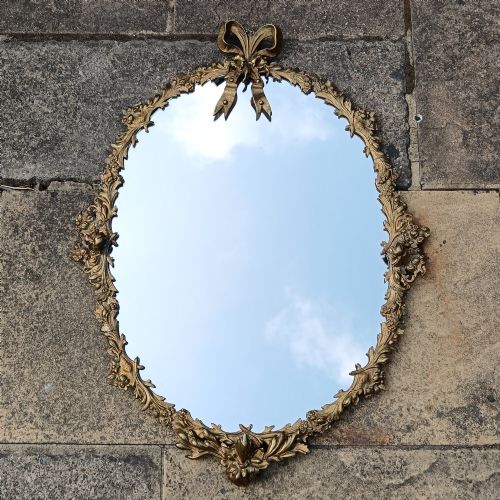
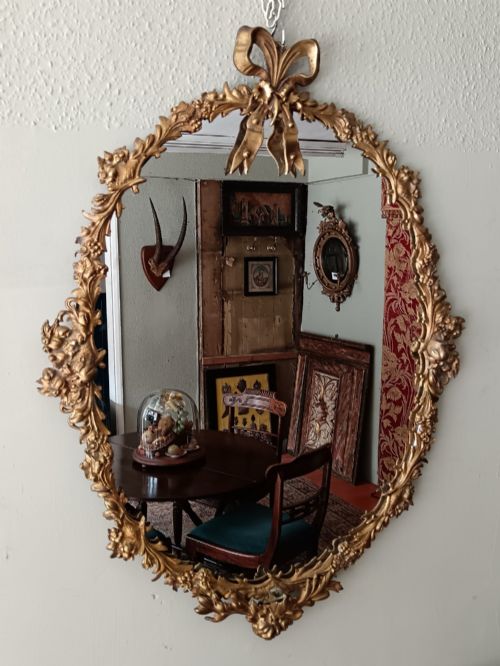
A gilded brass frame brings warmth and a polished edge to domestic spaces, housing miniatures, mirrors and photographs with decorative weight.
Gilded Brass Frame
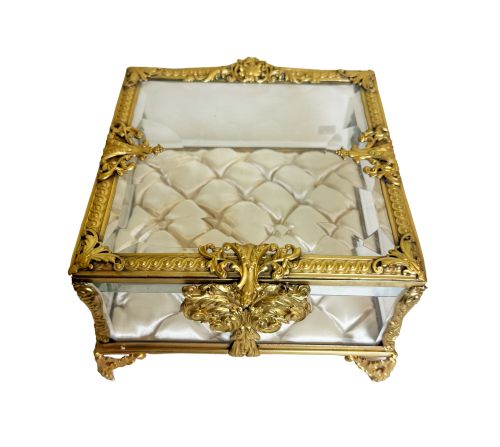
When you search for a gilded brass frame, you encounter objects built to display portraits, reflections and small treasures. The selection ranges from tabletop photograph holders to heavy wall mirrors and miniature surrounds.
Most examples originate from the nineteenth and early twentieth centuries, spanning periods from Regency elegance to Edwardian refinement and Art Deco simplicity. French and English workshops dominate the selection, bringing cast and chased metalwork to domestic interiors.
How they were made
Makers utilised brass as a base metal, shaping it through casting, stamping and piercing before applying surface finishes. Gilding, ormolu and gilt bronze treatments provided a rich, golden lustre that emulated solid gold.
Many pieces incorporate glass, crystal, ebonised wood or paste stones to frame the central subject. Backing panels typically utilise wood, velvet or paper with functional brass struts or hanging loops.
Listings feature brass frames combined with ebonised wood, glass, crystal and hand-painted portrait miniatures from the Regency to the Art Deco era.
What varies in quality
Quality rests in the crispness of the metalwork and the depth of the chasing. Superior pieces display sharp relief in cast motifs such as cherubs, ribbons or foliate scrolls, whereas simpler items rely on flat stamped brass.
The integrity of the gilding and the retention of original glass or bezels define the preservation standard. Finer examples retain their original backings, easels and secure hinges without replacement parts.
Boin Taburet·F. Bienvue·Moseley·Susie Lassam·George Atkinson·J. Deacon
The Gilded Brass Frame Glossary
- Ormolu
- Gilded bronze or brass, produced by applying a mixture of gold and mercury to the metal base before heating. This French technique yields a deep, matte golden finish.
- Gilt bronze
- An alloy of copper and zinc or tin treated with a gold finish. It offers substantial weight and durability for decorative mounts and frames.
- Silhouette
- A profile portrait filled in with a solid dark colour, often painted on card or cut from paper. These feature frequently inside nineteenth-century frames.
- Paste stone
- Faceted glass cut and polished to imitate gemstones. They appear inset into decorative bezels on late nineteenth and early twentieth-century pieces.
- Napoleonic bees
- Imperial symbols utilised in French design, particularly during the nineteenth century. They appear chased into brass and bronze mounts.
Gilded Brass Frame: Frequently Asked Questions
How do I date a brass frame?
Dating relies on stylistic clues, manufacturing techniques and the materials used in the backing or mount. Regency and early nineteenth-century pieces often feature simpler cast profiles, while Victorian and Edwardian examples lean towards elaborate ribbon crests and easel backs.
Examining the fixings, screw types and glass bevelling helps narrow the production era further.
What is the difference between ormolu and gilt brass?
Ormolu specifically denotes gilded bronze or brass created through a traditional mercury gilding process, common in French workshops. Gilt brass covers a broader category of brass items treated with gold leaf, electroplating or chemical washes to achieve a golden surface.
Both finishes provide a warm metallic tone, though ormolu typically exhibits greater weight and chased detail.
How were these frames used originally?
Tabletop photograph frames and double hinged variants sat upon mantelpieces, desks and boudoir dressing tables to display family portraits and silhouettes. Wall mirrors and picture frames hung in principal reception rooms to catch the light and reflect interiors.
Smaller frames often housed delicate painted miniatures or porcelain plaques cherished as personal keepsakes.
Should I polish a gilded brass frame?
Aggressive cleaning removes the historic patina and can strip delicate gold finishes entirely. Gentle dusting with a soft, dry cloth is usually sufficient for maintenance.
If cleaning is necessary, avoid chemical dips or abrasive pastes that harm the underlying metal and gilt surface.