


Ebonised Frame Portrait
An ebonised frame portrait brings the dark, striking contrast of black wood together with centuries of human likeness.
Ebonised Frame Portrait
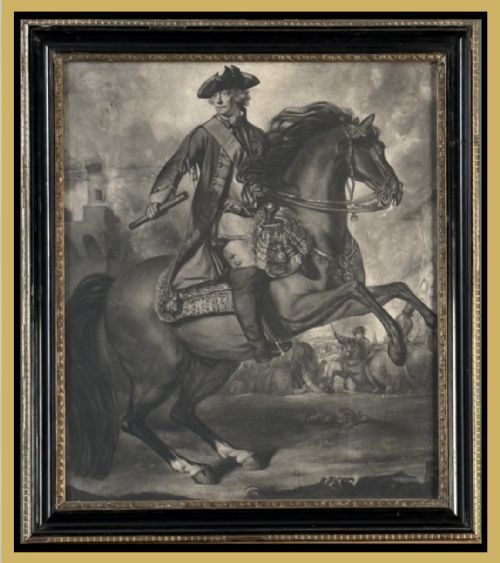
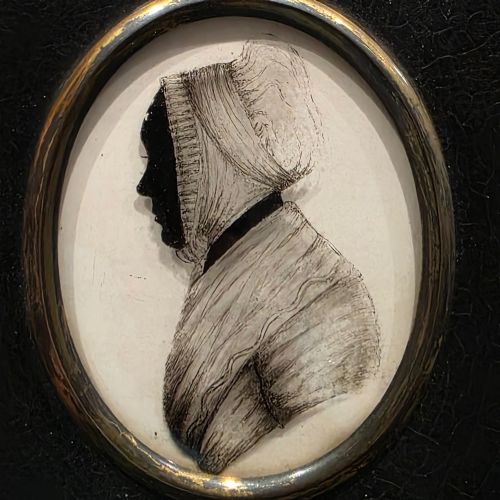
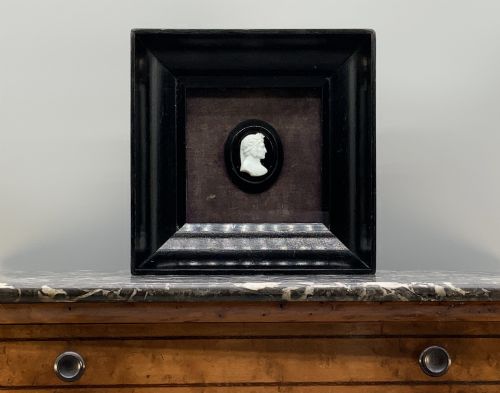
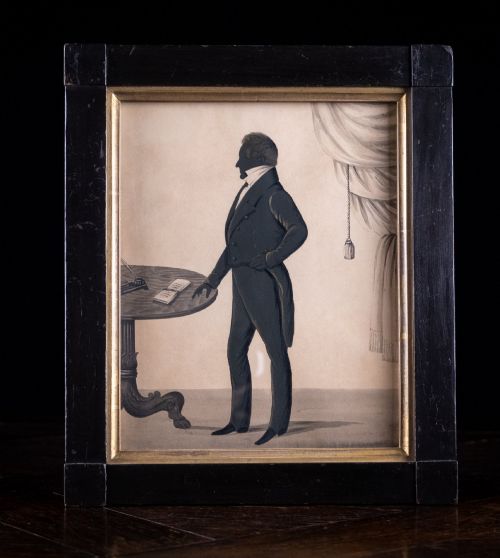
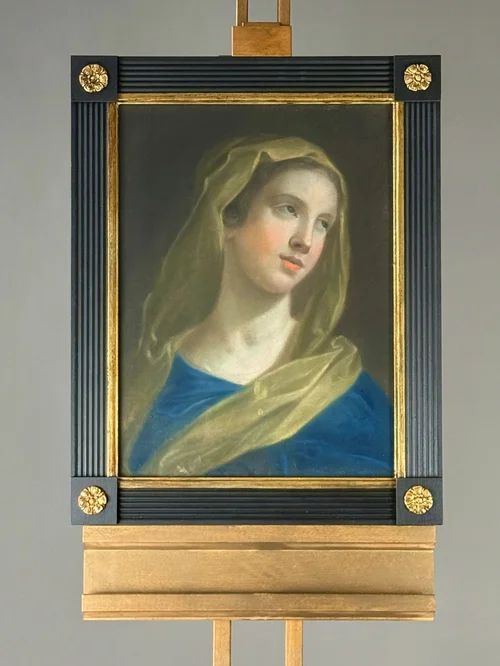
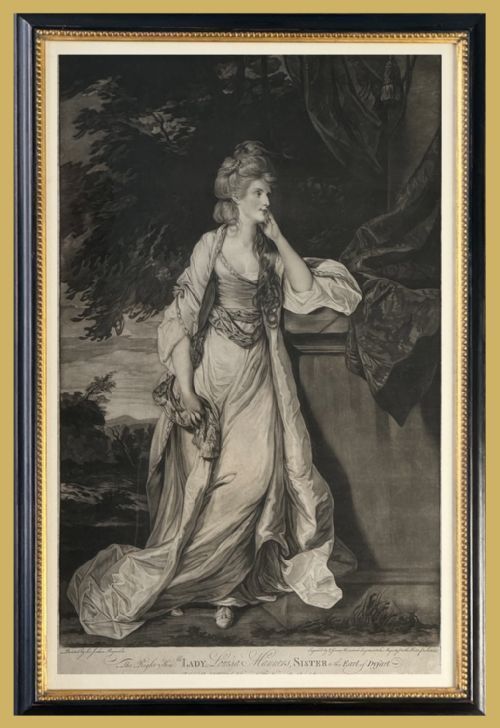
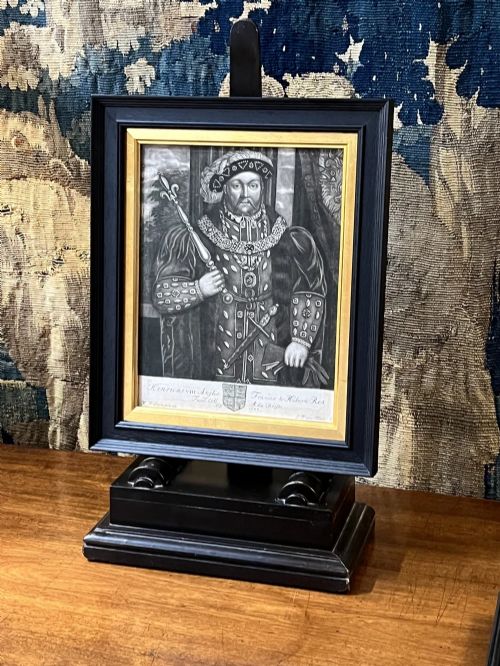
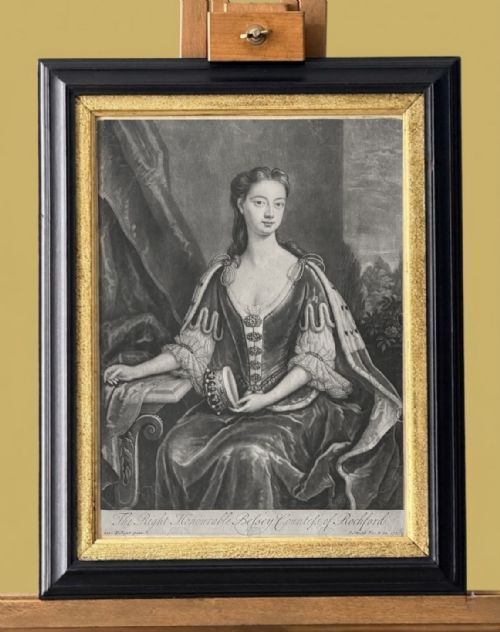
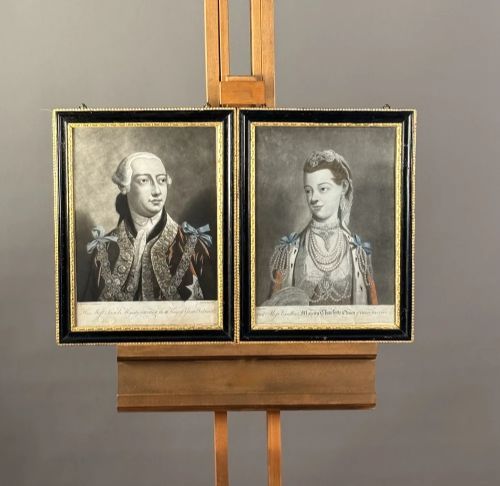
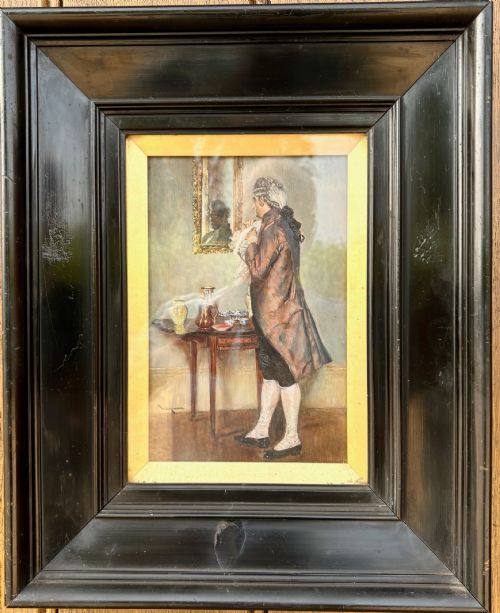
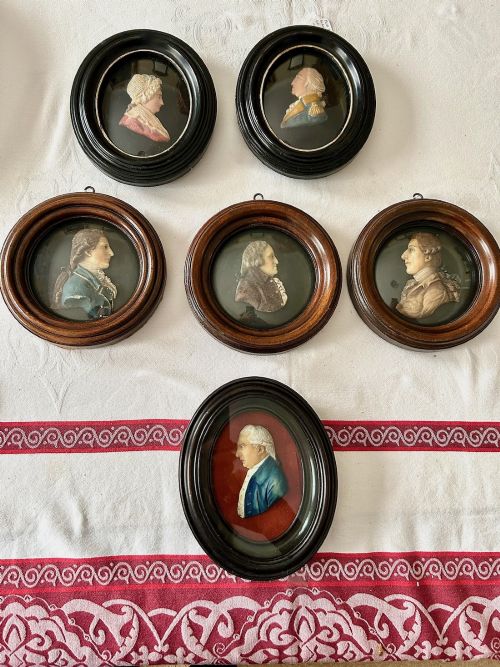
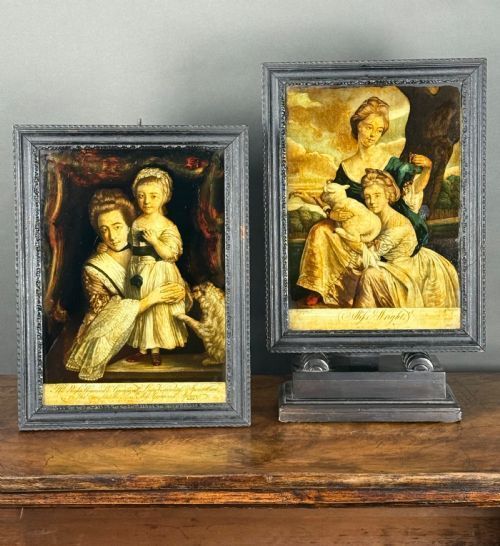
An ebonised frame portrait encompasses various historical likenesses set within darkened wood boundaries, ranging from oil paintings and watercolours to silhouettes and mezzotints. These works span multiple centuries, touching the Georgian, Regency, and Victorian eras alongside earlier continental schools.
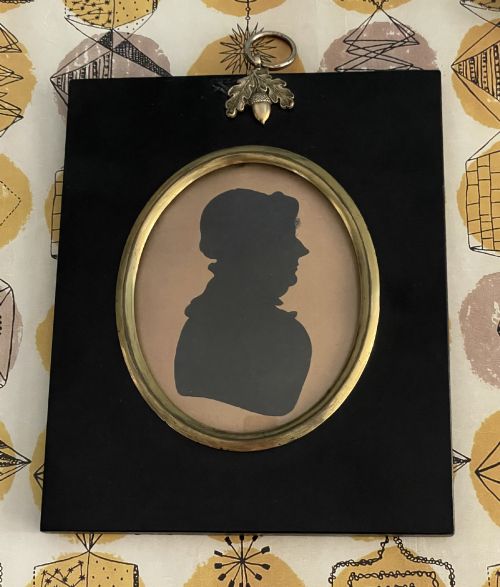
The most common formats on this page include miniature watercolours, silhouette profiles, and printed mezzotints encased in deep black timber. Such pieces draw the eye directly to the painted or printed subject by using a dark, neutral border that avoids distracting colour.
How they were made
Makers produced the dark borders using dense hardwoods treated with stain, black dye, or polish to imitate more expensive ebony. These surrounds frequently enclosed delicate paper, vellum, glass, or panel supports carrying oil paint, watercolour, pastel, or ink.
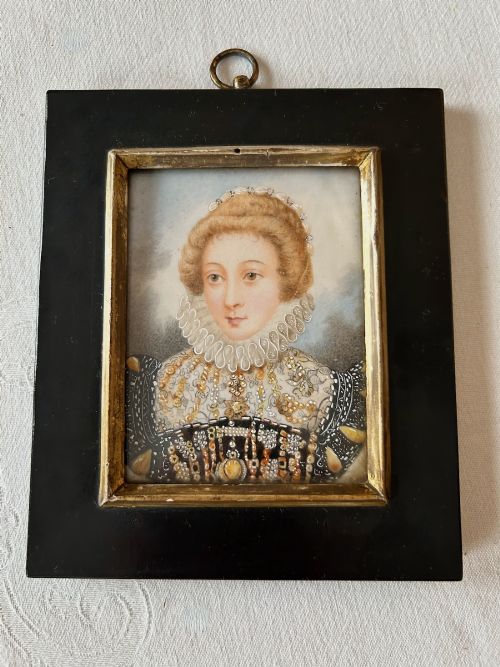
Several subjects wear intricately detailed ruff collars that demand a closer look.
What varies in quality
Quality rests in the precision of the likeness and the skill of the artist, separating hurried commercial outputs from masterful hand-painted portraits. Finer works display meticulous handling of expression, clothing details, and shadow.
The construction and original pairing of the dark timber surround also dictate worth, as authentic period mouldings with untouched backing papers hold greater integrity than later replacements. The preservation of the underlying medium, free from excessive fading or moisture damage, marks the distinction between average examples and superior survivals.
Edward Fisher·Sir Joshua Reynolds·Henri Fradelle·George Atkinson·Benedetto Lutti·Valentine Green·John Faber Snr·Hans Holbein The Younger·John Smith·Charles D'Agar·Thomas Frye·Richard Purcell·W D Almond·James Gillespie·James Ward·John Hoppner·Henri and Charles Beaubrun·Albin Mattenheimer·Frans Hals·Godfried Schalcken·John Taylor
The Ebonised Frame Portrait Glossary
- Ebonised
- Wood treated to resemble genuine ebony, typically through dark staining or polishing. This finish provides a stark, uniform black appearance popular for framing works on paper and miniature paintings.
- Mezzotint
- A printmaking process where the copper plate is roughened to achieve rich tonal gradations. It allows for deep shadows and smooth mid-tones, making it a favoured method for reproducing oil portraits.
- Silhouette
- A profile likeness filled in with a solid dark colour, usually cut from paper or painted. These pieces gained immense popularity during the Georgian and Regency periods.
- Plumbago
- A delicate drawing executed in graphite, taking its name from the Latin word for lead ore. These monochromatic works offer extraordinary linear detail on vellum or paper.
- Grisaille
- A painting executed entirely in shades of grey or neutral monochrome. This technique often mimics the appearance of stone sculpture or serves as an underpainting for oils.
Ebonised Frame Portrait: Frequently Asked Questions
What periods do these portraits come from?
The pieces span multiple centuries, drawing heavily from the seventeenth, eighteenth, and nineteenth epochs. You will encounter Georgian, Regency, and Victorian iterations alongside Dutch Golden Age styles.
Earlier examples from the sixteenth and seventeenth centuries appear less frequently but represent important historical milestones in portraiture.
How should I hang an ebonised frame portrait?
The dark timber borders pair well with neutral or boldly coloured walls, where the black finish helps anchor the composition. Grouping several silhouettes or miniatures together creates a striking gallery effect.
Keep these works away from direct sunlight to protect fragile watercolours, paper, and pigments from fading over time.
What is a reverse glass portrait?
This technique involves painting or printing directly onto the reverse side of a glass panel. When viewed from the front, the glass provides a glossy, protective sheen.
Artists utilised this method for silhouettes and decorative prints to achieve a unique depth and luminosity.
Are these frames original to the portraits?
Many pieces retain their original black timber surrounds, which were specifically chosen to complement the monochrome tones of silhouettes and prints. Some works have been matched with period-appropriate surrounds over their long lifespans.
Examining the backboards, fixings, and timber wear helps determine whether the enclosure has remained with the artwork since its creation.