
19th Century French Artwork
Selecting 19th century french artwork brings canvas paintings, bronze sculptures and works on paper from academic studios and rural landscapes into a room.
19th Century French Artwork
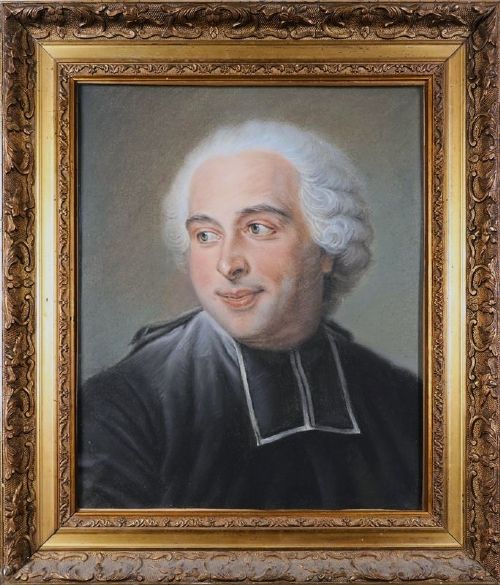
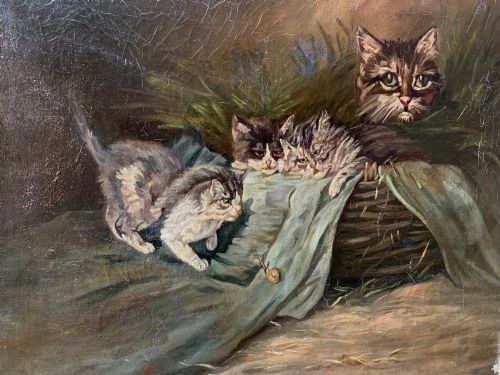
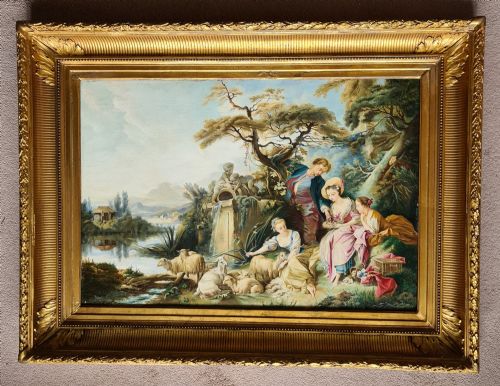
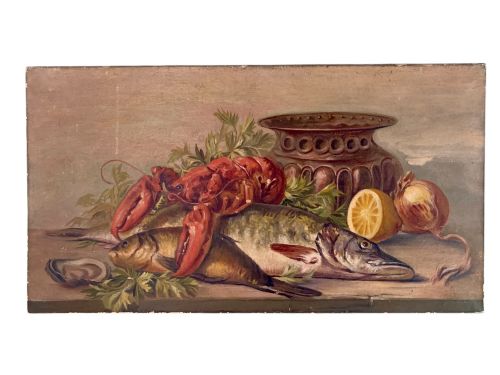
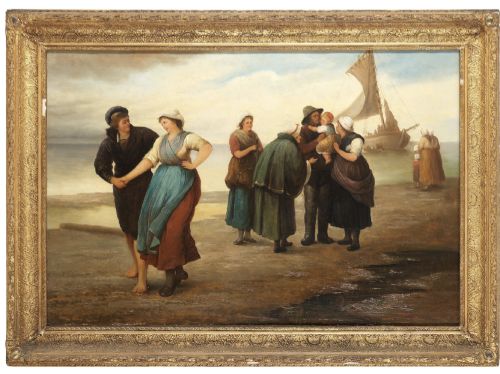
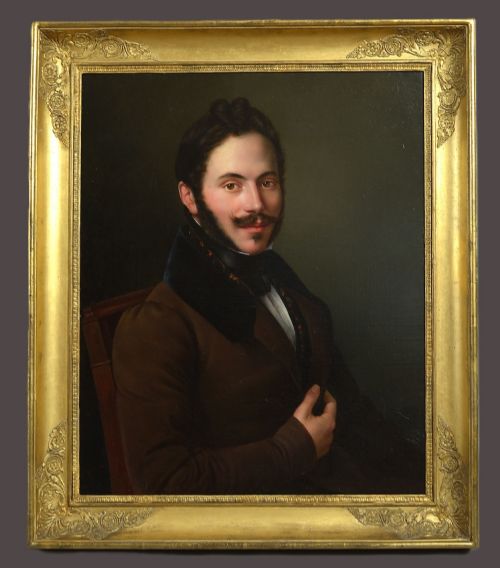
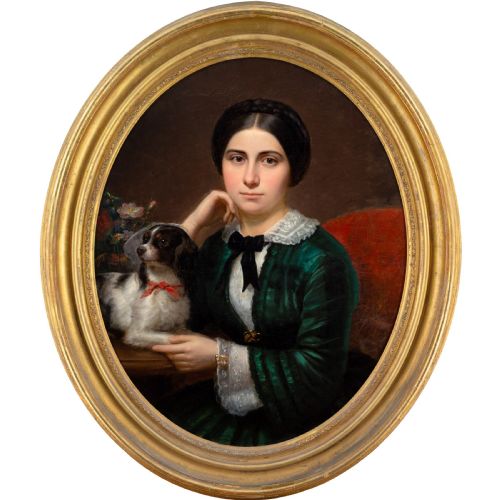
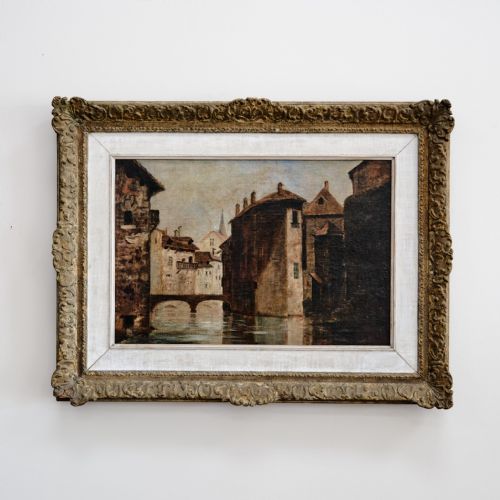
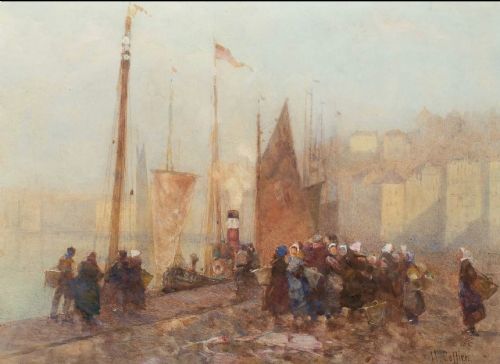
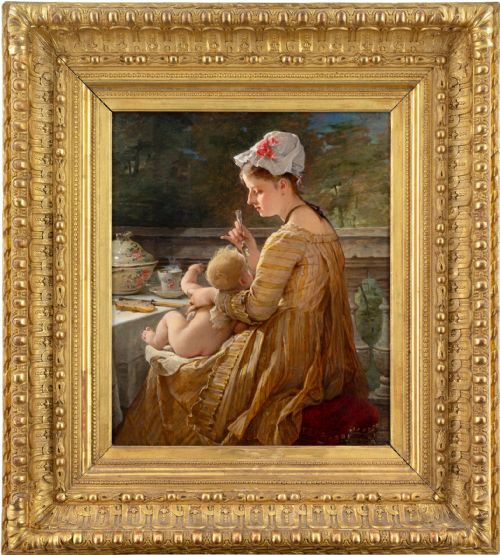
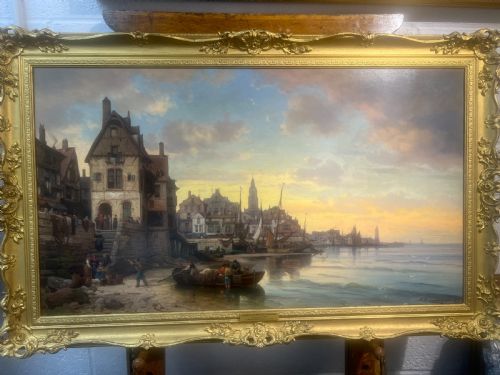
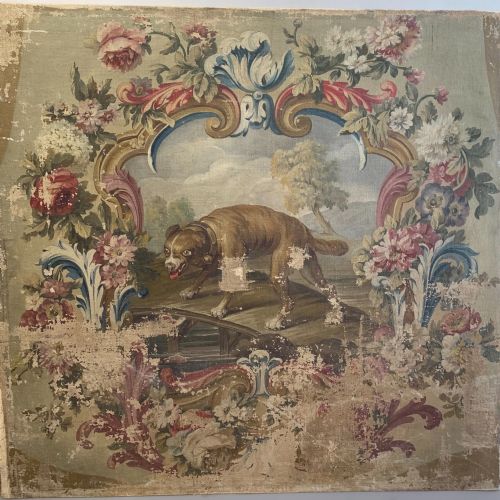
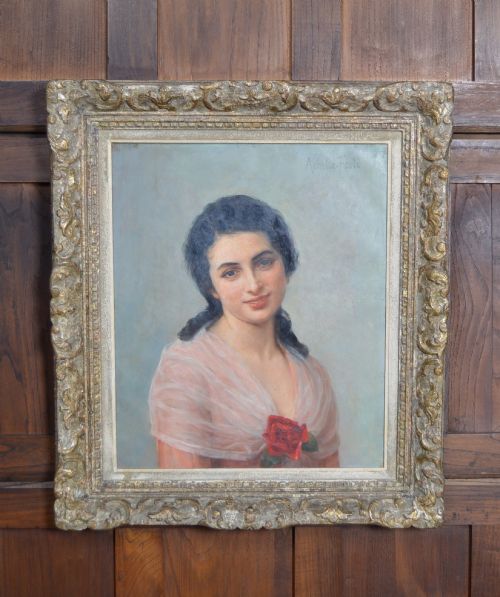
Buyers exploring 19th century french artwork encounter oil paintings on canvas, watercolours, drawings, lithographs and bronze sculptures produced across the nineteenth century. These pieces record portraits, landscapes, historical genre scenes and still lifes created by academic and regional practitioners.
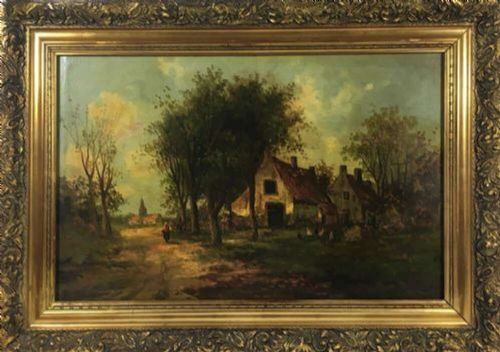
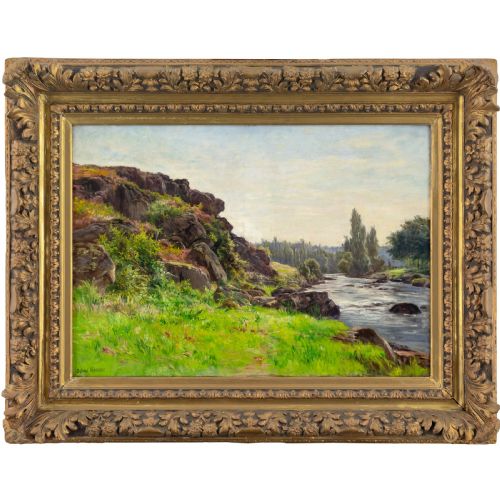
The selections available range from Barbizon school farmyard scenes and river landscapes to detailed portraits and mythological subjects. Many items arrive housed in period giltwood frames that complete the presentation of the canvas or paper surface.
Pieces span decades from the early 1800s through the Impressionist era into the early twentieth century. The French school dominates the selection, reflecting diverse training traditions from Parisian salons to provincial ateliers.
Distinctions in quality
Quality rests upon the execution of the brushwork, the handling of light and shadow, and the proportion of the composition. Accomplished pieces demonstrate assured draughtsmanship and compositional balance, whether depicting a portrait or an open landscape.
The condition of the original surface and the retention of a period frame influence the integrity of the piece. Works that preserve their early pigments and structural support without extensive intervention hold greater visual strength.
Materials recorded across the selection include canvas, paper, wood, giltwood, glass, bronze and oil paint.
Edouard Pingret·Adelaïde Salles Wagner·Alfred Arthur Brunel de Neuville·Jules Dalou·Emile Louis Picault
The 19th Century French Artwork Glossary
- Barbizon School
- A group of French painters associated with naturalistic landscape painting centred around the village of Barbizon. These artists worked directly from nature, focusing on rural farmyards and forest scenes.
- Giltwood
- Wood that has been coated with a thin layer of gold leaf or gilt powder. It is commonly found on nineteenth-century picture frames.
- Genre Painting
- Artwork depicting scenes from everyday life, often featuring ordinary people engaged in common activities. These subjects were popular in French salons.
- Lithograph
- A print made from a design drawn on limestone or a metal plate with a greasy crayon. This technique allowed for the reproduction of coloured illustrations on paper.
- Academic
- Pertaining to the formal traditions taught by official European art academies. Such works prioritise strict draughtsmanship, historical subjects and classical composition.
19th Century French Artwork: Frequently Asked Questions
How do I identify a period frame?
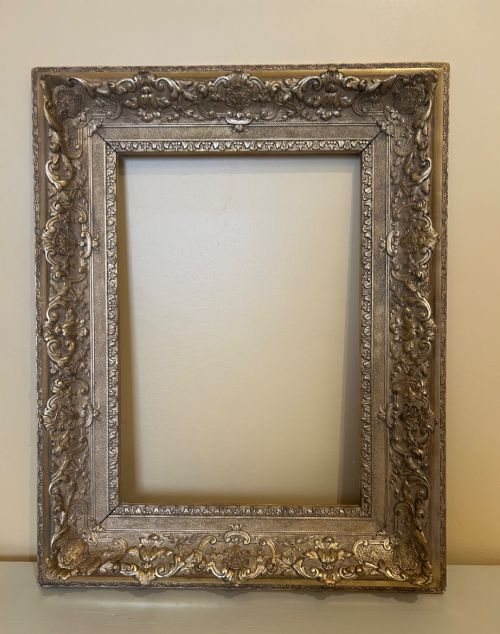
Nineteenth-century frames typically utilise moulded wood finished with gesso and gilt leaf, showing hand-carved details or composition ornament consistent with the era of the artwork.
Examining the corners, joining methods and the backing boards helps distinguish original mountings from later replacements.
Where were these paintings displayed?
Works from this era hung in Parisian salons, formal drawing rooms, country chateaux and private urban residences. Portraiture and landscape art served as standard interior decoration for affluent households.
Public exhibitions and private commission records indicate how owners integrated these canvases into domestic architecture.
What is the Barbizon school?
The Barbizon school refers to French landscape painters who gathered near the Fontainebleau forest to paint rural subjects directly from observation. They rejected classical studio conventions in favour of atmospheric naturalism.
Their focus on farmyards, rivers and woodlands laid groundwork for subsequent landscape movements.
How should I care for oil on canvas?
Keep canvas paintings away from direct sunlight and steady humidity levels to prevent pigment cracking or warping of the wooden stretcher. Dust the surface gently with a soft, dry brush without applying pressure.
Avoid using liquid cleaners or chemical solvents on the paint layer.