
Antique Genre Scene Artwork
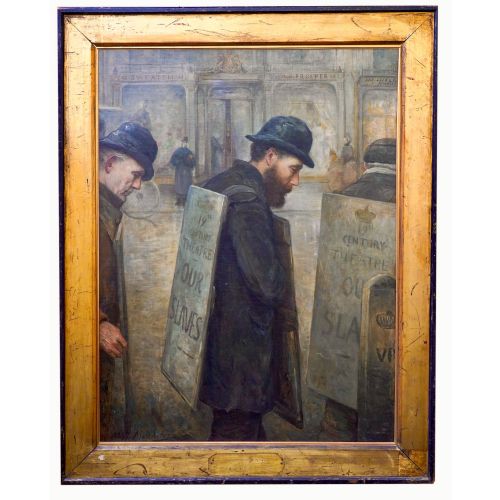
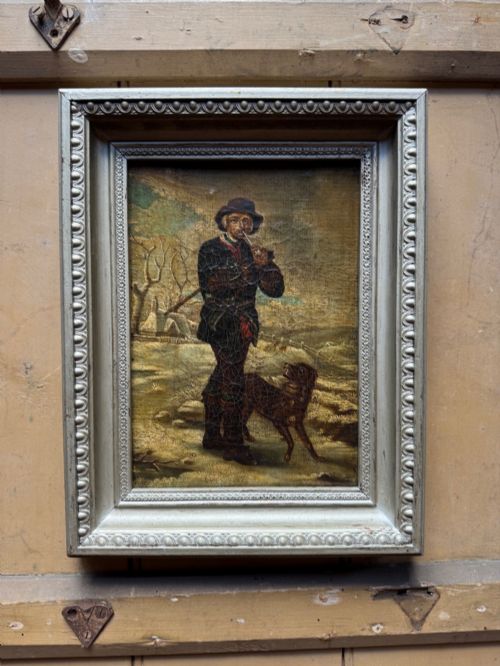
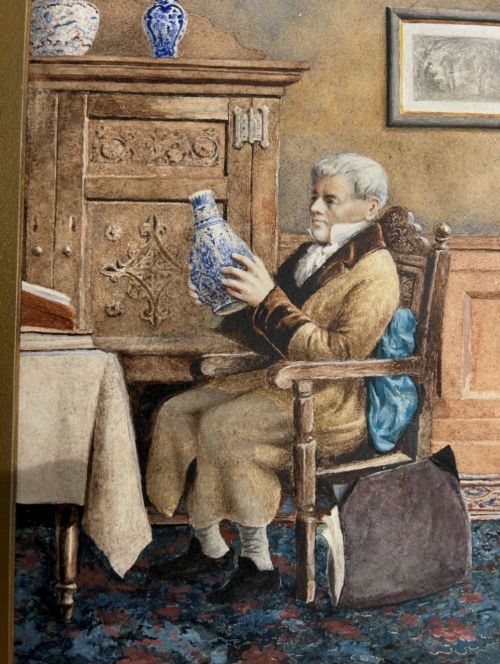
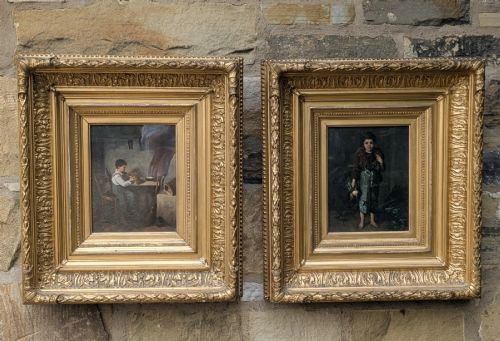
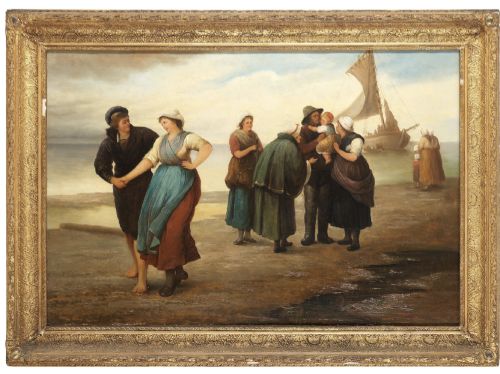
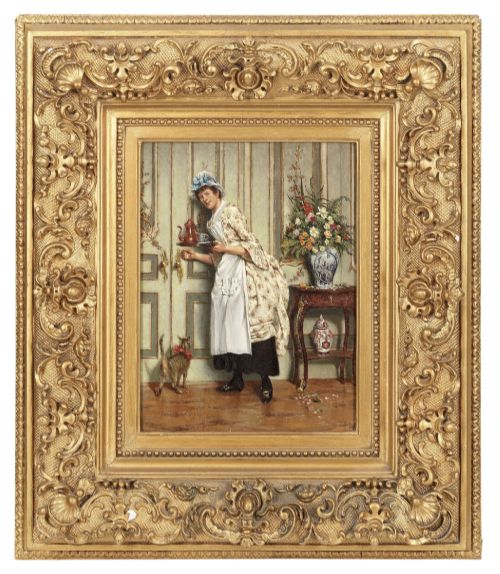
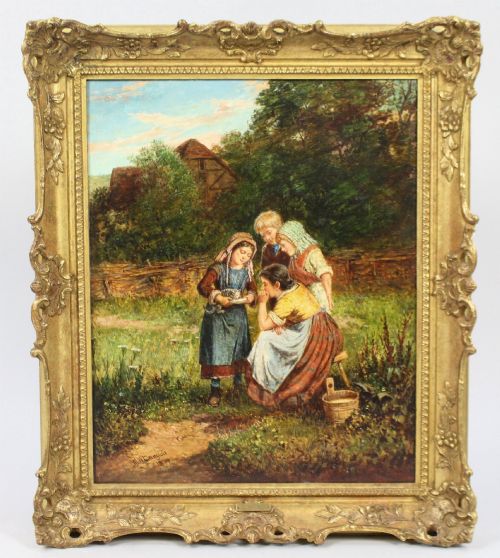
These antique genre scene artwork selections capture everyday domestic and social life through painted moments from the seventeenth to the twentieth century.
Antique Genre Scene Artwork
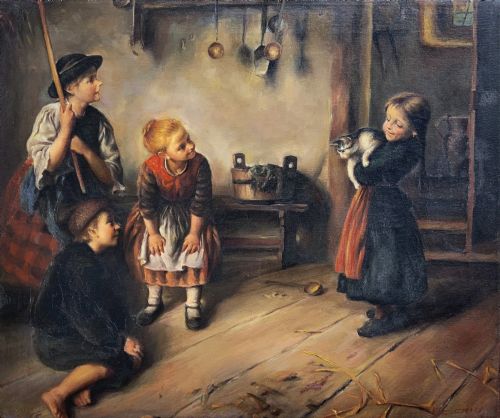
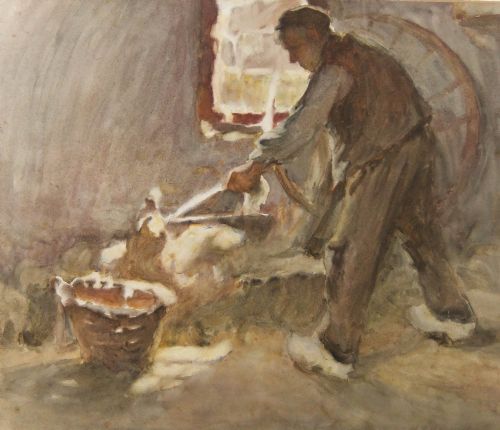
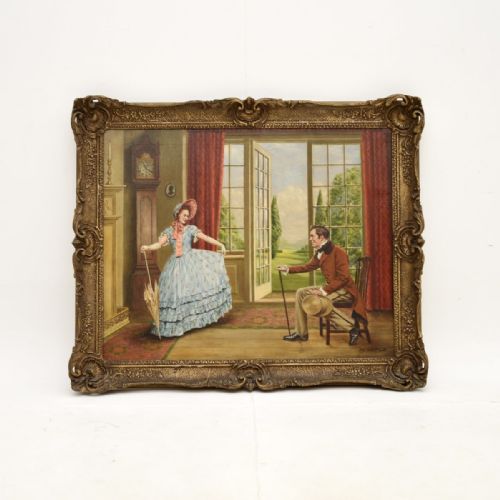
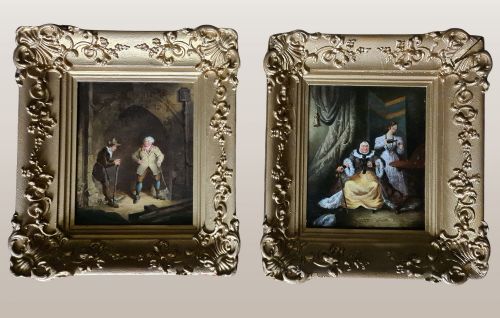
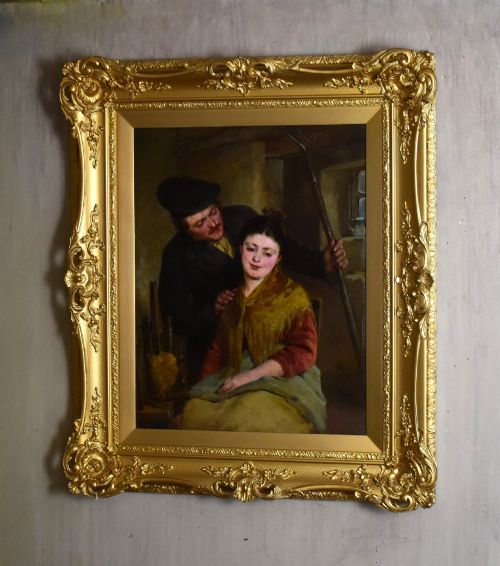
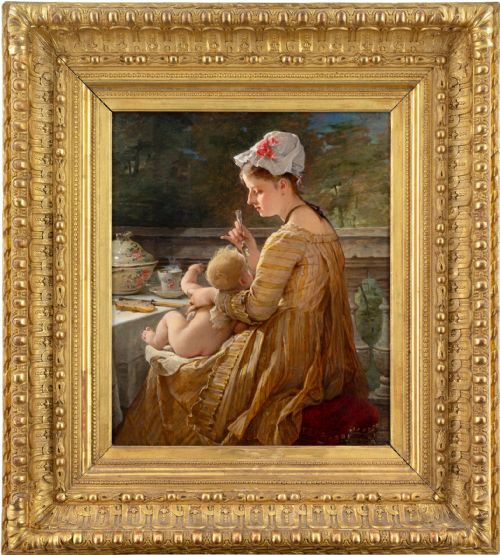
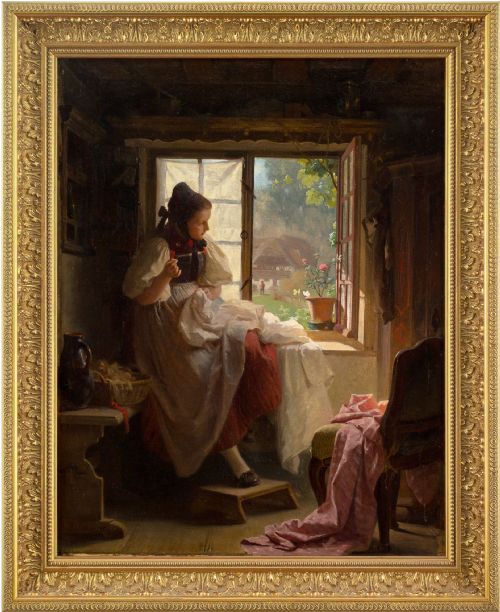
Antique genre scene artwork depicts ordinary people engaged in daily activities, domestic interiors, and social gatherings rather than grand historical or mythological events. These pieces record the everyday habits, trades, and leisure of past centuries through painted narratives.
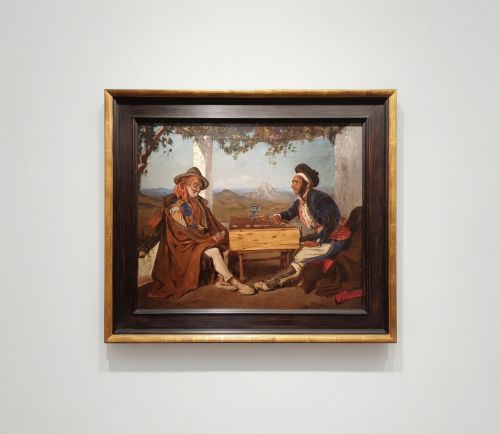
The selections here most frequently present nineteenth century oil paintings and watercolours on canvas or paper. Subjects range from quiet cottage interiors and child life to tavern gatherings and street vendors.
Originating from British, French, Dutch, and broader European schools, these works reflect diverse regional approaches to realism and social history. The physical forms vary from intimate framed watercolours to monumental framed canvases.
Materials and methods
Painters built these compositions primarily using oil paint or watercolour applied to stretched canvas, prepared wood panels, or heavy paper sheets. Canvasses were commonly mounted on wooden stretchers and secured within decorative frames utilising gesso and gold leaf over timber mouldings.
Artists layered pigments to achieve depth in interior lighting, skin tones, and fabrics, often employing chiaroscuro techniques to guide the viewer's eye across the narrative. Watercolours relied on transparent washes of pigment on paper, sometimes heightened with bodycolour for fine detail.
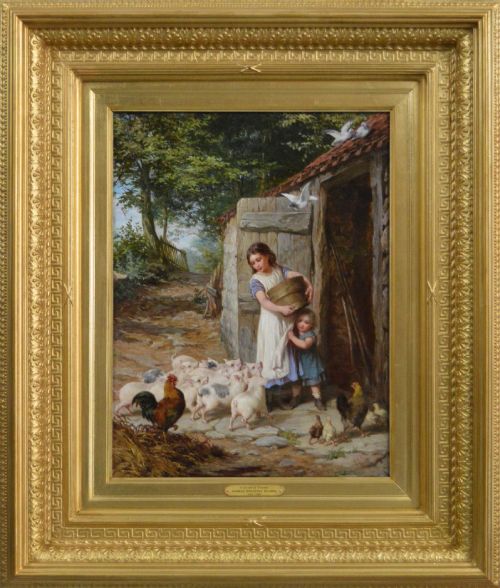
Cats, kittens, and piglets frequently interrupt quiet domestic chores, proving that historic household pets were just as determined to supervise.
Distinctions in quality
The preservation of the original paint layer and the character of the associated frame influence the standing of a piece. Works retaining their initial canvas support and unblemished pigment surfaces reflect greater artistic and material integrity.
Felix Stone Moscheles·Henry Stacy Marks·Stephen Samuel Lewin·Mark William Langlois·Henry Silkstone Hopwood·Alfred Lyndon Grace·Howard Helmick·Max Kaltenmoser·George Augustus Holmes·Joseph H Barnes·David Teniers·Frederick Walker·Louis Charles Verwee·Hendrik Valkenberg·Bernard De Hoog·J C Dollman·Carlo Ferranti·Renato Moretti·Jacob Akkersdijk·Delapoer Downing·Paul Ehrenberg·Godfried Schalcken·Miles Birkett Foster·Albert Ludovici Jnr·J De Ninville
The Antique Genre Scene Artwork Glossary
- Genre painting
- The pictorial representation of scenes from everyday life, typically involving ordinary people in domestic or public settings. This category excludes formal portraiture, landscape, and history painting.
- Chiaroscuro
- An artistic effect utilising strong contrasts between light and dark to give a sense of volume to figures and objects. Painters applied this technique to create dramatic focus within interior tavern and cottage scenes.
- Canvas
- A heavy woven fabric used as a surface for oil painting, typically stretched taut over a wooden frame. It became the standard support for portable paintings from the Renaissance onward.
- Gesso
- A plaster mixture used as a prepared surface on wood or canvas before painting, or moulded onto timber frames to receive gilding. It provides a smooth, stable ground for artistic work.
- Watercolour
- A paint consisting of colour suspended in a water-soluble binder, traditionally applied to paper. It allows for luminous, translucent washes and delicate linear detail.
Antique Genre Scene Artwork: Frequently Asked Questions
What is a genre scene in art?
A genre scene depicts ordinary people in everyday situations, such as domestic chores, tavern gatherings, or children playing. These works capture the social habits and environments of historical periods.
Unlike formal portraits or historical narratives, genre paintings focus on the unpretentious reality of daily life.
How do I identify nineteenth century pieces?
Nineteenth century works often feature realist depictions of social conditions, domestic interiors, or sentimental narrative moments. Materials typically include oil on stretched canvas or detailed watercolour on paper.
Framing styles, canvas stamps, and artist signatures or biographical dates help confirm the period of execution.
Where should I hang these artworks?
These narrative paintings suit principal living spaces, studies, or dining rooms where viewers can observe the fine details of expression and costume. Traditional giltwood frames pair well with period interiors and neutral wall colours.
Keep works away from direct sunlight and damp environments to protect the canvas and paper supports.
What distinguishes oil from watercolour?
Oil paintings utilise pigment bound in drying oils on canvas or wood panels, offering rich textures and deep colour layering. Watercolours employ water-soluble pigments on paper, presenting a lighter and more translucent finish.
Oils are traditionally heavier and require robust stretchers, whereas watercolours need protective glass glazing.