
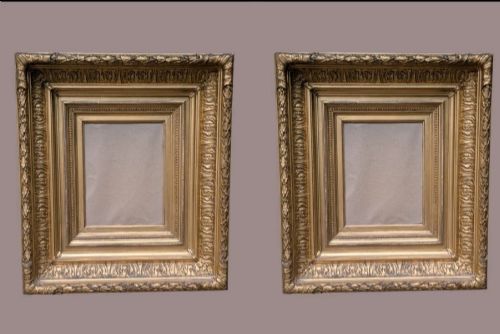
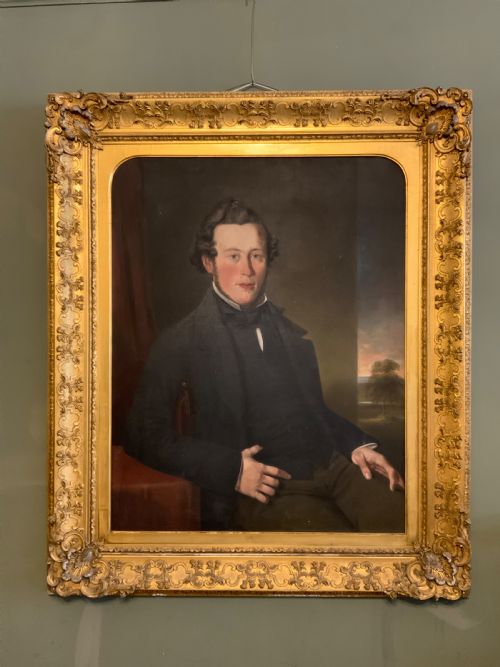
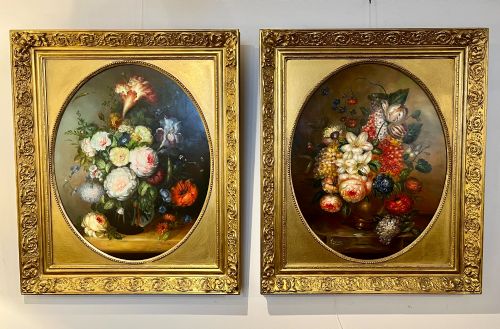
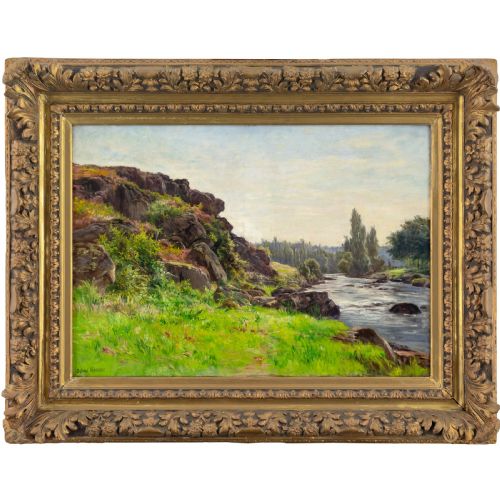
Ornate Gilded Framed Art
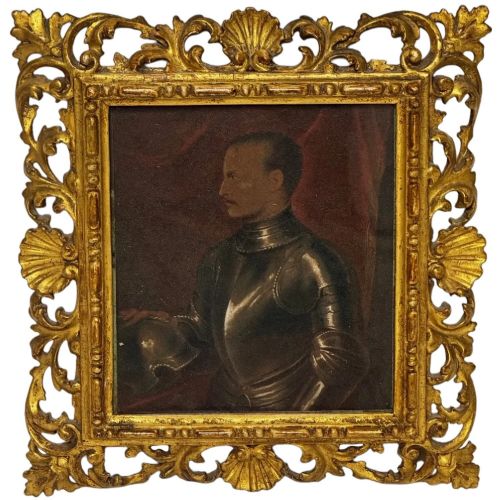
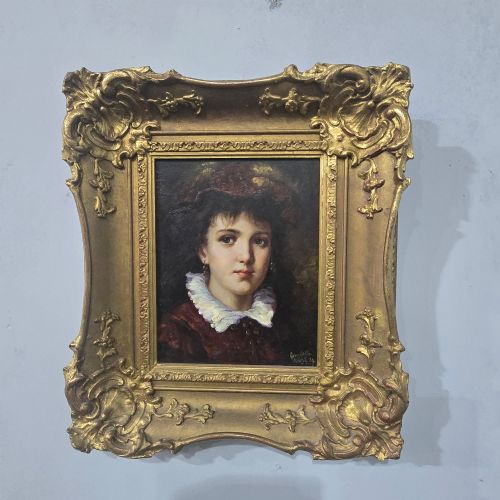
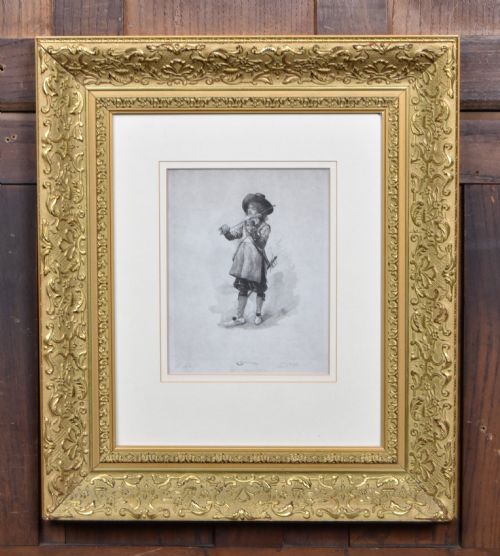
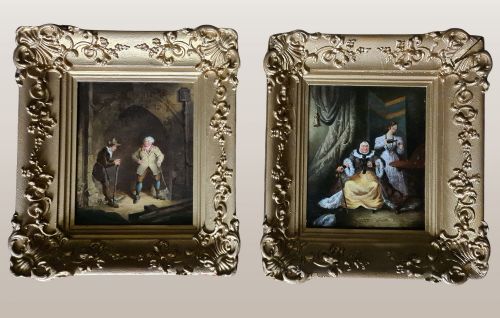
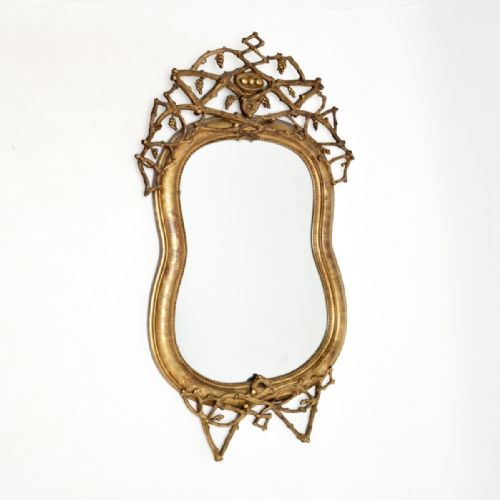
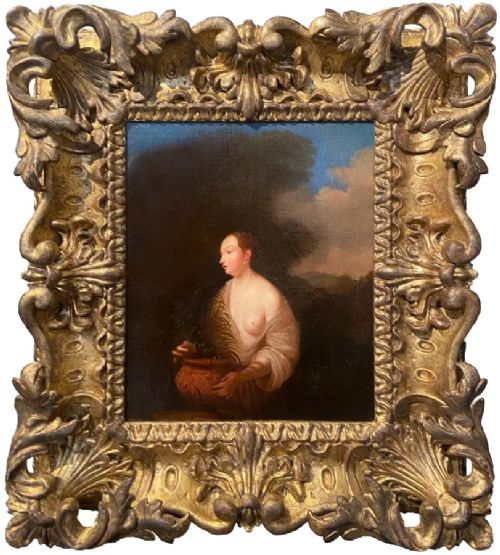
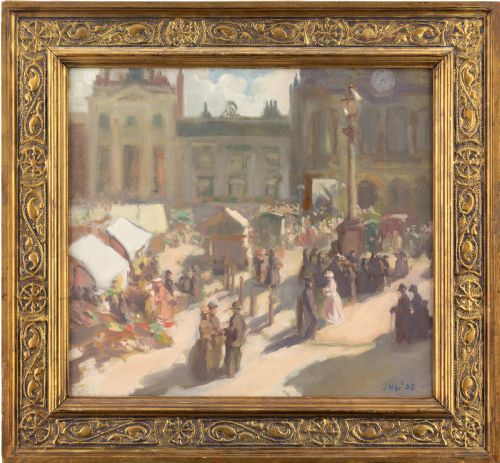
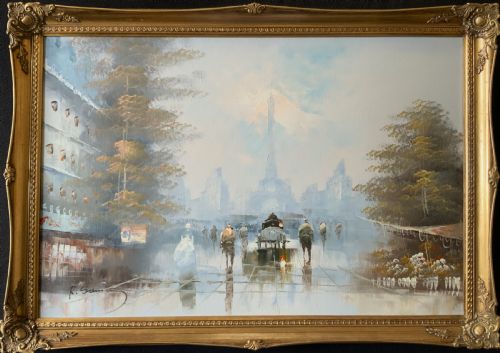
These pieces of ornate gilded framed art combine heavy decorative mouldings with oil paintings, watercolours and mirrors across the nineteenth and twentieth centuries.
Ornate Gilded Framed Art
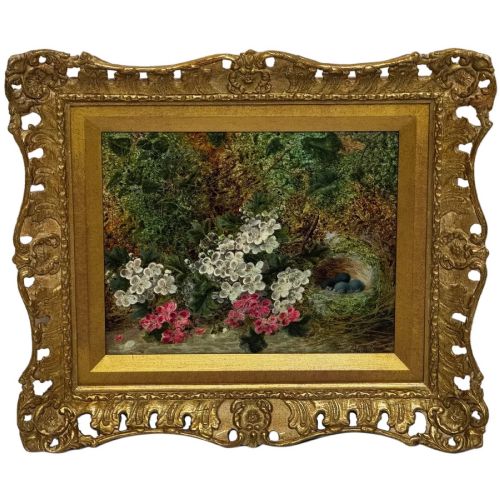
Ornate gilded framed art encompasses oil paintings, watercolours, prints and wall mirrors housed within heavily decorated surrounds. Buyers seeking these items encounter works ranging from nineteenth-century portraits and landscapes to mid-century Parisian cityscapes and floral still lifes.
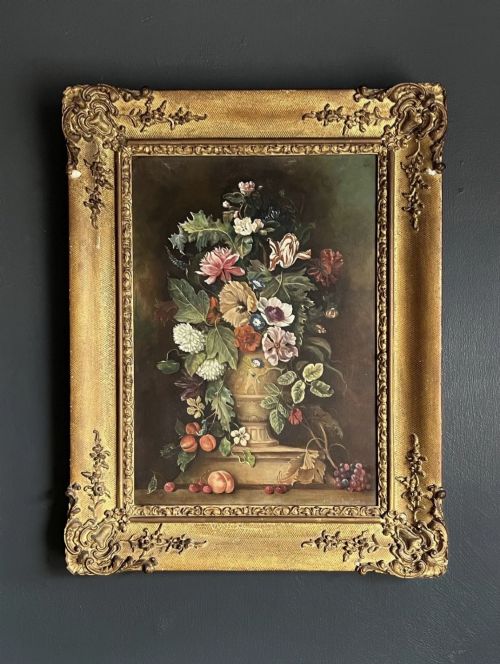
The nineteenth century provides the majority of the oil paintings and deep gilt frames on offer, often executed on canvas or board. Victorian and Edwardian examples sit alongside Dutch style still lifes and French Art Deco mirrors.
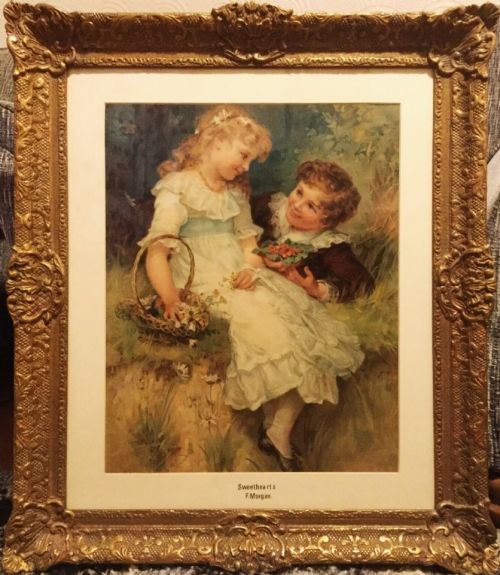
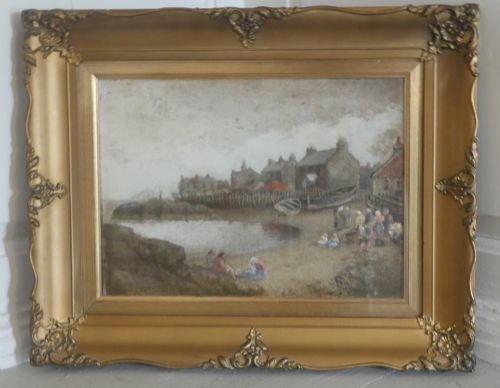
Subjects stretch from maritime scenes and Highland cattle to pastoral genre pieces and botanical studies. The frames themselves carry considerable weight, utilising elaborate gesso mouldings and gilt wood finishes to complement the art within.
Materials and construction
Wood forms the structural core of both the stretchers and the heavy decorative frames, frequently shaped into deep profiles. Artisans applied layers of gesso to the wooden base to build up intricate relief ornaments and scrollwork before applying gold leaf or liquid gilt.
Canvases stretched across wooden frames received grounds of gesso and size before artists applied oil paints. Watercolours and pastels were set behind glass within similar gilded mouldings, sometimes backed with sturdy paper seals.
Materials documented across the inventory include gesso, gold leaf, giltwood, canvas, paper, board and pastel.
Judging the standard of the pieces
Quality rests upon the depth and crispness of the gesso moulding on the frame, where hand-tooled leaf reveals superior craftsmanship over flat painted surfaces. The modelling of floral scrolls and corner ornaments indicates the skill of the gilder.
Within the artwork itself, the handling of pigment, the fidelity of proportion in portraiture and the sureness of brushwork separate standard decorative items from fine examples. Original matching of art and frame further elevates the piece.
Oliver Clare·Edward Mills·Gabriel Mathieu·John Hodgson Lobley·William Watson Jnr·Thomas Kent Pelham·George Bernard O'Neill·Frank Moss Bennett·John Frederick Herring Jnr·Henry John Yeend King
The Ornate Gilded Framed Art Glossary
- Gesso
- A plaster mixture applied to wood frames and smoothed to receive gilding. It allows artisans to carve or stamp intricate decorative relief patterns before applying gold leaf.
- Giltwood
- Timber that has been gilded with gold leaf or metal leaf. This material gives antique frames their warm metallic lustre.
- Oil on Canvas
- Pigment bound in oil applied to a woven fabric stretched over a wooden frame. This medium dominates the nineteenth-century selections.
- Oleograph
- A mechanical colour lithograph textured to imitate an oil painting. These prints emerged in the nineteenth century as affordable alternatives to original canvases.
- Gouache
- An opaque water-based paint mixed with a white pigment. It produces solid matte colour fields frequently seen in period works on paper.
Ornate Gilded Framed Art: Frequently Asked Questions
How do I clean a gilded frame?
Dust the frame gently with a very soft, dry brush to remove surface particles without disturbing the delicate gesso or leaf. Avoid all liquid cleaners, water and chemical solvents, which strip historical gilding.
Keep the pieces away from direct sunlight and fluctuating humidity to prevent the wood from warping and the gesso from cracking.
Are these frames original to the art?
Many nineteenth and early twentieth-century pieces retain their original surrounds, where the scale and style of the moulding match the period of the painting. Dealers note specific pairings when the frame shares the exact age of the canvas.
Over the decades, some artworks were remounted into complementary antique frames that matched the aesthetic of the original creator's era.
How do I date a Victorian gilt frame?
Examine the construction corners and the composition of the gesso mouldings beneath the gold leaf. Victorian examples frequently utilise heavier timber foundations and deep cavetto profiles.
Cast composition ornaments pinned to wooden substrates became common in the nineteenth century, replacing hand-carved details found in earlier Baroque styles.
What is the difference between oil and oleograph?
An oil painting consists of hand-applied pigments on canvas or board, showing visible brush texture and layers of drying oil. An oleograph is a printed reproduction created with multiple lithographic stones.
Oleographs often display a mechanical dot pattern under magnification and feature simulated canvas texture pressed into the surface during manufacture.