
Classical Figure Artwork
Classical figure artwork brings mythological subjects, historical narratives and life studies into rooms through oils, watercolours and engravings.
Classical Figure Artwork
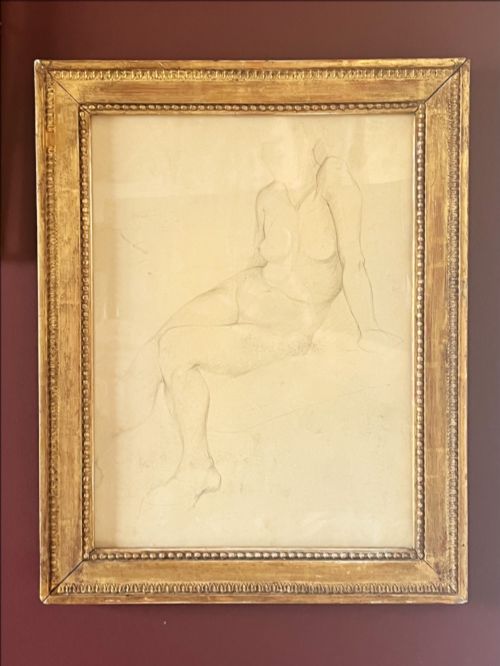
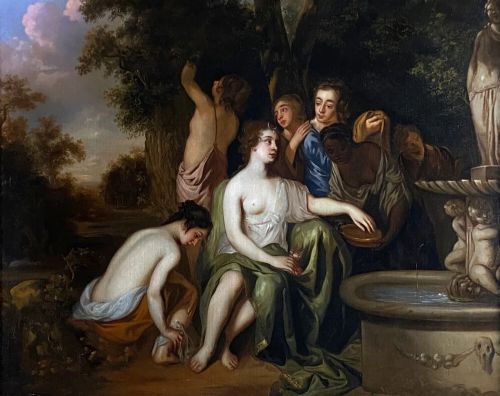
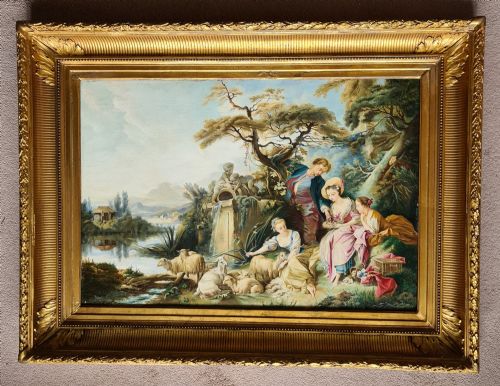
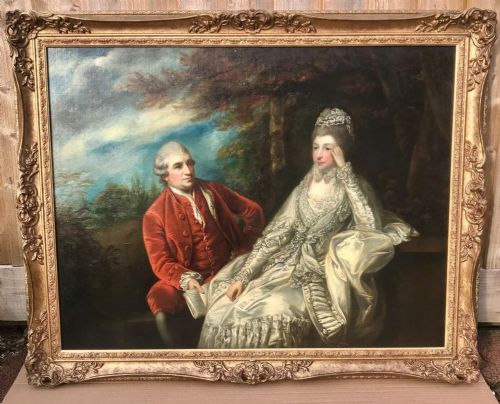
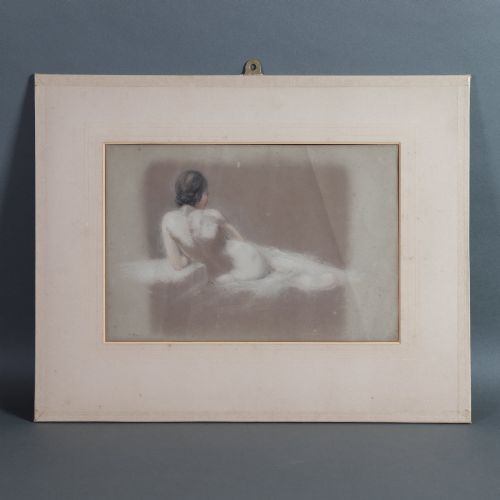
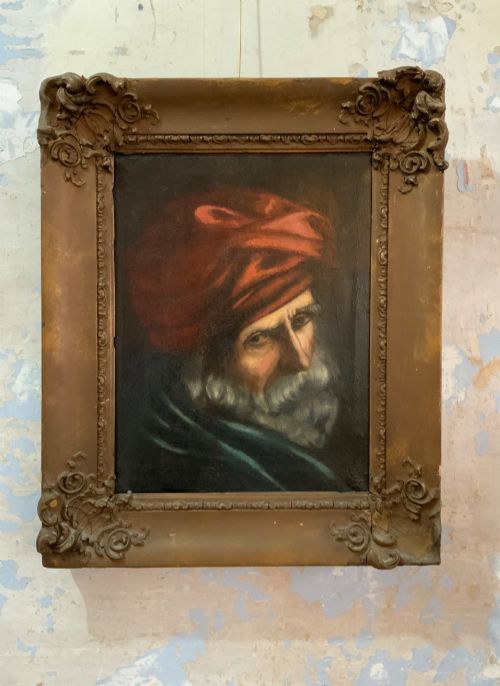
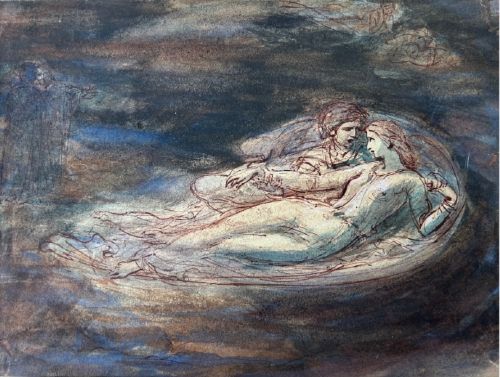
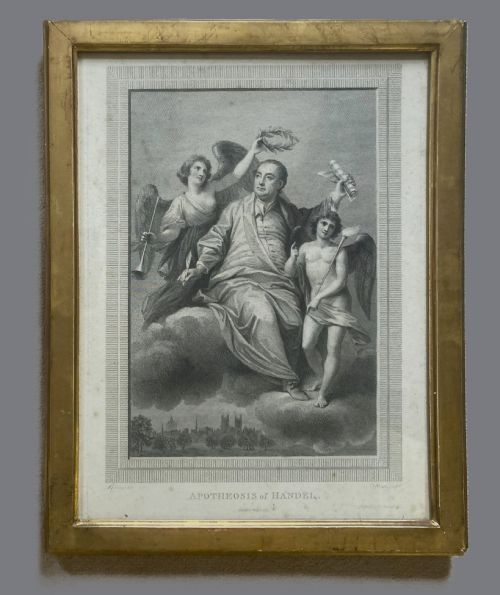
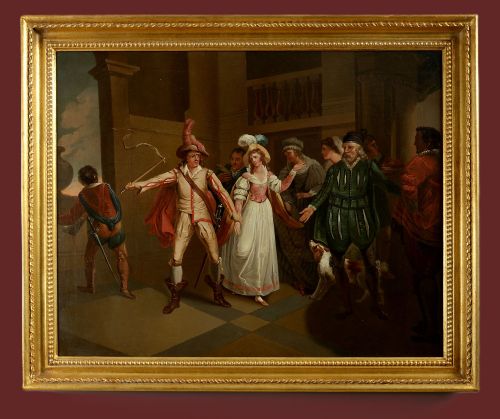
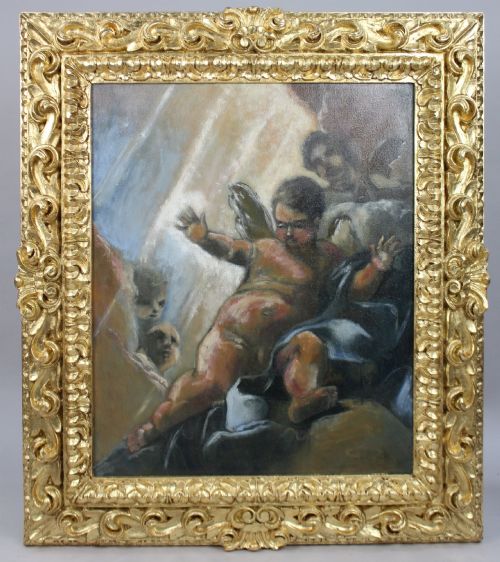
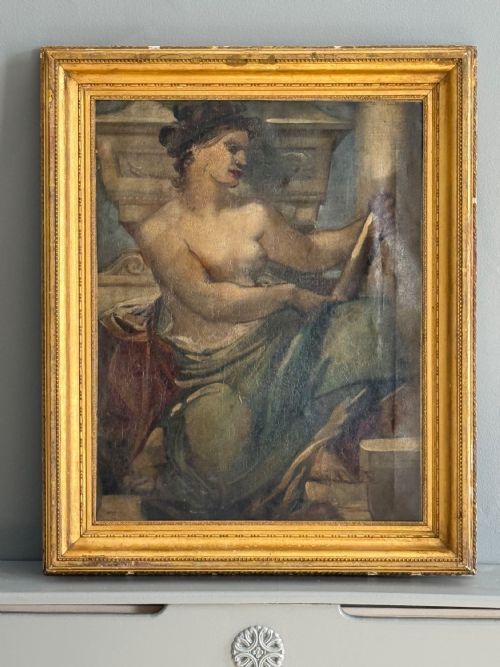
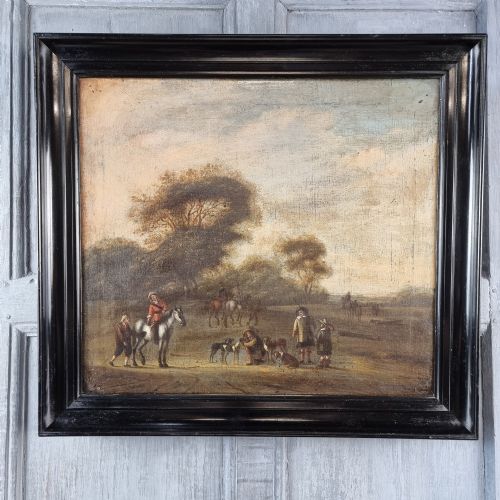
When searching for classical figure artwork, collectors encounter academic life studies, mythological scenes and portraits rendered across several centuries. The pieces on this page span from seventeenth-century oils to twentieth-century drawings, showing subjects drawn from classical antiquity, biblical history and Renaissance tradition. A buyer finds everything from detailed pencil sketches of the god Hermes to large oil paintings of sibyls and mythological figures.
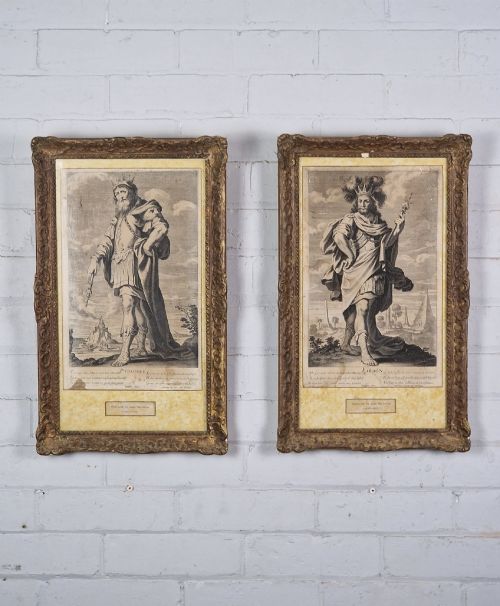
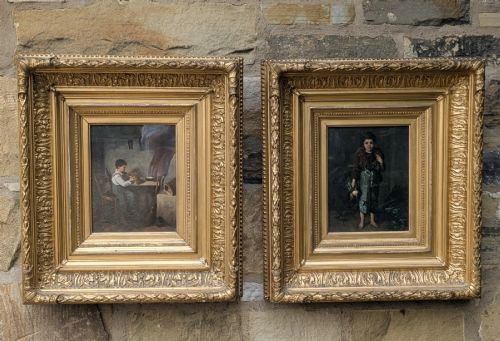
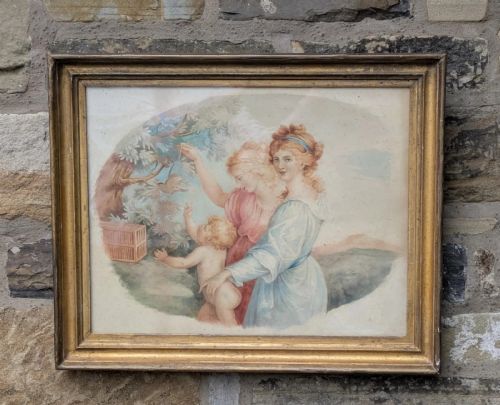
The most common formats on this page include framed oil on canvas paintings, antique engravings and delicate pencil or wash drawings on paper. Many works reflect academic training, focusing on the human form through life drawing and historical compositions. These pieces range from intimate sketches to grand framed works set within period giltwood frames.
Distinctions in quality
Quality in classical figure artwork rests upon anatomical precision, compositional balance and the fidelity of the draughtsmanship. Works that demonstrate a secure understanding of human proportion and expressive line separate themselves from simpler decorative copies.
The sophistication of the secondary materials, particularly the retention of original hand-carved giltwood frames and the stability of the support, influences the standing of a piece within the range.
Several drawings capture figures mid-stride or asleep, proving that even gods and heroes needed a nap.
Edward Fisher·Jean Mariette·Sir Peter Lely·Francois Boucher·Joshua Reynolds·William Etty·James Heath·Biaggio Rebecca·P. Ruiz·Hyacinthe Colin de Vermont·Adam Buck·Francis Plummer·James Stroudley·Guillaume Courtois·Theodore Jensen·John A Monteith·Margaret Maitland Howard·Antoine Calbet·Henry Arthur Roberts
The Classical Figure Artwork Glossary
- Academic life study
- A drawing or painting executed from a live model, often as part of formal art school training. These pieces emphasise anatomical accuracy and tonal modelling.
- Mezzotint
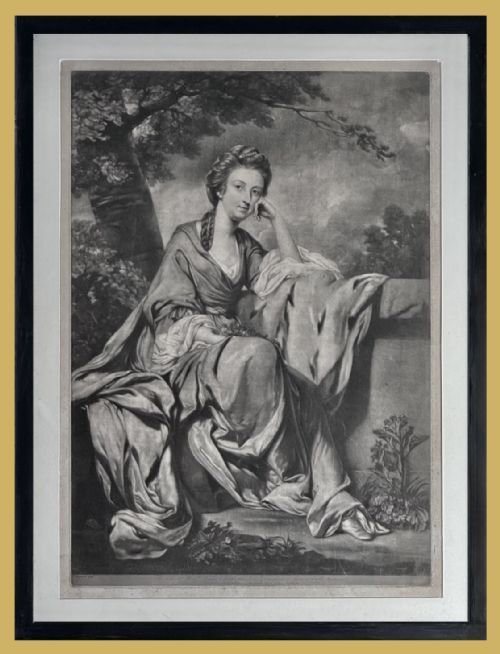
- A printmaking process where the copper plate is roughened to achieve rich dark tones and subtle tonal gradations. This technique was frequently used for reproducing portraits.
- Gesso
- A plaster-like mixture applied to wooden frames or panels as a base for gilding and paint. It provides a smooth surface for ornamental detailing.
- Sibyl
- A prophetic female figure from ancient Greek and Roman tradition, commonly depicted in classical painting. These figures often appear in pairs representing ancient wisdom.
- Neoclassical
- An artistic movement drawing inspiration from the art and culture of classical antiquity. It prioritises clarity of form, dignity and restrained composition.
Classical Figure Artwork: Frequently Asked Questions
What subjects define classical figure artwork?
These pieces focus on the human form through mythological narratives, historical allegories and academic life studies.
Subjects frequently include ancient deities, classical heroes and traditional portraits drawn from antiquity and Renaissance sources.
How were these framed historically?
Many works are housed in period giltwood frames constructed from wood and gesso.
These frames often feature ornate moulding that complements the classical style of the artwork within.
How do I care for antique works on paper?
Drawings and prints require protection from direct sunlight and high humidity to prevent fading and paper degradation.
Displaying them under UV-filtering glass helps preserve the delicate pigments and graphite.
How can I distinguish original drawings from prints?
Examining the surface under magnification reveals the presence of brush strokes, pencil lines or plate marks.
Originals show physical interaction with the medium on paper or canvas, whereas prints display dot patterns or inked lines from a printing matrix.