




Antique Mythological Painting
An antique mythological painting brings centuries of classical stories, gods, and heroes into a room through oil, canvas, and porcelain.
Antique Mythological Painting
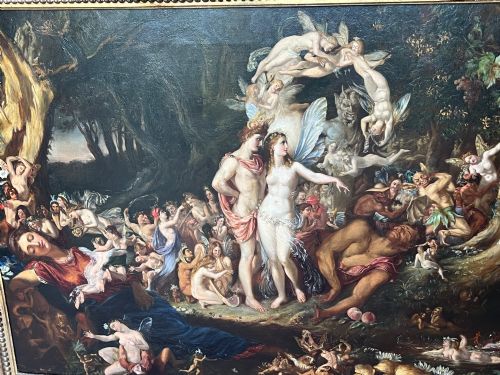
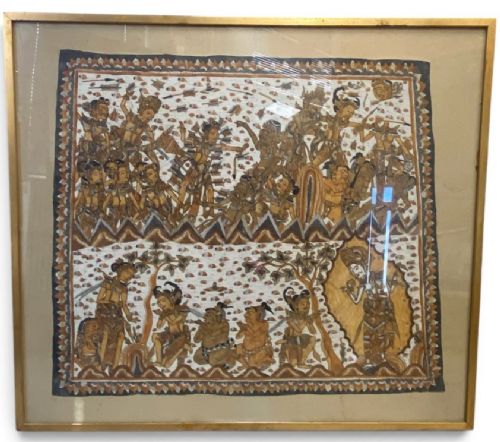
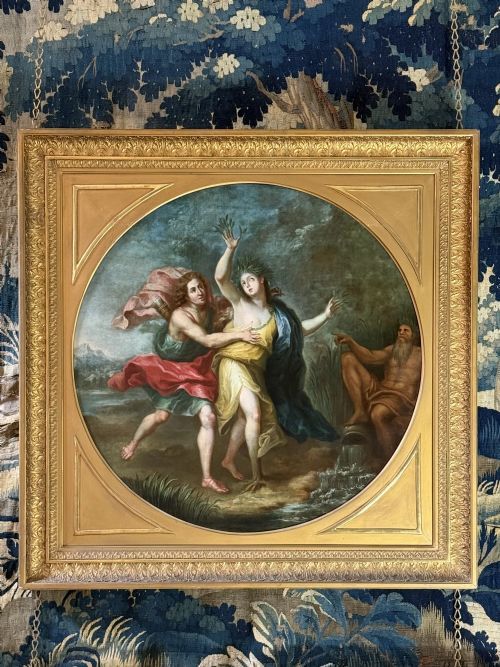
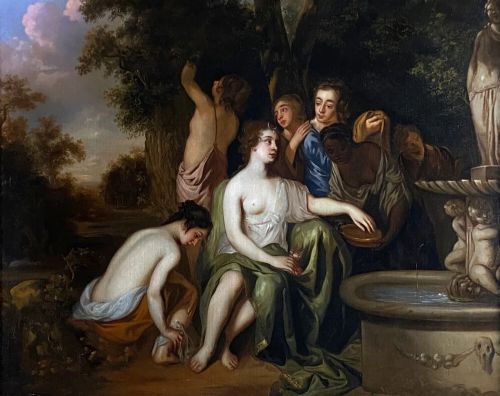
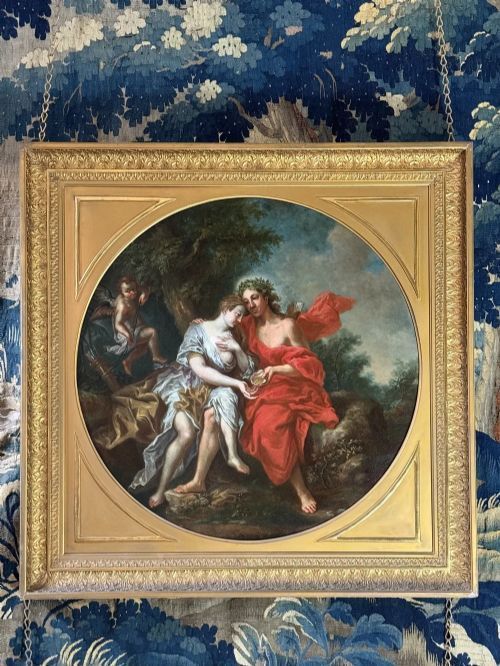
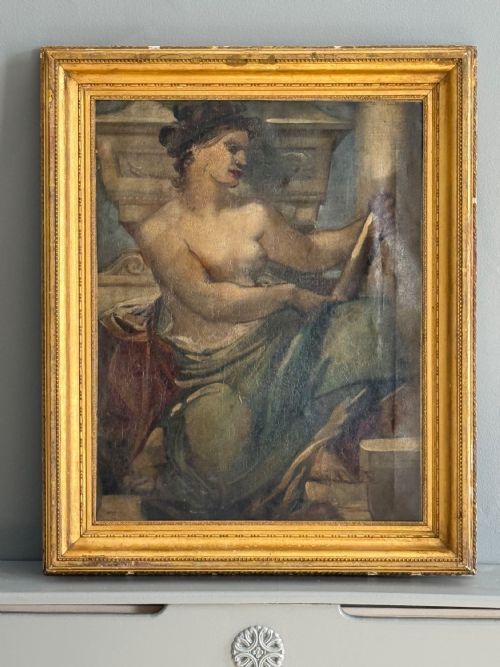
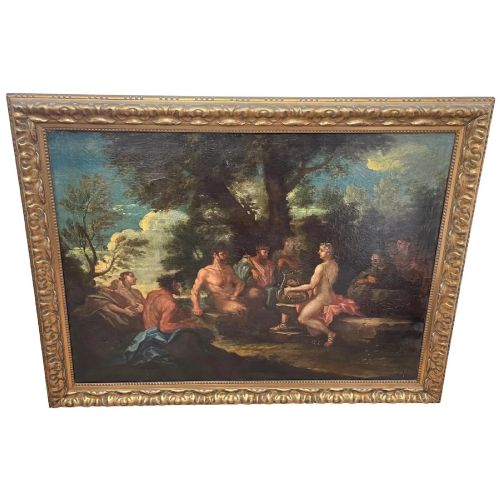
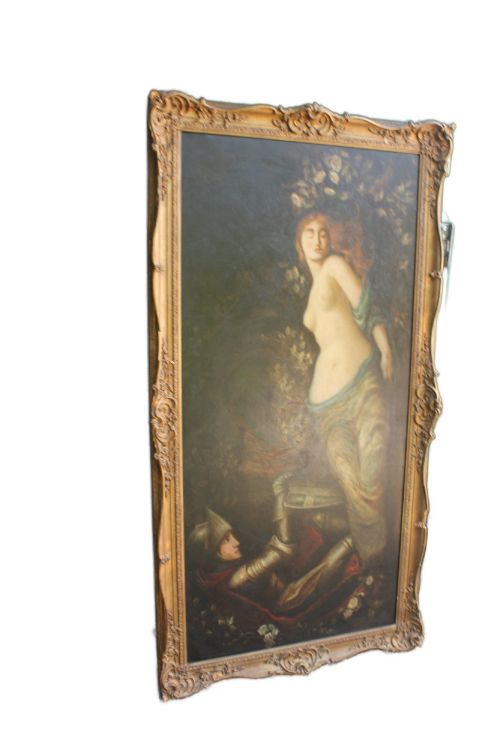
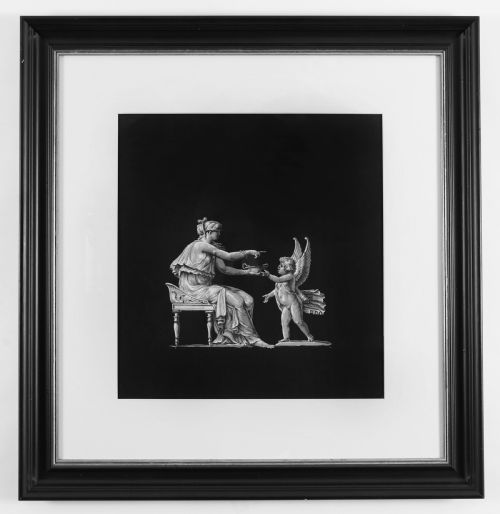
When you search for an antique mythological painting, you encounter canvases, panels, watercolours, and porcelain pieces depicting classical deities, cherubs, and legends. The selection spans centuries from the seventeenth century through the Victorian era, capturing tales of Venus, Apollo, Diana, and Ariadne.
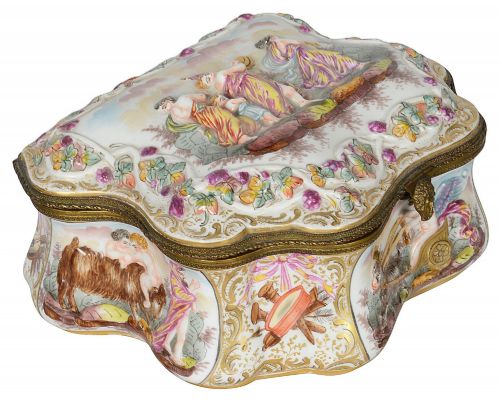
Oil on canvas and oil on panel dominate the works, often attributed to continental schools or followers of master painters. Alongside framed wall art, porcelain chargers, cabinet plates, and lidded urns carry hand-painted mythological scenes rendered in meticulous detail.
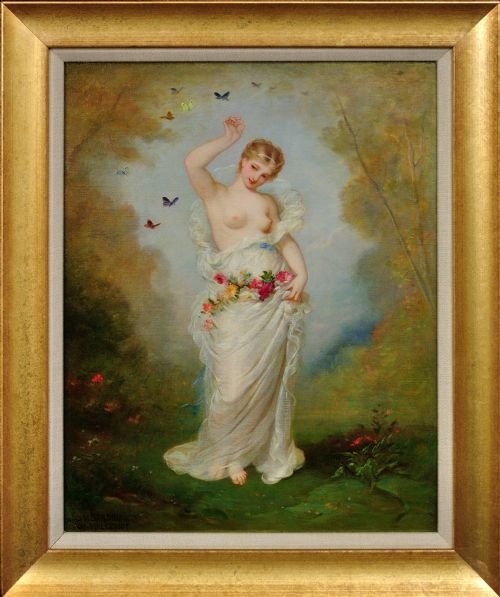
The aesthetic shifts from Baroque drama to Neoclassical restraint and French Academic romanticism. Whether searching for a large classical oil painting or a Vienna porcelain charger depicting the birth of Adonis, the works reflect enduring European fascination with classical literature.
What varies in quality
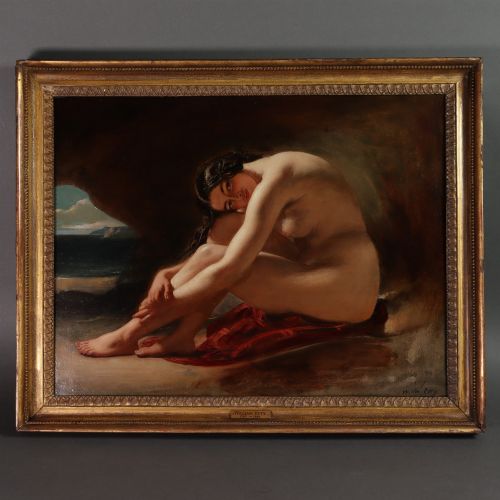
The execution of the human form and facial expression separates routine studio work from accomplished artistic output. Masterful handling of anatomy, drapery, and atmospheric light defines the top tier of canvas paintings.
On porcelain surfaces, the crispness of the enamel painting and the richness of the gilding determine the refinement of a cabinet plate or lidded urn. The depth of the colour palette and the precision of fine brushwork reflect the skill of the porcelain painter.
Object forms span large wall art, decorative plates, lidded urns, porcelain chargers, and water pitchers.
Sir Joseph Noel Paton·Charles Antoine Coypel·Sir Peter Lely·André Charles Voillemot·Antoine Calbet·William Etty·Cornelis Van Poelenburgh·Jean Baptiste Isabey·Peter Paul Rubens
The Antique Mythological Painting Glossary
- Oil on canvas
- Pigment suspended in a drying oil medium applied to a woven fabric support stretched over a wooden frame. This primary medium allowed artists to blend tones smoothly and achieve rich luminosity.
- Neoclassical
- A style originating in the mid-eighteenth century inspired by the art and culture of classical antiquity. It prioritises solemn composition, balanced proportions, and heroic subject matter.
- Cabinet plate
- A decorative ceramic plate intended for display in a cabinet rather than for dining. These pieces frequently feature detailed hand-painted mythological scenes surrounded by gilt borders.
- Giltwood
- Wood that has been treated with a thin layer of gold leaf or gold powder. It provides ornate framing for classical paintings and mirrors.
- Gouache
- An opaque water-based paint consisting of pigment, water, and a binding agent such as gum arabic. It allows for vibrant, flat areas of colour in works on paper.
Antique Mythological Painting: Frequently Asked Questions
What subjects appear most frequently?
The subjects draw heavily from Greek and Roman mythology, including figures like Venus, Apollo, Diana, and Cupid. Cherubs, nymphs, and scenes from classical literature also feature prominently across the works.
Artists frequently interpreted dramatic moments from poetry and legend, translating ancient tales into visual narratives suited for domestic display.
How do I identify the period?
Stylistic clues such as the dramatic chiaroscuro of seventeenth-century works or the softer romance of nineteenth-century academic painting help establish dates. Framing materials, canvas types, and porcelain factory marks provide further confirmation.
Examining the handling of the paint and the complexity of the composition offers insight into whether a piece belongs to the Baroque era or the later revival periods.
Were these painted as wall art?
While many examples are oil paintings intended for walls, mythological scenes also appear on functional and decorative items. Porcelain urns, chargers, and jewellery caskets frequently served as canvases for detailed enamel painting.
Wealthy patrons commissioned both framed canvases and painted porcelain garnitures to display their learning and taste in domestic interiors.
What is a Grand Tour painting?
Grand Tour paintings were acquired by young European travellers visiting cultural centres like Rome and Florence during the eighteenth and nineteenth centuries. These works often depicted classical figures, antiquities, and mythological scenes as souvenirs of their travels.
Such pieces reflect the educational journey undertaken by elites to experience classical art firsthand before returning home to decorate their estates.