

Oil Canvas Wall Art
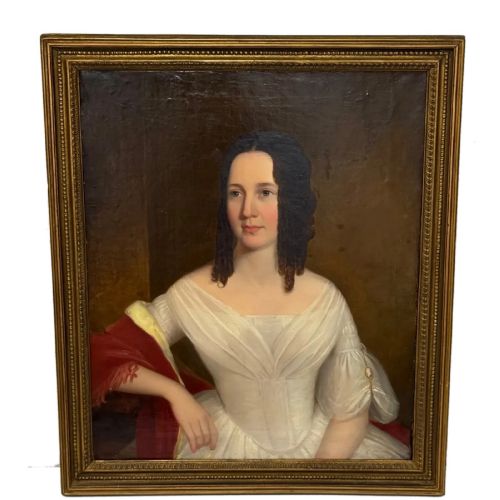
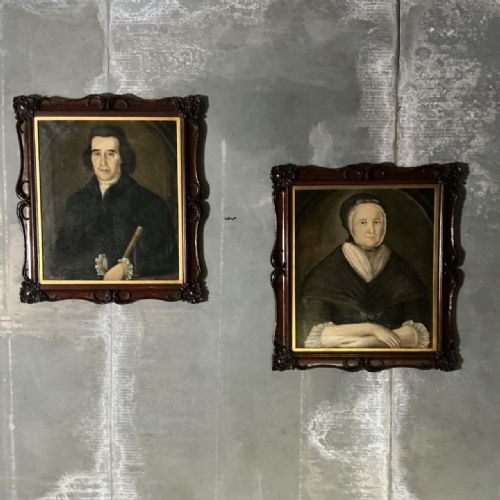
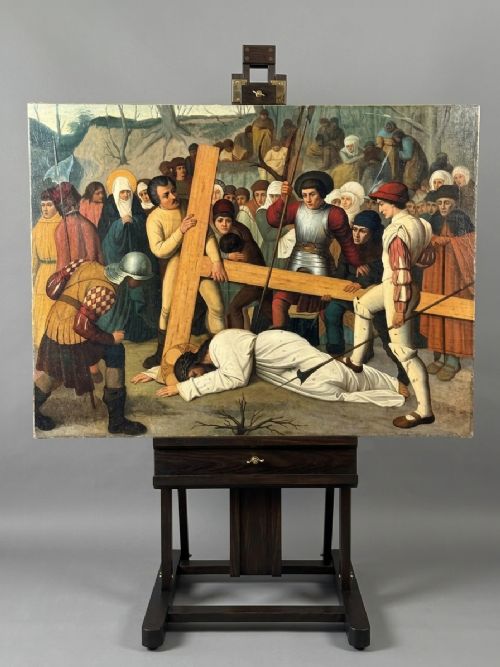
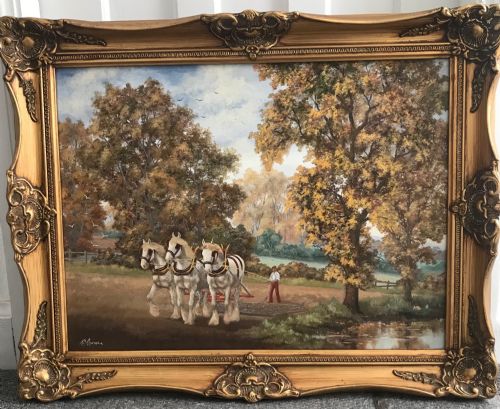
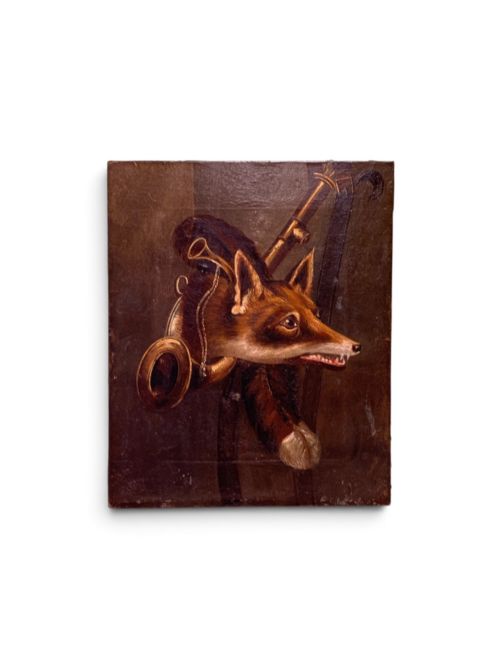
When you search for oil canvas wall art, you encounter centuries of pigment layered upon stretched textiles to capture portraits, landscapes, and historical scenes.
Oil Canvas Wall Art
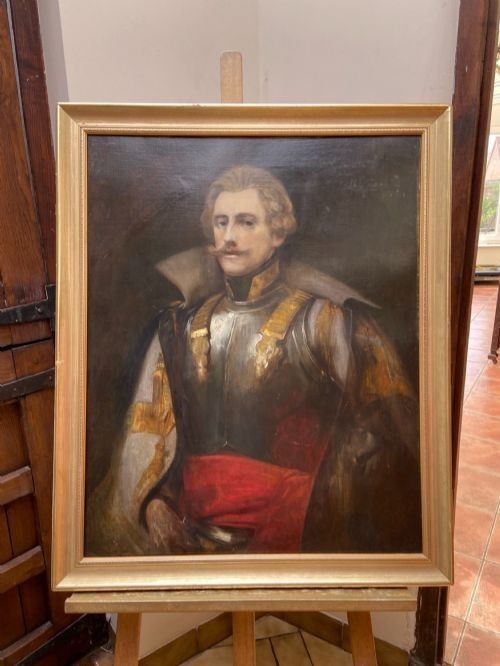
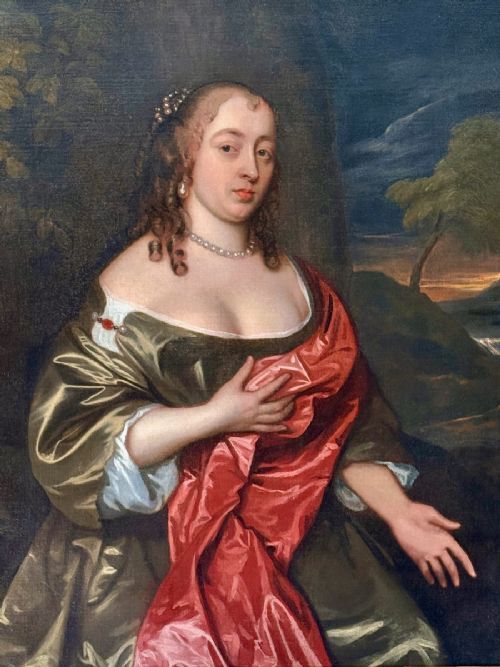
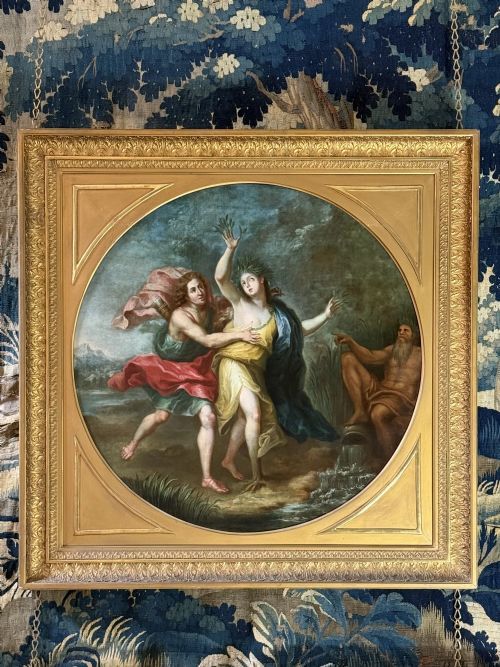
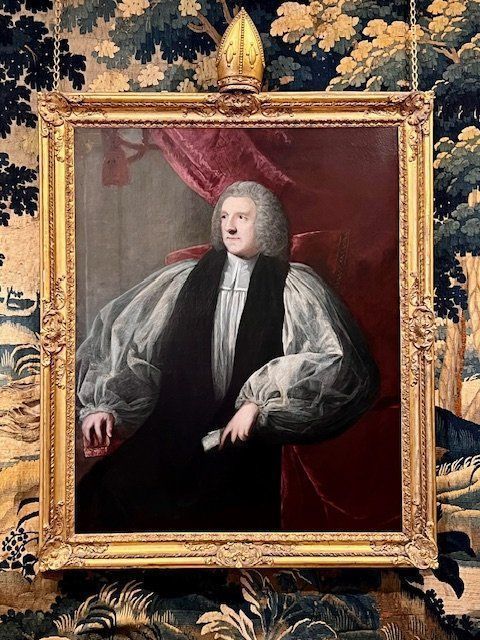
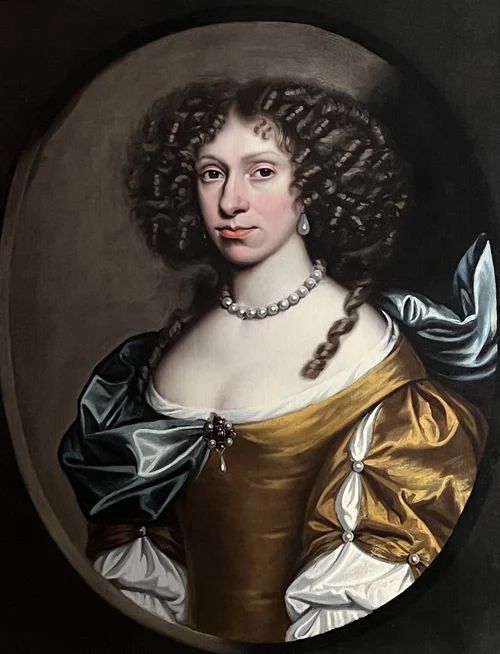
Oil canvas wall art encompasses centuries of painted works ranging from seventeenth-century portraits to mid-twentieth-century maritime scenes and still lifes. Buyers searching this phrase look for framed wall art and fine paintings that bring historical depth and figurative or landscape subjects into a room.
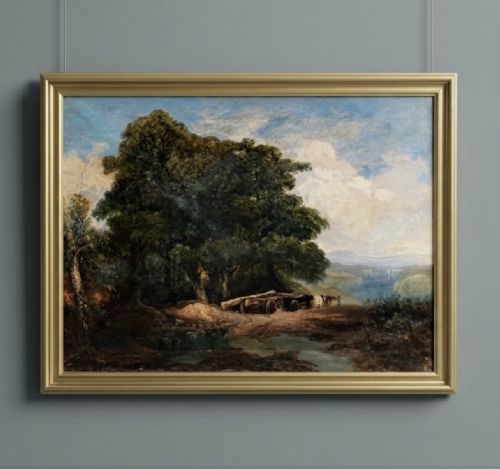
The selections span the seventeenth, eighteenth, and nineteenth centuries alongside later pieces from the 1910s, 1920s, 1950s, and 1960s. Portraiture dominates the early periods, while landscapes, maritime views, and still life compositions appear frequently across the Victorian and twentieth-century items.
How they were made
Makers applied oil paint to woven canvas, sometimes mounted on wood panels or stretched within wooden frames. Giltwood and gilt frames frequently enclose these pieces, providing a decorative border that complements the painted surface.
Artists utilised traditional brushwork and impasto techniques, building texture with oil paint and applying varnishes to seal the pigment. Some works employ vinyl canvas or board as a base support alongside standard woven textiles.
The listings on this site feature oil paintings from the 17th century through to the 1960s, executed on canvas, board, and vinyl canvas.
What varies in quality
Quality rests in the precision of the brushwork, the anatomical accuracy of portraits, and the atmospheric depth of landscapes. Master painters achieved nuanced facial expressions and natural light dynamics that lesser hands missed.
The handling of materials also distinguishes the work. Superior pieces display confident pigment application and well-preserved canvas tension, housed within period frames that match the age and origin of the painting.
John Hayls·Charles-Antoine Coypel·Sir Joshua Reynolds·Kenneth Cozens·Richard Sebastian Bond·David Scougall·William Beattie-Brown·Jozsef Molnar·Felix Stone Moscheles·Georges de La Tour·William H Myers·Sir Peter Lely·John Maler Collier·Dumini Leopoldo·Cornelis Van Der Voort·George Willison·Francois Boucher·Anthony Van Dyck·Eugène-Louis Gillot·John Horace Hooper·William McAlpine·Reginald Arthur Borstel·Michael Dahl·Thomas Murray·Sir Godfrey Kneller
The Oil Canvas Wall Art Glossary
- Impasto
- A technique where oil paint is laid thickly on the canvas, standing out from the surface to create a tactile texture. This method allows the artist's brush marks to remain visible.
- Giltwood
- Wood carved and covered with a thin layer of gold leaf or gold paint. Frames made from this material frequently surround traditional oil paintings.
- Still life
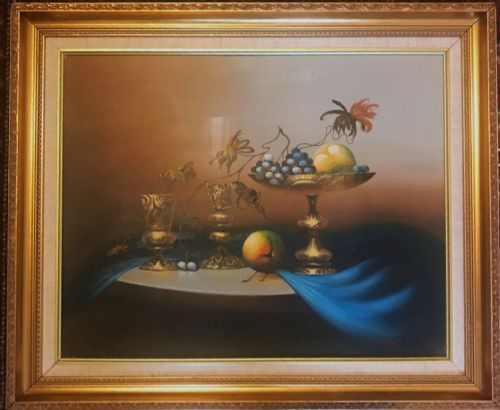
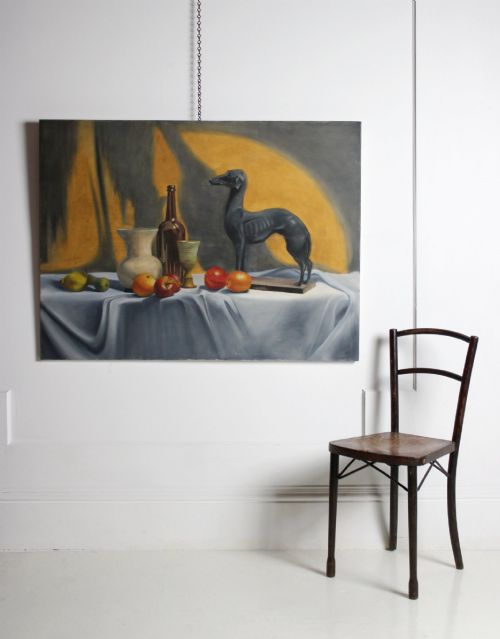
- An artwork depicting mostly inanimate subject matter, typically everyday objects such as fruit, flowers, or domestic items. These compositions focus on arrangement and lighting.
- Provenance
- The chronology of the ownership, custody, or location of a historical painting. Clear documentation adds context to portrait subjects and landscape locations.
Oil Canvas Wall Art: Frequently Asked Questions
How do I identify a seventeenth-century portrait?
Seventeenth-century portraits typically feature stiff collars, dark backgrounds, and formal clothing styles associated with nobility or gentry. Artists of this era utilised restrained colour palettes and formal poses.
Examination of the canvas weave and stretcher frame often supports the period attribution. Signatures or recorded provenance in historical archives also help confirm the era.
Where should I hang an oil painting?
Oil paintings require stable indoor environments away from direct sunlight and extreme temperature fluctuations. Placing them on interior walls protects the canvas and pigment from environmental stress.
Adequate wall space allows the frame, whether simple wood or ornate giltwood, to complement the surrounding room. Proper lighting enhances the texture of the oil paint without generating excessive heat.
What is the difference between a landscape and a seascape?
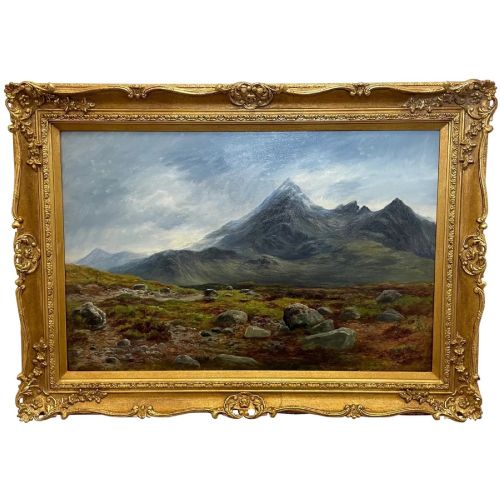
Landscapes focus on terrestrial scenes such as woodlands, agricultural fields, mountains, and rivers. Artists like William H Myers and Richard Sebastian Bond captured these natural British settings.
Seascapes concentrate on marine environments, coastal views, and maritime vessels. Works by artists such as Reginald Arthur Borstel depict ships and coastal waters rather than inland terrain.
How are copies distinguished from original period works?
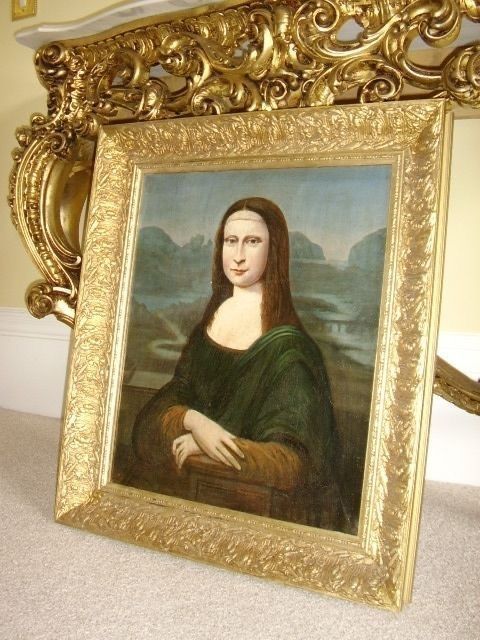
Copies and derivative works, such as depictions after Leonardo Da Vinci or Anthony Van Dyck, usually record secondary interpretations created in later periods. Brushwork analysis and material testing reveal whether a piece is contemporary to its stated century.
Stylistic cues and framing details further clarify the distinction between an original composition and a later tribute or study.