




Antique Landscape Canvas Picture
An antique landscape canvas picture brings the depth of nineteenth and early twentieth century countryside or coastal views directly onto your wall.
Antique Landscape Canvas Picture
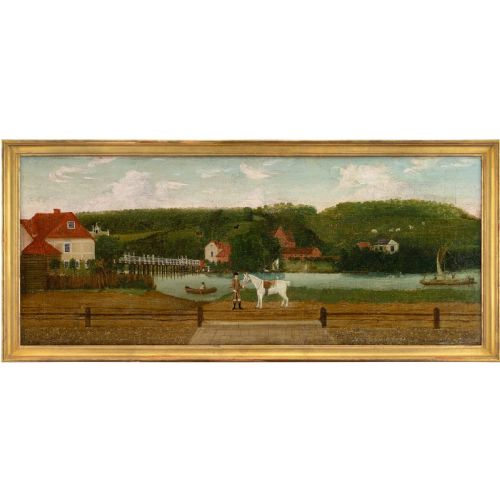
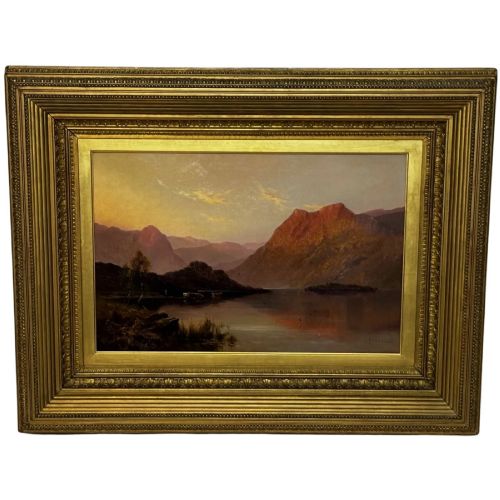
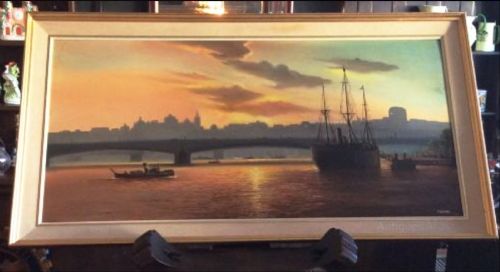
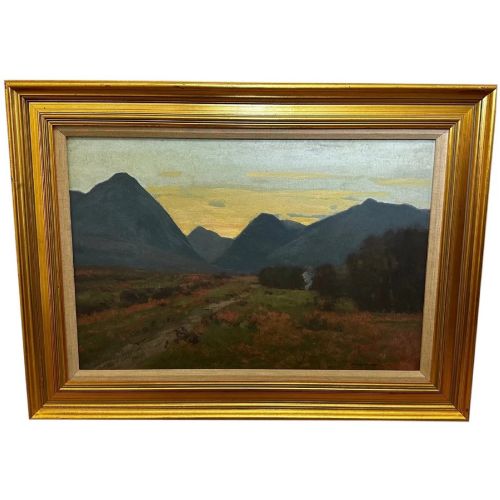
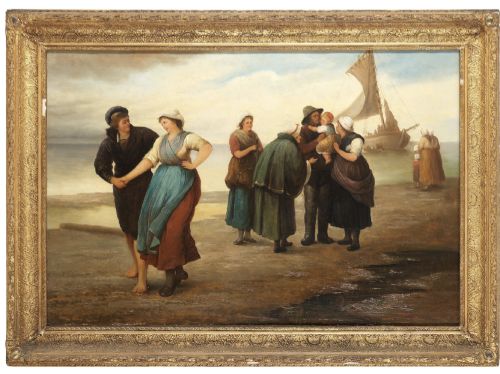
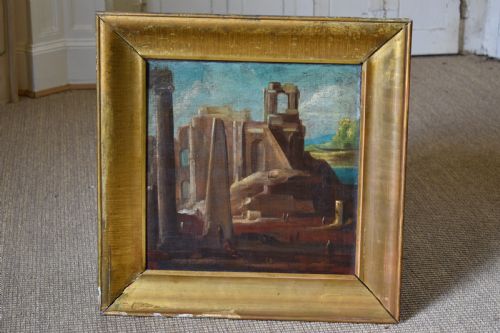
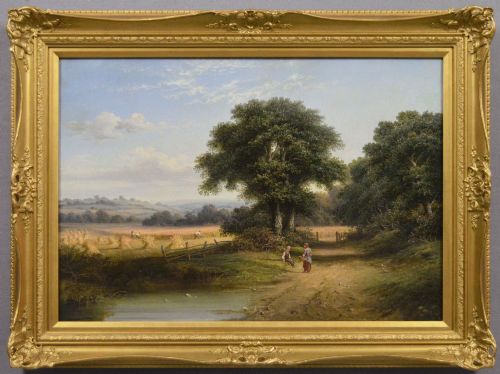
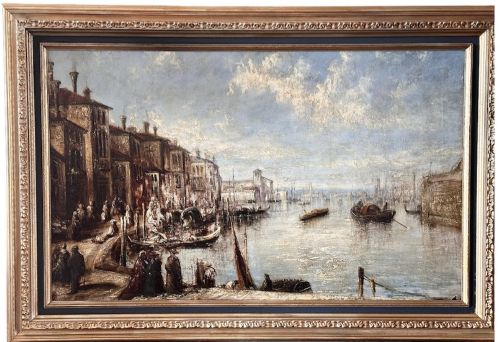
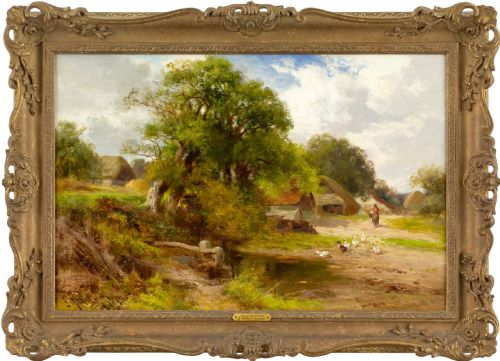
An antique landscape canvas picture represents a painted view executed in oil paint upon woven fabric, capturing rural scenes, river vistas, maritime stretches, and pastoral livestock. These works span the Victorian, Edwardian, and nineteenth-century periods, alongside French, Dutch, and British schools.
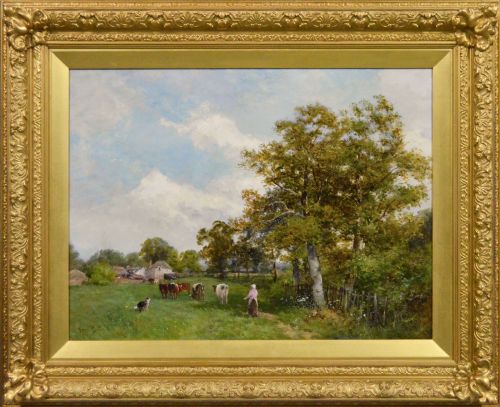
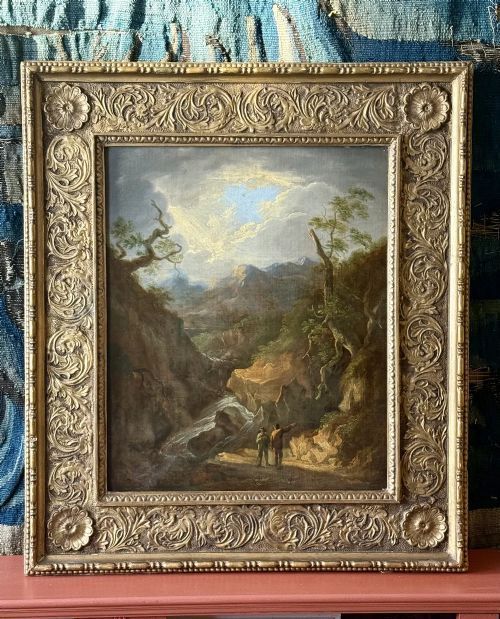
The version most commonly met on this page is an oil painting on canvas housed in a timber or gilt frame, depicting wooded settings, agricultural harvests, or mountainous topography. Such pieces reflect regional nineteenth-century realism and British impressionism.
Buyers select these artworks to anchor a room with period character, presenting historical views of lakes, bridges, coastal shores, and country lanes rendered by named painters and regional schools.
How they were made
Artists built these works using oil paint applied to prepared woven canvas stretched over wooden frames, often securing the fabric with tacks along the reverse or sides. Pigments were blended to capture atmospheric morning light, shadows in woodland, and the movement of water.
Surrounding the canvas, makers constructed wooden frames finished with plaster gesso layers and gilt leaf, occasionally incorporating swept or moulded ornamentation to complement the composition of the painted scene.
Several paintings capture cows resting in woodland, proving that nineteenth-century cattle enjoyed a proper view.
What varies in quality
Quality rests in the handling of brushwork and the precision of perspective, where master painters define depth, foliage, and natural light with distinct confidence. Lesser examples rely on repetitive application and rigid composition without atmospheric nuance.
The preservation of the pigment layer and the integrity of the original canvas support influence desirability. Works retaining their period giltwood frames without heavy restoration stand closer to the top of the range.
William H Myers·Alfred Fontville de Breanski Jr·George Houston·David Bates·Benjamin Barker of Bath·Walter Heath Williams·Francis Moltino·John Horace Hooper·Harald Foss·John Hodgson Lobley·Albert Rieger·Charles Leslie·Henry Yeen King·Robert Watson·William Greaves·Henry Schouten·Sydney Yates Johnson·John Emms·John Ferneley Senior·Charles Clair·Charles William Wyllie·Charles H Passey
The Antique Landscape Canvas Picture Glossary
- Gesso
- A plaster mixture applied to wooden picture frames before gilding, providing a smooth base for detail work. It hardens over time and can show fine craquelure.
- Oil on Canvas
- A medium consisting of pigmented oil paint applied to a stretched woven textile support. This combination allows for rich blending and textured impasto surface effects.
- Giltwood
- Timber carved and coated with gold leaf or metallic powder, frequently used for nineteenth-century picture frames. The finish catches ambient light to accentuate the painting within.
- Impressionism
- An art style characterised by relatively small, thin yet visible brush strokes and an emphasis on accurate depiction of light. It emerged strongly in European painting during the nineteenth century.
- Provenance
- The documented history of ownership of an art object, helping to confirm its origin and authenticity. A clear paper trail adds context to nineteenth-century canvases.
Antique Landscape Canvas Picture: Frequently Asked Questions
How do I date an antique landscape canvas?
Dating relies on examining the stretcher frame, canvas weave, and the style of the brushwork alongside any signatures or biographical dates of the artist.
Framing methods and canvas stamps from nineteenth-century suppliers also provide reliable chronological markers for these paintings.
Where were these landscape paintings produced?
These works originate from British, French, Dutch, and Scandinavian regional schools, reflecting local topography and rural life.
Artists frequently travelled to specific rural valleys, coastal ports, and mountainous regions to paint directly from nature.
How should I hang an oil painting?
Hang the canvas on a sturdy interior wall away from direct sunlight and steady heat sources to protect the oil pigments and gesso frame.
Use appropriate picture hooks rated for the combined weight of the canvas and its heavy wooden frame.
What subjects are most common?
Common subjects include pastoral scenes with livestock, woodland rivers, harvest fields, and coastal marine views with shipping vessels.
Artists of the period focused heavily on the changing moods of British and European countryside weather.