





Carved Gold Frame Painting
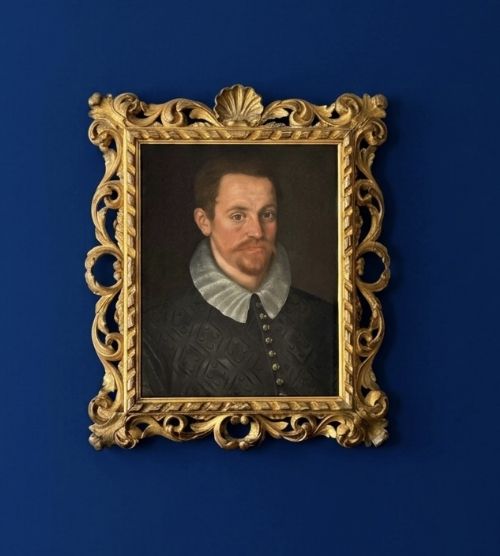
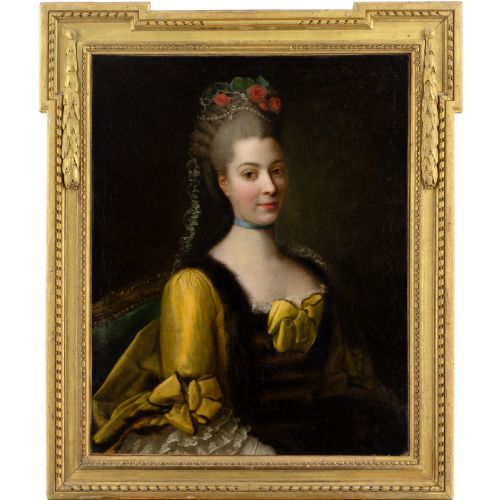
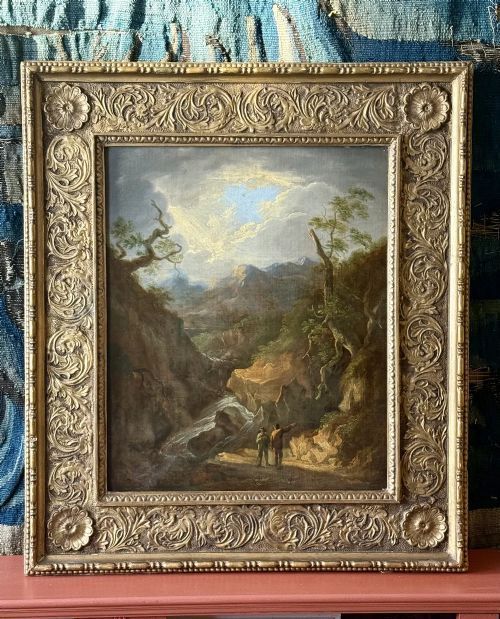
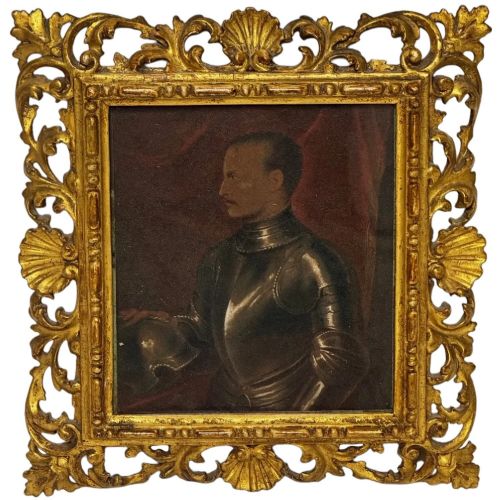
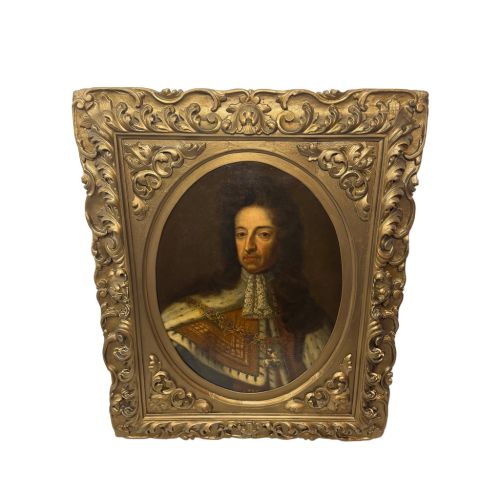
When you search for a carved gold frame painting, you are looking at centuries of oil portraiture and landscape bound in luminous giltwood.
Carved Gold Frame Painting
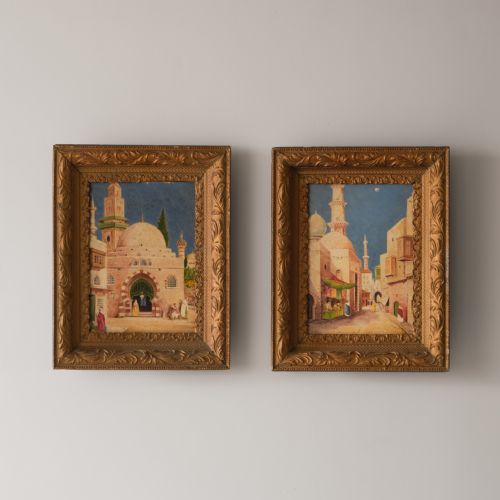
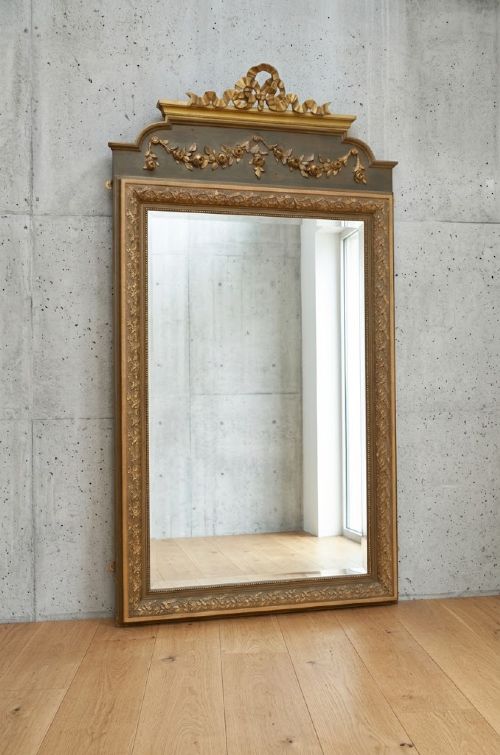
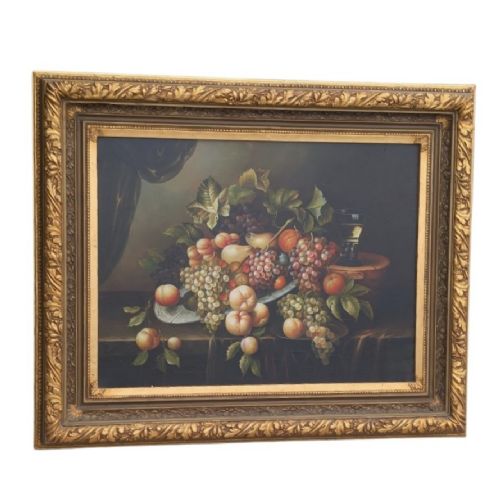
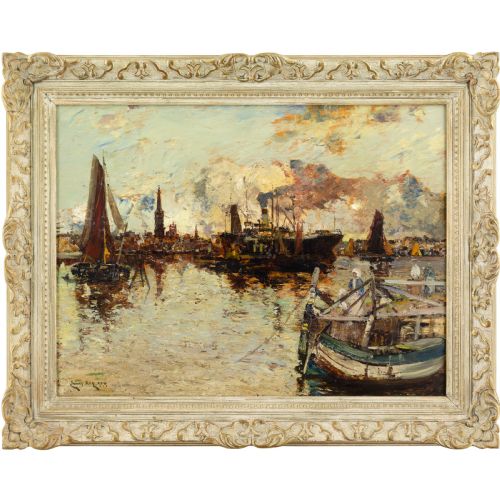
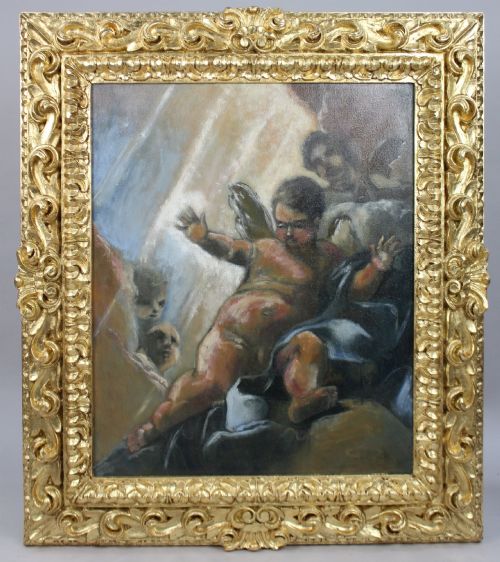
A carved gold frame painting combines historical oil on canvas artwork with ornate wooden surrounds finished in gold leaf or gesso. You will encounter portraits from the seventeenth and eighteenth centuries alongside nineteenth-century landscapes and decorative mirrors.
The selections span English, French, Italian, and Spanish schools, ranging from formal aristocratic portraits to intimate religious studies. Many pieces pair fine art with period frames that reflect Georgian, Baroque, or Victorian aesthetics.
How they were made
The physical objects rely on oil paint applied to stretched canvas, mounted within timber structures built from carved wood and gesso. Artisans shaped the wooden mouldings by hand before applying layers of gold leaf or paint to achieve a brilliant metallic sheen.
Giltwood and gold leaf techniques required meticulous preparation of the gesso base to ensure the metal adhered smoothly. This traditional craftsmanship united painterly skill with sculptural woodwork to create a unified decorative object.
Listings feature works spanning from the sixteenth century through to the mid-twentieth century, executed in oil on canvas.
What varies in quality
The distinction between tiers rests upon the depth of hand-carving in the wooden frame and the anatomical precision of the oil painting. Superior examples exhibit intricate relief work on the gesso and accomplished brushwork that captures light and texture convincingly.
Condition and originality also dictate the standing of a piece, particularly where the original gilding remains intact rather than heavily restored. Harmony between the artwork and its period surround elevates the overall integrity of the object.
Sir Godfrey Kneller·Thomas Murray·Benjamin Barker of Bath·Thomas Hudson·Nicolaes Maes·Sir Joshua Reynolds
The Carved Gold Frame Painting Glossary
- Giltwood
- Wood that has been coated with gold leaf or gold paint. This technique was widely utilised across centuries to give carved frames a rich metallic appearance.
- Gesso
- A plaster-like mixture applied to wood as a base for gilding or painting. It allowed artisans to carve crisp decorative details onto picture frames before applying gold leaf.
- Trumeau
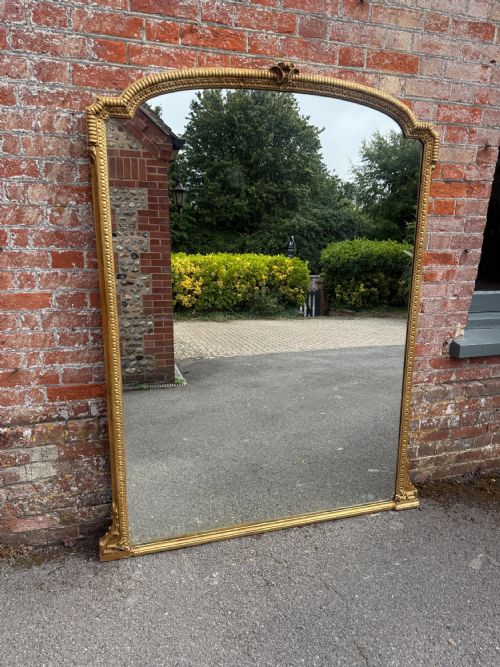
- A decorative wall mirror or panel often integrated into period interior architecture. These pieces frequently feature carved frames and painted scenes above the glass.
- Doublet
- A close-fitting padded jacket worn by men during the Renaissance and seventeenth century. It frequently appears as a marker of period dress in early oil portraits.
Carved Gold Frame Painting: Frequently Asked Questions
How do I identify the period of a carved gold frame painting?
Dating relies primarily on the style of the wood carving, the profile of the gesso moulding, and the costume or painting technique seen on the canvas. Early seventeenth-century frames often display simpler geometric or strapwork profiles, whereas eighteenth-century examples lean towards elaborate rococo curves and organic motifs.
Examining the reverse of the canvas and the construction of the wooden stretcher bars offers further clues regarding age. Comparing the stylistic traits of the giltwood frame with documented periods like the Georgian or Victorian eras helps confirm the timeline.
Are the paintings and frames usually original to each other?
Many historical oil paintings have remained within their original surrounds for centuries, particularly when commissioned together as a unified decorative statement. However, it was also common for artworks to be reframed in later periods to match changing interior tastes.
Checking for consistent wear between the canvas and the giltwood frame can indicate whether they share a long history together. Traces of old rebate marks or matching patination often confirm that a painting has occupied its frame for generations.
How should I care for a giltwood frame and oil painting?
Preserving these objects requires stable indoor humidity and protection from direct sunlight to prevent the canvas from drying and the gesso from cracking. Dusting the carved giltwood gently with a soft, dry brush prevents particulate build-up without disturbing the delicate gold leaf.
Avoid using liquid cleaners or chemical polishes on either the oil paint or the gilded surfaces. Professional conservation is recommended for any structural repairs to the wooden frame or remedial work on the canvas.
What subjects are most common in these antique paintings?
Portraiture dominates the earlier centuries, featuring aristocrats, officers, and gentlefolk rendered in oil on canvas with detailed period attire. Religious subjects, including depictions of the Madonna and Child, also appear frequently among sixteenth and seventeenth-century European schools.
Later periods introduce landscapes, botanical studies, and genre scenes alongside decorative wall mirrors and trumeau panels. Each subject reflects the prevailing artistic conventions and patronage of its respective era.