




Expressionist Female Portrait
An expressionist female portrait captures character through bold brushwork and emotive colour, offering collectors an intimate glimpse into twentieth-century artistic experimentation.
Expressionist Female Portrait
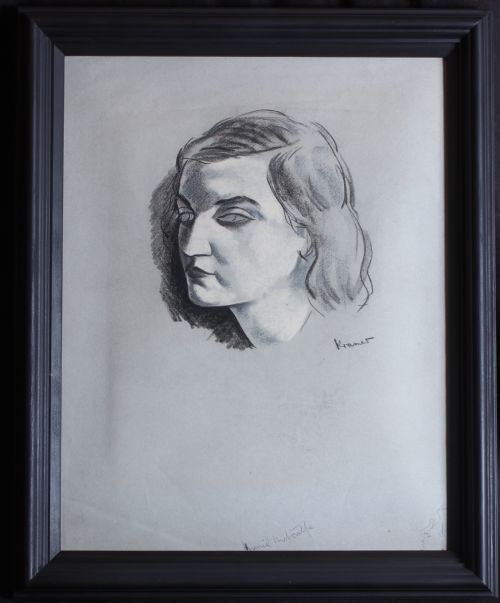
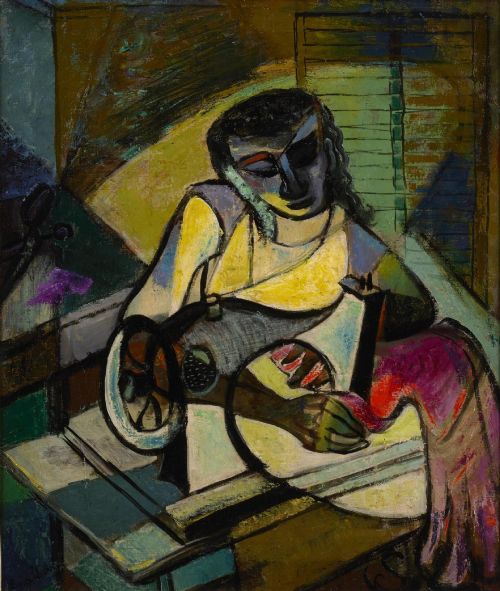
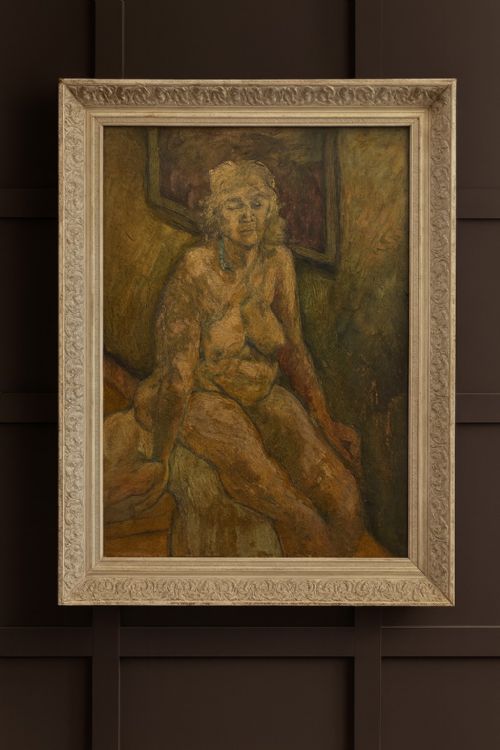
When you search for an expressionist female portrait, you encounter compelling studies of women created across several decades of the twentieth century. The selection typically includes oil paintings on canvas or paper, ranging from intimate sketches to framed works executed in the nineteen-twenties, thirties, forties, fifties and sixties.
These works emerge from diverse European and British artistic circles, reflecting movements such as modern british figurative, cubism, art deco and mid-century modernism. You are most likely to meet pieces produced in the nineteen-thirties and nineteen-fifties, capturing female subjects with raw immediacy and psychological depth.
How they were made
Artists built these compositions primarily using oil paint applied to canvas, wood, paper or board, occasionally supplemented with charcoal. The physical application of pigment forms the core of the technique, utilising visible brushstrokes and energetic handling to convey mood rather than photographic likeness.
Support materials varied from stretched canvas and heavy paper to panels and boards, sometimes housed within period frames finished in gilt plaster. The interaction between the chosen medium and the ground dictates the tactile quality of each piece.
One recorded portrait captures a feline companion sharing the spotlight with a reclining nude.
What varies in quality
The distinction between standard works and masterworks rests on the confidence of the line and the psychological resonance of the subject. Stronger pieces demonstrate a complete command of paint handling where every stroke contributes to the presence of the woman portrayed.
Compositional ambition and the clarity of the artistic vision separate routine studio output from exceptional examples. A superior work achieves a striking balance between abstraction and representation, holding the viewer's attention through sheer painterly authority.
Jean Hippolyte Marchand·Pinchus Krémègne·Bernard Meninsky·Raymond Arthur Roadnight
The Expressionist Female Portrait Glossary
- Expressionism
- A modernist movement where artists prioritized emotional experience over physical reality. Distortion of form and intense colour are typical methods used to evoke subjective moods.
- Cubism
- An early twentieth-century avant-garde style that revolutionized European painting. It broke subjects down into geometric planes and multiple simultaneous viewpoints.
- Canvas
- A heavy woven fabric used as a surface for oil painting. It is typically stretched tightly over a wooden frame before application.
- Gilt plaster
- A decorative surface coating applied to picture frames. It involves a layer of gold leaf or metallic paint over moulded plaster ornament.
- Figurative
- Art that retains strong references to the real world and particularly the human figure. It distinguishes these character studies from abstract works lacking a recognizable subject.
Expressionist Female Portrait: Frequently Asked Questions
How do I date an expressionist female portrait?
Dating relies on stylistic markers, materials such as canvas or paper support, and any accompanying signatures or documentation from the period. Mid-century works often display distinct modernist framing and pigment characteristics.
Comparison with documented handling from artists working in the twenties through to the sixties provides further chronological context.
Where should I hang a framed portrait?
Choose a wall with stable ambient conditions away from direct sunlight to protect oil paint and paper supports from fading or degradation. Adequate room lighting allows the bold brushwork and colour relationships to be appreciated fully.
Consider eye-level placement in a living space or study where the psychological intensity of the subject can be engaged at close quarters.
What is the difference between oil on canvas and oil on paper?
Oil on canvas offers a traditional textured ground that absorbs and holds thick applications of pigment with structural resilience. Oil on paper provides a smoother, often more immediate surface that reveals rapid gestural marks.
Both mediums were utilised extensively by twentieth-century artists depending on whether the piece was conceived as a finished exhibition work or an intimate study.
How do I care for a vintage oil painting?
Maintain a consistent indoor temperature and humidity level to prevent warping in wooden panels, stretchers and canvas supports. Dust the surface very gently with a soft, dry brush without applying pressure to the pigment.
Avoid using liquid cleaners or chemical solvents on the paint layer, consulting a professional conservator if deeper cleaning becomes necessary.