


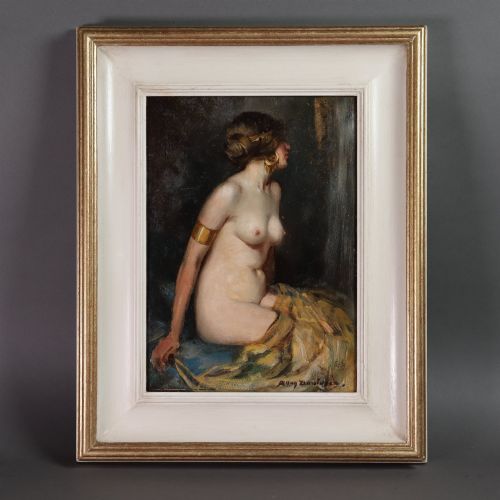


Vintage Nude Oil Painting
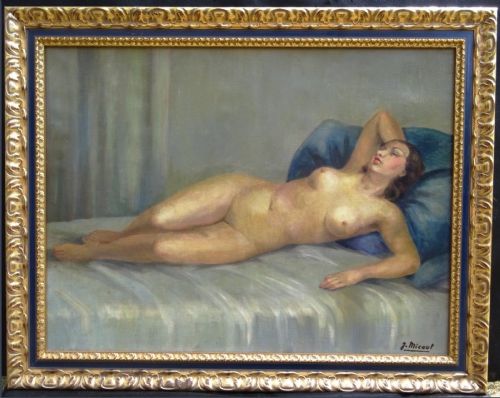
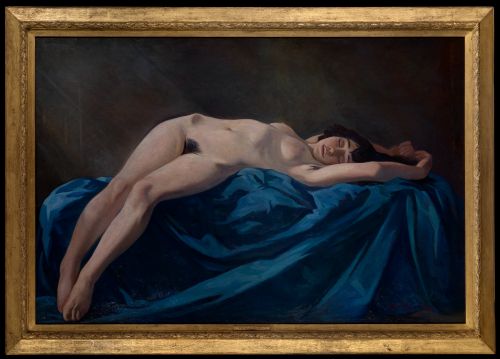
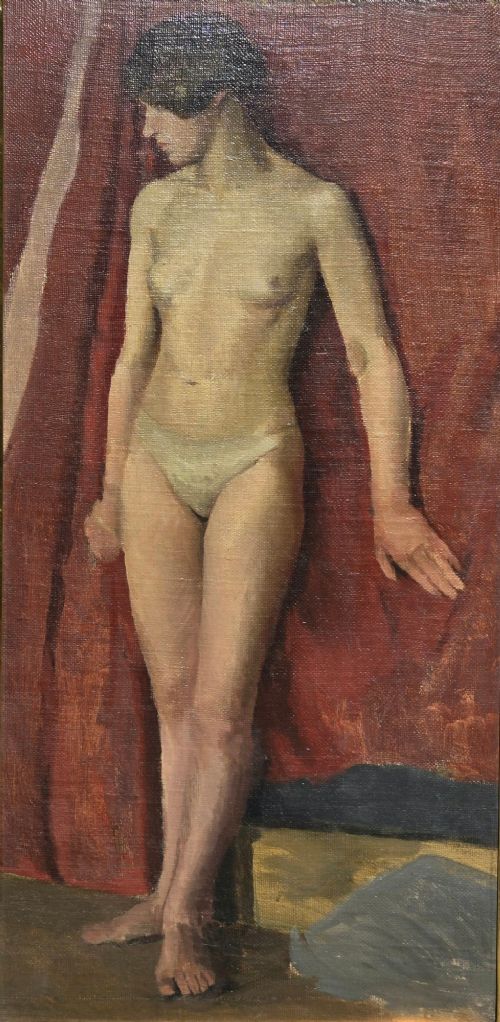
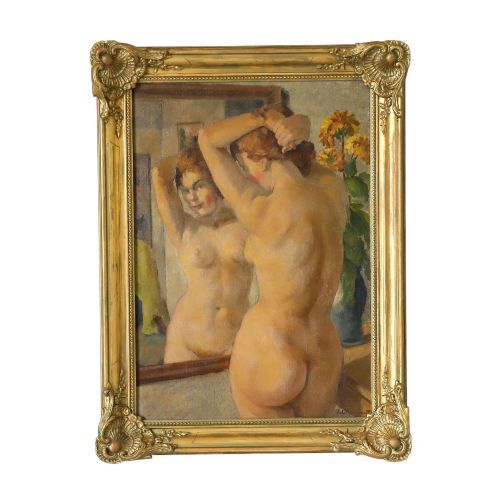
A vintage nude oil painting captures the human form through twentieth-century eyes, offering collectors an intimate glimpse into historical figure studies.
Vintage Nude Oil Painting
A vintage nude oil painting represents a sustained tradition of figure study, ranging from early twentieth-century academic exercises to post-war expressionist canvases. When searching for a vintage nude oil painting, buyers encounter works spanning from the Edwardian era through the mid-century period, with strong representation from French and British studios.
The subjects appear in various settings, including bohemian interiors, quiet riverbanks, and stark studio spaces. These compositions bridge classical anatomical interest with the shifting modernist sensibilities of the decades in which they were produced.
How They Were Made
Artists painted these works primarily using oil paint applied to stretched canvas, wooden board, or prepared paper. The support material often dictates the texture and weight of the surviving piece, with traditional wooden stretchers and canvas grounds predominating in earlier works.
Gilt frames frequently accompany these paintings, providing a distinct boundary for the composition. The application of pigment ranges from smooth academic blending to thick, expressive brushwork characteristic of mid-century movements.
Vintage Nude Oil Painting Retail Price Guide 2026
Typical asking prices for vintage nude oil painting among the pieces listed under this phrase on Sellingantiques today, from the lower quarter to the upper quarter. They describe what is for sale here now, not the wider market.
The listings encompass oil paintings created across multiple decades, utilising canvas, wood, and board supports within various modernist styles.
What Varies in Quality
Quality rests upon the artist's command of anatomy, light, and shadow to convey volume and presence within the painted space. Superior works demonstrate a confident handling of pigment that brings immediacy to the human form, moving beyond mere mechanical replication.
The integrity of the physical materials also distinguishes individual pieces. Well-preserved canvas tension, stable paint layers, and sympathetic framing contribute significantly to the enduring visual impact of a composition.
Eric Robertson·Philippe de Rougemont·Margaret Maitland Howard·Raymond Moritz·Tony Giles·Henri Vincent-Anglade·Alexandre Louis Martin·Gaetan Dumas·Allan Douglas Davidson·James Clark·Jean Hippolyte Marchand·Pinchus Kremegne·Yetta Kane·Raymond Arthur Roadnight·Louis Georges Bouche
The Vintage Nude Oil Painting Glossary
- Chiaroscuro
- The strong contrast between light and dark areas within a painting. This technique helps define the three-dimensional volume of the human body against a shadowed background.
- Post-Impressionism
- An artistic movement following impressionism that rejected strict naturalism in favour of bolder colours and expressive forms. Many twentieth-century figure studies draw directly from these liberated methods.
- Academic Realism
- A style of painting produced under the influence of European academies of art. It prioritises precise anatomical accuracy, smooth finishes, and traditional compositional rules.
- Fauve
- A descriptor for works associated with early twentieth-century painters known for wild, vibrant brushwork and non-naturalistic colour choices. Such pieces treat the human subject with bold emotional intensity.
- Iminist
- A style focusing on domestic interior scenes captured with soft, intimate lighting. These works portray models resting in quiet, private spaces.
Vintage Nude Oil Painting: Frequently Asked Questions
What periods do these paintings cover?
The available selection spans from the Edwardian era and the nineteen-tens through to the nineteen-sixties. This covers distinct shifts in artistic approach across the twentieth century.
Earlier pieces often reflect academic or impressionist tendencies, while later examples embrace mid-century expressionism and modern British styles.
How should I care for an oil painting on canvas?
Keep the artwork away from direct sunlight and significant fluctuations in temperature and humidity. These precautions prevent the canvas and oil pigments from cracking or warping over time.
Dust the surface gently with a soft, dry brush when necessary, avoiding any liquid cleaners or harsh solvents.
Are most of these works signed by the artist?
Many examples feature signatures, monograms, or studio stamps left by the painter. Attribution is sometimes supported by exhibition records or academic listings.
Unsigned works also appear, often categorised by period or regional school when specific authorship remains unrecorded.
What support materials were commonly used?
Artists utilised oil paint on traditional woven canvas, sturdy wooden boards, and heavy paper supports. The choice of medium often aligns with the period and the artist's working method.
Canvas laid onto board also appears among mid-century works, offering additional structural support to the painted surface.