

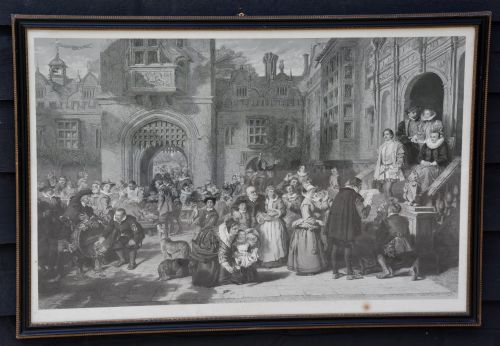
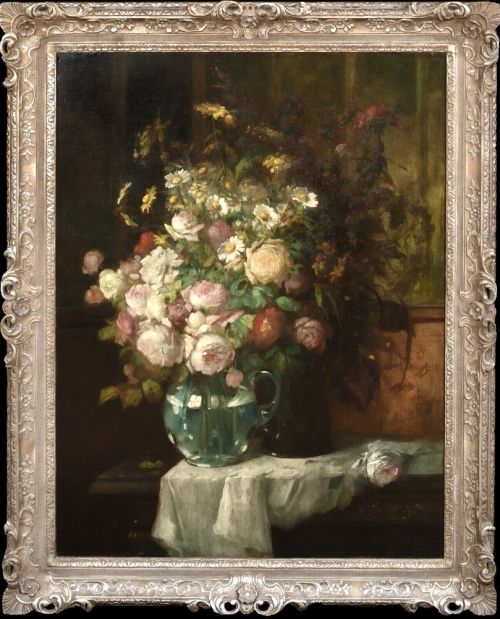
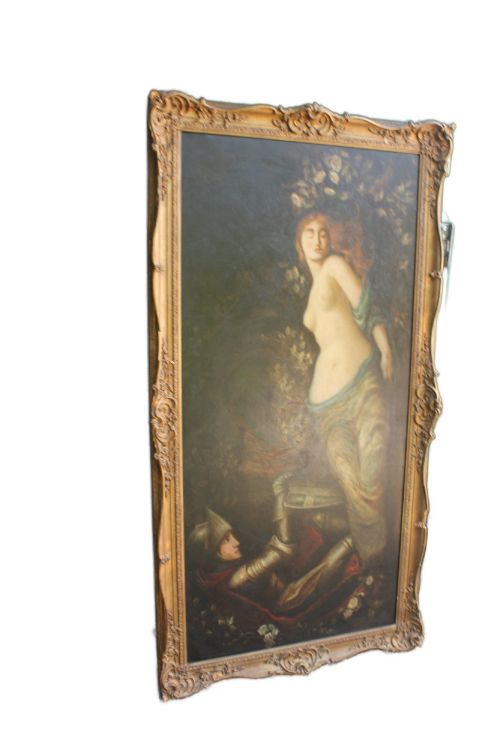
Large Victorian Framed Art
Large Victorian framed art brings substantial nineteenth-century presence to a wall through oil paintings, watercolours, and engravings housed in heavy period surrounds.
Large Victorian Framed Art
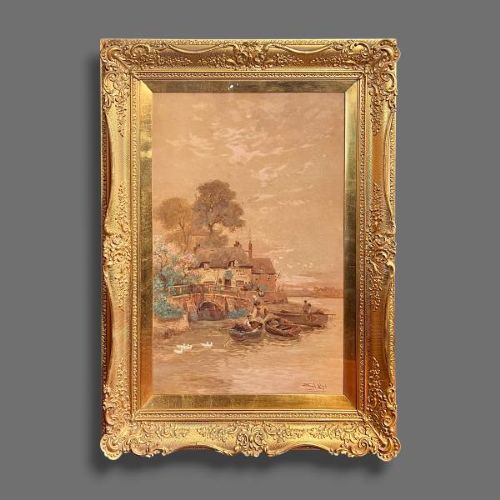
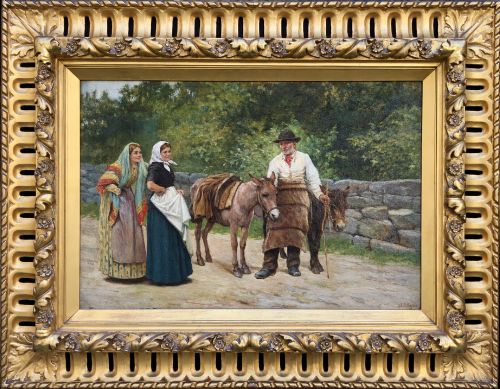
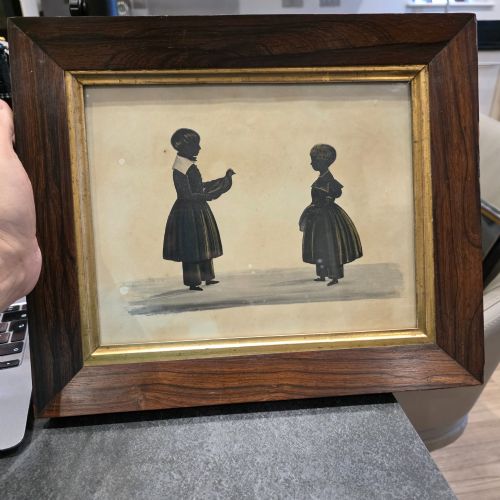
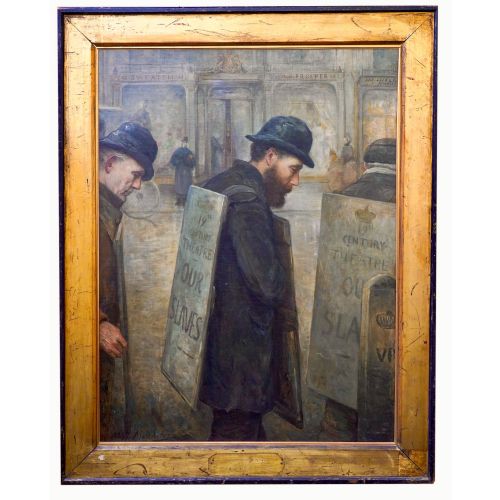
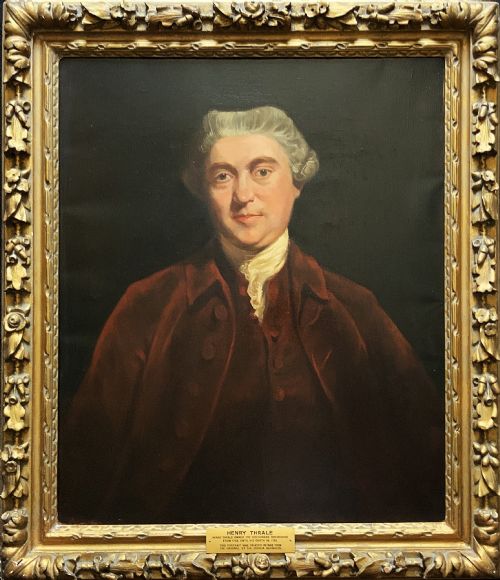
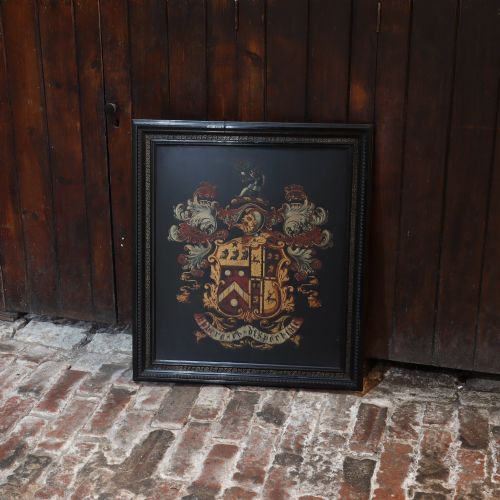
When you search for large victorian framed art, you encounter ambitious nineteenth-century visual culture designed for domestic display on a grand scale. The pieces range from oils on canvas and watercolours to engravings, prints, textiles, and intricate dioramas.
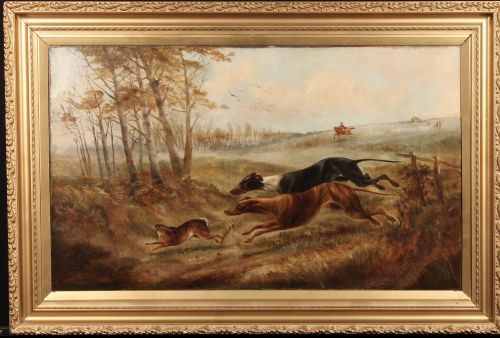
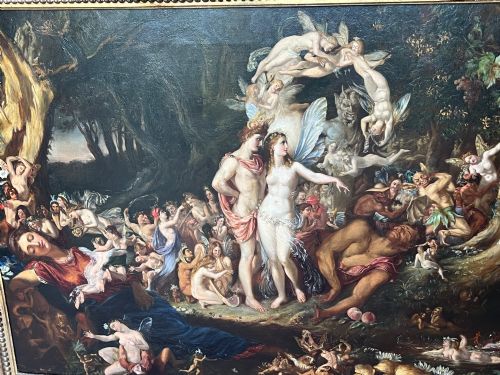
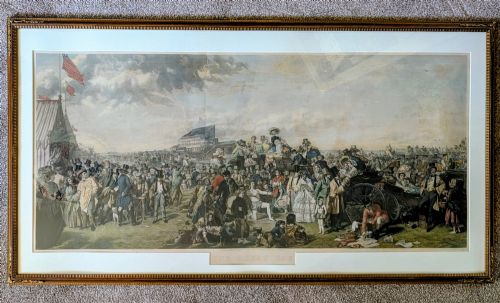
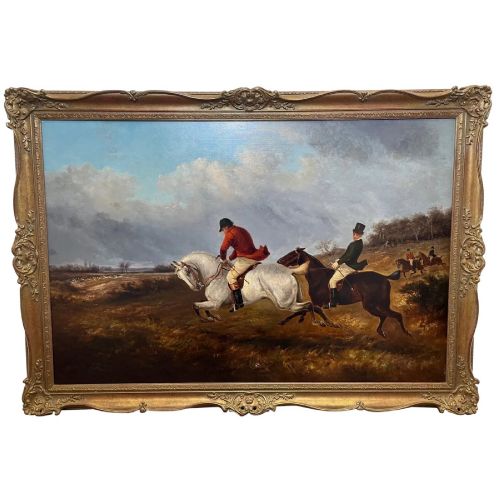
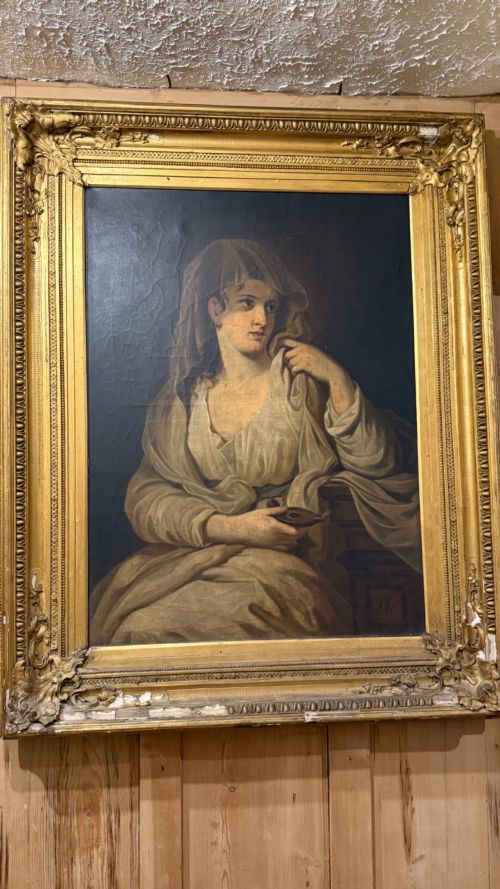
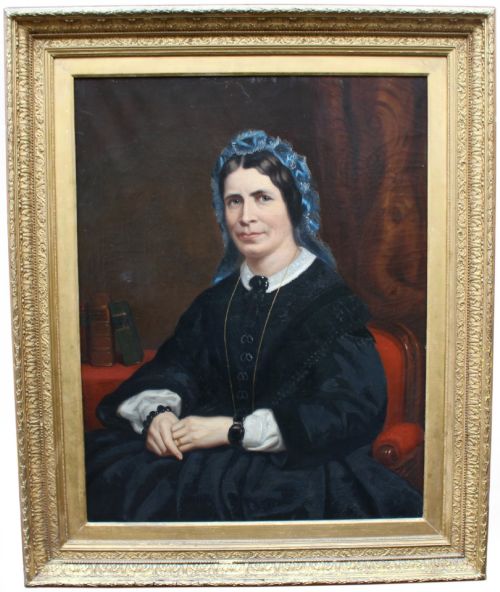
You are most likely to meet substantial oil paintings executed on canvas, depicting maritime scenes, portraits, sporting subjects, and historical narratives. These works frequently arrive in their original giltwood or moulded timber surrounds.
The materials reflect the Victorian penchant for heavy display, combining oil, canvas, paper, glass, and textiles within deep timber or gilded housings. Many examples carry specific nineteenth-century dates, attributing the compositions to known artists of the period.
Materials and Construction
Canvases stretched over wooden frames received layers of oil paint applied by studio artists, often finished with protective varnishes that have aged to warm tones. Works on paper utilised watercolour, pastel, or gouache mediums.
Surrounds were constructed from solid woods such as oak and mahogany, or shaped from composition material applied to a timber core and heavily gilded. Glass protected delicate watercolours, prints, and textiles like Berlin woolwork.
Victorians framed everything from dramatic coastal storms to painstaking woolwork of Pharaoh's dream, proving no domestic dream was too large for the wall.
Distinctions in Quality
Quality rests in the fidelity of the draughtsmanship and the handling of the medium, separating hurried studio output from masterly compositions. Brushwork in oil paintings shows confidence and depth, whereas lesser examples remain flat and formulaic.
The integration of the artwork and its housing matters significantly, as original giltwood frames designed specifically for the canvas hold greater integrity than later replacements. The preservation of the underlying canvas, paper, or textile without extensive modern intervention dictates the standing of the piece.
Stuart Lloyd·Alfred Walter Bayes·Sir Joseph Noel Paton·Felix Stone Moscheles·Thomas Smythe·W.R. Waters·Konstantin Stoitzner·James Hamilton·Robert Cleminson·James Hayllar·Joseph Knight·John Moxon·Alexandre Le Bihan
The Large Victorian Framed Art Glossary
- Giltwood
- Wood coated with gold leaf or metallic powder applied over a prepared gesso surface. This finish catches candlelight and natural illumination in period interiors.
- Pre-Raphaelite
- A nineteenth-century artistic movement characterised by detailed execution, vivid colours, and complex literary or religious subjects. These works draw heavily on medieval and romantic themes.
- Berlin Woolwork
- A type of embroidered canvas work popular during the Victorian era, typically stitched in brightly coloured wools from charted patterns. It often depicted biblical scenes or sentimental subjects.
- Engraving
- A printmaking technique where an image is incised into a copper or steel plate using a cutting tool. The inked plate transfers fine, sharp lines onto paper under heavy press pressure.
- Diorama
- A three-dimensional scene constructed within a framed box, incorporating modelled elements such as cork, twigs, and painted backgrounds. Maritime examples frequently portray named sailing ships.
Large Victorian Framed Art: Frequently Asked Questions
What subjects appear most often?
Landscapes, coastal views, portraits, and historical narratives dominate these nineteenth-century compositions. Sporting scenes involving horses and dogs also recur frequently.
Artists drew inspiration from classical literature, maritime exploits, and domestic genre scenes, reflecting the varied tastes of Victorian collectors.
Are the frames original to the art?
Many pieces retain their original giltwood or moulded timber surrounds, which were selected or commissioned by the artist or first owner. These period surrounds complement the scale and aesthetic of the canvas.
Some works have acquired replacement frames over the decades due to damage or changes in interior decoration preferences.
How should these heavy pieces be hung?
Due to the substantial weight of thick wooden stretchers, heavy canvas, and giltwood surrounds, secure wall anchoring is essential. Utilising appropriate masonry or stud fixings prevents structural strain.
Positioning works away from direct sunlight and damp environments protects both the painted surface and the fragile wooden joinery of the surrounds.
How can I date a piece accurately?
Dating relies on artist lifespan documentation, stylistic traits of the period, and occasionally inscriptions or labels on the reverse of the canvas. Exhibition stickers and gallery stamps offer further chronological evidence.
The construction techniques of the stretcher frames and the composition of the outer surrounds also provide reliable indicators of nineteenth-century manufacture.