


19th Century Gouache
These 19th century gouache paintings offer rich opaque colour and fine detail, capturing everything from grand Italian views to delicate botanical studies.
19th Century Gouache
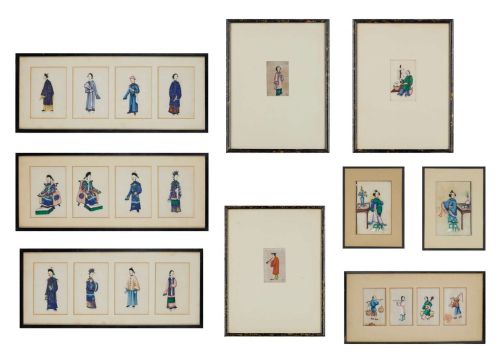
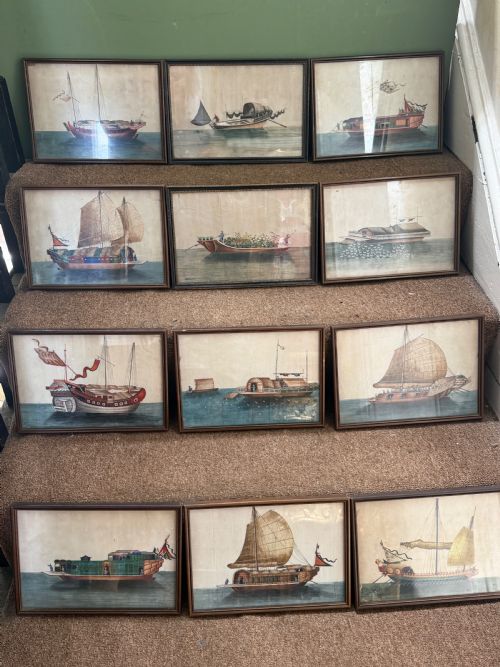
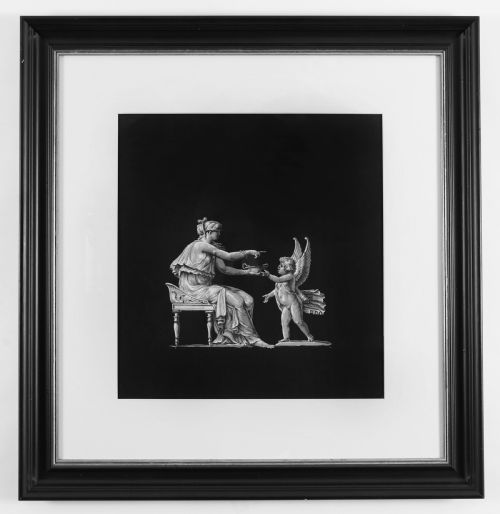
When you search for 19th century gouache, you encounter an array of original artwork spanning European landscapes, classical portraits, and intricate Asian export works. The category is heavily populated by Chinese pith paper paintings depicting figural scenes, junks, and botanical subjects, alongside atmospheric views of Naples and British topographical subjects.
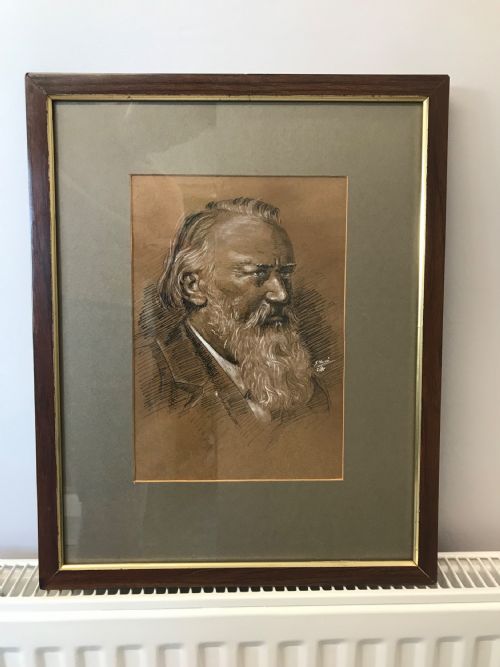
You will also find intimate portrait miniatures, theatrical figures, and botanical studies executed on paper or card. These pieces often combine gouache with watercolour, pastel, or ink, reflecting the diverse stylistic approaches of the period from Regency elegance to Victorian realism.
Materials and technique
Artists of the period built their compositions using water-soluble gouache, which contains an opaque white pigment that gives the paint its characteristic dense, matt finish. This medium was frequently combined with transparent watercolour, pen and ink, or pastel on paper, card, or fragile pith paper.
Works on pith paper, often associated with Chinese export art, require delicate handling due to the sponge-like nature of the plant material. Framed pieces are typically preserved behind glass within wooden frames, protecting the sensitive water-based pigments from moisture and handling.
Materials documented across the pieces include traditional gouache, watercolour, pastel, ink, and delicate pith paper housed behind glass.
What separates the finest examples
Quality in these works rests upon the precision of the brushwork and the preservation of the pigments. Superior examples maintain the vibrancy of the opaque colours without significant fading, flaking, or water damage to the paper support.
The sophistication of the composition and the subtlety of the tonal gradations distinguish masterly academic or regional studies from standard decorative pieces. Original framing and the intact condition of delicate supports like pith paper also elevate the standing of a piece.
Joseph Knight·Alice Anne Renshaw·Paul Lelong·Milton Drinkwater·Emma Kendrick·Cecil Cutler
The 19th Century Gouache Glossary
- Gouache
- An opaque water-based paint consisting of pigment, water, and a binding agent such as gum arabic, often mixed with a white filler to create a dense, flat finish.
- Pith paper
- A delicate material made from the pith of the Tetrapanax papyrifer plant, commonly used in nineteenth-century Chinese export paintings for its velvety surface.
- Grand Tour
- A cultural journey undertaken by wealthy young Europeans in the nineteenth century, generating a demand for souvenir views of cities like Naples and Rome.
- Chinese Export Art
- Goods manufactured in China specifically for Western markets during the Qing dynasty, including traditional gouache paintings on pith paper.
19th Century Gouache: Frequently Asked Questions
How should I display 19th century gouache?
Keep framed pieces away from direct sunlight to prevent the opaque pigments from fading over time. Maintaining stable indoor humidity protects both the paper support and any fragile underlying materials.
Ensure the artwork is glazed and framed securely to prevent dust and atmospheric pollutants from settling directly onto the delicate paint surface.
Are these paintings signed?
Many nineteenth-century works, particularly botanical studies, Grand Tour views, and Chinese export pieces, remain unsigned or bear only initials. Attribution often relies on stylistic comparison, period framing, or contemporary inscriptions.
Signed pieces by recorded artists such as Alice Anne Renshaw or Milton Drinkwater appear occasionally, offering clearer provenance for collectors.
Can I remove a painting from its frame?
You should avoid removing these works from their frames, especially nineteenth-century pieces executed on pith paper or delicate card. The materials become brittle with age and tear easily upon handling.
If reframing is necessary for conservation reasons, consult a professional paper restorer rather than attempting the work yourself.