



Victorian Neoclassical Art
Victorian neoclassical art brings the grand subjects of antiquity into nineteenth century interiors through sculpture, painting and works on paper.
Victorian Neoclassical Art
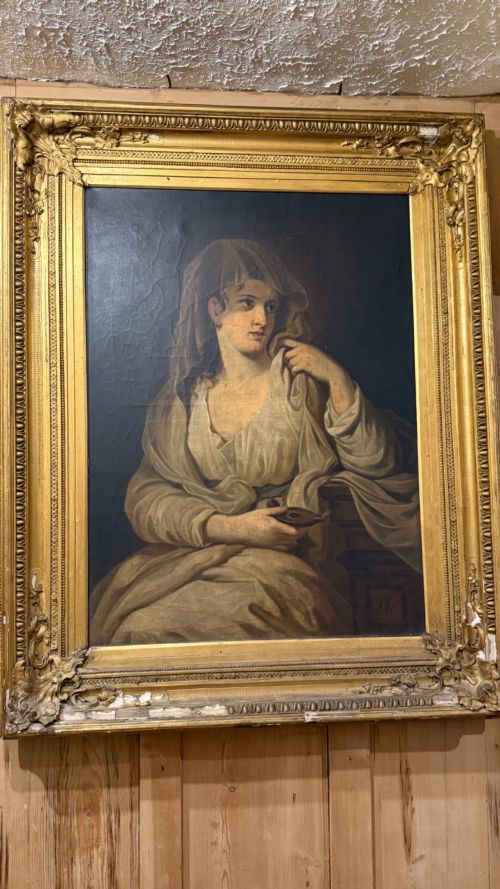
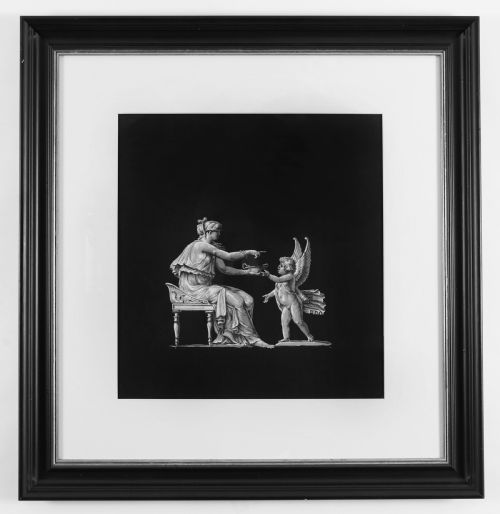
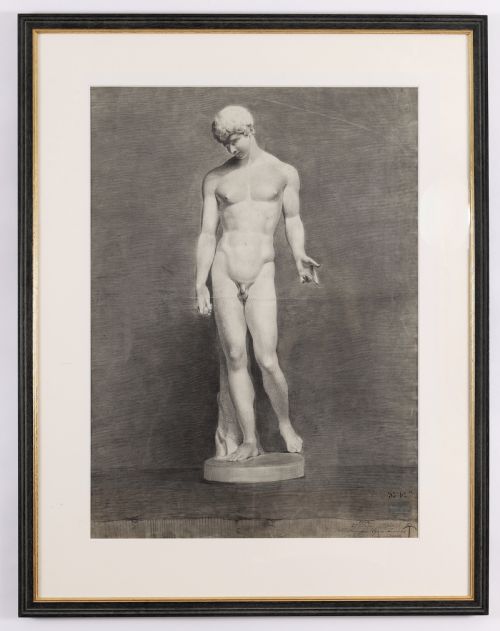
Victorian neoclassical art spans framed paintings, gouache, drawings and engravings alongside bronze and marble sculptures, wall plaques and cameos. These works channel classical antiquity through nineteenth century hands, offering detailed portraits and mythological scenes.
The objects on this page largely date from the nineteenth century, including specific works from eighteen eighty and the broader eighteen hundreds. Buyers encounter framed wall art, intricate intaglios and cast plaques that reflect a deep fascination with classical forms.
How victorian neoclassical art was made
Makers utilised bronze, marble, plaster, porcelain and gilt wood to create substantial sculptural pieces and relief plaques. Canvas, paper and fabric provide the base for oil paintings, gouache, drawings and engravings.
Casting techniques shaped metal plaques and bronzes, while hand carving defined marble portraits. Artists applied oil on canvas and gouache to paper, complemented by intricate engraving and cameo cutting.
Listings feature oil on canvas, paper, wood, glass, plaster, gilt wood, bronze and fabric.
What varies in quality
Quality rests in the precision of the carving, casting and mark making across the surface of each piece. Finer works display careful anatomical proportions in marble and bronze, alongside crisp detail in engravings and painted miniatures.
Materials themselves set the baseline, from solid bronze and carved marble to delicate paper drawings and porcelain plaques. The depth of historical reference and technical execution separates standard decorative items from exceptional nineteenth century creations.
F R Roffe·J Brown·Coalbrookdale·KPM·Charles Stuart Harris
The Victorian Neoclassical Art Glossary
- Intaglio
- A design incised into a material so that the impression rises above the surface. These carved gems and cameos were often collected during the Grand Tour.
- Gouache
- An opaque water-based paint used on paper to achieve rich, flat areas of colour. It offers a luminous finish distinct from standard watercolour.
- Engraving
- A printmaking technique where an image is cut into a metal plate with a burin. The resulting lines hold ink to produce fine paper prints.
- Grand Tour
- A traditional trip through Europe undertaken by upper class young men to absorb classical art and culture. It generated a demand for portable antiquities and classical reproductions.
- Plaster
- A workable mixture that hardens into a solid mass, frequently utilised for sculptural casts and wall plaques. It allowed makers to replicate classical reliefs for domestic display.
Victorian Neoclassical Art: Frequently Asked Questions
What is victorian neoclassical art?
Victorian neoclassical art comprises nineteenth century paintings, sculptures, engravings and plaques inspired by ancient Greece and Rome. These pieces range from Grand Tour cameos to framed oil paintings and bronze sculptures.
Collectors acquire them to bring classical subjects and refined nineteenth century craftsmanship into domestic spaces. They serve as focal points in traditional interiors.
How were these artworks displayed?
Framed paintings, drawings and engravings hung upon walls to showcase mythological and portrait subjects. Bronzes, marble carvings and plaques sat upon tables, mantels and specialised cabinets.
Their scale suited nineteenth century room designs, allowing owners to curate miniature galleries of classical motifs at home.
How do I care for mixed media pieces?
Keep paper works, drawings and gouache away from direct sunlight to prevent fading and paper degradation. Dust bronzes and marble gently with a dry cloth without applying harsh chemical polishes.
Maintain stable room humidity to protect wood frames, fabric elements and painted surfaces from moisture damage.
How can I tell the period?
Examine the materials, mounting techniques and framing methods characteristic of the nineteenth century. Paper stocks, canvas types and foundry marks often provide clues to the exact decade of manufacture.
Stylistic markers bridge classical antiquity with Victorian aesthetic preferences, distinguishing nineteenth century interpretations from older originals.