




Italian Grand Tour Art
These Italian grand tour art pieces capture the classical sights and landscapes that travellers brought home from their travels abroad.
What Italian grand tour art is
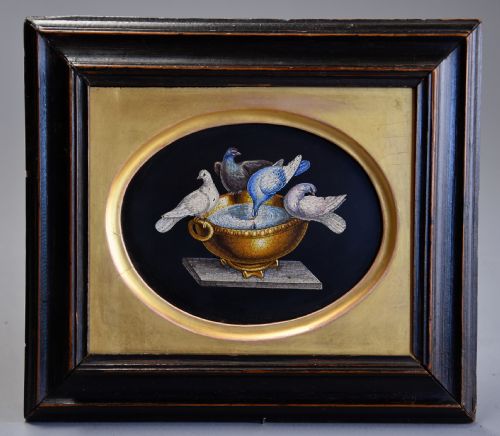
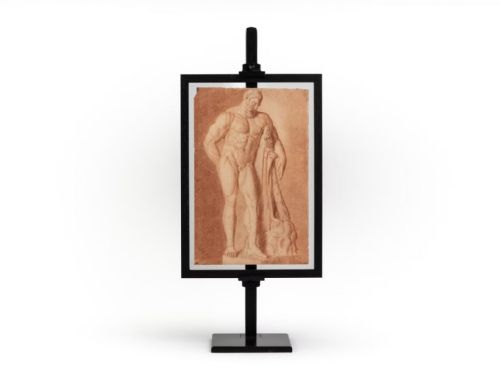
When you search for italian grand tour art, you are looking at souvenir paintings, watercolours, and marble plaques that record classical sights and Italian landscapes. These works were collected by travellers on their educational journeys through Italy during the nineteenth and early twentieth centuries.
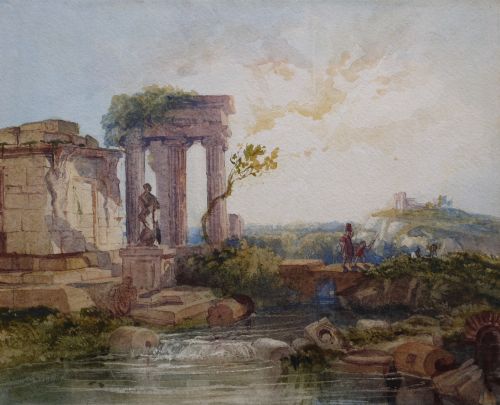
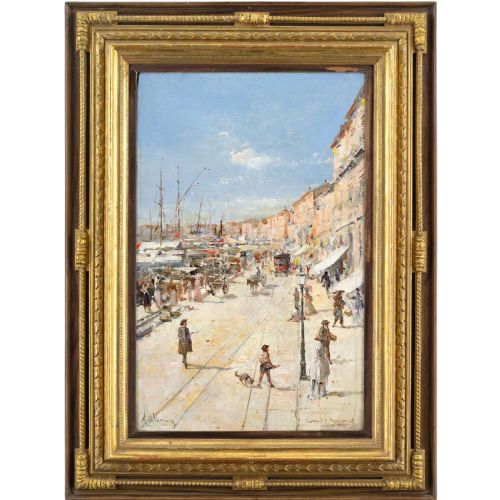
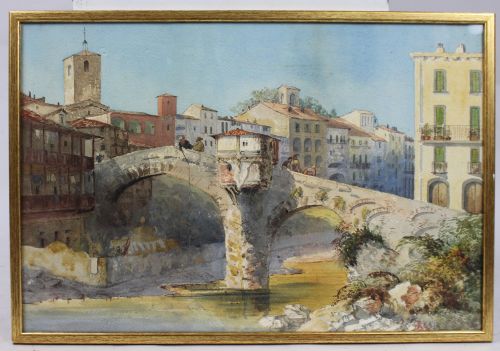
On this page, you are most likely to meet nineteenth-century watercolours, gouache paintings, and marble profile plaques. These pieces range from Neapolitan school gouaches to framed watercolours of Roman ruins and Venetian gondolas.
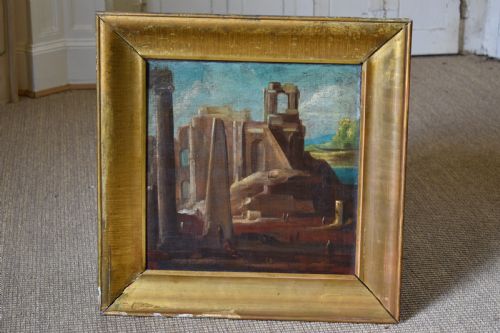
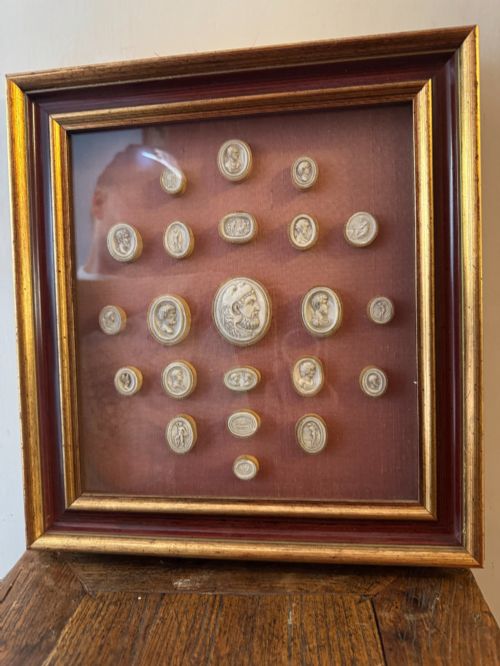
The objects span from the nineteenth century into the early twentieth century, taking the form of framed artworks, wall plaques, and paintings on paper or canvas. Their subjects include classical figures such as Virgil and Dante alongside famous vistas like Lake Garda and the Forum of Nerva.
How they were made
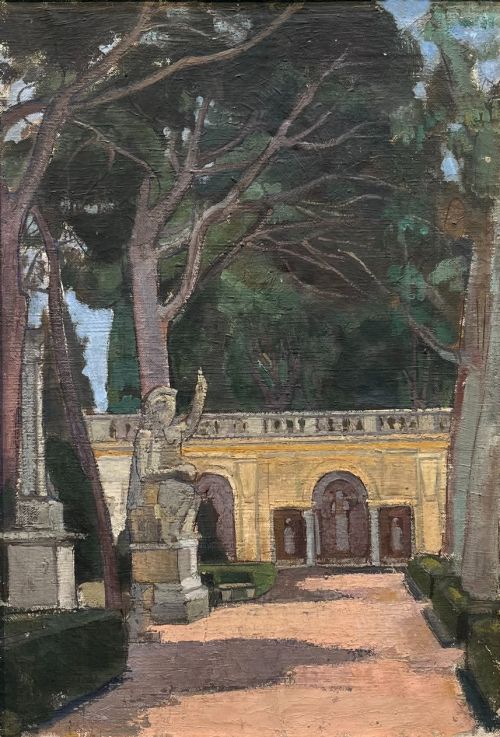
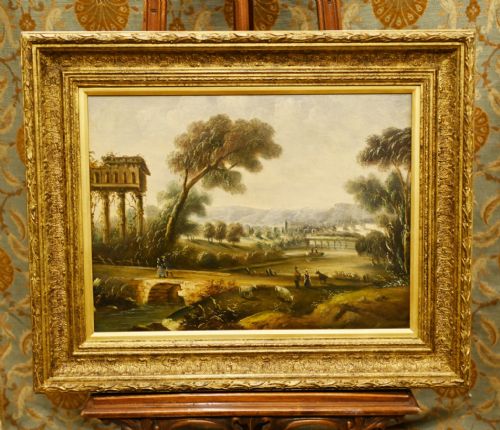
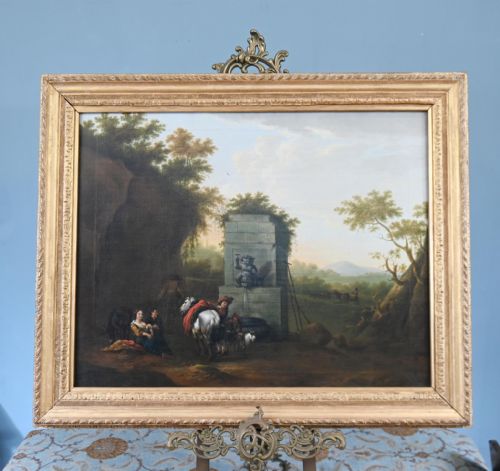
The works utilise traditional media including watercolour, gouache, and oil paint applied to paper or canvas. Artists often worked in distinct regional styles, such as the Neapolitan school tradition, capturing light and atmosphere with fluid brushwork.
Relief works and sculptural pieces are carved from marble and stone to render classical profiles and figures in sharp detail. Frames play an essential role in the presentation, constructed from wood and gilded wood, occasionally featuring exceptional decorative carving.
Retail Price Guide 2026
Typical UK retail prices for italian grand tour art, calculated from the Sellingantiques database of over a million retail prices indexed since 2003. This retail price guide relies exclusively on Sellingantiques data; no external sources or auction records are used, so the figures do not describe the wider market.
The listings on this site feature works spanning the nineteenth century and the early twentieth century, utilising materials from marble and stone to paper, glass, and gilded wood.
What varies in quality
Quality in these works rests upon the precision of the hand and the fidelity of the depiction. Finer paintings display a greater command of tone and perspective in their rendering of architecture and landscape.
Materials and framing also distinguish the standard of the piece. Works set in exceptional carved wooden frames or executed in carved marble carry a distinct physical presence compared to simpler paper formats.
The Italian Grand Tour Art Glossary
- Gouache
- An opaque water-based paint that dries to a matte finish. It allows artists to build rich, saturated layers of colour.
- Neoclassical
- An artistic style inspired by the classical art and culture of ancient Greece and Rome. It emphasises proportion, clarity, and historical subjects.
- Grand Tour
- A traditional trip through Europe undertaken by upper-class European young men of means. It served as an educational rite of passage focused on classical antiquity and art.
- Profile plaque
- A wall hanging depicting a subject from the side rather than the front. These are frequently carved in marble to honour classical figures and poets.
Frequently Asked Questions
What is Italian grand tour art?
These pieces are historical souvenirs and artworks acquired by travellers touring Italy. They include paintings, watercolours, and marble reliefs depicting classical ruins and famous views.
Created primarily during the nineteenth and early twentieth centuries, they served as tangible reminders of classical education and foreign travel.
How were these artworks displayed?
Travellers typically had their purchased watercolours and paintings framed upon acquisition to protect the paper and enhance the visual impact. Many were hung in private libraries and studies alongside sculptural reliefs.
Wall plaques were designed specifically for mounting on interior walls to showcase classical profiles and literary figures.
How do I date a piece?
Dating relies upon the recorded period styles, materials, and internal evidence within the titles such as nineteenth-century or early twentieth-century attributions. Stylistic movements like Neoclassical and 19th-Century Romanticism provide further chronological context.
Examining the framing techniques and the specific medium, whether gouache or oil on canvas, helps narrow down the era of production.
What subjects are most common?
Common subjects include classical Roman ruins, Italian lakes, and Venetian waterways with gondoliers. Literary and historical figures such as Virgil and Dante also appear frequently.
These motifs directly reflect the cultural priorities of travellers seeking to document the heritage of the Italian peninsula.