



Antique Italian Watercolour Painting
When you search for an antique italian watercolour painting, you are looking at evocative works on paper that capture the light and scenery of the Mediterranean.
Antique Italian Watercolour Painting
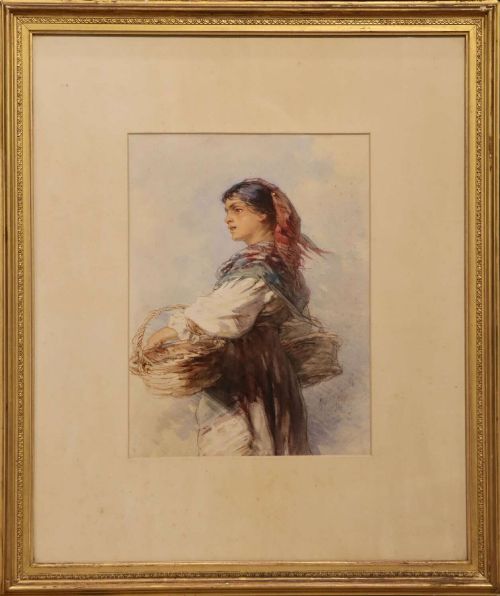
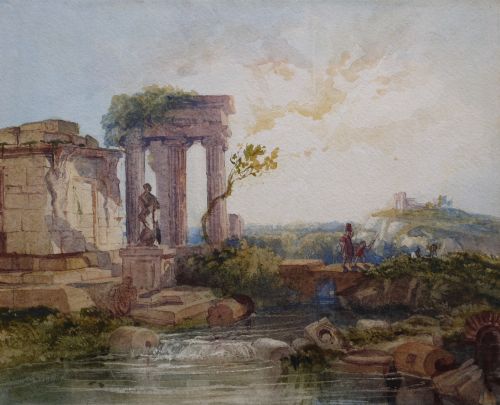
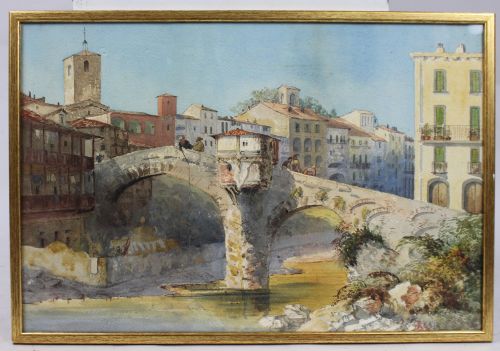
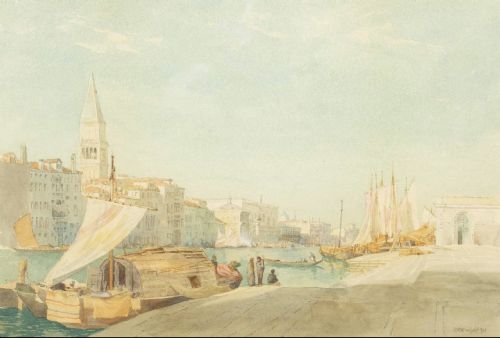
An antique italian watercolour painting brings the topography, architecture and daily life of Italy directly to the wall through delicate pigment on paper. These works frequently depict sunlit Venetian canals, Roman ruins, and picturesque peasant figures framed for display.
You will most commonly encounter pieces from the nineteenth century and the Edwardian era, reflecting the enduring popularity of continental travel among British artists and collectors. Many of these paintings survive within gilt wood frames behind glass, preserving the original paper and pigment from atmospheric damage.
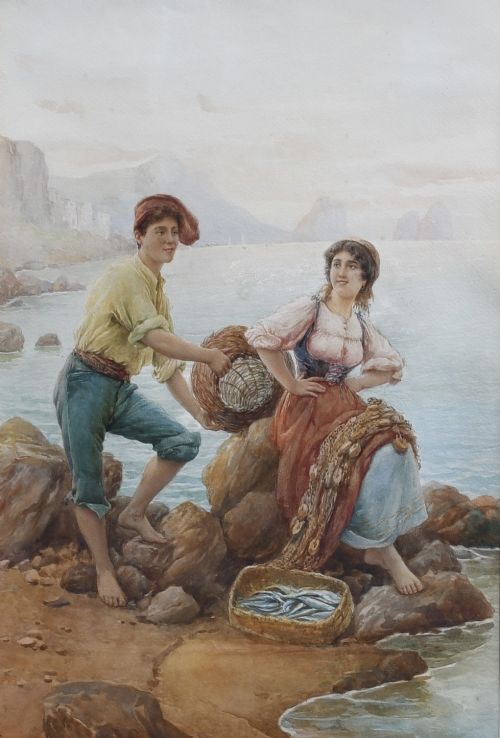
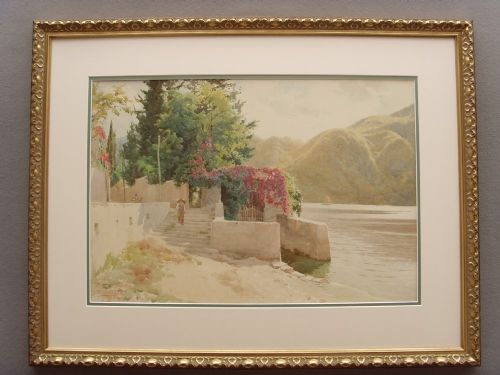
The compositions range from topographical Grand Tour studies of landmarks like the Colosseum and the Grand Canal to intimate genre scenes of Neapolitan fisherfolk and rural landscapes. Regional views from Rome, Florence, Venice and the lakes dominate the selection available to collectors.
Materials and technique
Artists applied watercolour pigment to absorbent paper, sometimes utilising gum arabic to deepen tones and create luminous highlights across architectural stonework and water. The works are typically preserved behind glass within wooden frames, frequently enhanced with gold leaf or gilt details that complement the palette of the painting.
Techniques varied from rapid topographical sketches produced on location during the Grand Tour to highly detailed studio watercolours finished with precise architectural drawing. Signed sheets often demonstrate a mastery of transparent washes and fine brushwork to capture the specific quality of Italian light.
Countless Victorian travellers struggled to paint watercolours while seasick on Venetian gondolas, yet produced enduring masterpieces anyway.
Evaluating the work
The distinction between ordinary and exceptional examples rests in the handling of light, atmospheric perspective, and the precision of the draughtsmanship beneath the wash. Master painters used the white of the paper deliberately to generate brilliance, whereas lesser hands relied on heavier, opaque pigments that flattened the composition.
Signatures by documented professional artists and clear regional provenance elevate a piece, as do original period frames featuring carved gilt wood. Works displaying confident brushwork and specific topographical detail command greater attention than generic landscape studies.
Guido Bach·Richard Principal Leitch·Thomas Ellison·Richard Henry Wright·Carlo Ferranti·Robert George Talbot Kelly·Filipo Indoni·Franz Knebel·Vittore Zanetti Zilla·Benedetto Salviati·Hercules Brabazon Brabazon·Pio Panfili·Leonardo Morello·Charles H Poingdestre·Arturo Orselli·David Law·Wilfred Knox·Ettore Ascenzi·Belisario Gioja·John D Walker·Arthur Severn·Helen Donald-Smith·Thomas Brabazon Aylmer·John Wilson Carmichael·Thomas L Rowbotham
The Antique Italian Watercolour Painting Glossary
- Grand Tour
- A traditional trip through Europe, particularly Italy, undertaken by upper-class young men and artists to study classical art and architecture. Watercolours served as portable records of these travels before the widespread use of photography.
- Gouache
- An opaque watercolour paint mixed with a white pigment, often utilised alongside transparent watercolours to create highlights on water or stone. Artists used this combination to build texture and opacity in architectural studies.
- Genre scene
- A painting depicting aspects of everyday life, such as market vendors, fisherfolk or musicians in traditional regional dress. These works focus on human activity rather than pure landscape topography.
- Wash
- A thin, fluid layer of watercolour pigment spread across the paper to create uniform areas of sky, water or shadow. Skilled application of washes requires a steady hand to avoid streaks.
Antique Italian Watercolour Painting: Frequently Asked Questions
How should I hang an antique watercolour?
Watercolours are extremely sensitive to ultraviolet light and will fade permanently if exposed to direct sunlight for prolonged periods. Choose a wall away from direct windows and ensure the framing utilises acid-free materials to protect the paper from chemical degradation.
Humidity and sudden temperature changes can also warp paper and encourage mould growth behind the glass. Keep these works in a stable indoor climate to preserve the integrity of the pigment and the paper support.
What is a Grand Tour watercolour?
A Grand Tour watercolour is a painting created in Italy during the eighteenth or nineteenth century to document the classical ruins, architecture and landscapes encountered by travellers. Artists produced these views to sell to foreign visitors as portable souvenirs of their continental education.
These pieces frequently depict famous sites such as the Roman Forum, the Colosseum or the canals of Venice. They serve today as historical records of Italian towns before modern urbanization altered the landscape.
How do I identify nineteenth-century watercolours?
Nineteenth-century watercolours on paper often display characteristic paper watermarks, handwritten titles in the lower margin, and framing techniques specific to the Victorian or Edwardian periods. The pigments themselves, particularly early watercolour formulations, differ subtly from modern synthetic alternatives.
Signatures, dates, and artist stamps on the reverse of the paper or frame provide further clues to the period. Many works also retain old dealer labels or exhibition inscriptions that confirm their nineteenth-century origin.
Why are Italian subjects so common?
Italy drew British artists and travellers eager to experience the Mediterranean climate, classical antiquity, and vibrant street life after the Napoleonic Wars. The luminous atmosphere offered a dramatic contrast to grey northern skies, inspiring endless artistic production.
Publishers and patrons eagerly bought these Italian views to decorate domestic interiors with romanticized glimpses of foreign travel. This sustained demand created a vast legacy of topographical and genre watercolours preserved to this day.