

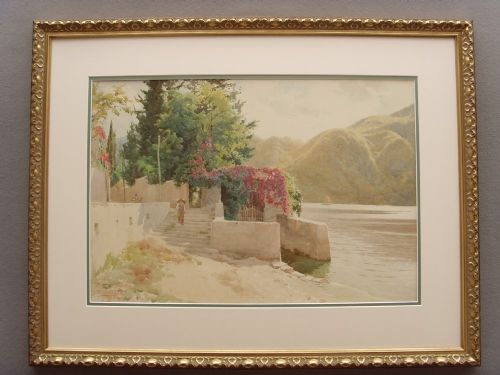


Fine Art Watercolour Landscape
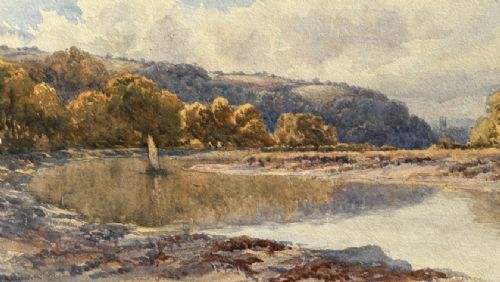
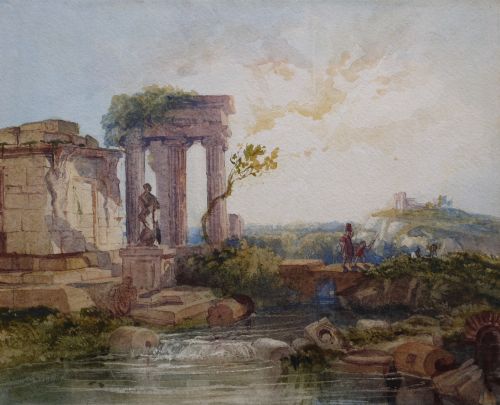
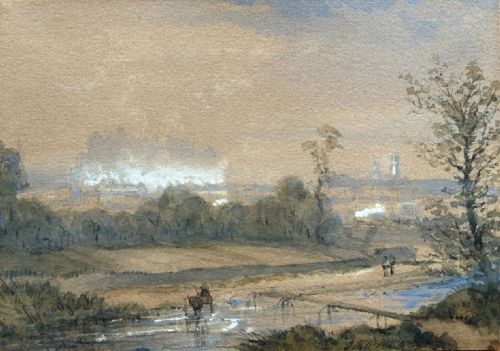
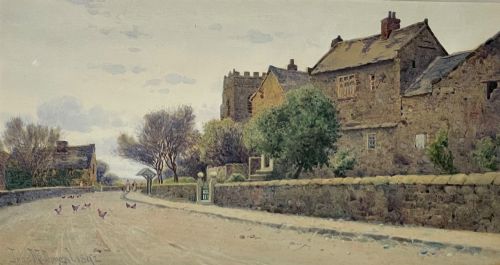
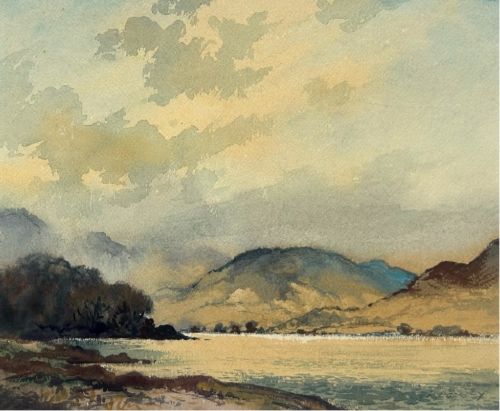
A fine art watercolour landscape captures open skies, rural expanses, and distant horizons through delicate washes of pigment on paper.
Fine Art Watercolour Landscape
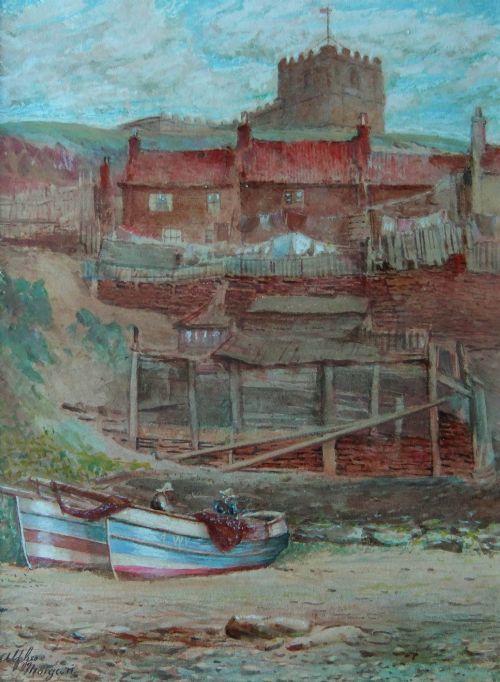
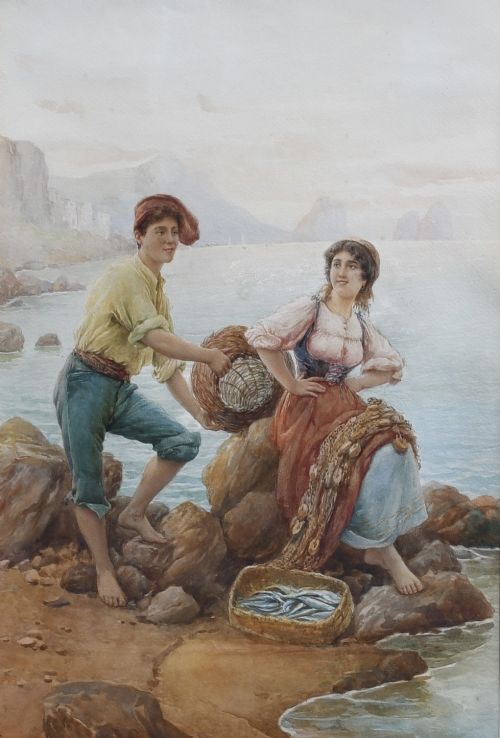
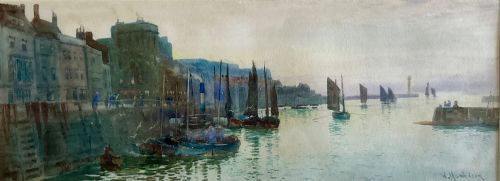
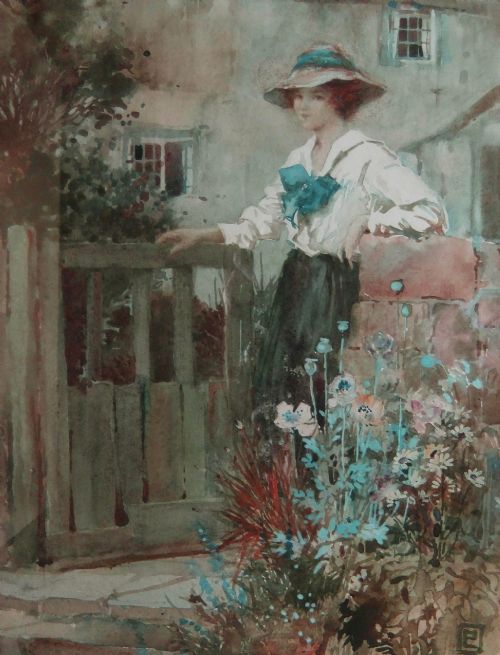
A fine art watercolour landscape records topographical views, country lanes, and coastal scenes painted by British and European artists. These works span the nineteenth century, the Victorian era, and the Edwardian period, capturing both familiar local countryside and distant travels.
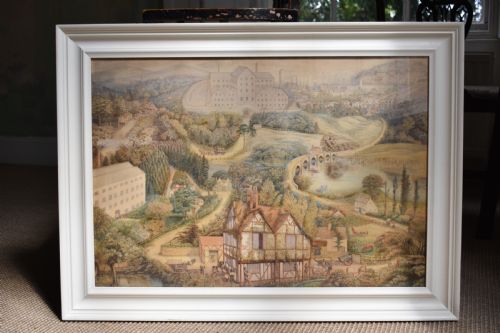
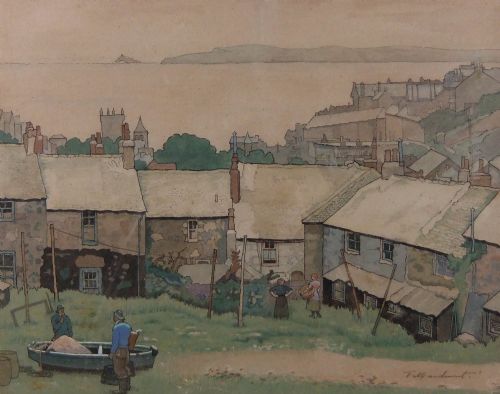
Most examples found here present framed works on paper, often preserved behind glass within period wooden or gilt frames. Subjects range from quiet village streets and rural riverscapes to dramatic mountain ranges and pastoral gatherings.
The tradition encompasses atmospheric sketches by named painters alongside accomplished works from regional and continental studios. Buyers encounter pieces created for domestic display, documenting historical topography and changing rural life.
Materials and technique
Artists applied watercolour pigment diluted with water onto heavy paper sheets, sometimes combining ink or gouache to build opacity and texture. The absorbency of the paper required assured, deliberate brushwork because corrections proved difficult to conceal.
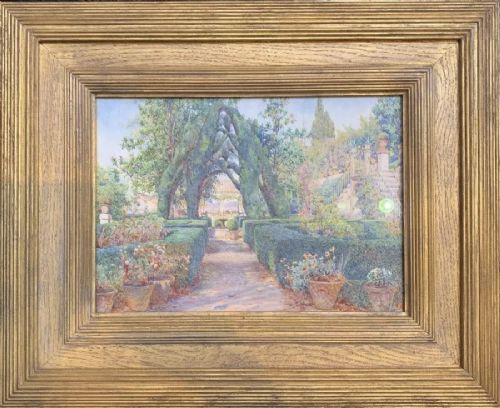
Finished works received protection beneath glass and were mounted within wooden frames, frequently finished in gilt wood. This framing protected the delicate water-soluble pigments from moisture, atmospheric dust, and handling.
Featured locations range from Scottish river valleys and Yorkshire abbeys to Italian lakes and bustling continental market squares.
Assessing quality
Quality rests upon the artist's control of light, atmospheric depth, and the transparency of the washes. Superior examples convey a strong sense of place and natural movement through confident, economical brushstrokes rather than overworked detail.
The condition of the paper and the integrity of the original framing also shape the standard of a piece. Well-preserved works retain their original tonal balance without heavy fading or excessive acidic discolouration from old mounts.
Richard Principal Leitch·John R Prentice·Thomas Ellison·John McDougal·Robert Leslie Howey·Ernest Arthur Rowe·Thomas Maidment·Alfred G Morgan·Carlo Ferranti·William Matthison·Percy Lancaster·Robert George Talbot Kelly·Edgar Woollatt·Gaston Cornil·Cornelius Pearson·Edwin Lord Weeks·Charles Gregory·Arthur Tucker·James Orrock·Robert Winchester Fraser·Alfred Grey·Henri Joseph Harpignies·John Atkinson·Walter Follen Bishop·Robert Buchan Nisbet
The Fine Art Watercolour Landscape Glossary
- Watercolour pigment
- Finely ground colour particles suspended in a water-soluble binder, usually gum arabic. This medium allows artists to layer translucent washes that let the reflective quality of the paper shine through.
- Giltwood
- Timber carved and coated with a thin layer of gold leaf or metallic powder. It provides a traditional decorative border that enhances the warmth and contrast of the painting within.
- Gouache
- An opaque water-based paint containing pigment mixed with a binding agent and a white filler such as chalk. Artists utilise it alongside watercolour to introduce solid highlights and dense opaque passages.
- Pastoral
- Depicting rural life, farms, shepherds, and idealized country scenes in a peaceful setting. This genre was widely practiced by Victorian and Edwardian painters.
Fine Art Watercolour Landscape: Frequently Asked Questions
How should I display a watercolour?
Hang paintings away from direct sunlight to prevent the pigments from fading over time. Maintaining stable indoor humidity also protects the fragile paper and prevents the wooden frame from warping.
Ensure the piece remains sealed behind glass to block dust and airborne pollutants. Professional framing using acid-free materials safeguards the margins and backing of the artwork.
Are these paintings signed?
Many works bear the artist's signature or initials, typically placed in one of the lower corners. Signatures often appear in pencil, ink, or a darker watercolour pigment that matches the palette of the scene.
Unsigned pieces rely on stylistic evidence, period framing, or contemporary inscriptions on the reverse to identify the origin and date. Dealers often attribute works by comparing brushwork and subject matter to documented examples.
What is the difference between watercolour and gouache?
Watercolour relies on translucent washes where the white of the paper illuminates the colours beneath. Artists build depth by layering thin, transparent glazes across the sheet.
Gouache includes an added white filler that creates an opaque finish, allowing painters to apply lighter tones directly over darker areas. Artists frequently combined both mediums to achieve varied surface textures.
How do I date an antique watercolour?
Dating relies on visible clues including costume styles, architecture, and recorded dates inscribed by the artist. Notes written on the reverse of the paper or frame often supply additional historical context.
The materials themselves, such as the weave of the paper and the construction of the gilt frame, offer further indications of the period of manufacture.