




Regency Landscape Painting
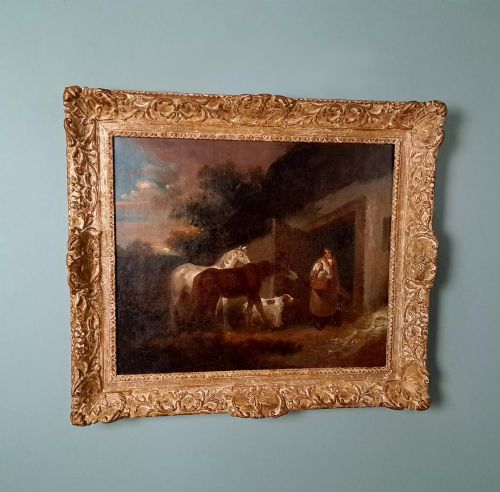
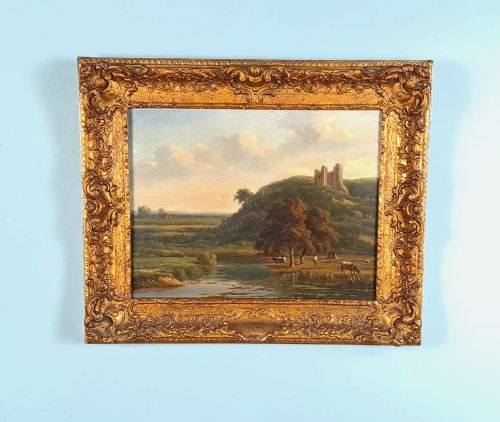
A regency landscape painting captures the pastoral charm of the early nineteenth century through oil on canvas or wood panel, offering a window into historical British scenery.
Regency Landscape Painting
A regency landscape painting reflects the aesthetic tastes of the Georgian and Regency periods, often focusing on pastoral views, coastal scenes, and rural bothies. These works frequently emerge from regional traditions such as the Norwich School or the output of individual British artists working in the early nineteenth century.
The pieces appearing on this page range from small oil paintings on panel to larger canvases depicting topographical views and rustic settings. Many examples align with broader nineteenth-century British pastoral traditions, capturing both wild highland scenery and gentle agricultural horizons.
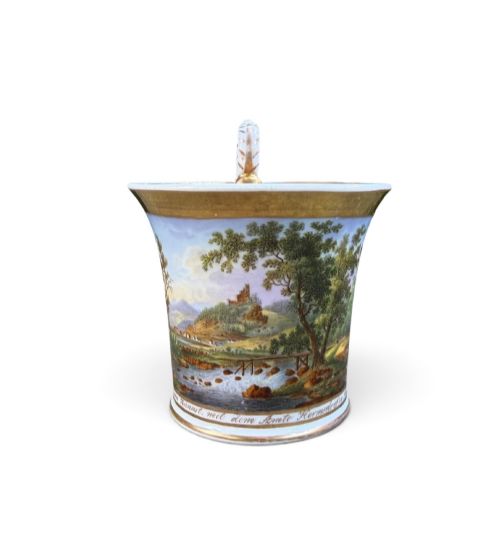
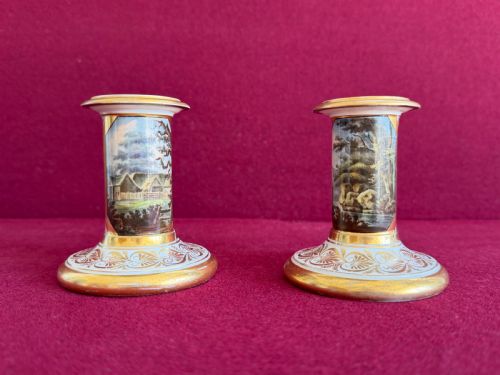
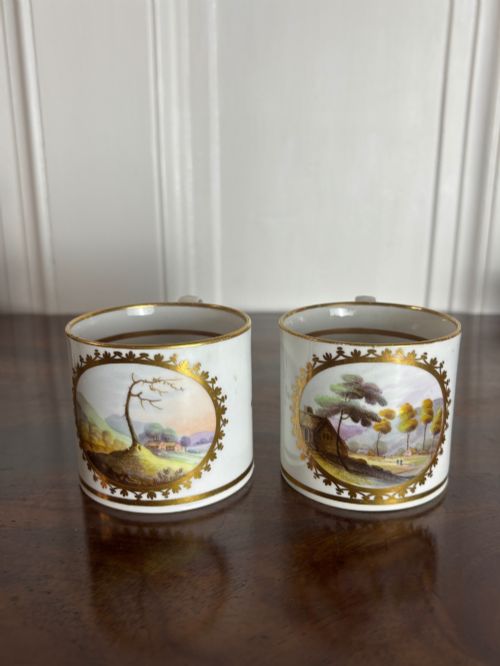
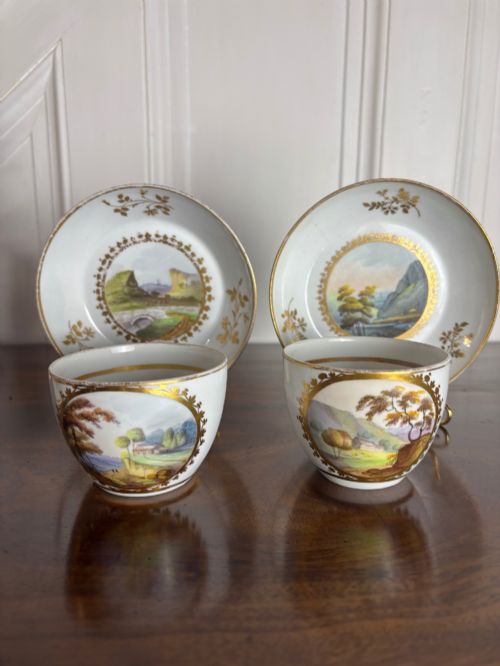
Buyers encountering this phrase will find works executed in oil paint and occasionally watercolour, dated primarily around eighteen hundred to eighteen fifty. These paintings often share wall space with related decorative arts of the period, including porcelain and gilded mirrors featuring landscape scenes.
Materials and Construction
The physical basis of a regency landscape painting typically involves oil paint applied to stretched canvas or prepared wooden boards. Artists of the period utilised ground pigments mixed with oil binders to achieve depth in foliage, water, and atmospheric skies.
Support materials varied according to scale and artist preference, with some painters favouring sturdy wood panels for smaller plein air works while others used traditional canvas. Frames from the period often incorporated gold leaf and gesso over wood bases to complement the artworks.
The materials recorded in these landscape listings include traditional artist oil paints, gesso, gold leaf, canvas, and wooden support panels.
Evaluating Quality in Period Works
Quality in a regency landscape painting rests upon the confidence of the brushwork, the handling of natural light, and the stability of the original paint layer. Finer examples display subtle tonal gradations in the sky and perspective that draw the viewer into the distance without heavy-handed retouching.
The condition of the surface and the presence of a period frame significantly influence the standing of an artwork. Works retaining their original giltwood or gesso frames demonstrate a higher degree of historical integrity than those later altered or re-framed.
William Joseph Shayer Senior·T C Hofland·John Ferneley Senior·James Ward·William Collins
The Regency Landscape Painting Glossary
- Norwich School
- A regional movement of painters working in Norfolk during the nineteenth century who drew inspiration from local landscapes and Dutch golden age traditions. This group included notable figures who recorded the flatlands and windmills of East Anglia.
- Oil Paint
- A slow-drying paint made by mixing pigments with a drying oil, commonly linseed. This medium allowed Regency artists to blend colours smoothly and build rich surface textures.
- Gesso
- A white paint mixture consisting of a binder mixed with chalk, gypsum, or pigment, used as a prepared surface for wood panels or frames before gilding. It provides a smooth ground for decorative finishing.
- Gold Leaf
- Gold beaten into extremely thin sheets used for gilding frames and decorative objects. It was frequently applied over bole and gesso layers in Regency interior furnishings.
- Panel
- A flat piece of wood used as a rigid support for painting instead of stretched canvas. Artists often preferred wood panels for smaller, highly detailed landscape works.
Regency Landscape Painting: Frequently Asked Questions
What defines a regency landscape painting?
These works are oil or watercolour paintings created during the late eighteenth and early nineteenth centuries depicting British countryside, coastal views, or pastoral scenes. They reflect the romantic and picturesque artistic sensibilities of the Georgian and Regency eras.
Such paintings often record specific geographical locations, rural cottages, or agricultural labour, serving as both decorative art and historical records of the changing British landscape.
How do I identify a period frame?
Period frames associated with these works typically feature moulded gesso ornamentation, parcel gilding, or genuine gold leaf applied over a wooden base. Regency frames often display classical motifs such as reeding, acanthus leaves, or ball decorations.
Examining the construction joints at the reverse of the frame and the wear of the underlying gesso helps determine whether the moulding is contemporaneous with the artwork.
Were these paintings made on canvas or wood?
Artists of this era utilised both stretched canvas and wooden boards as supports for their landscape compositions. Smaller field studies were frequently painted on wood panels, which provided a rigid and durable surface for travelling.
Larger exhibition pieces were more commonly executed on woven canvas, which allowed for expansion and contraction across wider expanses without splitting the support.
How should I care for an antique painting?
Antique oil paintings require stable indoor humidity and protection from direct sunlight to prevent the canvas or wood panel from warping and the oil paint from fading. Avoid hanging works near active heat sources or in damp environments.
Dusting should be performed gently with a dry, soft brush, leaving any deeper cleaning or conservation work to professional painting restorers.