


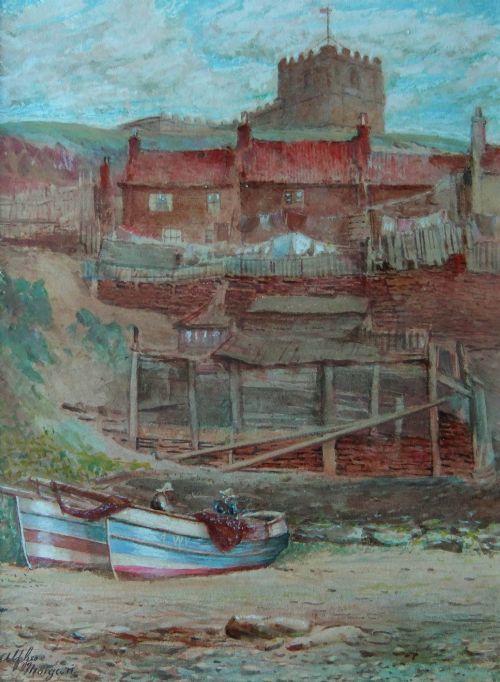
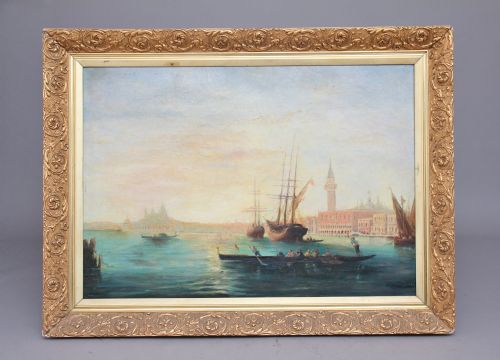
Antique Harbour Scene Painting
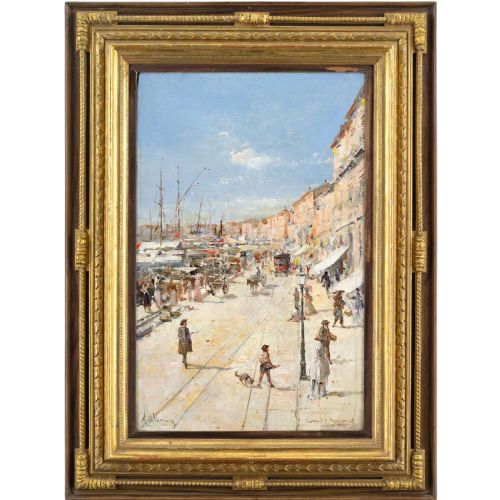
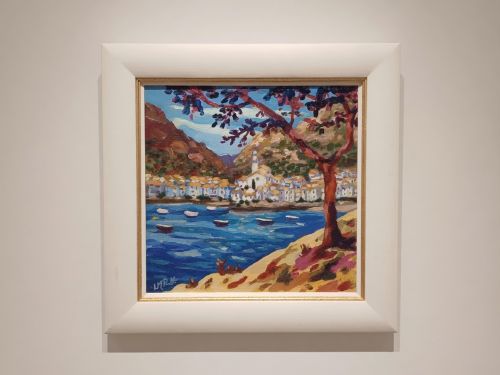
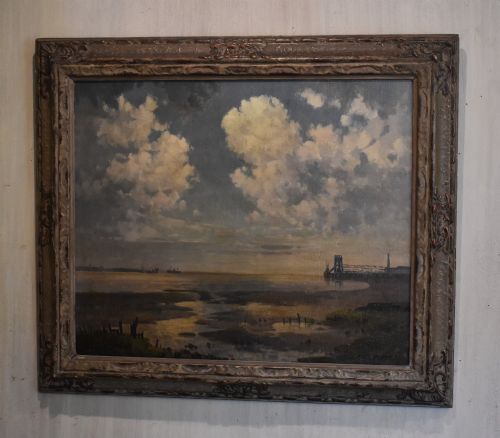
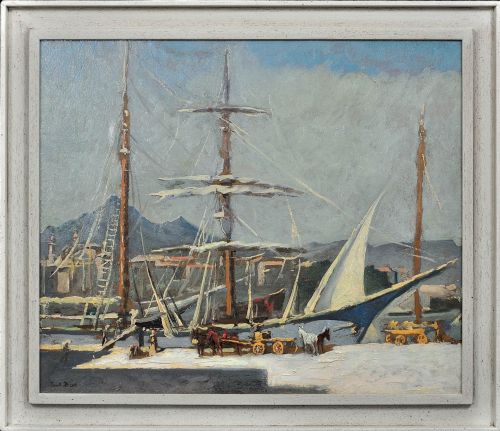
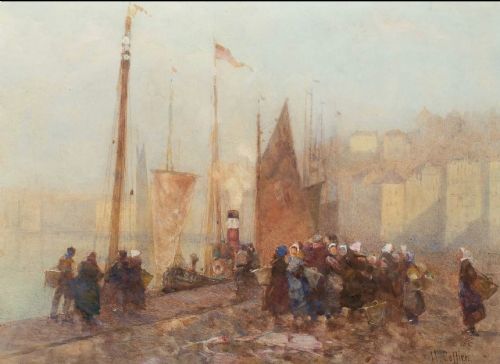
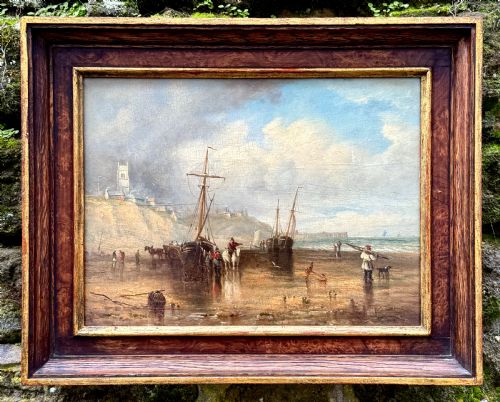
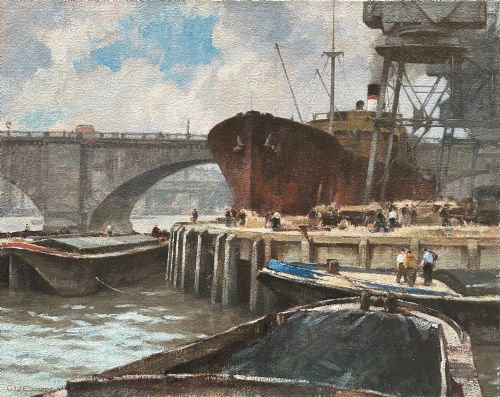
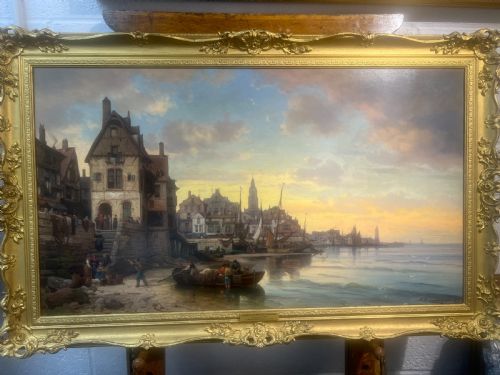
These antique harbour scene painting works capture maritime life and coastal architecture, offering buyers a window into nineteenth and early twentieth century waterside views.
Identifying the works
An antique harbour scene painting depicts coastal activity, fishing vessels, and marine architecture from past centuries. Buyers searching this category frequently encounter nineteenth century works alongside early twentieth century examples.
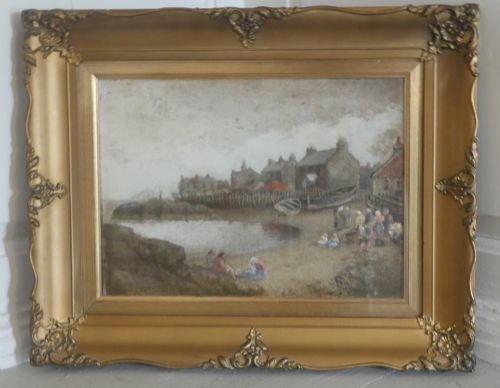
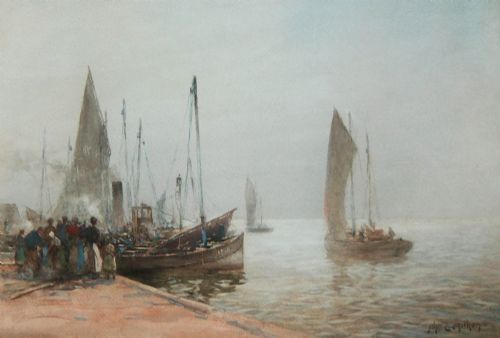
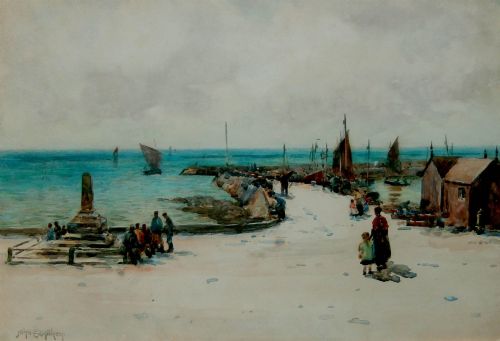
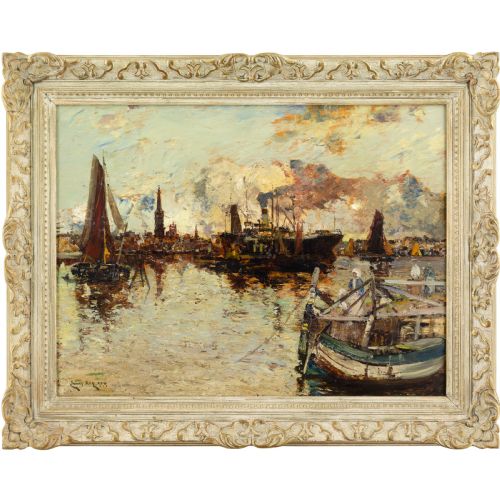
The selections span Victorian maritime compositions and continental harbour views featuring fishermen and sailing ships. Both oil and watercolour formats appear across British and European coastal subjects.
Pieces range from unsigned views after established marine artists to signed works by named painters such as William Collins and Walter Meegan. These items typically arrive framed in wood, gesso, or gilt mouldings.
Materials and methods
Artists painted these marine scenes using oil paint or watercolour applied to canvas, wood panels, or paper supports. Wood panel and canvas substrates provided a sturdy ground for detailed coastal compositions.
Framing components often incorporate carved wood, gesso, and gilt moulding to complement the maritime subject matter. These traditional materials protect the painted surface while enhancing the visual presentation of the artwork.
Retail Price Guide 2026
Typical UK retail prices for harbour scene painting, calculated from the Sellingantiques database of over a million retail prices indexed since 2003. This retail price guide relies exclusively on Sellingantiques data; no external sources or auction records are used, so the figures do not describe the wider market.
The documented styles span Victorian, Edwardian, impressionist, and nineteenth century British and continental maritime movements.
Assessing the execution
Quality in these maritime works rests upon the handling of light, water movement, and atmospheric perspective. Superior paintings demonstrate confident brushwork in rendering choppy seas, rigging, and harbour architecture.
The distinction between standard decorative pieces and finer works lies in the precision of draughtsmanship and the artist's ability to capture coastal atmosphere. Signed pieces and works attributed to known followers or academics generally command greater artistic interest.
John Bell·William Collins·Walter Meegan·Thomas Luny
The Antique Harbour Scene Painting Glossary
- Oil paint
- A slow-drying medium composed of pigments suspended in a drying oil, typically linseed. This medium allows for rich colour blending and textured application on canvas or panel.
- Gesso
- A plaster-like mixture applied to wood panels or frames as a smooth base for painting or gilding. It provides a stable surface that accepts both paint and gold leaf.
- Gilt moulding
- Decorative framing material coated with gold leaf or metallic paint. It enhances the artwork by providing a reflective boundary.
- Watercolour painting
- A medium where coloured pigments are suspended in a water-soluble vehicle, traditionally applied to paper. This technique produces luminous, translucent washes of colour.
- Wood panel
- A rigid wooden support used by artists instead of canvas. Panels offer a firm surface that resists the flexing associated with woven fabrics.
Frequently Asked Questions
What periods do these paintings span?
The available works primarily date from the nineteenth century through the early twentieth century. This period encompasses Victorian and Edwardian maritime traditions.
Dates range from specific years like nineteen hundred up to nineteen twenty, reflecting both British and continental European coastal subjects.
How are these marine scenes framed?
Many examples retain their period frames constructed from wood with gesso and gilt moulding finishes. These surrounds often complement the nautical theme of the artwork.
Frames vary in ornamentation, ranging from simple timber mouldings to more elaborate gilded designs.
What surfaces were used by the artists?
Artists utilised oil paint on canvas, wood panels, and oil boards. Watercolours were painted directly onto paper supports.
Each medium required distinct preparation methods, from stretched canvas to prepared wooden boards.
Are these paintings signed by artists?
Some works feature artist signatures, initials, or attribution notes linking them to known painters or followers of established marine artists. Other pieces remain unsigned or record views after earlier painters.
Attributions often point towards British and continental schools of marine art.