


Traditional River Landscape Painting
These traditional river landscape painting works capture quiet waterways and pastoral riverbanks through the brush of nineteenth and early twentieth-century artists.
Traditional River Landscape Painting
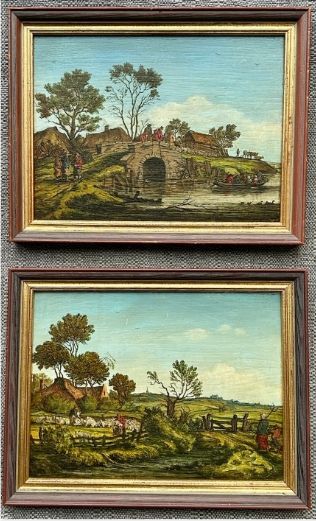
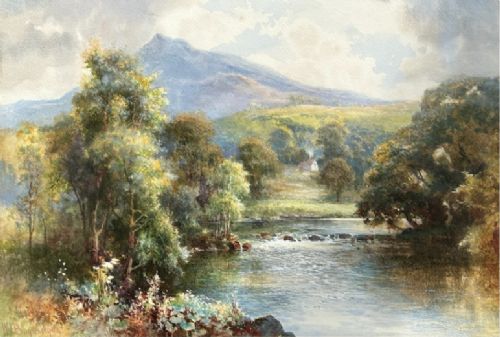
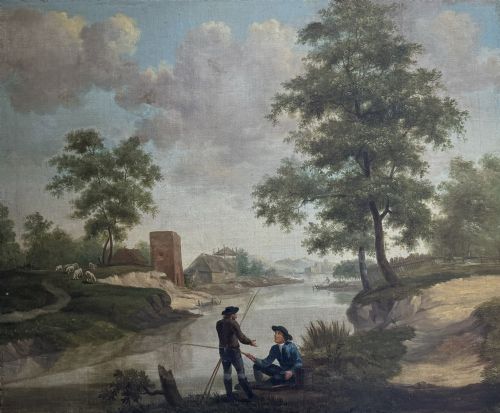
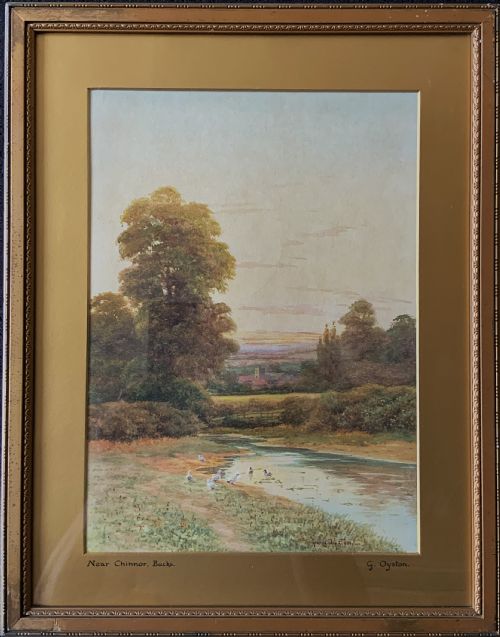
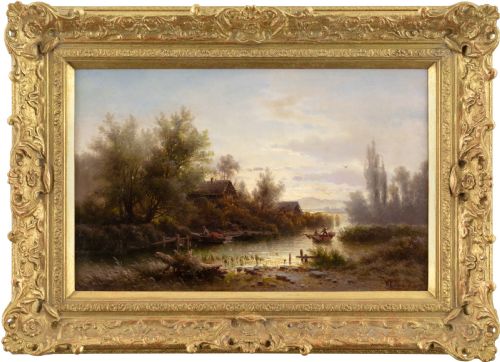
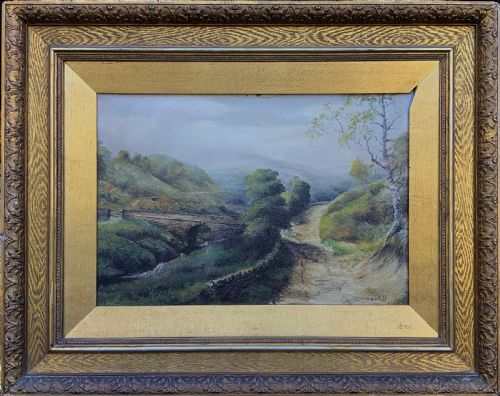
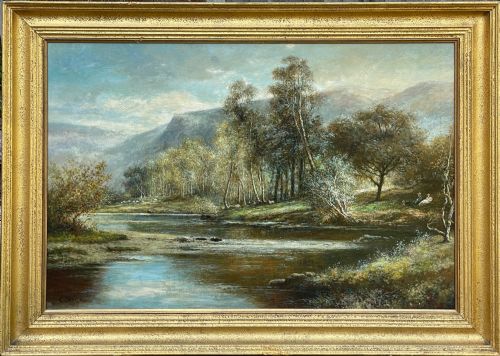
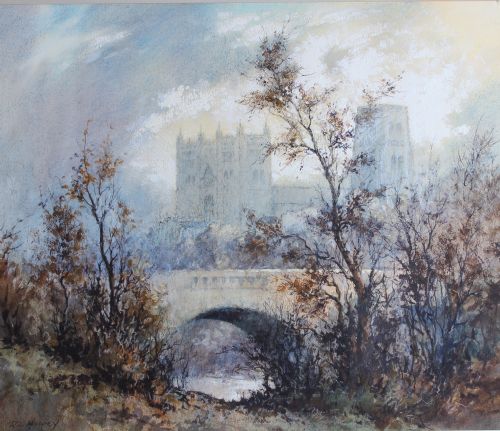
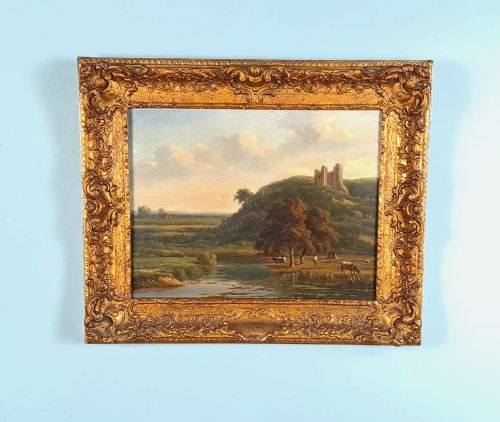
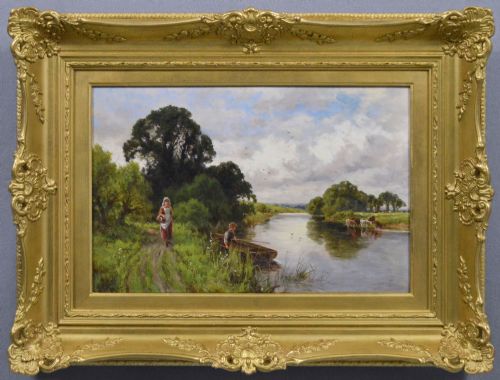
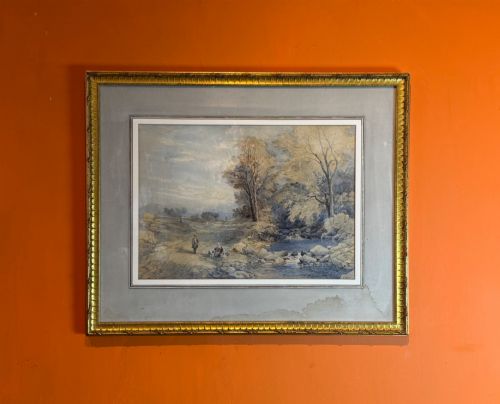
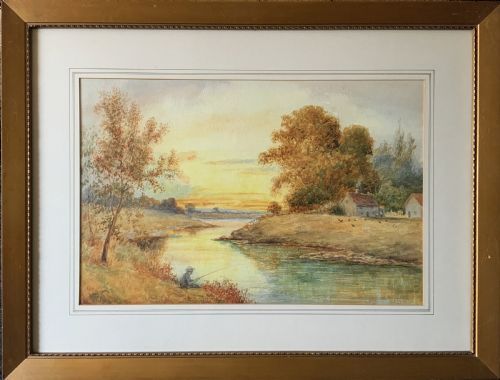
A traditional river landscape painting presents scenes of rural waterways, bridges, locks, and pastoral riverbanks from the nineteenth and early twentieth centuries. These works frequently depict recognizable British and continental river valleys, often populated with figures fishing, boating, or tending livestock.
The selections available lean heavily towards Victorian and Edwardian interpretations, spanning detailed oil canvases to luminous watercolours on paper. Artists recorded specific locales ranging from the Thames and the Stour to Welsh and Scottish river views.
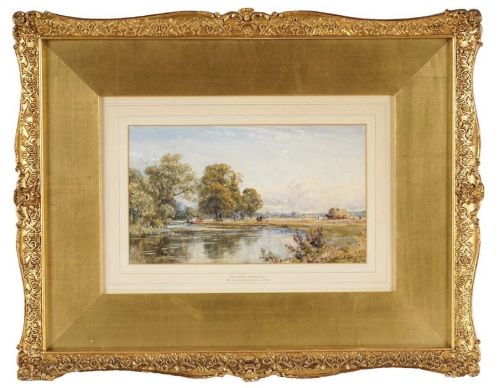
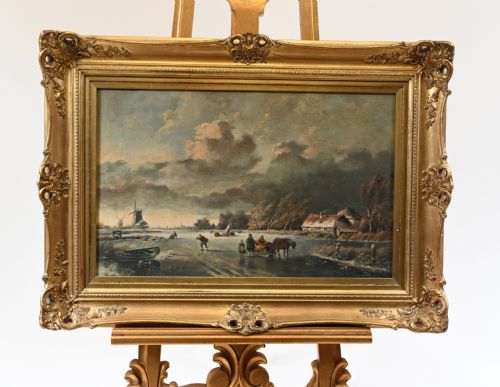
Framed typically in period giltwood or gesso mouldings, these artworks function primarily as classic wall art designed to bring natural serenity into domestic interiors.
How They Were Made
Makers applied oil paints to woven canvas or prepared wood panels, building rich textures and atmospheric light effects. Alternatively, watercolour pigments were washed across heavy paper to capture the transient effects of light on water.
Traditional River Landscape Painting Retail Price Guide 2026
Typical asking prices for traditional river landscape painting among the pieces listed under this phrase on Sellingantiques today, from the lower quarter to the upper quarter. They describe what is for sale here now, not the wider market.
Listings feature works executed in oil on canvas, watercolour on paper, and oil on wood panels.
What Varies In Quality
The hierarchy of quality rests upon the surety of the artist's brushwork and the subtlety with which natural light and water reflections are rendered. Finer examples display an acute sensitivity to atmospheric perspective, distinguishing atmospheric depth from flat, formulaic composition.
The integrity of the primary support, whether canvas, wood panel, or paper, alongside the preservation of the original gilt frame, contributes significantly to the standing of any given piece.
Alfred Young Nutt·William Joseph Boyes·Robert Thorne Waite·George Oyston·Albert Rieger·Sydney Yates Johnson·John Horace Hooper·Archibald Kay·Alexandre Le Bihan·Thomas Baker·Henry John Kinnaird·Thomas Bush Hardy·Alfred Augustus Glendening·Owen Bowen·William Sydney Cooper·Stanley Leader
The Traditional River Landscape Painting Glossary
- Oil on Canvas
- Pigments suspended in drying oil applied to a stretched woven fabric support. This combination allows for rich blending and textured impasto work.
- Watercolour
- Pigments bound in a water-soluble medium applied to paper. It relies on the white of the paper shining through translucent washes.
- Giltwood
- Wood carved and coated with gold leaf or a gold-coloured metallic finish. It forms the decorative border typical of period frames.
- Gesso
- A plaster-like mixture applied to wood or canvas to create a smooth surface for painting or moulding. Frames often feature ornate gesso relief work.
- Wood Panel
- A rigid wooden board utilised as a painting support before canvas became dominant. Artists favoured panels for stability and smooth detail work.
Traditional River Landscape Painting: Frequently Asked Questions
What periods do these river paintings span?
The works predominantly originate from the nineteenth and early twentieth centuries, encompassing Victorian and Edwardian stylistic movements.
Creators during this era focused heavily on naturalistic depictions of rural waterways and pastoral life.
How were these artworks traditionally displayed?
Pieces were typically housed in ornate giltwood or gesso frames designed to complement the domestic interiors of period homes.
These heavy frames added structural presence and highlighted the depth of the painted scenes.
What subjects feature in these landscapes?
Common motifs include figures fishing under willow trees, mills, locks, and riverside cottages along notable waterways like the Thames and the Stour.
Artists frequently documented specific British, Welsh, and continental European river valleys.
How do I care for antique watercolours?
Watercolour paintings on paper require protection from direct sunlight to prevent the fading of delicate pigments.
Maintaining stable indoor humidity levels also helps preserve both the paper support and the surrounding frame.