


Victorian Gilt Frame Art
When you search for victorian gilt frame art, you discover period paintings and mirrors bound in ornate metallic surrounds.
Victorian Gilt Frame Art
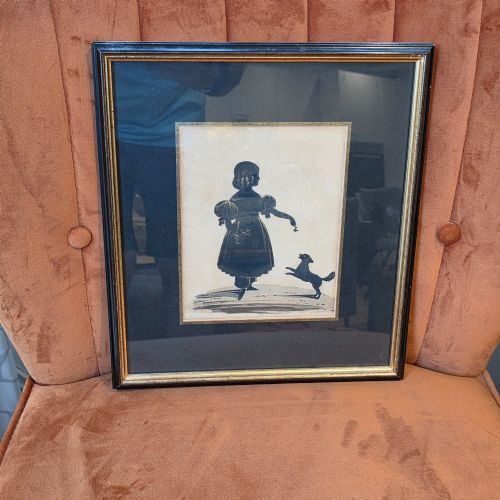
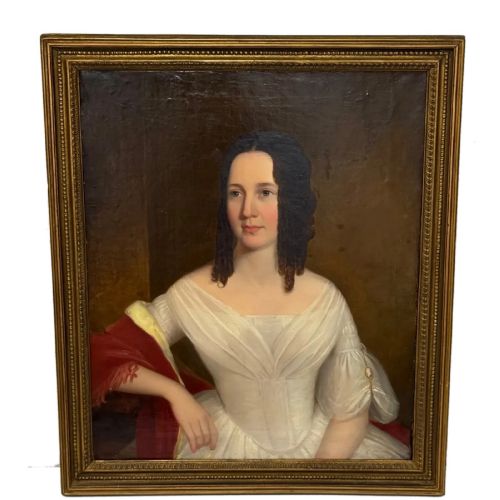
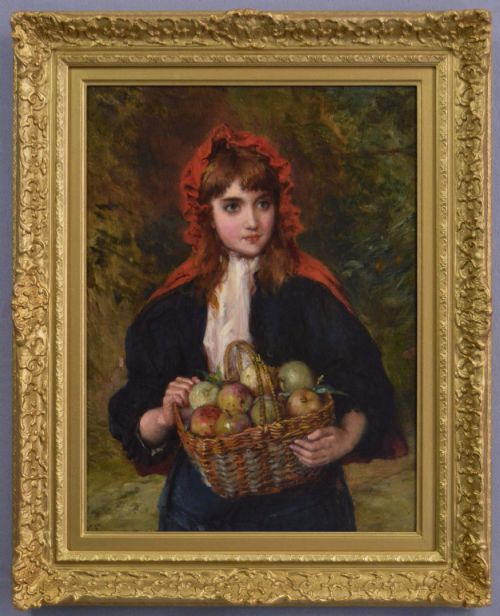
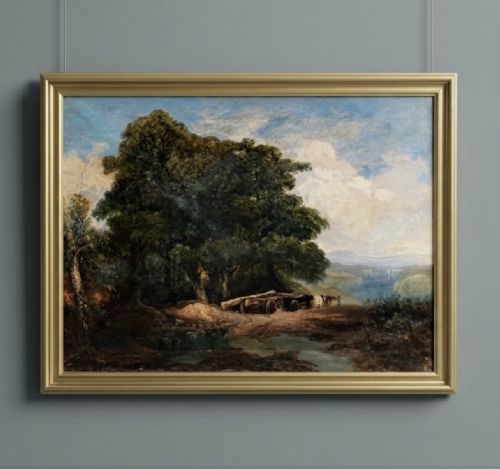
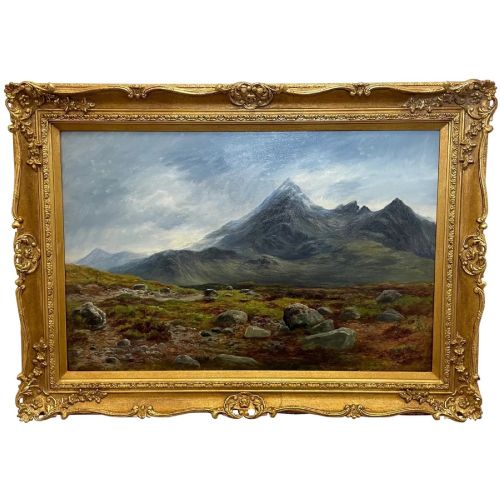
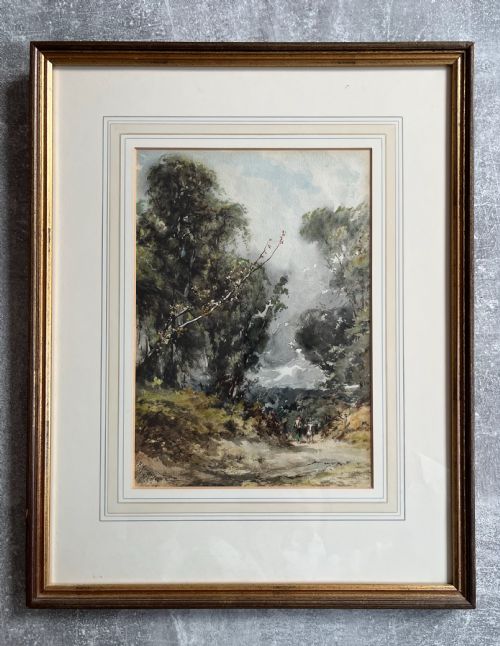
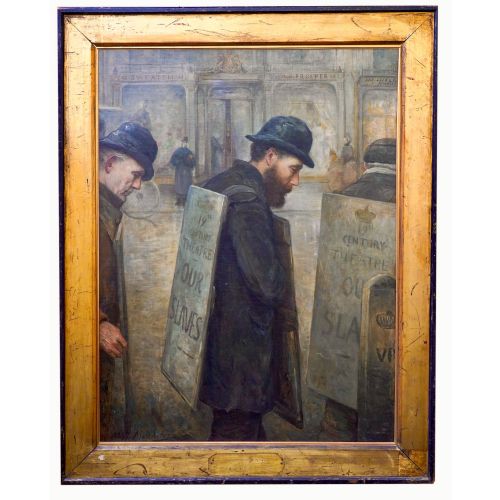
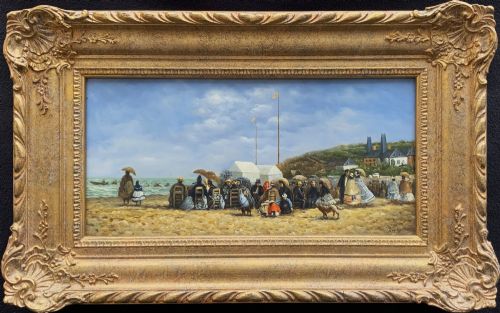
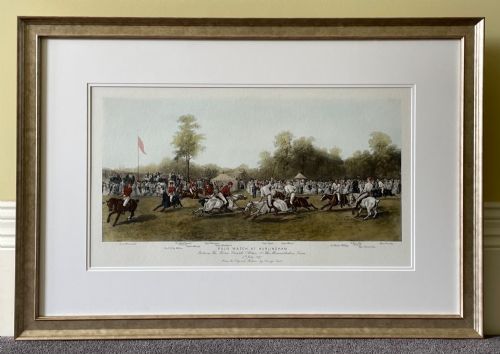
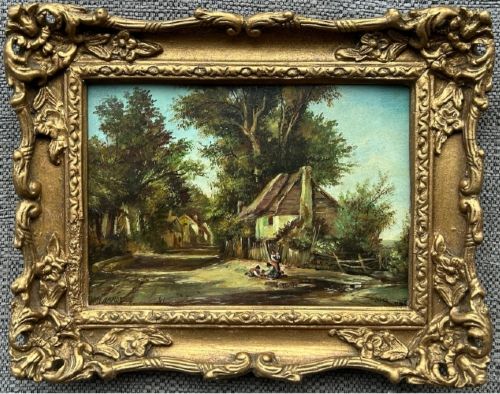
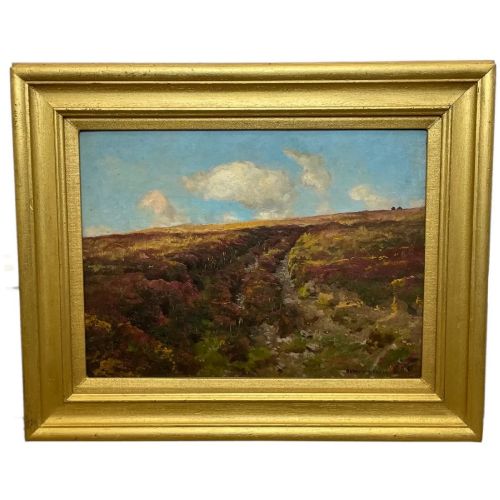
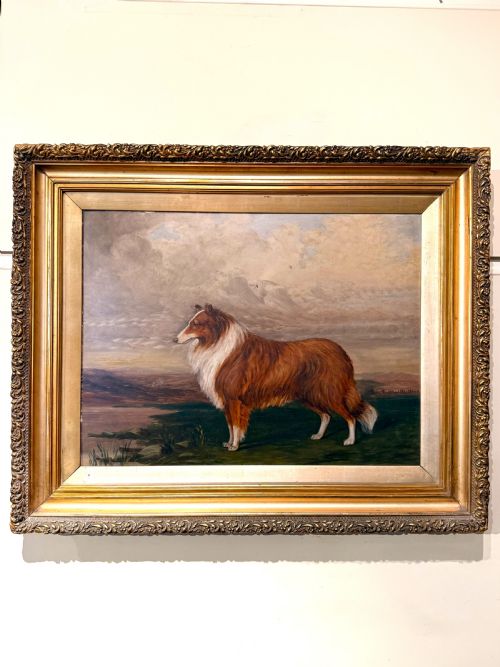
Victorian gilt frame art encompasses oil paintings, watercolours, and mirrors produced during the nineteenth century and housed in contemporary metallic borders. These works range from grand pastoral landscapes and maritime scenes to intimate portraits and still lifes.
The most common examples on this page pair nineteenth-century canvases or paper works with heavy wooden surrounds finished in gold leaf or tinted gesso. Many retain their original maker inscriptions, labels, or period glazing that protects the artwork within.
Subjects frequently reflect the academic and romantic tastes of the era, spanning British and European schools. Buyers encounter everything from rustic village harbours to formal military portraits, each defined by the distinct profile of its period border.
Materials and Construction
Makers constructed the structural bases of these surrounds from seasoned wood such as pine or oak, then applied layers of gesso to build up sculptural relief ornament. Artisans carved intricate patterns directly into the composition or moulded plant-based pastes into repeating motifs along the edges.
Surrounds received their golden appearance through the application of delicate metal leaf or bronze powder suspended in a binder. Canvases were stretched across wooden keys and secured with handmade tacks before insertion into the finished housing.
Listings feature nineteenth-century oil paintings, watercolours, and lithographs housed in decorative wood, gesso, and giltwood surrounds.
Factors of Distinction
The depth of relief moulding and the complexity of corner ornaments separate standard production from superior examples. Elaborate egg and dart patterns or deep cavetto profiles demand greater artisan skill than flat, plain-edged wooden strips.
Originality heavily influences the standing of a piece, particularly when the painting and its housing share a continuous history. The integrity of the original gold leaf surface, free from unsympathetic overpainting, distinguishes finer survivals.
William James Hubard·Richard Sebastian Bond·William Beattie-Brown·George Fotherly Hargitt·Felix Stone Moscheles·John Maler Collier·Dumini Leopoldo·William Howard Hardy·Arthur Wardle·John Horace Hooper·William McAlpine·Alfred Fontville de Breanski Jr·Oliver Clare·Edward Mills·Sir Joshua Reynolds·William Banks Fortescue·Stephen Samuel Lewin·John Rose Miles·Vittorio Reggianini·Thomas W Lascelles·Julius Hare
The Victorian Gilt Frame Art Glossary
- Gesso
- A fine plaster mixture applied to wood bases as a preparation for gilding. It allows artisans to carve intricate relief patterns before applying gold leaf.
- Giltwood
- Timber that has been coated with thin layers of gold leaf or metal powder. This technique provides a luminous metallic finish that reflects candlelight and interior illumination.
- Lithograph
- A print made from a flat stone or metal plate on which an image is drawn with a greasy substance. These mechanical reproductions often appeared in period frames during the later nineteenth century.
- Intaglio
- A gem or gemstone carved with a design depressed below the surface. Collectors assembled these miniature works into grand tour collections during the Victorian era.
- Canvas
- A heavy woven fabric stretched across a wooden frame to serve as a support for oil paint. It forms the primary ground for most nineteenth-century pictorial works.
Victorian Gilt Frame Art: Frequently Asked Questions
How do I clean a gilt frame?
Dust the surface gently with a very soft, dry brush to remove settled particles without disturbing the delicate metallic leaf. Avoid using water, chemical solvents, or abrasive cloths, which strip away the historic finish.
Inspect the edges regularly for loose gesso or flaking gold leaf. Professional conservators should handle any structural repairs or deep cleaning to preserve the integrity of the piece.
Were these frames made for the paintings?
Many Victorian artworks remain in their original housings, fitted specifically to the dimensions of the canvas during the nineteenth century. Matching rebates and period framing techniques often confirm that the painting and surround belong together.
Subsequent owners occasionally swapped artworks into new surrounds that matched changing domestic interior fashions. Checking for original corner joints and consistent ageing helps determine if the pairing is contemporary to the creation date.
How do I hang heavy framed art safely?
Support the substantial weight of these pieces using sturdy picture wire attached to heavy-duty D-rings screwed directly into the wooden structural rails. Avoid relying on delicate decorative mouldings or old backing boards to bear the load.
Anchor your wall fixings into solid masonry or wooden studs rather than relying solely on plasterboard. Ensure the hanging height places the centre of the composition at eye level for optimal viewing.
What causes the surface to crack?
Fluctuations in household temperature and humidity cause the underlying wooden base and gesso layers to expand and contract at different rates. This natural movement eventually produces fine network cracking across the decorative relief.
Protect your pieces by keeping them away from direct sunlight, radiators, and damp exterior walls. Maintaining a stable indoor climate prevents further deterioration of both the artwork and its housing.