

British Rural Oil Paintings
British rural oil paintings capture the quiet character of the countryside through enduring pastoral scenes.
British Rural Oil Paintings
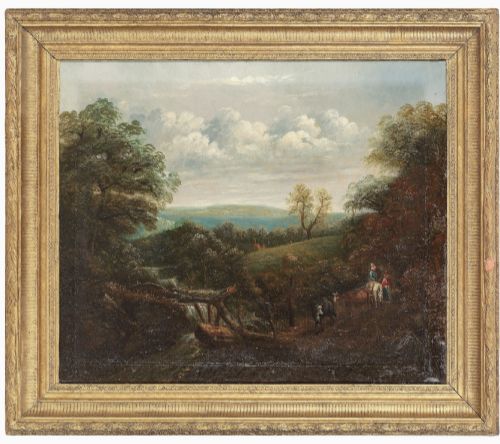
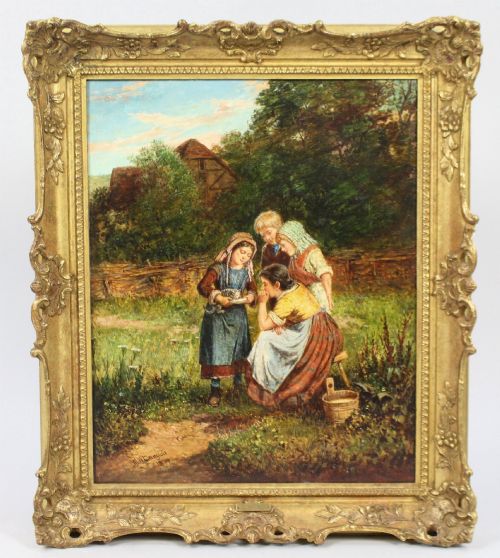
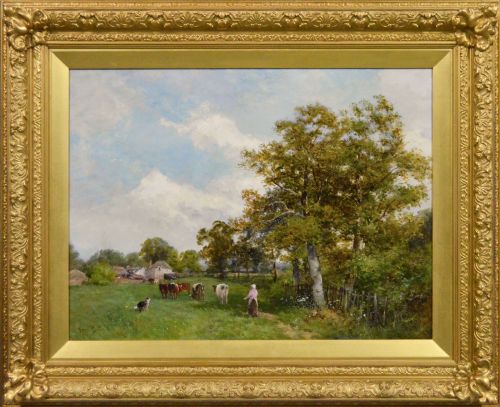
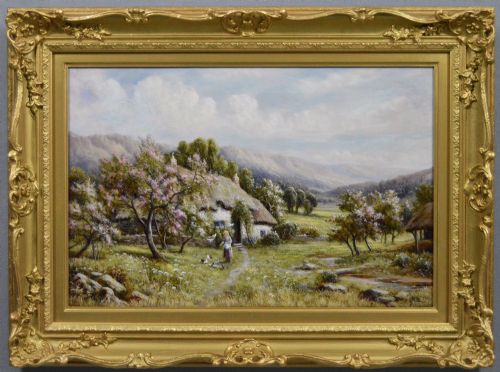
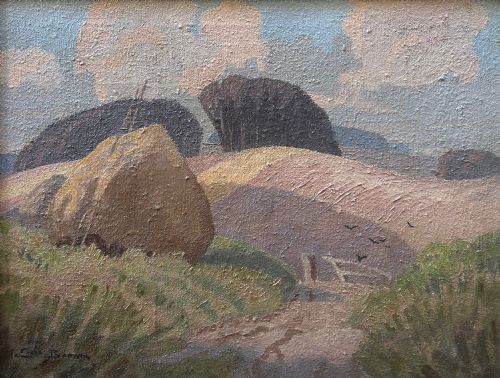
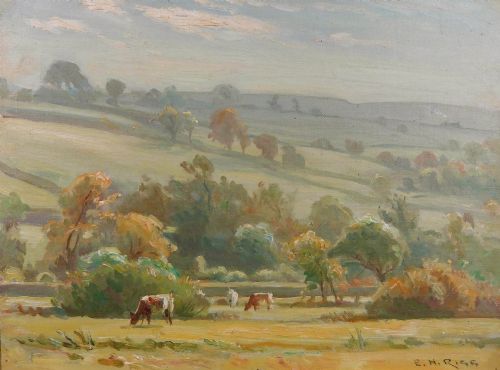
British rural oil paintings depict countryside scenes, agricultural life, cottages, rivers, and pastoral landscapes created across the nineteenth and twentieth centuries. These works reflect changing artistic interpretations of the British landscape from the Victorian period through to the early twentieth century.
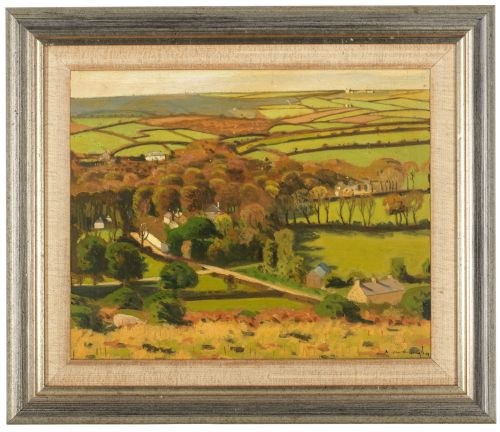
The selections available here range from works attributed to the Norwich School and Victorian realists to later pieces influenced by British impressionism and modern regional movements. Collectors encounter diverse regional views spanning Yorkshire, Cornwall, Kent, and the Home Counties.
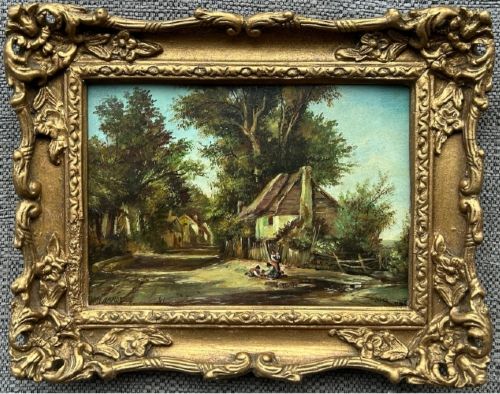
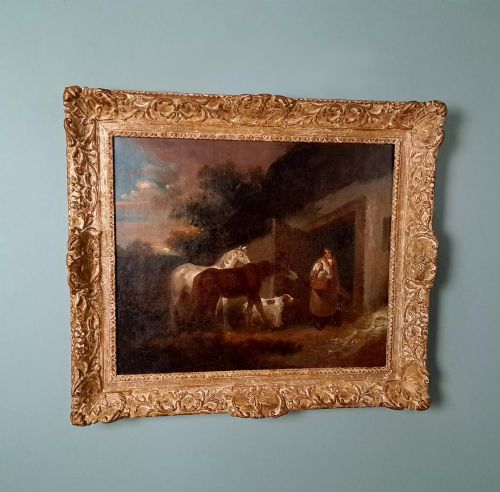
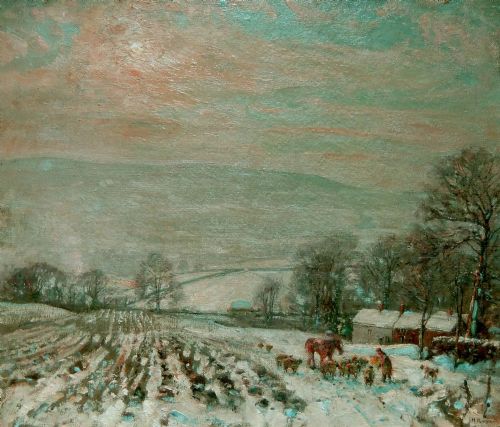
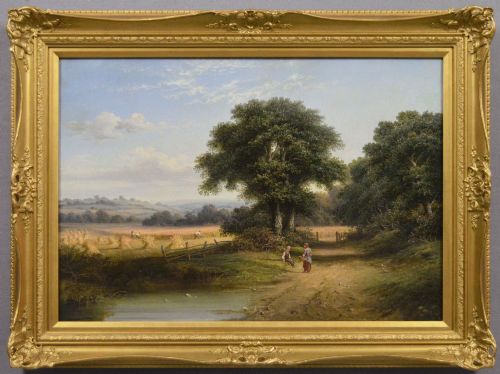
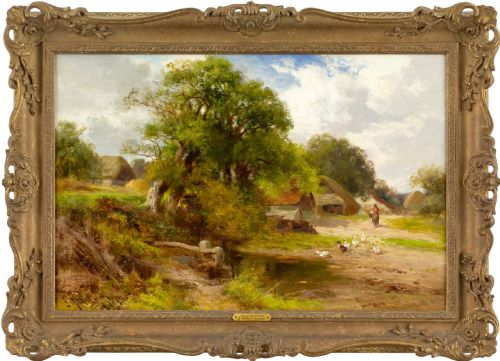
Most examples concentrate on everyday agrarian activities such as harvesting, herding cattle, tending sheep, or figures outside thatched cottages. These compositions provide a direct visual record of rural life before widespread industrialisation altered the countryside.
Materials and Techniques
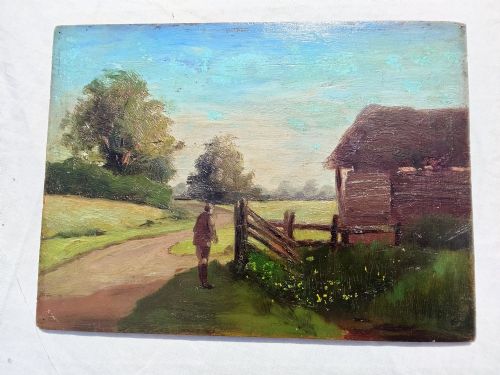
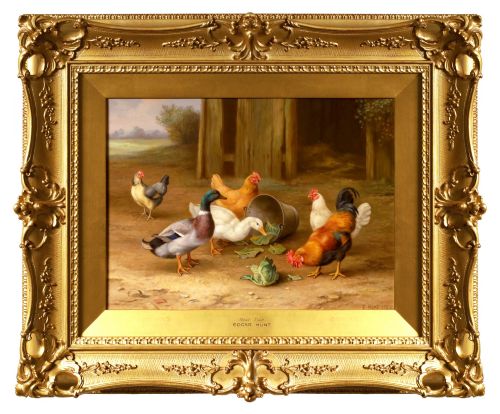
Artists painted primarily with oil paint applied to stretched canvas, wooden panels, or wooden boards, utilising the medium's slow drying time to blend tones and build rich textures. These grounds were frequently housed in period gilt wood frames that complemented the visual depth of the pigment.
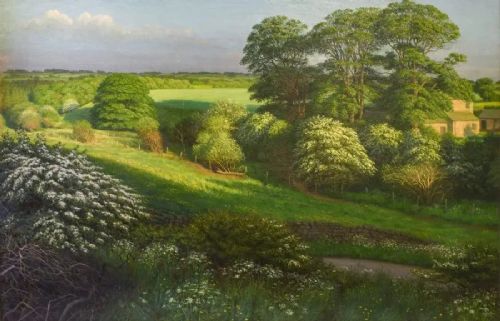
Brushwork varies from the tight, detailed realism characteristic of nineteenth-century Victorian pastoral scenes to the looser, more expressive application seen in later impressionist and modern British works. Pigments were layered to capture changing natural light, atmospheric conditions, and the varied textures of foliage, soil, and water.
Distinguishing Quality in the Range
Quality rests upon the artist's ability to handle light, atmospheric perspective, and naturalistic detail within the composition. Stronger works demonstrate confident brushwork and a coherent sense of space that brings depth to the landscape.
The handling of figures and animals relative to their surroundings also distinguishes finer examples from simpler decorative works. Furthermore, the preservation of the original paint surface and the appropriateness of the frame contribute to the overall integrity of the piece.
George Graham·William Howard Hardy·William Joseph Shayer Senior·Herbert Royle·Robert Morson Hughes·Mark William Langlois·David Bates·Robert John Hammond·Walter Heath Williams·John Horace Hooper·Raymond Booth·Eric Brown·Ernest Higgins Rigg·Edgar Hunt·William Greaves·Sydney Yates Johnson·Owen Bowen·Harry Freckleton·William Henry Mander·William JB Jenkins·Reginald Grange Brundrit·Henry John Yeend King·Henry John Boddington·Frederick James Knowles·Frank Percy Wild
The British Rural Oil Paintings Glossary
- Canvas
- A heavy woven fabric stretched across a wooden frame to serve as a support for oil painting. It provides a textured surface that interacts with the applied layers of pigment.
- Gilt Wood
- Wood carved and coated with gold leaf or metallic gilt, commonly used for period picture frames. This finish enhances the visual warmth of the surrounding artwork.
- Norwich School
- A regional collective of artists influenced by Dutch landscape traditions who painted local Norfolk scenery. It represents the first provincial art movement in Britain.
- Genre Painting
- Artwork depicting scenes from everyday life, typically involving ordinary people engaged in common activities. In rural contexts, this includes farm labour or domestic cottage scenes.
- Panel
- A flat piece of wood used as a rigid support for oil painting instead of canvas. Wooden boards offered a smooth, stable surface favoured by many nineteenth-century painters.
British Rural Oil Paintings: Frequently Asked Questions
What subjects appear in these paintings?
These works primarily feature agricultural landscapes, harvest fields, river valleys, and pastoral scenes with figures, livestock, and cottages. Artists focused on the daily rhythms of country life.
Common motifs include sheep grazing on moors, geese near ponds, and farmyards nestled among trees. Each canvas records specific regional topography across Britain.
How do I date a British rural oil painting?
Dating relies on stylistic evidence, signatures, artist biographical records, and framing materials. Victorian works often show tighter detail, whereas later pieces exhibit looser brushwork.
Exhibition labels, inscriptions on the reverse, or canvas stamps also provide chronological clues. Comparing the subject's clothing and agricultural tools helps narrow the period.
Where should I hang an oil painting at home?
Oil paintings require placement away from direct sunlight, high humidity, and rapid temperature fluctuations. Stable indoor environments prevent the canvas and wooden frame from warping.
Allowing adequate wall space lets the framing and brushwork be appreciated without crowding. Proper hanging height ensures the landscape can be viewed comfortably at eye level.