
English Country Landscape Artwork
English country landscape artwork captures rural scenes through traditional media, offering buyers a window into historic pastoral life.
English Country Landscape Artwork
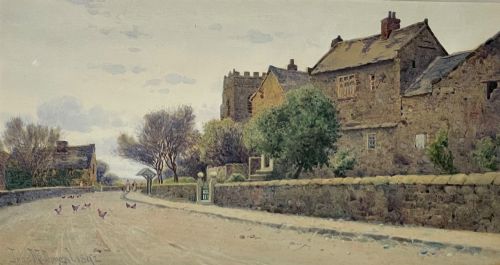
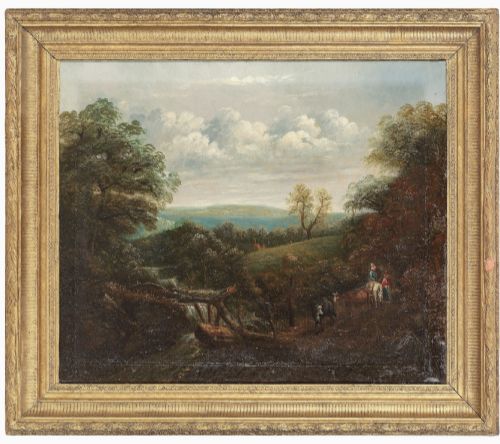
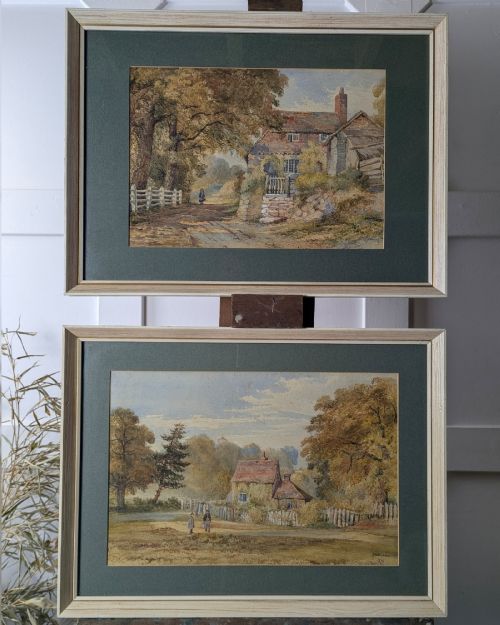
Buyers exploring English country landscape artwork encounter a wide variety of rural depictions spanning the nineteenth and twentieth centuries. These pieces typically record agricultural fields, village paths, river valleys, and coastal regions using traditional painting and drawing techniques.
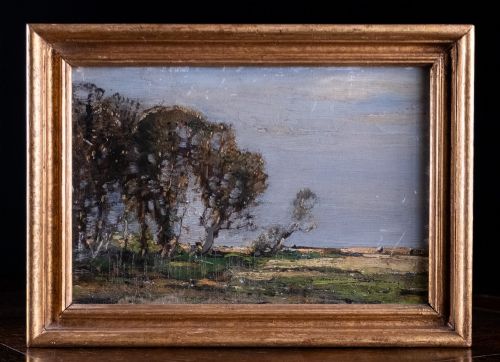
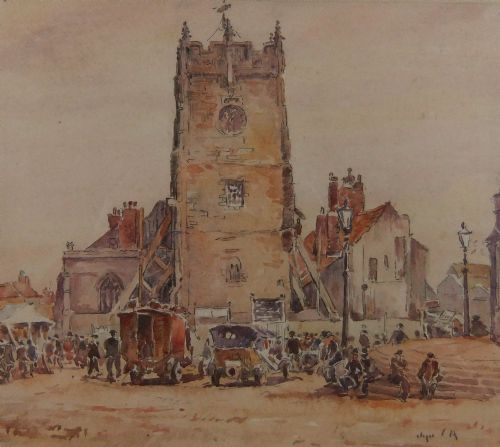
The selections on this page are predominantly composed of watercolours and oil paintings created by regional artists working within British School traditions. Victorian and Edwardian examples appear frequently, alongside works stretching back to the late eighteenth century and forward into the mid-twentieth century.
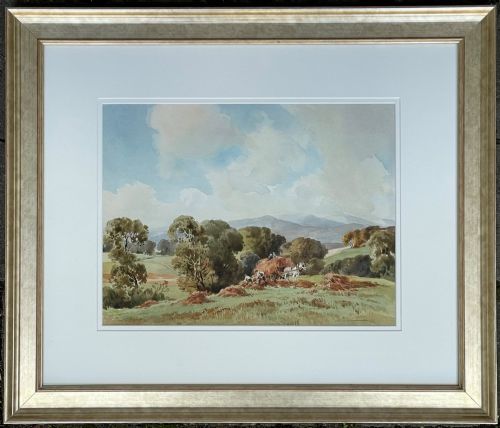
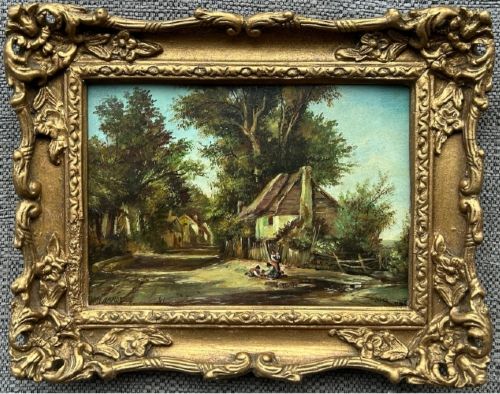
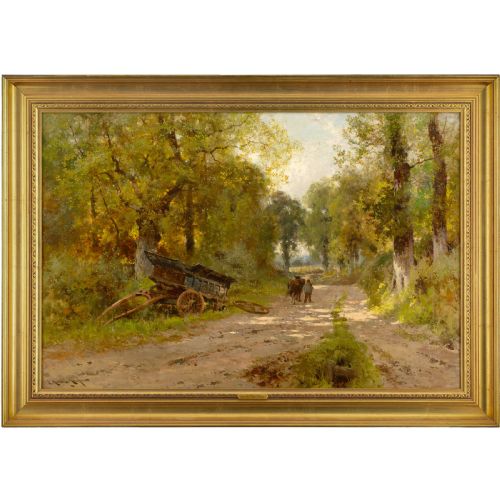
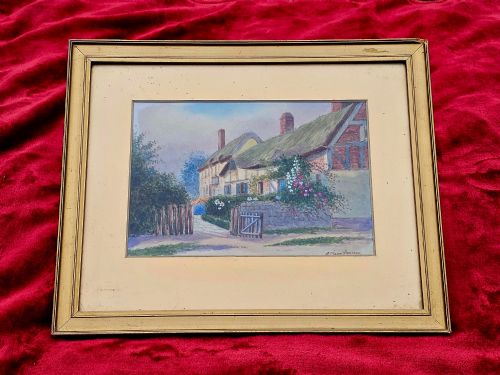
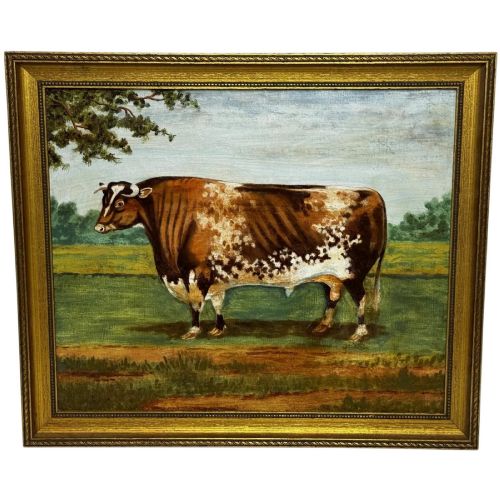
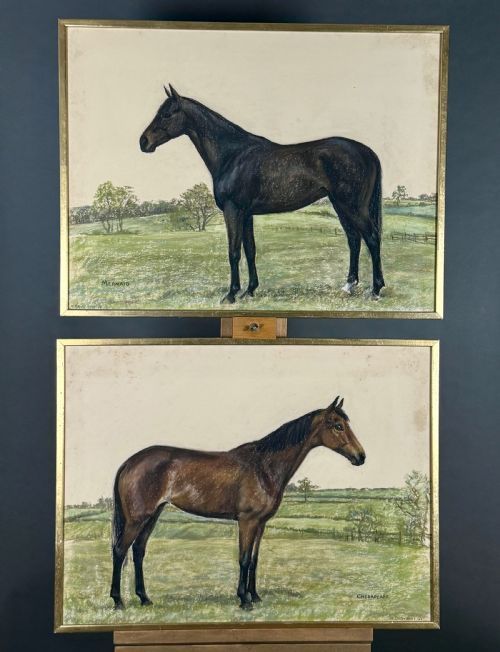
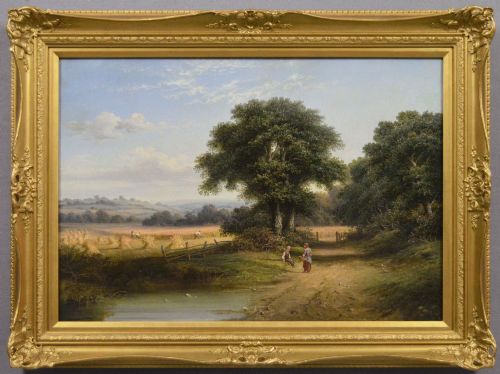
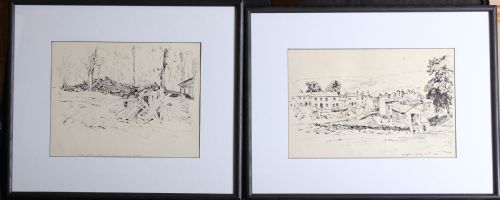
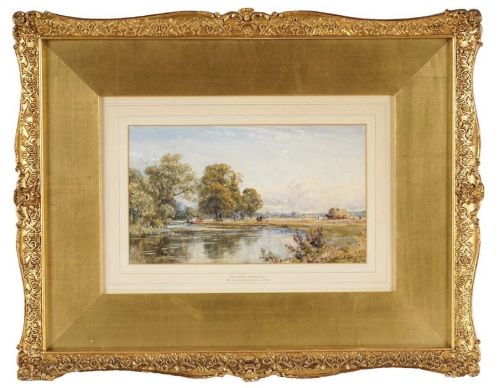
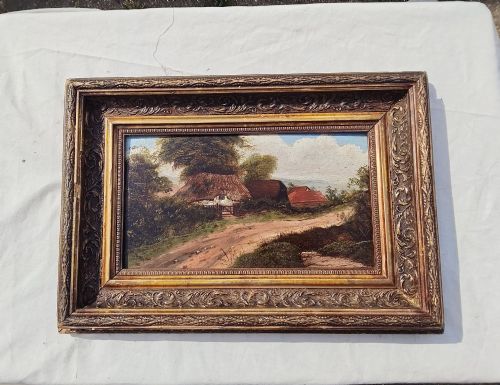
Many works focus on everyday rural occurrences, such as harvest fields, cottages, livestock, and country lanes. These creations range from intimate pencil sketches on paper to large oil paintings on canvas and wooden panels, framed in wood or gilt settings.
Materials and Methods
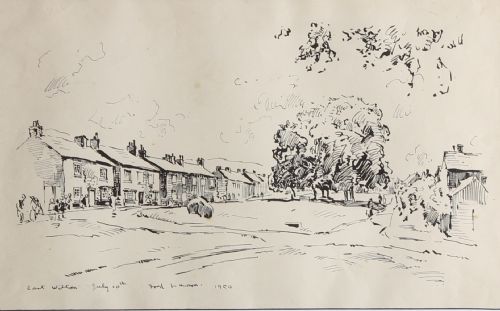
Artists relied primarily on oil paint applied to canvas, wooden board, card, or panel, as well as watercolour pigments worked onto paper. Pencil and ink drawings also form a significant portion of the output, capturing preparatory lines and tonal depth.
Supports varied according to the medium and period, with heavier wooden boards and stretched canvases holding thick oil applications, while delicate watercolours rested on paper protected beneath glass and framed in wood or gilt wood.
Listings feature paper, canvas, wood, glass, and gilt wood, supporting works created between the late eighteenth and mid-twentieth centuries.
Evaluating Quality
The strength of a composition rests on the artist's handling of light, atmosphere, and spatial depth within the rural setting. Stronger pieces demonstrate confident brushwork or precise watercolour washes that define foliage, water, and architecture with clarity.
Condition plays a part in distinction, particularly the preservation of pigment vibrancy on paper or canvas and the structural integrity of the original wooden or gilt frames. Works bearing clear attribution to recorded artists or specific named locations generally command greater interest.
Percy Lancaster·William Howard Hardy·John Horace Hooper·A. Marie Parsons·John McDougal·Kershaw Schofield·Robert A. Nottingham·Walter Heath Williams·Fred Lawson·Robert Thorne Waite·John Smith Atherton·Thomas Sidney Cooper·Raymond Booth·Ernest Arthur Rowe·Frederick Walker·John Sargent Noble·Herbert Royle·Henry Yeen King·C R Breytle·T C Hofland·Henry H Parker·Miles Birkett Foster·Herman S Melville·George Morland·Hubert Wellington
The English Country Landscape Artwork Glossary
- Oil on Canvas
- Pigment mixed with drying oil applied to a woven fabric stretched across a wooden frame. This method allows for rich colour blending and textured surfaces.
- Watercolour Painting
- Pigments suspended in a water-soluble vehicle applied to paper surfaces. It produces luminous washes and transparent tonal effects.
- British Impressionism
- A late nineteenth and early twentieth century painting style focusing on light, loose brushwork, and everyday subjects. Practitioners often worked outdoors to capture natural illumination.
- Norwich School
- A regional collective of artists active in the early nineteenth century depicting local Norfolk scenery. Their output forms an important part of traditional British landscape painting.
- Gilt Wood
- Wooden framing treated with a thin layer of gold leaf or metallic gilding. It provides a decorative and protective border for paintings and works on paper.
English Country Landscape Artwork: Frequently Asked Questions
What is English country landscape artwork?
These pieces comprise paintings, watercolours, and drawings depicting rural scenes, villages, and countryside views across Britain.
Created across various historical periods, they serve as historical records of changing agricultural and domestic environments.
How were these landscape paintings used?
Historically, these artworks were displayed in domestic interiors to bring views of nature and rural estates indoors.
They functioned as decorative wall art and reflections of the owner's appreciation for pastoral life.
How do I live with antique watercolours?
Works on paper require protection from direct sunlight to prevent fading of delicate watercolour pigments over time.
Keeping them behind glass in stable indoor environments helps preserve the paper support and framing.
How can I tell the periods apart?
Nineteenth-century pieces often show traditional academic techniques or romanticized rural scenes, while Edwardian and later works embrace brighter palettes and looser brushwork.
Examining the framing materials, canvas supports, and artist signatures provides further chronological clues.