

Original Scottish Artwork
Original Scottish artwork brings together centuries of coastal views, Highland landscapes and portraiture captured by artists working across the nation.
Original Scottish Artwork
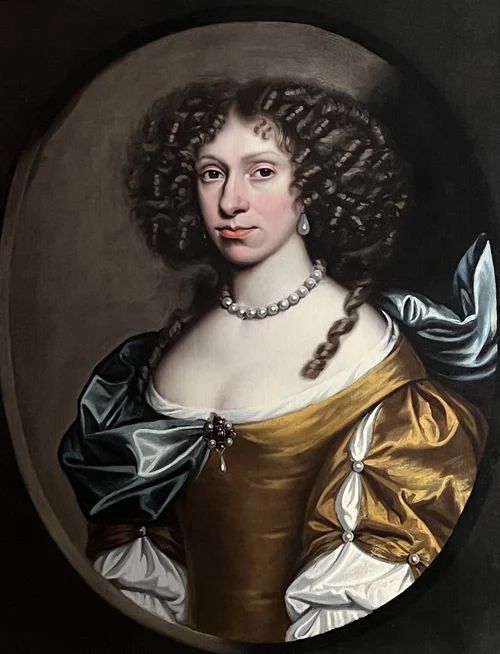
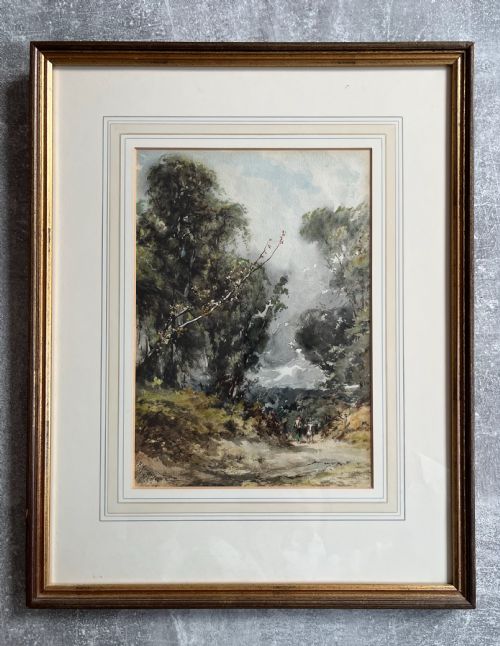
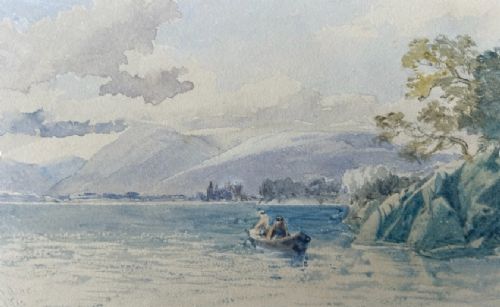
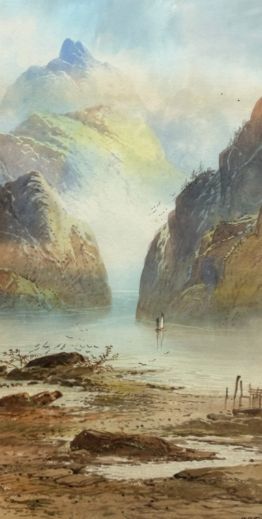
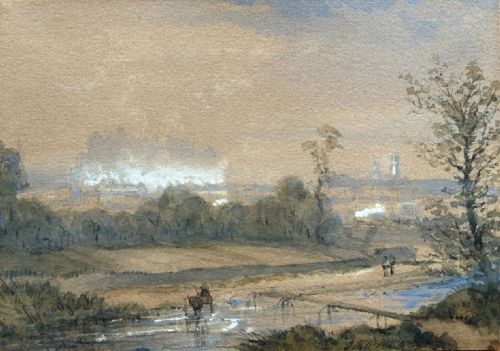
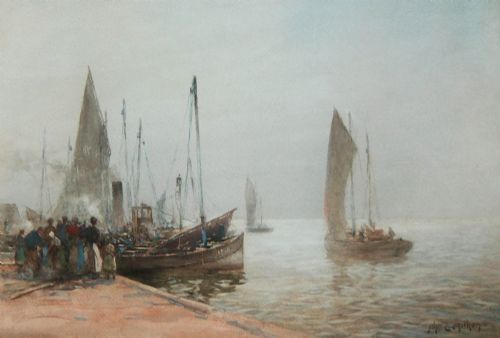
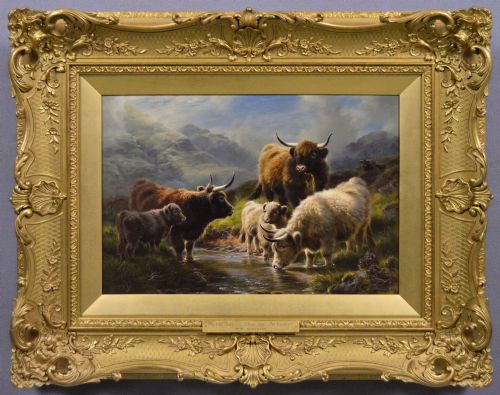
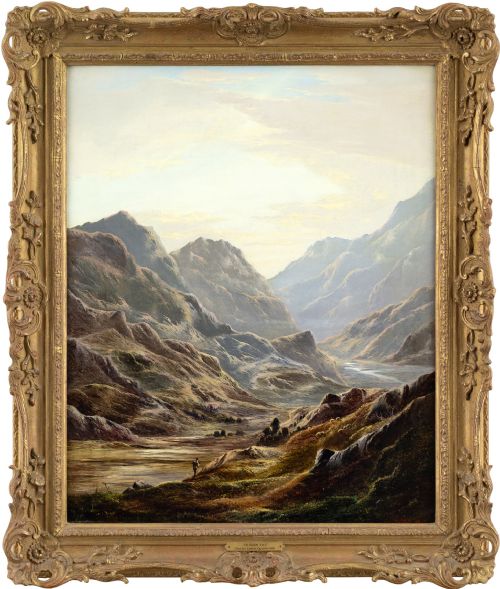
Original Scottish artwork encompasses a wide range of paintings, watercolours, drawings and etchings spanning from the seventeenth century through to the mid-twentieth century. When searching for original Scottish artwork, collectors encounter nineteenth-century watercolour landscapes of locations such as Loch Awe and Edinburgh, alongside Victorian oil paintings depicting Highland cattle and coastal scenes.
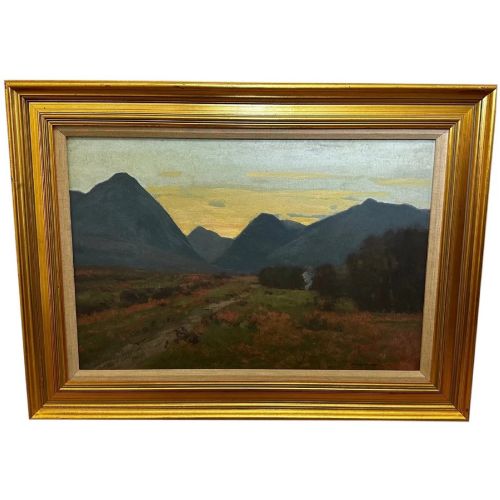
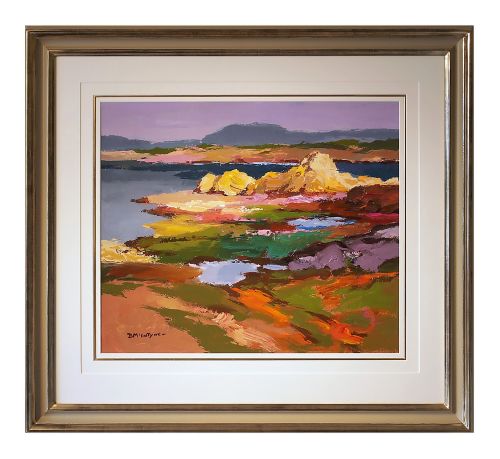
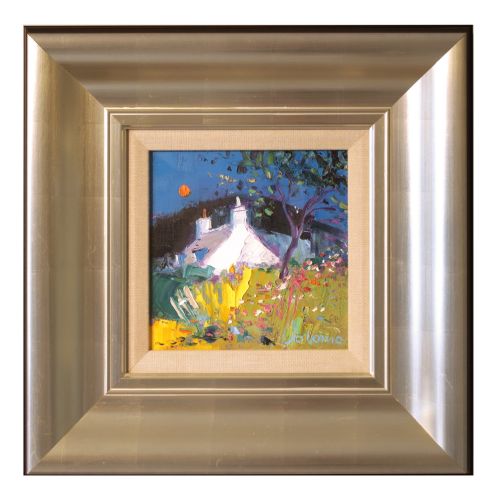
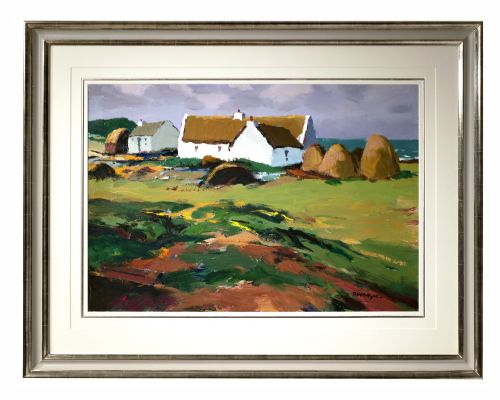
The selection also reaches into the twentieth century with works reflecting Scottish Impressionism, Modern British art and mid-century abstraction. These pieces capture the changing character of northern topography, from quiet rural crofts to vibrant coastal towns.
Materials and methods
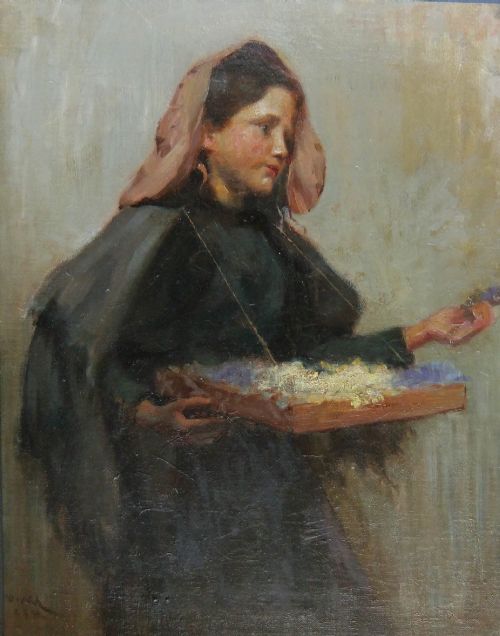
Painters working on these subjects utilised oil paint applied to canvas, wood panels or board, building up rich textures that often employed impasto techniques to describe water and rugged terrain. Watercolours on paper offer a lighter, more transparent medium frequently chosen for detailed topographical views and botanical studies.
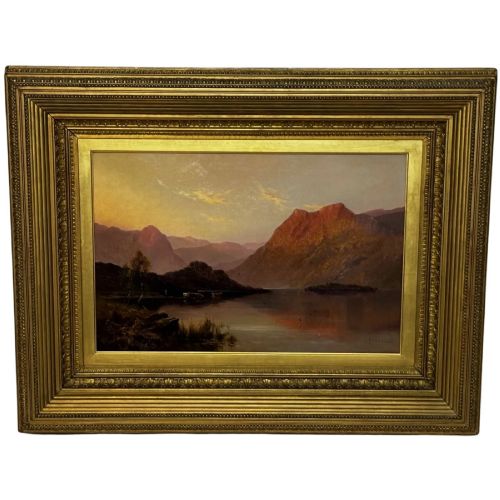
Framing forms an integral part of these works, with many surviving in period gilt frames that complement the depth of the pigments and the scale of the composition.
Several canvases capture cows stubbornly lingering in Highland mists, proving that Scottish weather has baffled livestock for generations.
Distinctions in quality
The distinction between standard examples and the finest works lies in the sureness of the brushwork and the clarity of the light captured by the artist. Stronger pieces display a confident handling of atmosphere and depth, particularly in difficult subjects like sweeping Highland mists or shifting coastal waters.
Condition also plays a vital role, with well-preserved surfaces retaining their original pigment intensity and paper or canvas remaining stable without excessive restoration.
DAVID SCOUGALL·George Fotherly Hargitt·Thomas Miles Richardson Jnr·William Henry Earp·John R Prentice·Tom Campbell·Alfred Fontville de Breanski Jr·James E. Aitken·George Houston·Donald McIntyre·John Lowrie Morrison OBE·William Watson Jnr·Charles James McCall·Charles Leslie·William Watt Milne·Alexander Jamieson·Everett Watson Mellor·Ralston Gudgeon·John Moxon·William George Tennick·Archibald Kay·Sir David Murray·William Littlejohn·Frank Hider·J D Fergusson
The Original Scottish Artwork Glossary
- Impasto
- Paint applied thickly to a canvas or panel so that it stands out from the surface, creating a distinct three-dimensional texture. This technique is frequently seen in impressionist landscapes to suggest movement in water or rough ground.
- Watercolour
- A paint consisting of pigment suspended in a water-soluble binder, traditionally applied to paper. It allows for delicate washes of translucent colour.
- Etching
- A printmaking process where lines are incised into a metal plate with acid before being inked and pressed onto paper. This method produces fine, precise linear detail.
- Scottish Impressionism
- A style of painting that emerged in the late nineteenth and early twentieth centuries, focusing on loose brushwork and the play of natural light. Practitioners aimed to capture the momentary visual effect of a scene rather than rigid topographical accuracy.
Original Scottish Artwork: Frequently Asked Questions
How do I identify a Scottish watercolour?
Scottish watercolours often depict recognizable landmarks such as Highland lochs, castles and Edinburgh streets, executed on paper and frequently signed by the artist. Many are accompanied by period gilt frames that reflect the era in which they were produced.
Examining the back of the frame or paper support can sometimes reveal old gallery labels or handwritten inscriptions detailing the specific Scottish location.
What subjects are common in these paintings?
Traditional Highland landscapes, coastal scenes, and agricultural views featuring sheep or cattle dominate the earlier periods. Later twentieth-century works introduce abstract interpretations and bolder colour palettes.
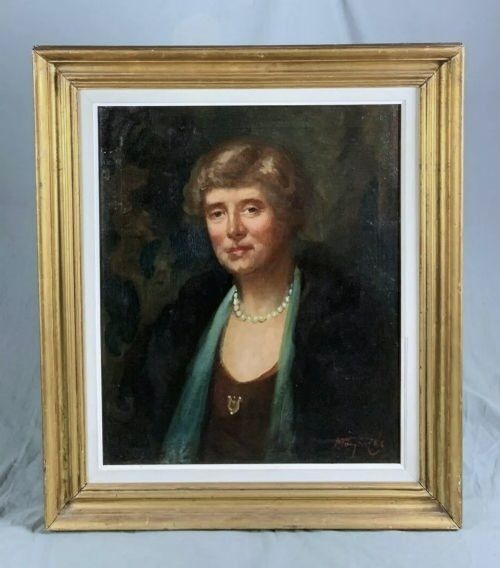
Portraiture also appears, depicting notable figures and local characters from various walks of Scottish life.
How should I care for an antique oil painting?
Keep oil paintings away from direct sunlight and fluctuating humidity levels to protect the canvas and the wooden stretcher bars behind it. Dust the surface very gently with a soft, dry brush without applying pressure.
Avoid using water or chemical cleaners on the paint layer, and consult a professional conservator if the varnish darkens significantly over time.
How do I date a nineteenth-century Scottish landscape?
Dating relies on stylistic clues, artists' active working years, and materials such as the type of canvas or board used. Signatures, dates inscribed on the reverse, and original framing styles offer further chronological evidence.
Comparing the handling of light and pigment to documented works by the same artist helps narrow down the decade of creation.