


Atmospheric Landscape Painting
An atmospheric landscape painting captures weather and light with mood, drawing you into coastal scenes, rivers, and quiet countryside.
Atmospheric Landscape Painting
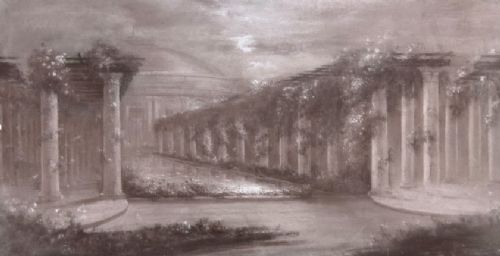
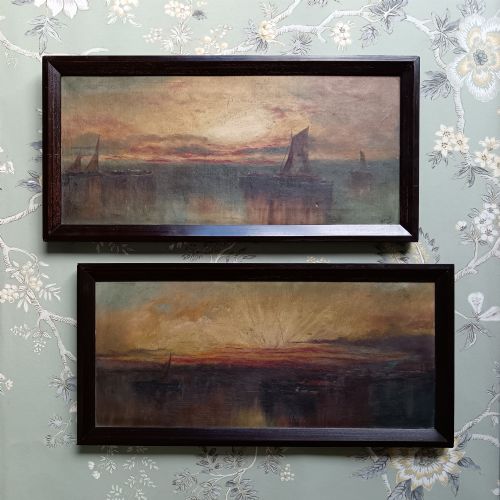
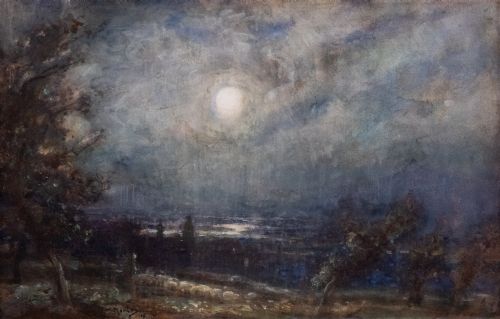
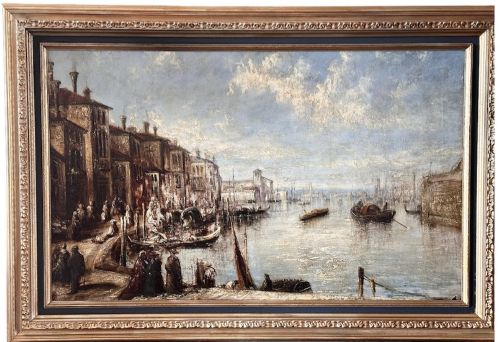
An atmospheric landscape painting focuses on weather, light, and mood rather than strict topographical detail. When you search for this phrase, you encounter works spanning the nineteenth century through the mid-twentieth century, encompassing Victorian, Edwardian, and modernist sensibilities.
The selections on this page feature oil on canvas, oil on panel, and watercolour on paper. Subjects range from marine coastal views and urban rivers to mountain ranges and quiet rural meadows.
What varies in quality
Quality rests in the artist's command of light, tone, and atmospheric depth rather than mere scale or subject matter. Superior works capture a convincing sense of weather, mist, or fading evening light through confident handling of paint or watercolour.
The strength of composition and the subtlety of the colour palette separate accomplished paintings from standard topographical records. Harmony between sky and landscape defines the more compelling examples on this page.
Several artists painted multiple views of Whitby, proving that rugged Yorkshire coastlines inspire stubborn repetition.
Thomas William Morley·Francis Moltino·Robert Leslie Howey·Charles Leslie·Gudrun Sibbons·Frank Wasley·Edward Seago·Owen Bowen·Fred Lawson·Herbert John Finn·James Kay
The Atmospheric Landscape Painting Glossary
- Plein air
- Painting outdoors to capture direct observations of light, atmosphere, and weather. This method was widely adopted by nineteenth and twentieth-century landscape painters.
- Tonalism
- An artistic style where shadow, mist, and dark palettes dominate to create a moody or mysterious atmosphere. It values overall mood over bright, defined detail.
- Watercolour pigment
- Fine colour particles suspended in a water-soluble binder, applied to paper. It produces translucent washes well suited to skies and water.
- Oil on panel
- Pigment bound in oil applied to a rigid wooden board rather than canvas. Panels offer a firm surface that suits direct, textured brushwork.
Atmospheric Landscape Painting: Frequently Asked Questions
What defines an atmospheric landscape painting?
These works prioritise mood, weather, and shifting light over strict cartographic accuracy. They often depict misty mornings, stormy skies, or quiet evening coastal scenes.
Artists used loose brushwork and tonal colour palettes to evoke an emotional response from the viewer rather than a literal record of a place.
How do I care for antique watercolours?
Watercolour paintings on paper require careful protection from direct sunlight to prevent fading of the pigments. Framing behind glass with conservation mounting prevents humidity damage and paper degradation.
Keep these works in rooms with stable temperatures and low humidity to preserve the paper and the integrity of the medium.
Where were these landscape scenes painted?
The selections include British and European subjects, ranging from urban rivers like the Thames and Seine to coastal marine views in Yorkshire, Whitby, and the Lake District.
Artists travelled extensively to capture specific atmospheric conditions, recording rural meadows, mountain ranges, and industrial ports.
How do I date an antique painting?
Dating relies on stylistic clues, framing methods, artist signatures, and the physical materials used such as paper types, canvas weaves, or wood panels. Signatures can often be cross-referenced with exhibition records and known active dates of the artist.
Victorian and Edwardian works display distinct palettes and framing styles that help separate them from later mid-century modernist pieces.