



Classical Architecture Wall Art
Classical architecture wall art brings ancient ruins and grand facades indoors through period prints, watercolours and oil paintings.
Classical Architecture Wall Art
Classical architecture wall art captures the monumental forms of antiquity through paintings, prints and drawings. When you explore classical architecture wall art, you encounter works ranging from Grand Tour watercolours to detailed architectural plates.
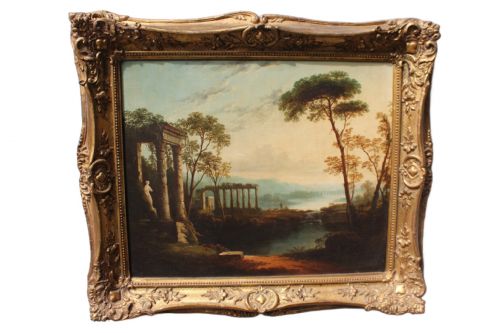
The selections span the eighteenth and nineteenth centuries into the early twentieth century. You find framed prints of Athenian antiquities alongside oil paintings in the manner of Claude Lorrain.
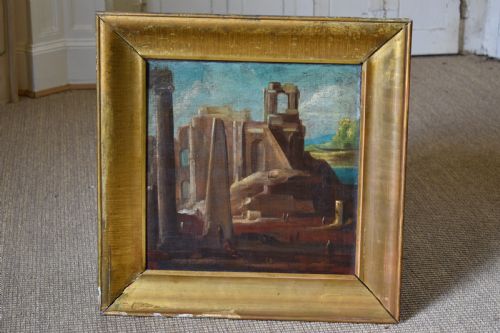
Works appear in formats such as framed engravings, watercolour studies of Roman forums and large oil paintings on canvas. These pieces reflect enduring fascination with ancient temples, triumphal arches and royal palaces.
How they were made
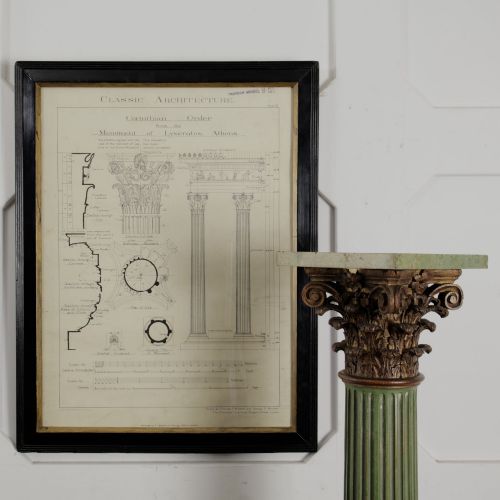
Makers produced these works using paper, ink and watercolour, alongside oil on canvas. Engravers worked meticulously to capture the precise proportions of columns and entablatures.
Painters applied oils to canvas and watercolour to paper, often framing finished pieces in wood and gilt wood behind protective glass. Draftsmen created detailed architectural drawings for instructional settings like schools of design as well as travel souvenirs.
Recorded periods span from seventeen-fifty through the nineteenth century and into nineteen-twenty.
What varies in quality
Quality rests upon the precision of the draughtsmanship and the fidelity of the architectural rendering. Engravings with crisp lines and detailed shading outrank softer, faded impressions.
In painted works, the handling of light and atmospheric depth distinguishes accomplished compositions from simpler decorative studies. Original framing in period wood or gilt wood adds structural and aesthetic integrity.
H. H Wyatt·Claude Lorrain·James Basire
The Classical Architecture Wall Art Glossary
- Neoclassical
- A style reviving the architectural forms and aesthetic values of ancient Greece and Rome. It dominates much of the visual output from the eighteenth and nineteenth centuries.
- Grand Tour
- A traditional trip of Europe undertaken by upper-class young men of the European ruling class to European places of interest. Souvenirs from these journeys included watercolours and oils of classical ruins.
- Engraving
- A printmaking process where an artist carves an image onto a metal plate to hold ink. These plates produced crisp architectural plates and book illustrations.
- Corinthian Order
- One of the classical orders of architecture, characterised by slender fluted columns and ornate capitals decorated with acanthus leaves. It frequently appears in architectural plates and studies.
Classical Architecture Wall Art: Frequently Asked Questions
What periods do these artworks come from?
The available pieces span the eighteenth century, the nineteenth century and the early twentieth century. This timeline covers the height of Grand Tour travel and subsequent revivals.
Creators produced these oils, watercolours and engravings across various decades, reflecting changing tastes in classical antiquity.
How were these classical prints used?
Many prints served as plates in architectural volumes documenting ancient sites like Athens and Rome. Travellers also purchased watercolours and engravings as souvenirs of their journeys abroad.
Draftsmen produced detailed drawings for instructional purposes within design schools, recording grand palaces and classical orders.
What materials make up these frames?
Surviving examples are frequently mounted in wood and gilt wood frames behind glass. These materials protect delicate paper supports from environmental damage.
The combination of traditional framing and paper or canvas media preserves the integrity of nineteenth and eighteenth-century works.
How do I identify a Grand Tour artwork?
Grand Tour pieces typically depict famous ancient monuments, such as Roman forums or triumphal arches, captured by visiting artists. These works often take the form of detailed watercolours or oil paintings.
They served as portable records of travel through Italy and Greece during the eighteenth and nineteenth centuries.