


18th Century Coloured Etchings
These 18th century coloured etchings bring vibrant Georgian and Regency illustration straight to your walls.
18th Century Coloured Etchings
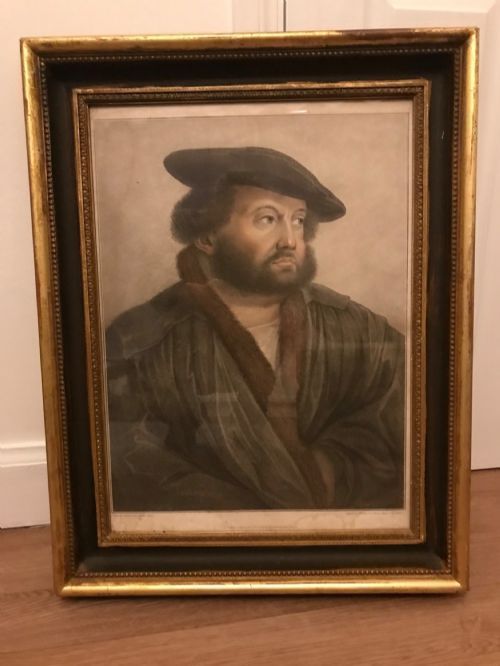
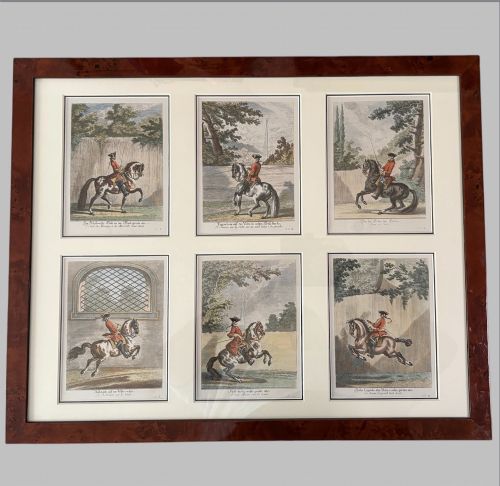
When you search for 18th century coloured etchings, you encounter paper works spanning the Georgian and Regency periods, often presented as framed prints or antique engravings. The pieces available include portraits, ornithological plates of birds, and equestrian scenes, reflecting the diverse illustrative interests of the era.
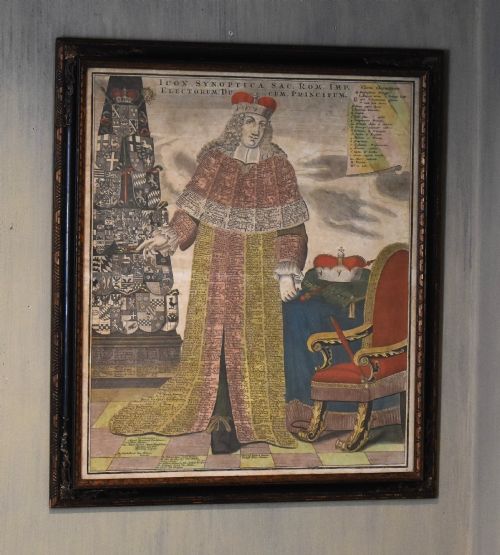
Most examples you meet on this page are hand-coloured copper or stipple engravings rather than pure line etchings, produced using watercolour to enhance the printed ink lines. These range from single sheets to decorative sets depicting subjects like Raphael's Loggia or historical figures.
The aesthetic of these works relies heavily on Neoclassical and 18th century European sensibilities, preserved behind glass within wood or gilt wood frames. Collectors often select them for their combination of fine graphic line work and delicate applied pigment.
How they were made
The foundation of these works is paper printed with ink from engraved copper plates, utilising techniques such as stipple engraving, aquatint, and standard line engraving. Artisans then applied watercolour by hand to the printed sheets, introducing colour to subjects like ornithological studies and equestrian prints.
Framing materials recorded in the evidence include wood, burr wood veneer, and gilt wood, protecting the delicate paper surfaces behind glass alongside gold leaf accents. These traditional mounting methods support the preservation of works originating from the seventeen-hundreds and eighteen-hundreds.
Materials across these listings include paper, glass, wood, ink, gilt wood, watercolour, gold leaf, and burr wood veneer.
What varies in quality
The refinement of the initial impression from the copper plate dictates much of the visual clarity, where sharp, defined lines separate superior print runs from worn plates. The precision and subtlety of the subsequent hand-applied watercolour washes also contribute significantly to the overall visual appeal of each plate.
The physical preservation of the paper support, along with the quality and period appropriateness of the surrounding wood or gilt wood frames, marks the distinction between standard decorative items and finer collector pieces.
Francesco Bartolozzi·Ridinger·Gilray·Henry William Banbury·Joseph Constantime Stadler·George Edwards·Elizear Albin
The 18th Century Coloured Etchings Glossary
- Stipple engraving
- A printmaking technique where an image is modelled by means of dots rather than continuous lines, allowing for subtle tonal transitions. This method was widely utilised for portraiture during the late eighteenth century.
- Aquatint
- A variant of etching that produces tonal areas resembling watercolour washes through the use of acid-resistant resin. It gained popularity for reproducing landscapes and architectural subjects.
- Copper engraving
- A process where the design is cut directly into a copper plate with a burin before being inked and pressed onto paper. It yields crisp, enduring lines suited to detailed illustrative work.
- Ornithological print
- An illustration depicting birds, often meticulously hand-coloured to record natural history specimens accurately. These plates frequently appeared in scientific and decorative folios of the Georgian era.
18th Century Coloured Etchings: Frequently Asked Questions
Are these prints coloured by hand?
Many examples feature watercolour applied by hand over the printed ink lines, a common practice for enhancing natural history plates and decorative subjects during the Georgian period.
This manual application means tone and tint can vary slightly between different impressions of the same published series.
How should I frame these prints?
Traditional framing utilising wood, burr wood veneer, or gilt wood profiles under glass helps protect fragile eighteenth-century paper from environmental damage.
Ensuring acid-free mounting materials are used inside the frame preserves the integrity of the paper and ink over time.
What subjects are most common?
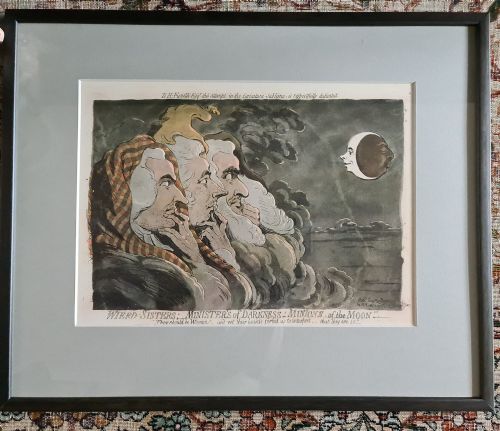
The available selection frequently includes ornithological studies of birds, portraits, classical architectural interpretations like Raphael's Loggia, and satirical or equestrian scenes.
These subjects reflect both the scientific curiosity and the artistic tastes of the eighteenth and early nineteenth centuries.
How do I distinguish Georgian from Regency?
Georgian pieces generally align with the reigns of the Georges up to eighteen-twenty, often displaying traditional Neoclassical or illustrative traits associated with the mid and late seventeen-hundreds.
Regency works tend to reflect the distinct aesthetic shifts of the early nineteenth century, though stylistic overlap remains common.