
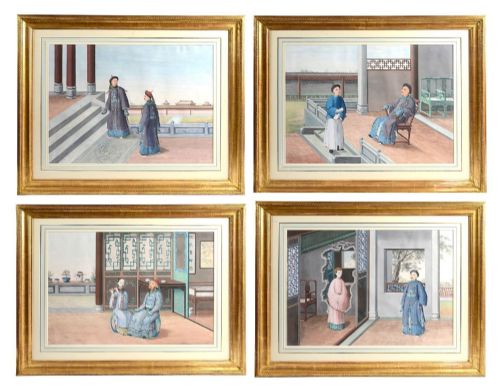
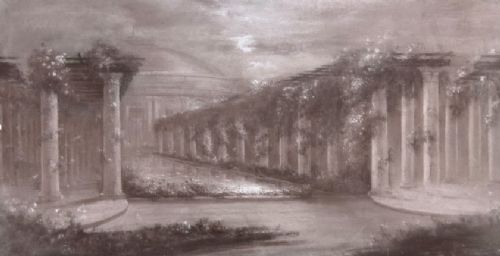
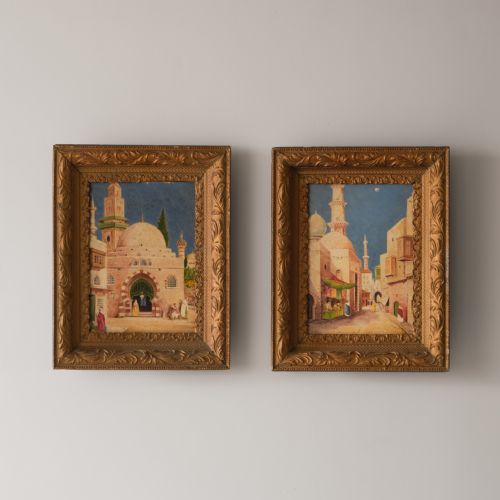

Antique Architectural Art
Antique architectural art brings the structure, ornament and scale of historic buildings and cityscapes straight into an interior.
Antique Architectural Art
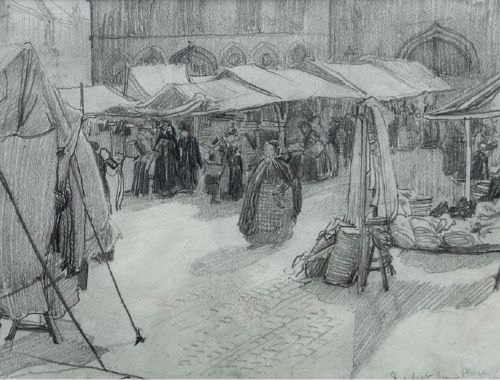
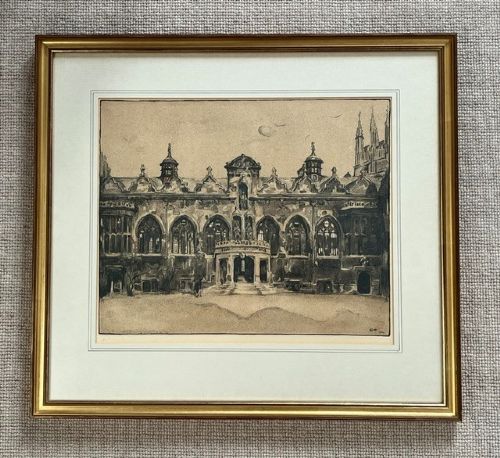
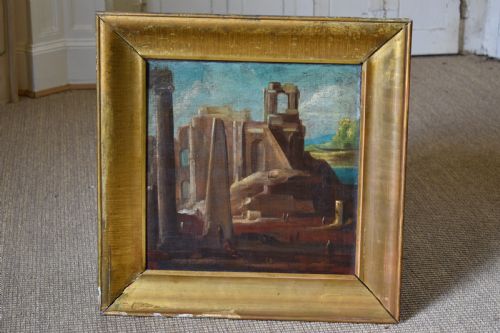
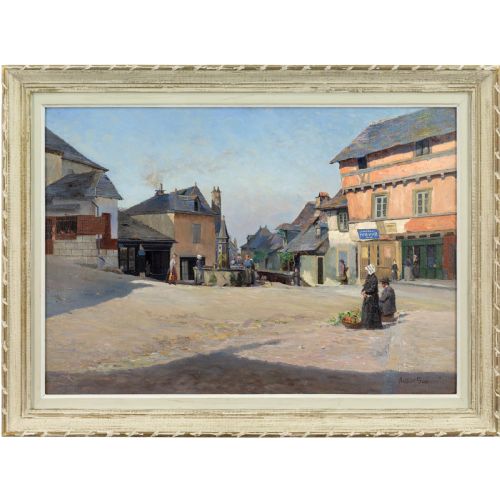
When a buyer searches for antique architectural art, they find works that capture buildings, classical orders, ironwork, and townscapes from various centuries. These pieces range from detailed pencil drawings of European markets and watercolours of Venetian canals to carved wooden panels and reclaimed metal screens.
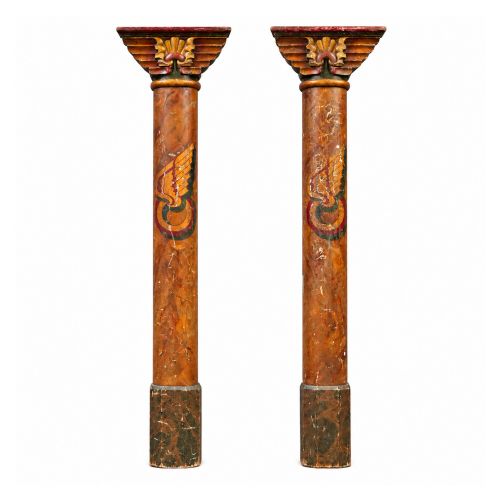
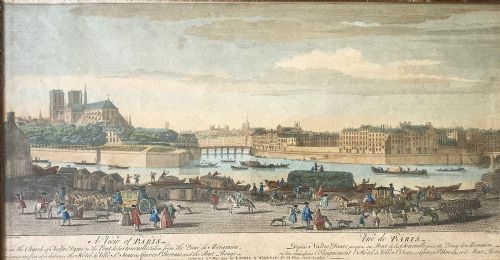
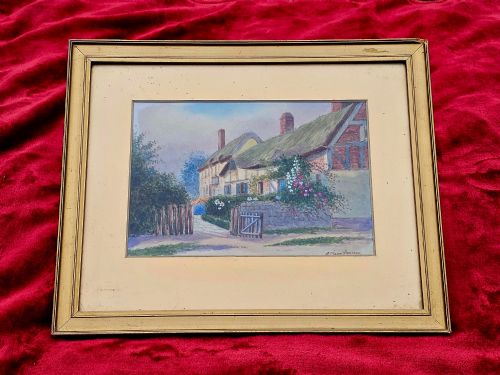
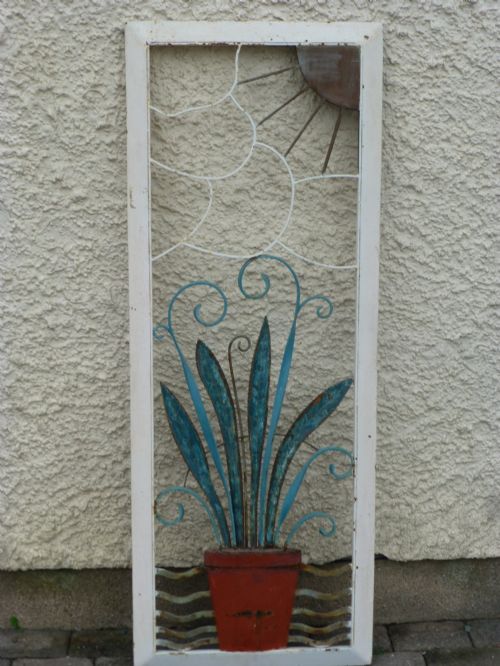
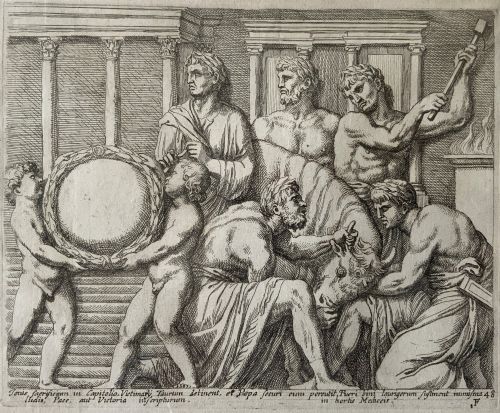
The most common examples on this page include framed watercolours, engravings of city views, and drawings of classical structures spanning the eighteenth, nineteenth, and early twentieth centuries. Alongside these works on paper and canvas sit physical remnants of buildings, such as carved wooden overdoors, wrought iron scroll panels, and architectural models.
How they were made
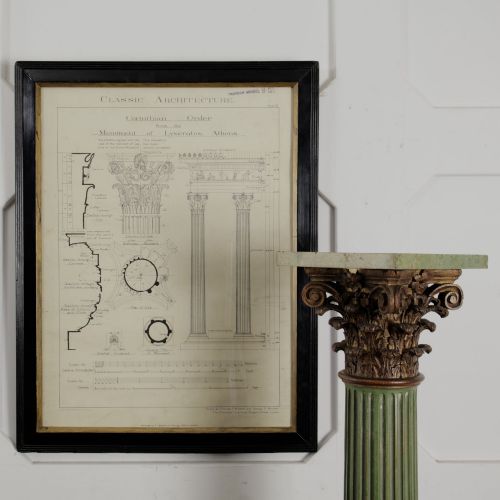
Makers produced these works using paper, wood, glass, oil on canvas, paint, ink, and graphite, often accented with gold leaf. Artists applied watercolours or oil paints to capture the light on stone facades, while draftsmen used precise pencil and ink lines for plates of classical orders.
Woodworkers carved panels and architectural models from timber, and metalworkers shaped bronze and wrought iron into garden screens, lanterns, and scroll panels. Many prints and engravings received original hand colouring after the printing process.
Someone spent hours meticulously drawing every single column of the Paris Opera House just so it could sit on a desk.
What varies in quality
The distinction between tiers rests upon the precision of the draughtsmanship and the clarity of the composition, whether in an ink drawing of a Bruges market or an oil painting of the Grand Canal. Works by identified artists with documented exhibition histories or signed plates generally sit higher in the range than anonymous sketches.
Physical architectural salvage relies on the crispness of the hand-carved wood or the weight and integrity of reclaimed iron and bronze work. Original framing, such as period Hogarth frames, contributes to the overall cohesion of a piece.
Henry Percy Huggill·Thomas Ellison·A. Marie Parsons·Raymond Subes·François Perrier·David Roberts·Anton Ignaz Melling·Alfred Wolmark
The Antique Architectural Art Glossary
- Engraving
- A printmaking method where an artist cuts an image into a metal plate with a sharp tool. This technique produces fine, precise lines visible in eighteenth-century architectural views.
- Lithograph
- A planographic printing process based on the repulsion of oil and water, widely used for nineteenth-century book plates and framed prints.
- Corinthian Order
- A classical architectural style characterised by slender fluted columns and elaborate capitals decorated with acanthus leaves. Plates depicting this order illustrate historical proportions.
- Architectural Salvage
- Reclaimed elements from demolished or altered buildings, including iron grilles, wooden panels, and stone fragments.
- Watercolour Painting
- A medium using water-soluble pigments on paper, frequently utilised by nineteenth-century artists to record topographical scenes and monuments during travels.
Antique Architectural Art: Frequently Asked Questions
What is antique architectural art?
It encompasses paintings, drawings, prints, and salvaged elements that depict or originate from historic buildings, streetscapes, and classical design.
These items range from framed watercolours of Venetian canals to carved wooden panels and wrought iron screens from the eighteenth to the twentieth centuries.
How were these pieces used originally?
Drawings and paintings served as records of travel and classical study, often produced during educational journeys across Europe.
Physical elements like iron scroll panels, lanterns, and carved overdoors functioned as structural or decorative components within domestic and public buildings.
How do I date an architectural drawing?
Dating relies on signatures, paper types, framing methods, and stylistic cues from periods such as the Victorian era or Art Deco movement.
Inscribed dates or artist records often provide a precise year of creation for works on paper and canvas.
Where should I hang architectural watercolours?
These works suit study walls, hallways, or living spaces where detailed line work and topographical subjects can be viewed closely.
Pairing framed drawings with physical salvage pieces creates a cohesive display celebrating historic building design.