



Neoclassical Wall Relief
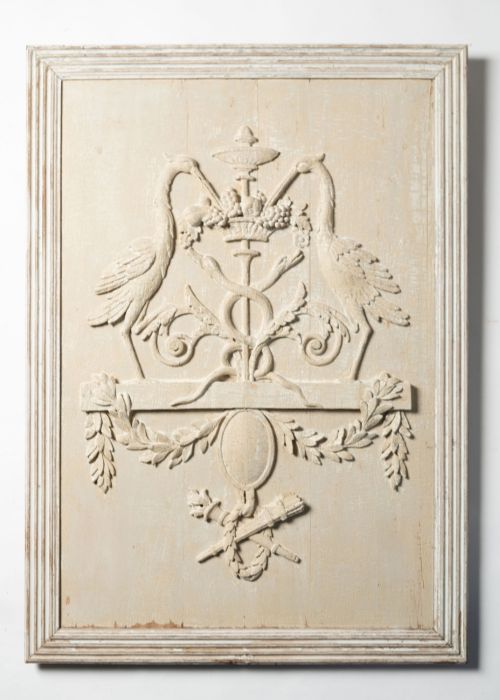
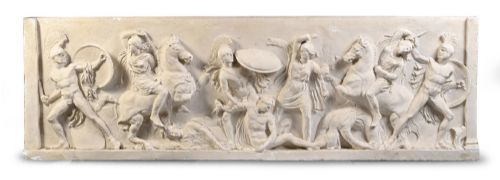
These neoclassical wall relief pieces bring classical antiquity into domestic interiors through carved marble, plaster casts, and giltwood panels.
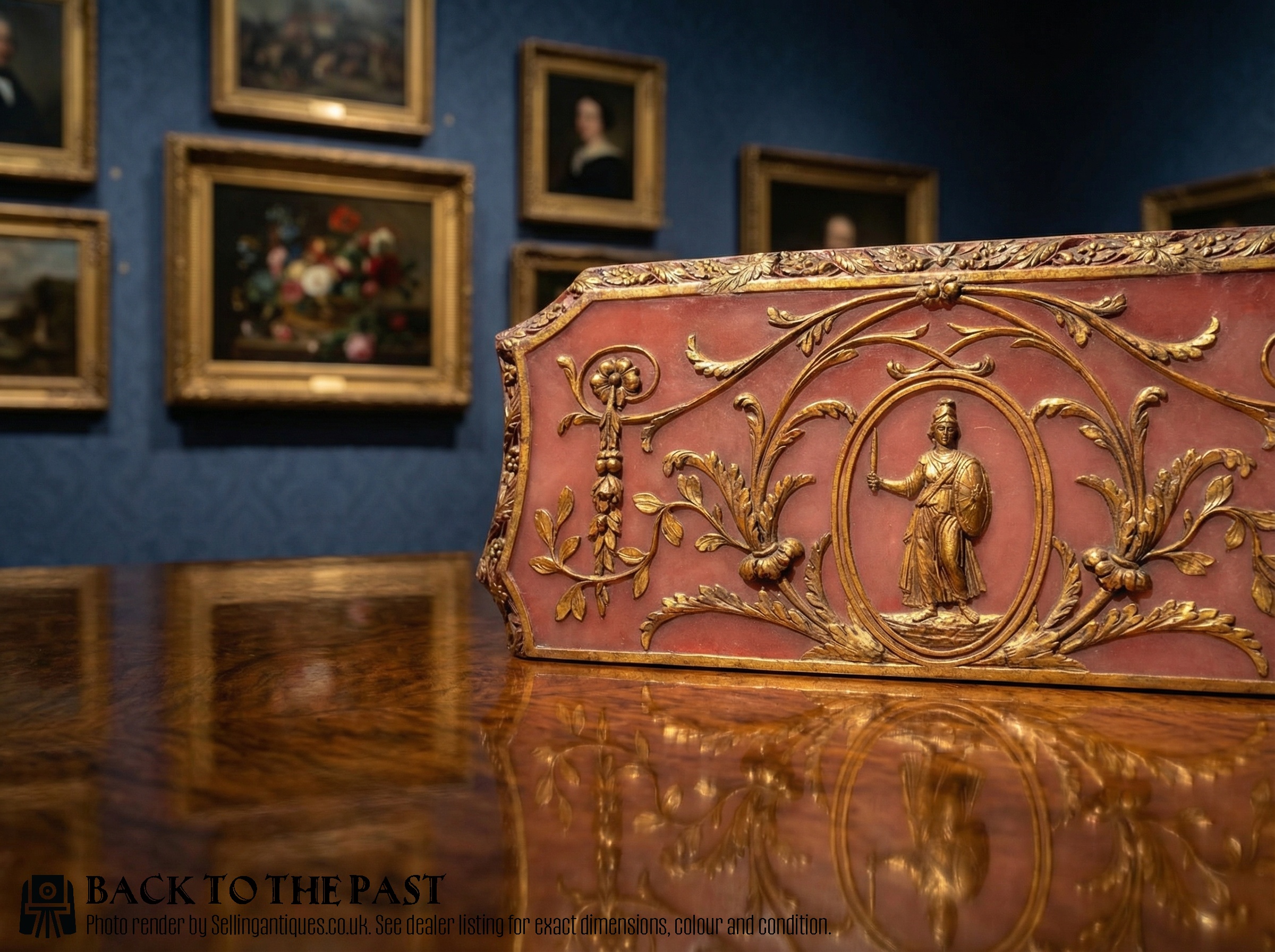
Neoclassical Wall Relief
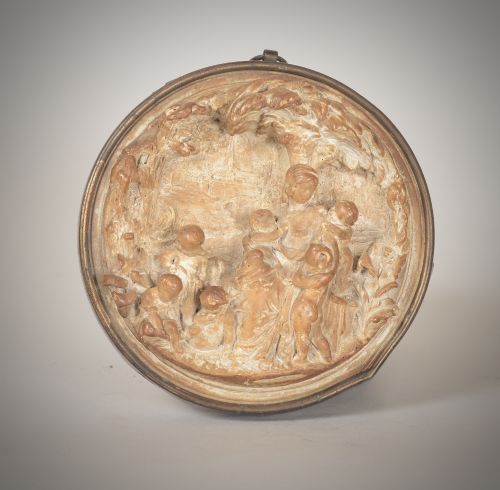
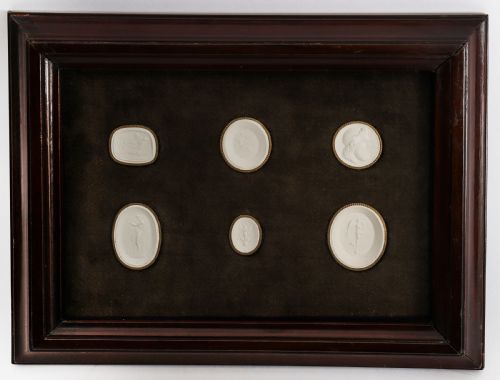
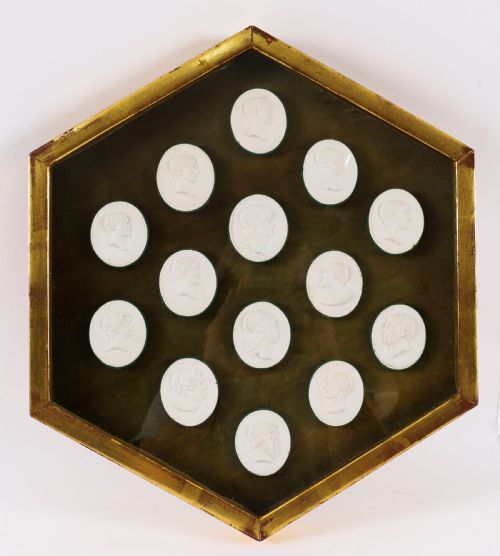
A neoclassical wall relief piece draws on ancient Greek and Roman motifs, translating mythological figures, emperors, and classical profiles into domestic decoration. When searching for a neoclassical wall relief, buyers encounter framed plaster intaglios, carved wooden panels, and bronze plaques.
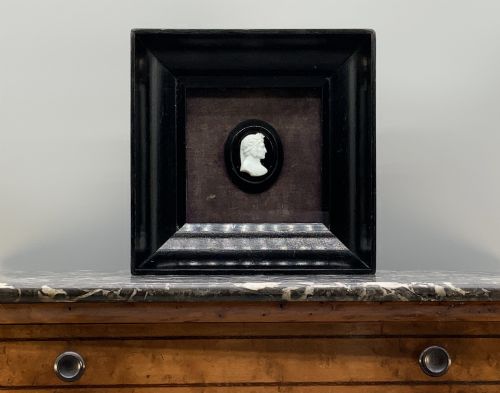
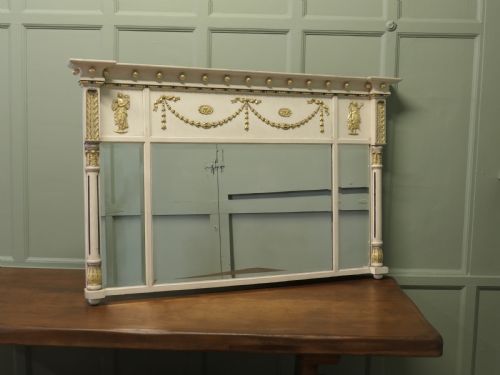
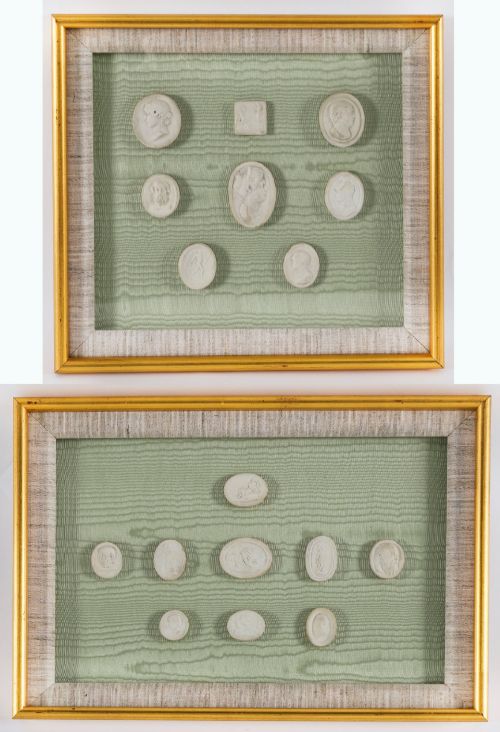
Most examples originate from the eighteenth and nineteenth centuries, often reflecting the influence of the Grand Tour through souvenir medallions and carved marble profiles. These items range from large overmantel mirrors with decorative relief panels to intimate framed sets of plaster cast medallions.
Forms also include carved chestnut herms, framed cameos, and classical engravings that integrate architectural proportion and mythological scenes into wall displays.
Materials and construction
Plaster, marble, and carved wood dominate the construction of these pieces, alongside bronze, copper, and giltwood frames. Makers utilised hand-carving techniques for wood and marble panels, while plaster casts captured the intricate detail of classical intaglios.
Gesso and giltwood provide the decorative surface framing for many mirrors and wall plaques, combining moulded ornament with timber backing. Metalwork plaques involve cast bronze and engraved brass, frequently depicting classical deities and historical figures.
Listings include eighteenth and nineteenth-century periods, utilising materials such as marble, plaster, bronze, and giltwood.
Distinguishing quality
Original frames and mounting integrity matter significantly, particularly for collections of grand tour intaglios where the historical arrangement and framing enhance the overall cohesion of the set.
Giovanni Liberotti·Carlhian and Corbiere·Coalbrookdale·Mintons
The Neoclassical Wall Relief Glossary
- Intaglio
- A design carved into the material so that the impression rises above or sinks below the surface, commonly seen in plaster and stone collections. These small-scale carvings replicate ancient engraved gems.
- Herm
- A sculpted bust or head atop a tapered pillar, frequently carved from wood or stone in pairs for architectural display. They derive from ancient boundary markers.
- Giltwood
- Timber coated with a thin layer of gold leaf over a prepared gesso ground, used extensively for neoclassical mirror frames and wall panels. This technique adds reflective warmth to interiors.
- Pate-sur-pate
- A ceramic decoration method where wet porcelain slip is painted in successive layers to create a low-relief cameo effect. This technique produces translucent white designs against a contrasting background.
- Overmantel
- A large mirror or decorative panel designed to hang directly above a fireplace mantelpiece. These pieces often incorporate classical relief carvings or giltwood triptych structures.
Neoclassical Wall Relief: Frequently Asked Questions
What are grand tour intaglios?
Grand tour intaglios are collections of plaster or stone casts modelled after ancient gems and sculptures. Travellers collected them as souvenirs during educational tours of Italy.
These pieces typically arrive framed in sets, preserving the appearance of classical study cabinets within domestic rooms.
How were overmantel mirrors used?
Overmantel mirrors hung above fireplaces to reflect candlelight and natural illumination around eighteenth and nineteenth-century rooms. Their decorative relief panels introduced classical motifs into the main reception spaces.
Makers combined giltwood frames with sculptural plaster or wood components to anchor the domestic interior's architectural scheme.
How do I date a marble plaque?
Dating marble plaques relies on evaluating the tool marks, the crispness of the carving style, and the composition of the backing materials. Eighteenth-century examples often display hand-chiselled surfaces on the reverse.
Nineteenth-century pieces frequently align with the neoclassical revival, showing machine assistance or different framing conventions from earlier periods.
Where should I hang a wall relief?
Wall reliefs suit prominent locations such as above console tables, along staircases, or centered on panelled walls. Their low-profile projection allows them to integrate smoothly into flat architectural surfaces.
Pairing smaller plaques together or placing a single bronze or marble panel against a plain wall emphasises the sculptural depth of the carving.