
Antique Architectural Relief
These carved fragments and panels of antique architectural relief bring centuries of hand-carved timber and stone form into domestic spaces.
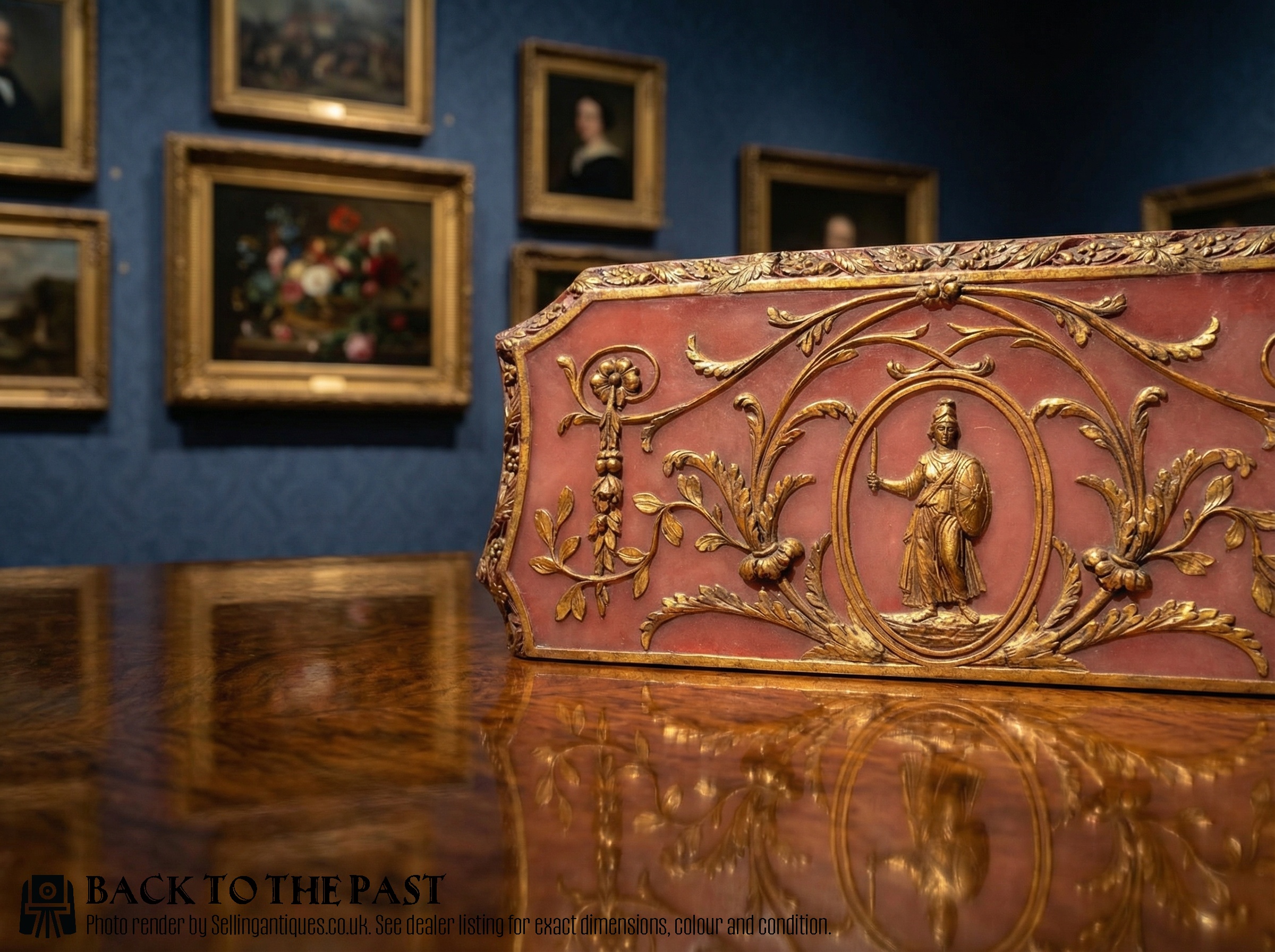
Antique Architectural Relief
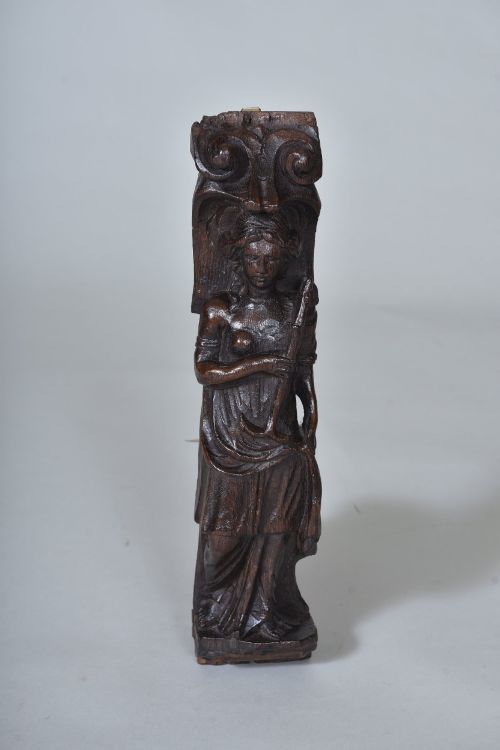
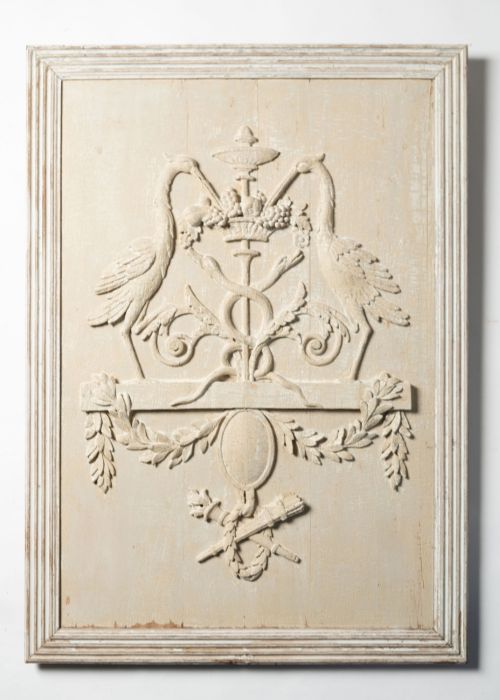
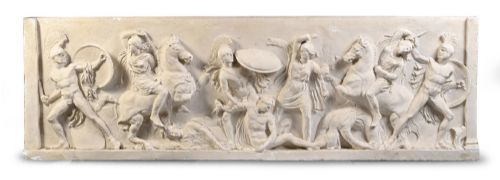
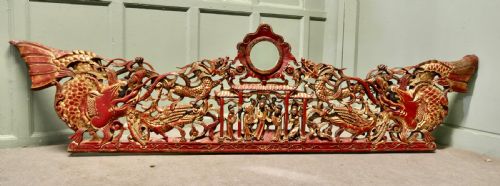
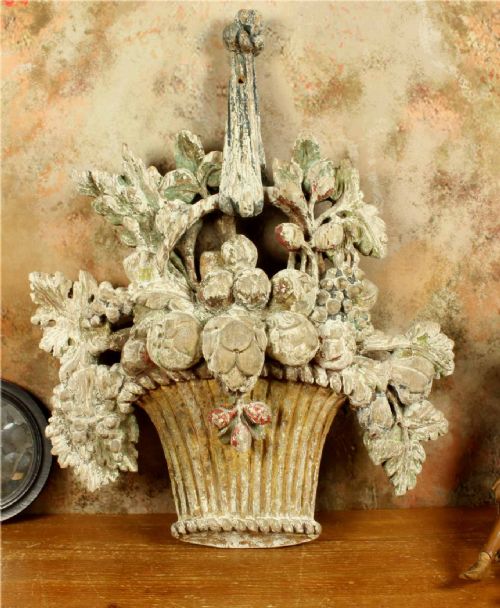
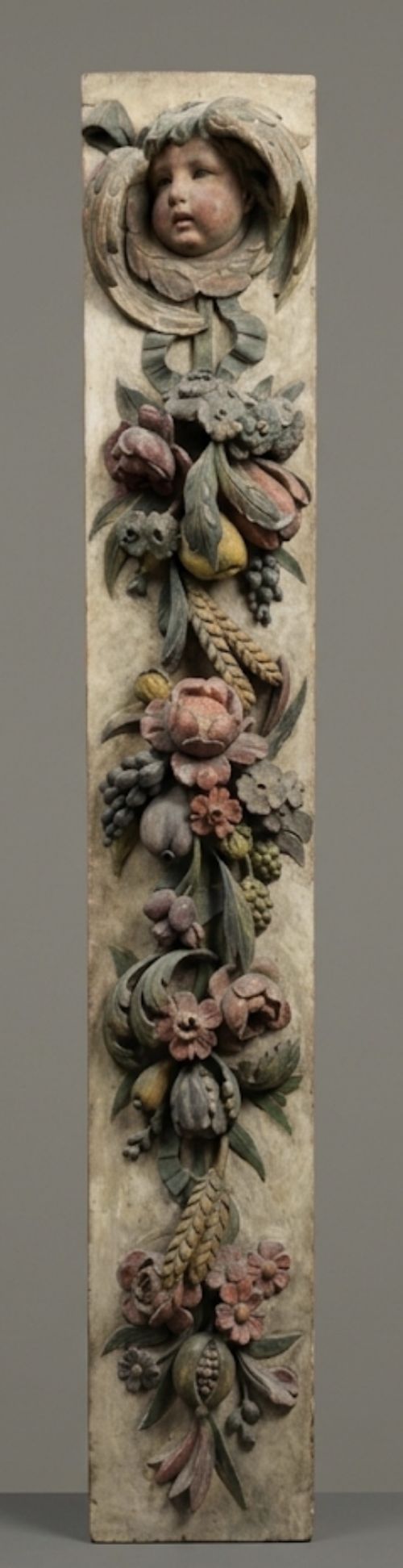
When you search for antique architectural relief, you find carved panels, wall plaques, pediments, and ceiling bosses salvaged from historic interiors and buildings. These objects function as wall art, sculptures, and architectural fragments mounted for display.
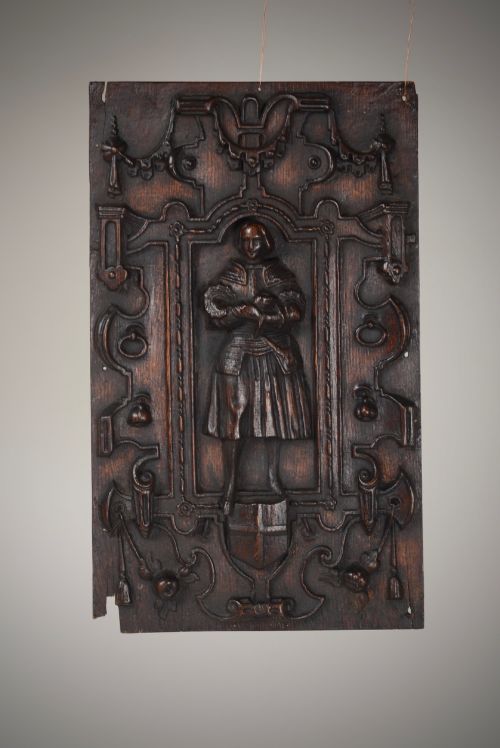
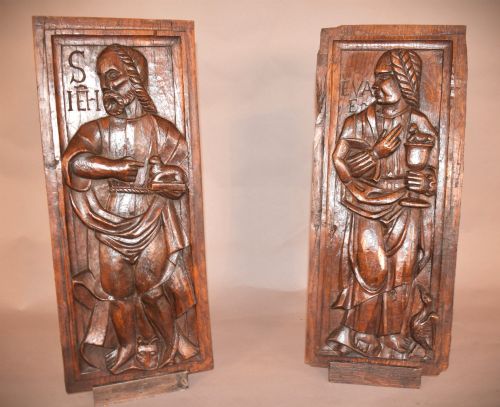
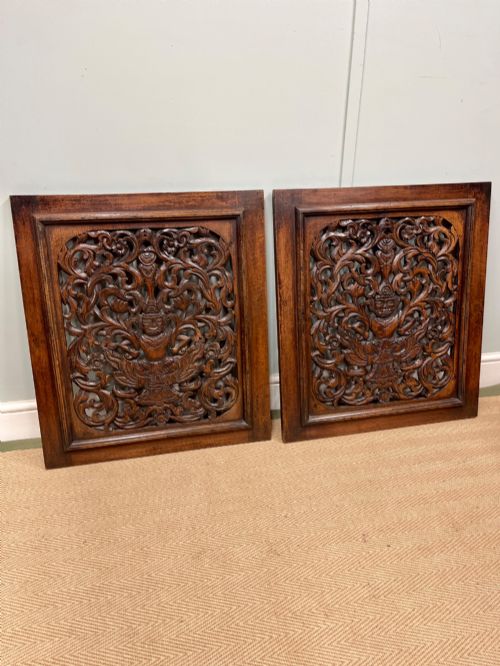
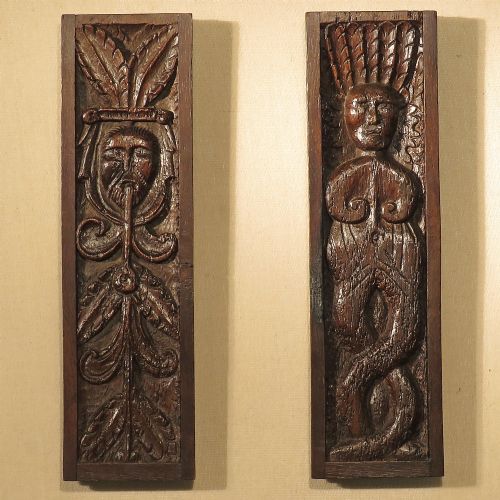
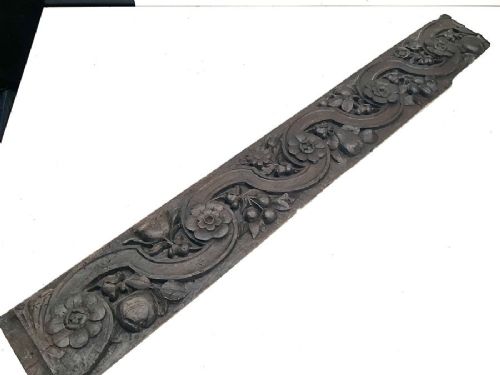
The pieces on this page span from the sixteenth century through the nineteenth century, originating from English Tudor workshops, French chateaux, Italian collections, and Chinese temples. Oak and timber predominate, alongside cast iron and marble dust compositions.
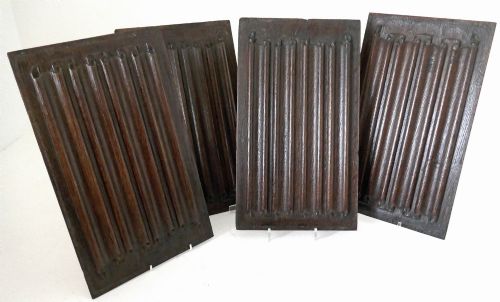
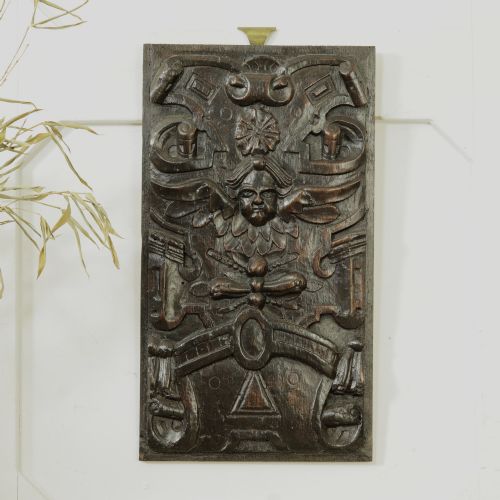
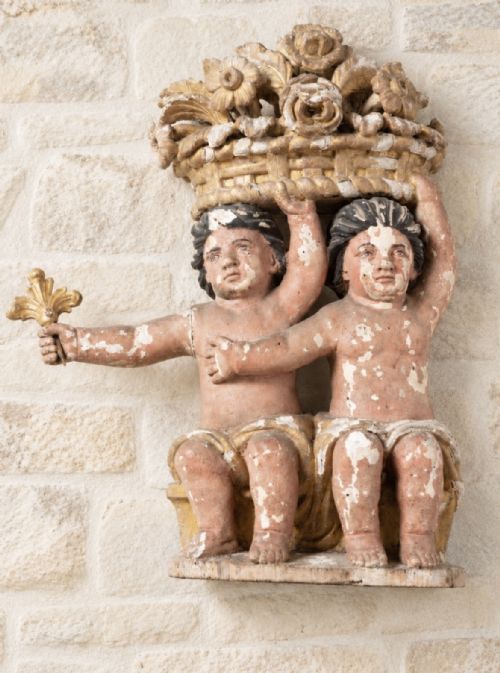
Forms range from linenfold panels and Green Man carvings to elaborate Baroque overdoor pieces and gilt wood temple panels. Buyers select these works to anchor a room with historic texture and narrative depth.
How they were made
Carvers shaped these works using dense timbers such as oak, walnut, and limewood, cutting directly into the grain with chisels and gouges. Artisans applied gesso, gold leaf, paint, and lacquer to enhance surface detail and highlight figurative reliefs.
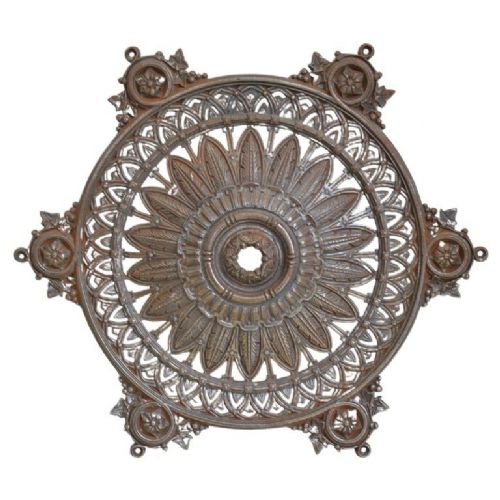
Certain decorative elements utilise cast iron or marble dust bonded to form architectural ornaments like ceiling roses and classical friezes. These methods combined structural support with ornate relief modelling suited to period interiors.
Listings feature sixteenth-century English oak panels alongside eighteenth-century gilt wood architectural pediments and nineteenth-century Chinese temple carvings.
What varies in quality
Quality rests in the depth of the carving, the crispness of the undercutting, and the vitality of the figures or foliage. Master carvers achieved high relief with naturalistic proportions that create distinct shadows and spatial depth.
The integrity of the original timber and the retention of early finishes, such as polychrome paint or parcel gilt, separate standard architectural salvage from exceptional works attributed to known or skilled hands.
Edward Pearce·Thomas Chippendale·Grinling Gibbons
The Antique Architectural Relief Glossary
- Linenfold
- A style of wood carving imitating folded parchment or linen, common on sixteenth-century panels. This treatment creates a textured surface across flat timber planes.
- Ceiling Boss
- A projecting block or carved knot placed at the intersection of ribs in a ceiling or vault. These circular elements often feature floral or figurative motifs.
- Pediment
- A triangular or segmental architectural element placed above doors, windows, or panels. Carved pediments frequently display Baroque or neoclassical scrollwork.
- Polychrome
- Decorated in several colours. This surface treatment involves painting directly onto wood or gesso carvings.
- Gesso
- A plaster mixture used as a smooth base for painting or gilding on wood. Artisans modelled this compound to achieve sharp relief details.
Antique Architectural Relief: Frequently Asked Questions
How were antique architectural relief panels originally used?
Carpenters and builders integrated these carved panels, pediments, and overdoor elements directly into the fabric of historic houses, churches, and public buildings. They defined doorways, adorned chimney breasts, and decorated ceilings to signal status and architectural ambition.
Over time, changing interior fashions led to the salvage of these carvings. Today, collectors mount them on walls as standalone sculptures or art pieces rather than structural fixtures.
How do I date an antique architectural relief?
Dating relies on examining the timber species, tool marks left by the carver, and stylistic markers such as linenfold motifs, Green Man imagery, or Baroque scrollwork. Sixteenth and seventeenth-century English pieces typically utilise heavy oak with distinct hand-chiselled surfaces.
Later nineteenth-century works often show machine assistance or different wood selections, while specific stylistic revivals provide clues to the exact decade of manufacture.
How do I hang a heavy carved wood panel?
Secure heavy wooden panels and architectural fragments by fixing concealed metal brackets or French cleats directly into the structural studs of the wall. Because many of these pieces utilise dense oak or walnut, weight distribution requires professional assessment.
Ensure the mounting hardware engages the timber frame safely without piercing vulnerable carved central motifs or historic gesso layers.
What is the difference between high relief and low relief?
High relief carving projects significantly from the background plane, with figures and motifs appearing almost three-dimensional and occasionally undercut from the board. Low relief involves shallower carving where the design stays closer to the flat surface.
High relief panels generally require greater technical skill from the carver, creating stronger shadow contrasts across the wooden surface.