
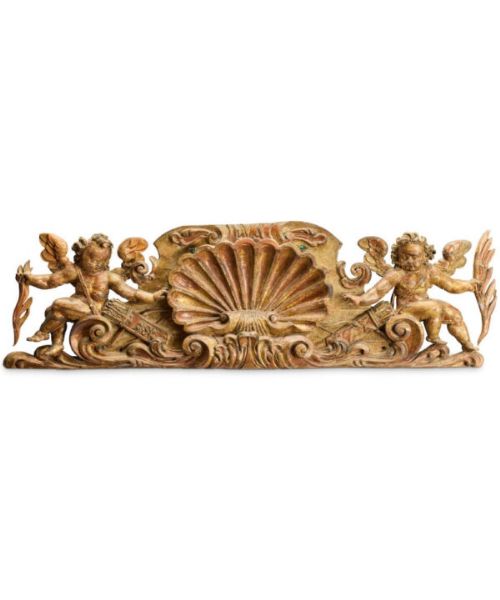


Antique Carved Overdoor
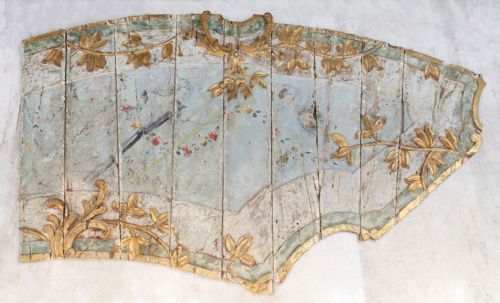
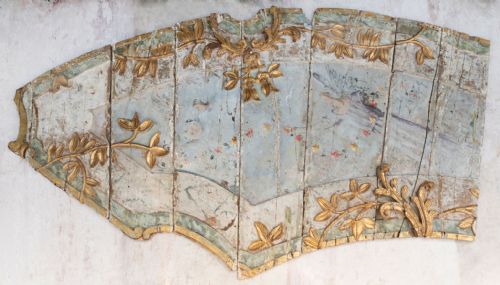
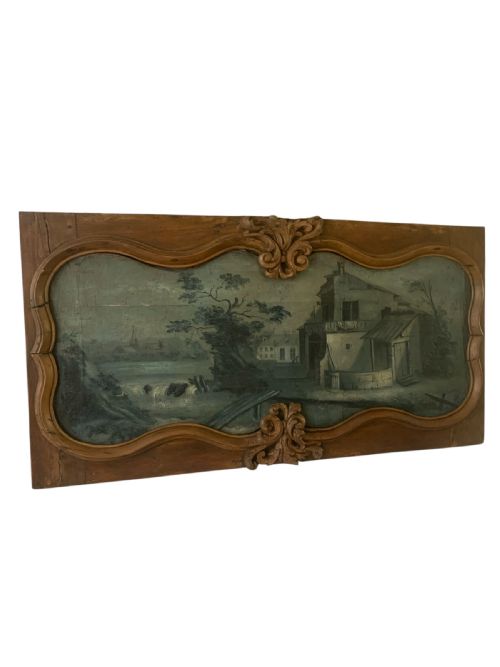
An antique carved overdoor is a substantial architectural pediment or panel mounted above a doorway, bringing period grandeur and historic woodwork into a room.
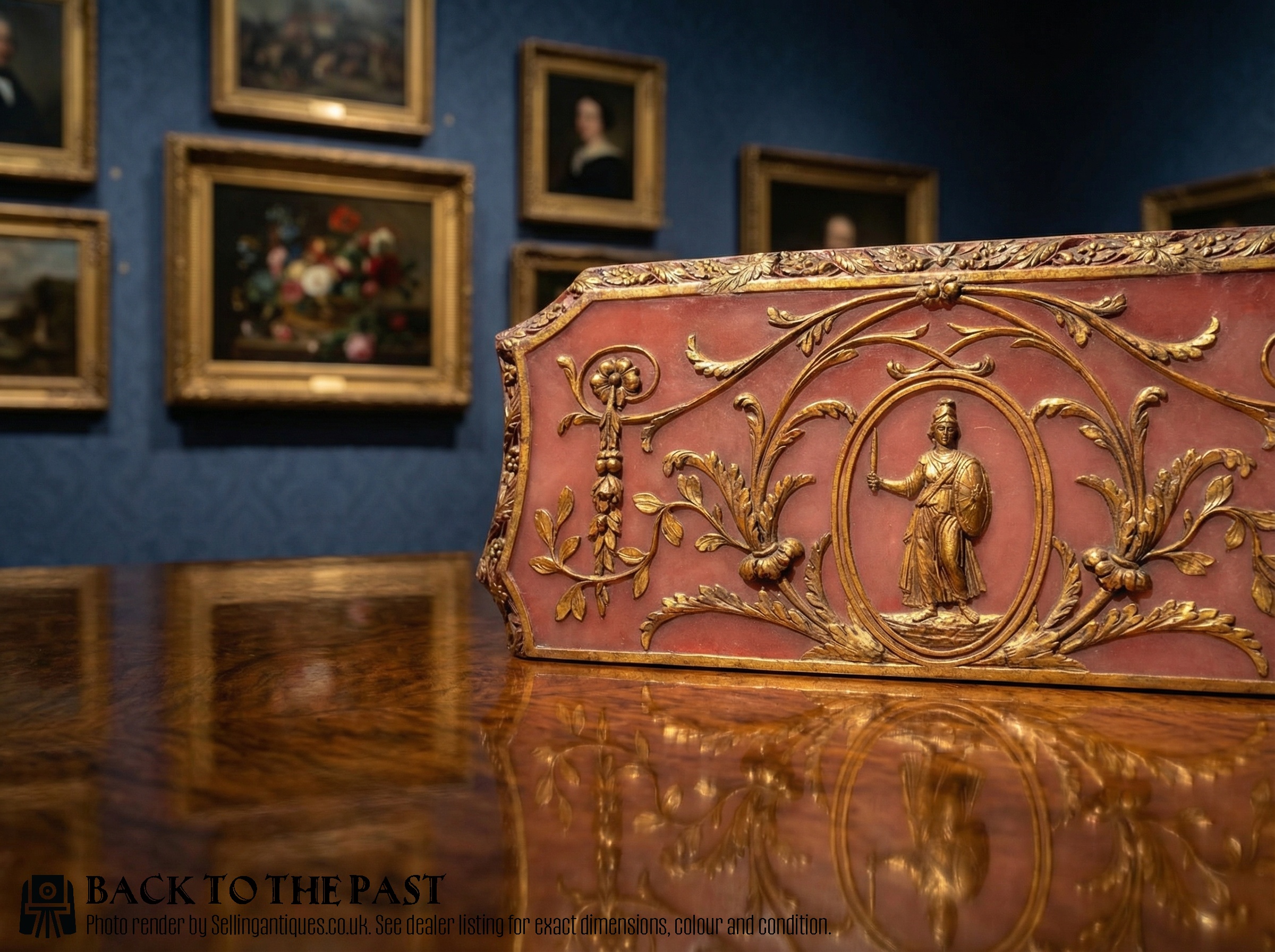
Antique Carved Overdoor
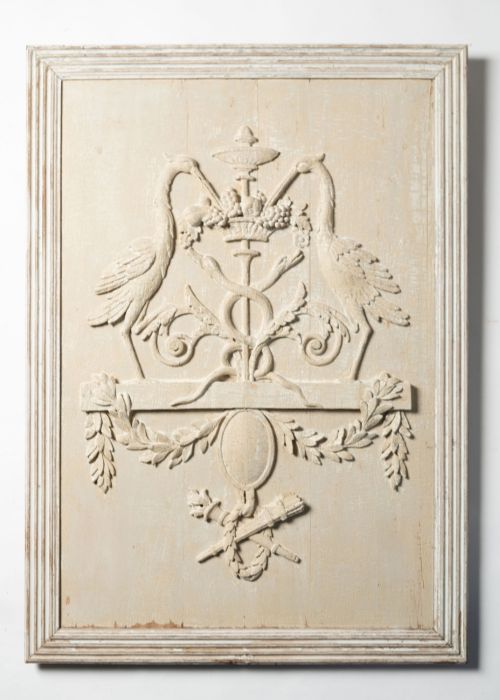
An antique carved overdoor sits above an interior threshold, transforming an ordinary doorway into a formal focal point using architectural salvage and carved panels. You will most frequently encounter nineteenth-century oak, walnut, and painted wood pieces, alongside earlier eighteenth-century examples.
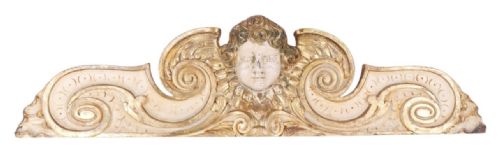
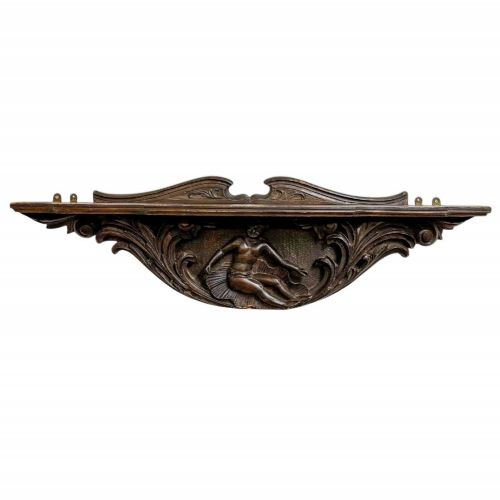
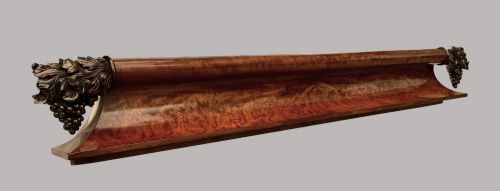
The selections span architectural fragments, wall reliefs, and decorative pediments, often incorporating shelves or figural carvings like cherubs and hunting scenes. Styles range from French Chateau and Italian Rococo to Neoclassical and Baroque, reflecting grand European interiors.
Originating as permanent fixtures in historic houses, these architectural elements now function as wall art and decorative wall carvings in modern settings. They establish vertical proportion and introduce tactile depth to high ceilings and plain plaster walls.
How they were made
Carpenters and carvers shaped these pieces from solid hardwoods like oak, walnut, and pollard oak, utilising deep relief carving techniques to create three-dimensional motifs. Timber was selected for its grain and stability before being worked by hand with chisels and gouges.
Many surfaces received applied decoration such as gesso, gold leaf, silver leaf, or layered paint to catch the ambient light in a grand room. These finishes, whether parcel gilt or painted wood, were applied over the carved timber base to enhance the play of shadow and highlight.
A nineteenth-century Black Forest dog hunting panel keeps a watchful, carved hound permanently stationed above your threshold.
What varies in quality
The distinction between ordinary joinery and exceptional work lies in the depth and animation of the carving, where human hands have coaxed expressive detail from the timber. Crisp undercut foliage, finely modelled cherubs, and balanced architectural symmetry separate masterworks from routine production.
The integrity of the original surface finish, whether aged gold leaf or the patina on raw oak, dictates the visual authority of the piece. Surviving gilding or historic paint schemes retain the intended optical richness, whereas stripped or over-restored surfaces lose their historical resonance.
Grinling Gibbons·Edward Pearce
The Antique Carved Overdoor Glossary
- Pediment
- An architectural crowning feature, triangular or segmental, placed above doors or windows. In overdoors, this element often supports a shelf or elaborate carvings.
- Architectural salvage
- Building elements rescued from structures slated for demolition or alteration. These components retain their historic material integrity for reuse in new contexts.
- Parcel gilt
- A surface treatment where selected areas are highlighted with gold leaf while other portions reveal the natural wood or paint beneath. This technique accentuates specific carved details.
- Gesso
- A plaster-like mixture applied to wood as a smooth base for gilding or painting. It allows intricate relief work to be built up before the final metallic leaf is laid.
Antique Carved Overdoor: Frequently Asked Questions
How do I hang an overdoor?
These heavy wooden panels require secure fixing directly into wall studs or masonry using substantial brackets suited to the weight of the timber. Because they were originally built into doorframes, professional installation ensures the piece is safely supported.
Position the pediment at a height that respects the proportions of your ceiling and room, treating it much like a large mirror or painting. Ensure the mounting hardware accommodates the specific weight distribution of shelf attachments or protruding carvings.
How do I clean carved wood?
Dust the intricate recesses regularly with a soft, dry bristle brush to prevent particle buildup in the deep carving. Avoid using harsh chemical sprays, abrasive cloths, or excessive water on historic wood and gilt surfaces.
If the timber appears dry, consult a conservator regarding appropriate waxes or specialist treatments suitable for antique finishes. Keeping the piece away from direct heat sources prevents the wood from splitting or warping over time.
Are these pieces from actual doors?
Many overdoors originated as architectural components positioned immediately above interior doorways in period houses, acting as formal transitions between rooms. Others functioned as overmantels or standalone decorative pediments designed to anchor high ceilings.
Over time, alterations to buildings led to these elements being salvaged as architectural panels and wall reliefs. This history accounts for the diverse mix of formats, from simple pelmets to elaborate temple pediments.
How do I tell styles apart?
Rococo overdoors typically feature asymmetric C-scrolls, fluid plant forms, and shell motifs executed with lightness and movement. Baroque and Neoclassical examples display greater symmetry, formal architectural orders, urns, and heavier classical proportions.
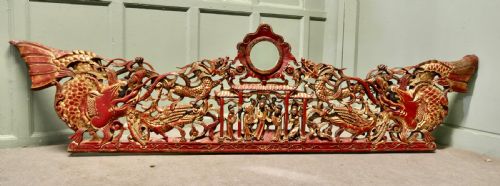
Chinoiserie pieces introduce oriental motifs and exotic landscapes, while Black Forest carvings focus on naturalistic animal studies and woodland themes. Observing the recurring decorative vocabulary helps assign a piece to its historical design movement.