




Antique Marble Plaques
Antique marble plaques bring carved classical weight and stone specimen work into interiors, drawing on Grand Tour souvenir traditions and Victorian craft.
Antique Marble Plaques
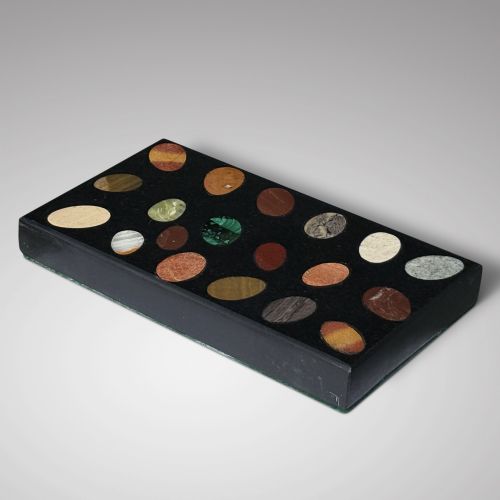
Antique marble plaques comprise carved wall panels, profile portraits, and inlaid pietra dura compositions originating mainly from nineteenth century workshops. These pieces frequently reflect Grand Tour travels through Italy, capturing classical literary figures, Roman emperors, and architectural motifs in durable stone. Buyers encounter framed profile reliefs alongside specimen marble plaques inlaid with various colourful minerals.
The selection ranges from small desk pieces and paperweights incorporating micro mosaics to substantial architectural reliefs and memorial plaques. Italian makers produced many of the detailed pietra dura panels and profile portraits of poets like Virgil and Dante. Other examples include English slate hearth pieces and German marble dust reliefs depicting classical riders.
Stylistically, these works cross multiple nineteenth century periods, moving from late eighteenth century souvenir carvings into Victorian interpretations and later Edwardian memorials. The forms serve primarily as decorative wall art or desk accessories, utilising the natural veining and varied hues of white marble, black marble, and sienna stone.
How they were made
Craftsmen shaped these plaques using traditional stone-cutting and hand-carving implements to achieve shallow bas-reliefs and sharp profile portraits. The technique of pietra dura involved precision-cutting coloured hardstones such as malachite and various marbles to fit flush within a dark marble or slate matrix. Master carvers worked the stone to highlight facial expressions and classical drapery without losing structural integrity across thin slabs.
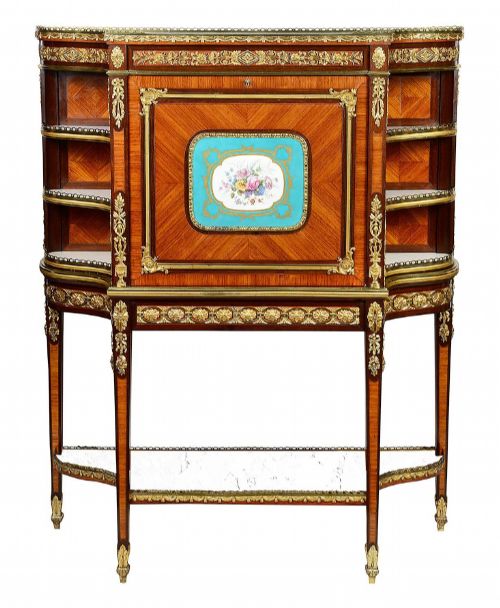
Surface finishing relied on progressive abrasives to bring out the natural polish of white marble, black marble, and sienna stone. Workshops incorporated contrasting materials like ormolu mounts and porcelain elements to frame the central stone panels on furniture and decorative objects. Artisans also utilised marble dust composites and slate to create specific regional relief sculptures.
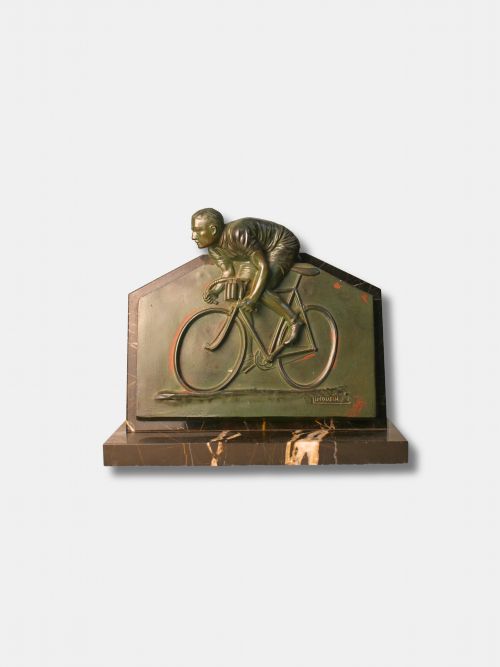
Several plaques immortalise historical figures, including a steadfast representation of a cycling enthusiast from nineteen twenty five.
What varies in quality
The choice of raw stone also dictates the standard of the piece, with choice sienna marbles, deep black marble, and fine white statuary stone commanding attention. The integration of supplementary materials, such as finely chased ormolu or delicate micro mosaic inserts, elevates the overall execution of the finished plaque.
Thorvalsen Workshop·Kasper Hendrik Roskam
The Antique Marble Plaques Glossary
- Pietra dura
- A method of inlaying cut and fitted polished coloured stones to create pictorial images. This technique was heavily utilised by Italian workshops producing floral and geometric tabletops and panels.
- Grand Tour
- A cultural itinerary of Europe undertaken by wealthy young men in the eighteenth and nineteenth centuries. Souvenirs collected along the way included carved marble cameos and micro mosaics.
- Micro mosaic
- A fine art form using tiny coloured glass tesserae to form detailed pictorial scenes. These panels were often set centrally into marble paperweights and plaques.
- Ormolu
- Gilt bronze mounts applied to furniture and decorative objects. Makers used these metallic frames to highlight marble panels and porcelain plaques on side cabinets.
Antique Marble Plaques: Frequently Asked Questions
What is pietra dura?
Pietra dura is an inlay technique where artisans cut and fit polished coloured stones into a solid stone base to form pictures. This method produces durable panels featuring floral motifs or figurative designs.
Craftsmen selected various marbles and hardstones like malachite to achieve naturalistic colour variations within the finished composition.
Where were these plaques made?
Many of these pieces originated in Italy as souvenirs for travellers undertaking the Grand Tour during the nineteenth century. Workshops in Rome, Florence, and Derbyshire also produced specialised marble and slate pieces.
Local stone availability influenced regional output, such as Ashford marble in Derbyshire or classical statuary marble in Italian studios.
How do I display a marble plaque?
Wall plaques and reliefs usually feature hanging fixtures or are designed for architectural inset into panelling. Smaller specimen pieces and paperweights sit flat on desks, tables, or side cabinets.
Ensure wall mounts can support the considerable weight of solid stone panels safely.
How are different periods identified?
Stylistic clues such as Neoclassical motifs, Louis XVI Revival framing, or Victorian memorial inscriptions help date the pieces. The specific treatment of profile portraits and the type of secondary materials like ormolu also indicate the era of manufacture.
Evidence from signatures and workshop stamps provides more precise chronological placement.