




Classical Profile Plaques
Classical profile plaques bring the sculptural dignity of antiquity into your home through finely carved portraits mounted for the wall.
Classical Profile Plaques
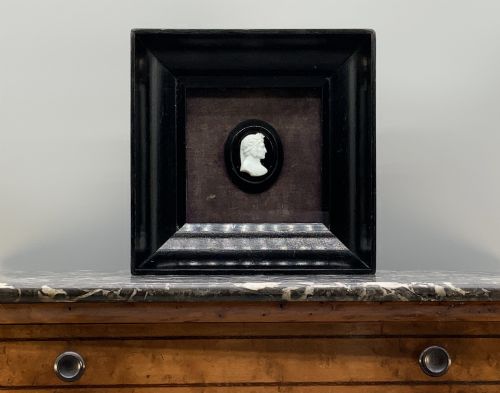
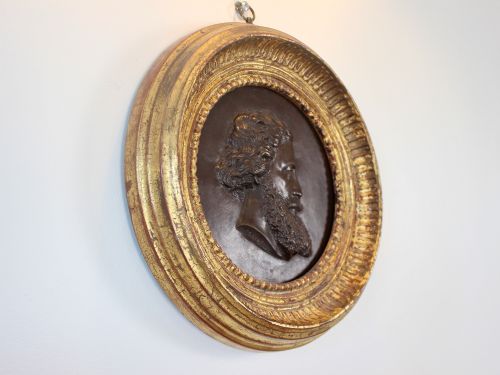
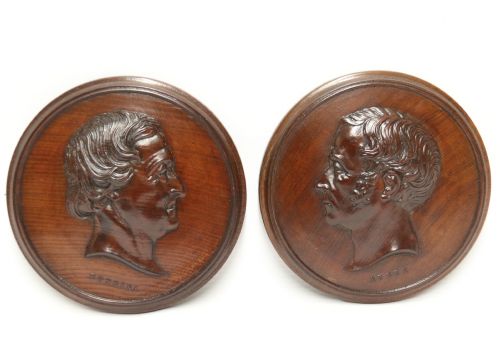
Classical profile plaques present the head and shoulders of historical figures, poets, and emperors in sharp relief. These works draw directly from antique sculptural traditions, capturing subjects like Virgil, Dante, and Roman emperors with striking clarity. The pieces on this page span the eighteenth and nineteenth centuries, reflecting a sustained European fascination with classical antiquity.
You meet these works primarily as framed wall art or mounted roundels designed for interior display. Italian workshops produced many of these pieces as Grand Tour souvenirs for travellers collecting mementoes of their journeys. Common forms include carved marble cameos and wooden roundels that bring classical form into domestic spaces.
How they were made
Bronze and cast lead feature prominently as metal alternatives to stone and wood, sometimes finished with a patinated bronze surface. Workshops mounted these metal and ivory reliefs securely within wooden surrounds, giltwood accents, or protective glass fronts. Artisans balanced sculptural relief with framing choices that emphasised the profile subject.
Materials recorded across current inventory include marble, mahogany, bronze, ivory, and cast lead.
What varies in quality
The choice of materials and the integrity of the mounting frame contribute heavily to the overall character of the piece. Selected marbles with subtle veining and finely turned mahogany frames elevate the physical presence of the relief. Associated signatures from known workshops or makers add historical weight to specific examples.
Thorvalsen Workshop·Mainfroy
The Classical Profile Plaques Glossary
- Bas-relief
- A sculptural technique where figures project only slightly from a flat background. This method defines the majority of portrait plaques found on this page.
- Grand Tour
- A traditional trip through Europe undertaken by upper-class Europeans to study classical art and antiquities. Travellers frequently purchased carved plaques as souvenirs.
- Roundel
- A circular panel or plaque used for decorative wall art. These pieces often feature turned wood frames enclosing metal or stone portraits.
- Cameo
- A method of carving an object such as a carved stone or shell in relief. Classical examples on this page typically portray historical profiles against contrasting grounds.
Classical Profile Plaques: Frequently Asked Questions
How were these plaques used?
People hung these pieces on interior walls as framed art or displayed them as sculptural roundels within domestic settings. They brought the aesthetic of ancient Rome and Greece into nineteenth-century homes.
Travellers also utilised them as portable records of cultural education gathered during extended tours abroad.
How do I date a plaque?
Dating relies on identifying the materials, framing styles, and carving techniques characteristic of specific periods like the eighteenth or nineteenth century. Pieces produced during the Grand Tour era often reflect neoclassical tastes popular at the time.
Inscribed signatures or workshop attributions further anchor pieces to specific decades of production.
Which materials are most common?
White marble and carved mahogany form the primary substance for the majority of these relief portraits. Artisans also utilised bronze, cast lead, and ivory for smaller, highly detailed profile plaques.
These materials frequently appear paired with contrasting wooden frames or glass mounts.