






Pair of Framed Wall Plaques
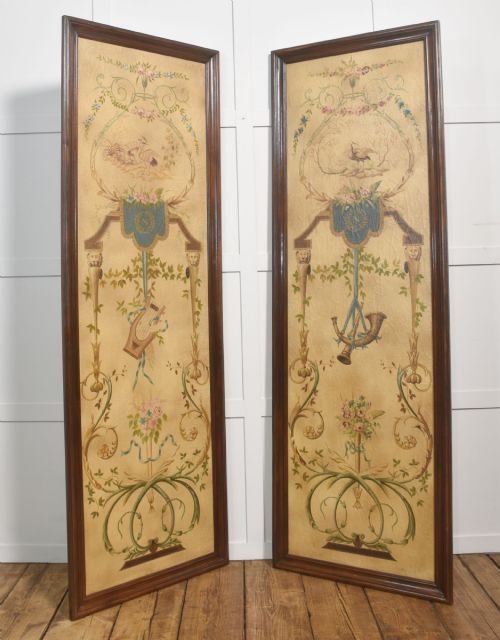
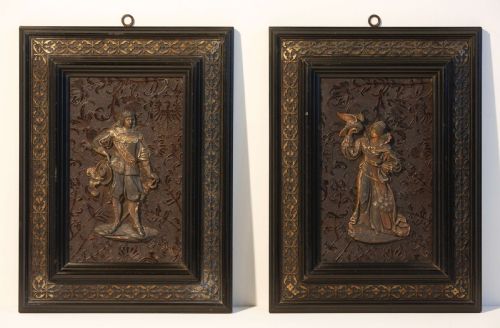
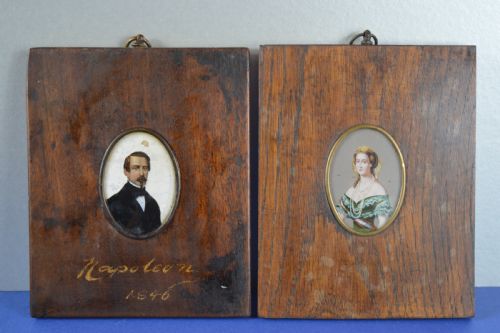
These pair of framed wall plaques bring history to the room, offering matched portraiture, relief sculpture, and decorative panels for interior display.
Pair of Framed Wall Plaques
A pair of framed wall plaques consists of matched decorative panels designed for symmetrical hanging, drawing from periods ranging from the eighteenth century through the mid twentieth century. Buyers seeking a pair of framed wall plaques encounter diverse media, including porcelain, enamel, carved marble, lacquered wood, and painted ceramic tiles.
The selection on this page spans distinct stylistic traditions, from Neoclassical and French Empire profiles to Art Nouveau designs, Chinese Qing style works, and Japanese roundels. Portrait miniatures and relief plaques dominate the offerings, frequently secured within period wooden or giltwood frames.
Materials and construction
Craftsmen utilised durable base substances including porcelain, enamel, copper, brass, and carved walnut or marble, shaping them through painting, casting, and intricate bas-relief carving. Many pieces integrate specialised surface treatments such as lacquer, foilage inlay, gilt bronze, and white metal accents.
Mounting and framing form an integral part of the construction, pairing ceramic tiles, glass, and copper plates with turned mahogany or giltwood surrounds to ensure structural stability for wall suspension.
The inventory incorporates items created across multiple centuries, including the eighteenth century, nineteenth century, and twentieth century.
Markers of quality
Quality rests upon the precision of the medium's execution, whether in the delicate brushwork of painted porcelain and enamel or the crisp definition of carved marble cameos and cast bronzed roundels. Superior examples demonstrate exceptional hand-finishing and artistic mastery by recognised makers.
The integrity of the accompanying frame contributes significantly to the overall merit, with period-matched wooden, mahogany, or giltwood surrounds maintaining the original context and aesthetic harmony of the matched items.
Reginald Robert Tomlinson·Richard Ginori·Royal Worcester·K P M
The Pair of Framed Wall Plaques Glossary
- Bas-relief
- A sculptural technique where the figures project slightly from the background plane, commonly seen in marble cameo portraits and metal relief panels.
- Roundel
- A circular decorative panel or plaque, frequently utilised in Japanese lacquered works and French Empire cast metal pieces.
- Enamel
- A glassy substance fused to a metal base through firing, characteristic of eighteenth-century Staffordshire and oval decorative plaques.
- Cameo
- A method of carving an object such as a carved marble profile portrait, creating a raised image that contrasts with the background.
- Giltwood
- Wood that has been treated with gold leaf or gold paint, frequently utilised for decorative frames enclosing plaques and portrait miniatures.
Pair of Framed Wall Plaques: Frequently Asked Questions
How were wall plaques displayed historically?
Historically, matched pairs of wall plaques were hung symmetrically in reception rooms, parlours, and galleries to provide balance and visual interest to interior walls.
Their framing allowed them to be mounted securely alongside paintings and mirrors within period domestic settings.
What materials are common in these plaques?
The pieces utilise a wide variety of materials, including painted porcelain, enamel, carved walnut, marble, copper, and brass.
Many examples also incorporate glass, lacquered wood, and gilt bronze elements to enhance their decorative appeal.
How do I identify the period of a plaque?
Dating relies on stylistic clues such as Neoclassical motifs, Art Nouveau organic lines, or French Empire subjects, alongside the characteristics of the framing and mounting techniques.
Signatures, painted marks on porcelain, and manufacturer attributions also provide precise chronological markers.
Are these plaques meant for indoor hanging?
These decorative panels and framed artworks are designed specifically for interior display on domestic walls.
Their delicate surfaces, including porcelain, enamel, and portrait miniatures, require protection from outdoor environmental conditions.