






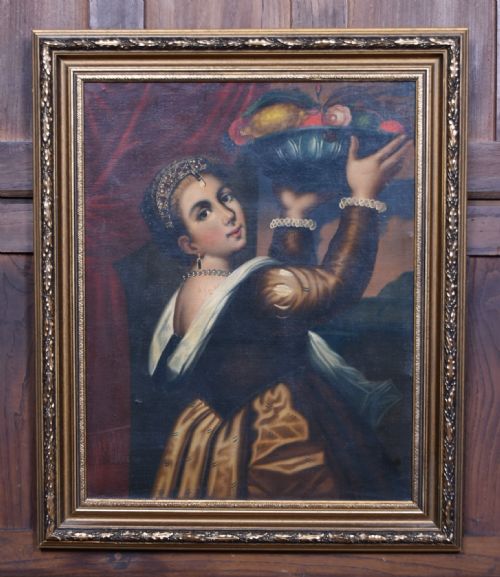

Decorative Fine Art Painting
These decorative fine art painting pieces bring centuries of European and international canvas work, pottery and framed portraiture straight to your walls and surfaces.
Decorative Fine Art Painting
When you search for decorative fine art painting, you encounter a varied selection ranging from oil on canvas landscapes and portraits to ceramic vases and decorative trays.
The pieces span multiple periods, stretching from the sixteenth and seventeenth centuries through the Victorian era and into the mid-twentieth century.
Canvases depict subjects like mountainous landscapes, equestrian scenes, portraits and still life fruit, while ceramic pieces incorporate glazed earthenware and faience techniques.
How they were made
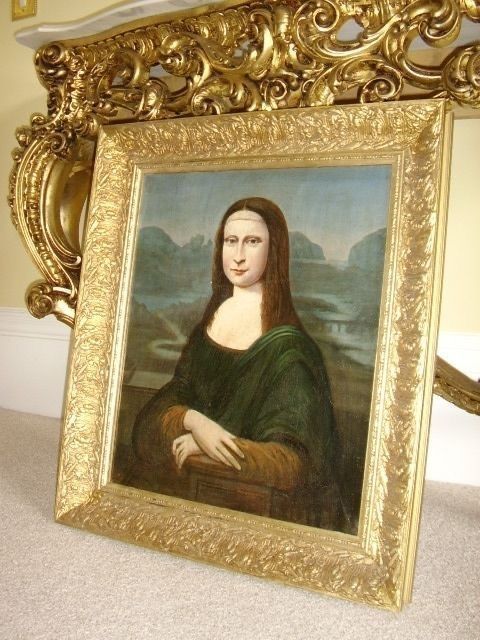
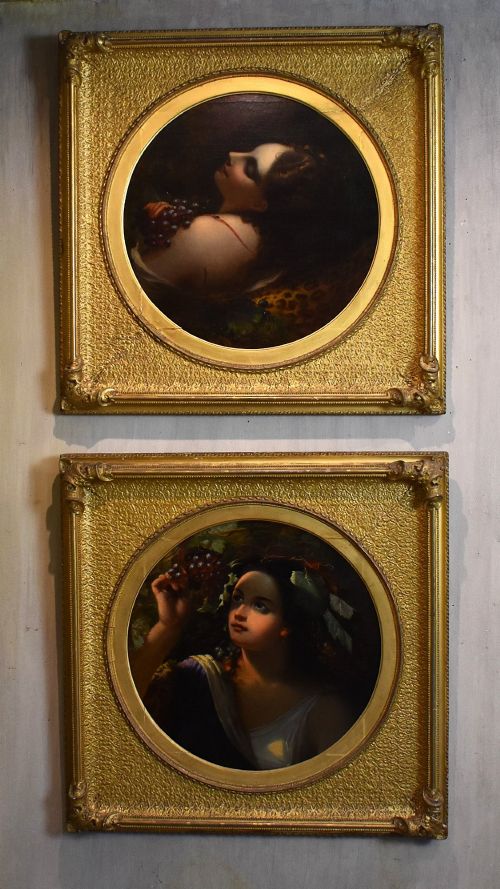
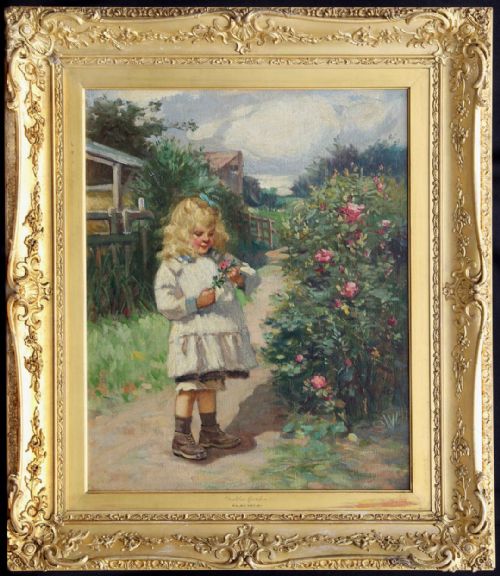
Works utilise oil paint applied to canvas, wood panels or boards, frequently housed within original swept gilt wooden or plaster cast decorative frames.
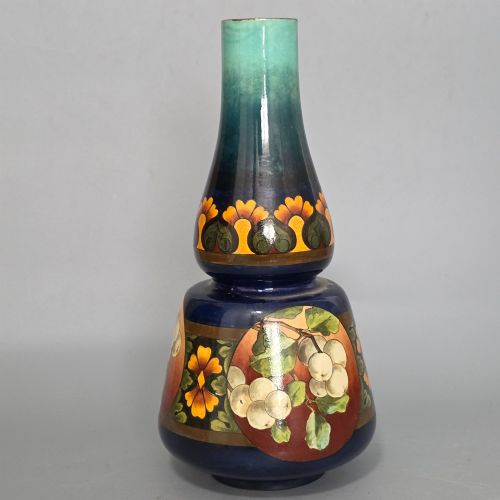
Ceramic objects employ glazed earthenware and faience methods, incorporating specialised surface decoration such as Slaters Patent techniques and hand-painted floral motifs.
Makers shaped wooden supports and turned ceramic vessels before applying detailed pigments and glazes by hand.
Decorative Fine Art Painting Retail Price Guide 2026
Typical asking prices for decorative fine art painting among the pieces listed under this phrase on Sellingantiques today, from the lower quarter to the upper quarter. They describe what is for sale here now, not the wider market.
Even horses in eighteenth-century pastures deserve a properly swept gilt frame.
What varies in quality
The standard of execution in brushwork, pigment blending and canvas preparation defines the visual impact of each painted composition.
The preservation of original swept gilt frames and the clarity of ceramic glazes heavily influence the overall integrity of the piece.
The provenance and documented attribution to established artists or specific schools distinguish finer works from anonymous studio productions.
Alice Euphemia Thatcher·Theodore Jensen·Ruth Prowse·Raymond Arthur Roadnight·John Gilroy·Ralph Hedley·Jozsef Molnar·Richard Temple
The Decorative Fine Art Painting Glossary
- Oil on Canvas
- A painting medium where pigments are bound with drying oils and applied to a stretched cloth support. This combination allows for rich colour depth and lasting durability.
- Faience
- Tin-glazed earthenware decorated on an opaque white glaze. The technique permits intricate painted details and vibrant surface finishes.
- Gilded Wood
- Timber surfaces covered with a thin layer of gold leaf or metal powder. This method provides ornate framing and decorative sheen.
- Glazed Earthenware
- Porous clay pottery fired at relatively low temperatures and coated with a vitrified layer. The finish seals the porous body and adds decorative colour.
- Baroque Style
- An artistic approach characterised by ornate detail, dramatic contrast and grand movement. It originated in seventeenth-century Europe and influenced both canvas works and frames.
Decorative Fine Art Painting: Frequently Asked Questions
How do I hang a heavy oil painting safely?
Heavy oil paintings require sturdy picture hooks screwed directly into wall studs or proper masonry fixings. Check the weight distribution across the original frame before mounting.
Ensure the hanging wire or brackets attached to the frame are secure and rated for the specific weight of the canvas and wood structure.
Can I clean an old oil painting canvas?
Surface dust can be gently removed with a very soft, dry brush moving lightly across the canvas. Avoid using water, household cleaners or moisture on exposed oil paint.
Professional conservators should handle deeper cleaning or varnish removal to prevent accidental damage to the underlying historical pigments.
How do I care for glazed ceramic vases?
Display ceramic vases away from direct sunlight and sudden temperature shifts to protect the glaze and earthenware body. Dust them regularly with a soft, dry cloth.
Avoid filling antique ceramic vessels with water unless the interior glaze is completely intact and watertight, as moisture can seep into porous clay.
What indicates a period gilt frame?
Period gilt frames often show hand-carved wooden mouldings or traditional plaster cast ornamentation applied over a timber base. Look for subtle signs of age such as micro-craquelure in the gesso.
Original frames fit the proportions of the canvas precisely and display patination consistent with the estimated age of the artwork.