



Fine Art Portrait Copy
A fine art portrait copy brings the gravitas of master painters into your home through skilled hand-painted reproductions.
Fine Art Portrait Copy
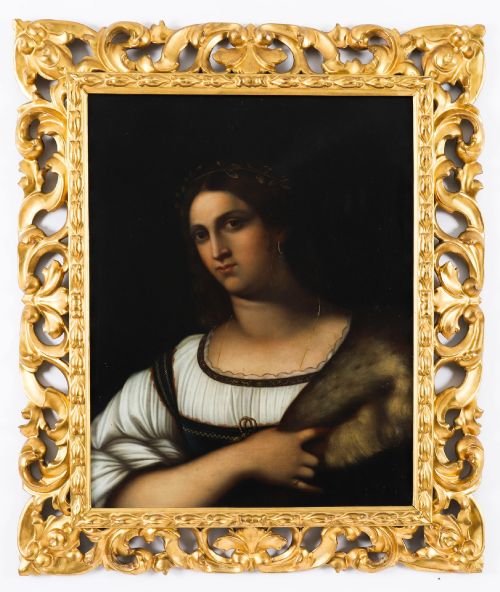
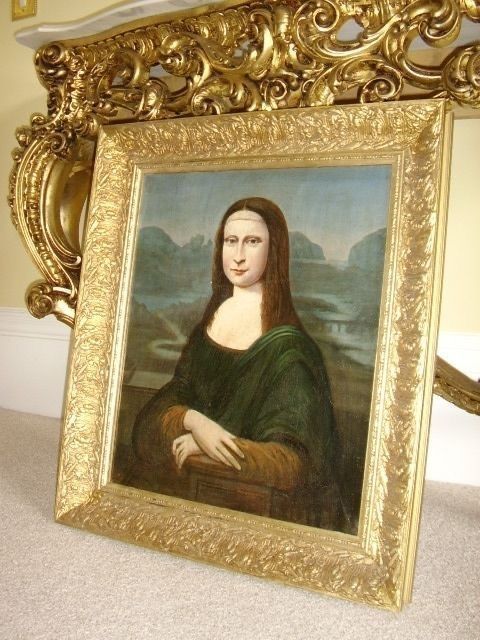
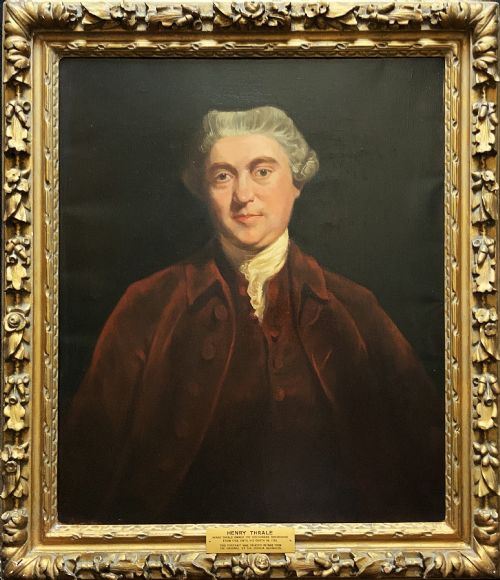
A fine art portrait copy represents historical masterpieces, capturing famous compositions and likenesses from earlier centuries. Buyers searching for a fine art portrait copy typically encounter oils on canvas and watercolours on paper that echo Renaissance, Georgian, and 18th century classical traditions.
The selections span interpretations of notable figures and iconic subjects, ranging from Italian school works to British portraiture. These pieces provide an accessible avenue for acquiring traditional aesthetic weight without sourcing original museum pieces.
Materials and Methods
Artists create these works primarily using oil on canvas or watercolour on paper, mounted within wooden or gilded wood frames. Pigments are applied to replicate the depth and palette of original compositions spanning the eighteenth and nineteenth centuries.
Framing often involves giltwood or carved wooden surrounds that complement the traditional character of the painted surface. The physical construction relies on standard canvas stretching and paper mounting techniques appropriate to each period.
Fine Art Portrait Copy Retail Price Guide 2026
Typical asking prices for fine art portrait copy among the pieces listed under this phrase on Sellingantiques today, from the lower quarter to the upper quarter. They describe what is for sale here now, not the wider market.
Listings feature works executed in oil on canvas, pencil and watercolour on paper, housed within gilded wood and standard wooden frames.
Distinctions in Execution
The fidelity of the brushwork and the precision of the draughtsmanship separate superior examples from more routine interpretations. A skilled copyist captures the subtleties of expression and light present in the source material rather than merely transcribing outlines.
The integration of the supporting frame, whether gilded wood or plain timber, contributes to the overall cohesion of the piece. Material selection, such as heavy canvas and stable paper supports, also dictates the longevity and physical presence of the work.
Leonardo Da Vinci·Sir Joshua Reynolds·Sir Thomas Lawrence·Raffaello Sanzio·Giovanni Battista Moroni·George Perfect Harding·Elisabeth Vigee Le Brun
The Fine Art Portrait Copy Glossary
- Oil on Canvas
- A painting medium where pigments suspended in drying oils are applied to stretched fabric. This combination allows for rich blending and textured brushwork.
- Watercolour
- A paint method where colour is suspended in a water-soluble binder on paper. It produces transparent washes and delicate tonal shifts.
- Giltwood
- Wood that has been treated with a thin layer of gold leaf or gold paint. It frequently frames classical and neoclassical portraiture.
- Neoclassical
- A style drawing on the art of classical antiquity. It values austere dignity, clarity of form, and balanced composition.
- Renaissance Style
- An aesthetic derived from the cultural rebirth of Europe between the fourteenth and seventeenth centuries. It emphasises humanism, perspective, and naturalism.
Fine Art Portrait Copy: Frequently Asked Questions
Are these works original paintings?
These pieces are hand-painted interpretations or copies of famous historical portraits rather than original primary works by the master artists. They are created by later artists studying or replicating established compositions.
Such works carry their own historical interest as independent objects of art from past centuries.
How should I hang these portraits?
Traditional portrait copies suit rooms with classic architectural details, period furniture, or neutral walls that allow the gilded frames to stand out. Ensure they are placed away from direct sunlight to protect watercolours and oil surfaces.
Pairing them with traditional lighting enhances the depth of the painted canvas.
What periods do these copies date from?
The pieces span various periods, including the eighteenth and nineteenth centuries, alongside early twentieth-century interpretations. The date often refers to when the copy itself was painted rather than the era of the original subject.
Examining the materials and framing helps determine the actual age of the copy.
How do I care for a canvas copy?
Keep oil on canvas works in stable environments with moderate humidity to prevent cracking of the paint layer. Dust the surface gently with a soft, dry brush without applying moisture or cleaning solutions.
Consult a professional restorer if the canvas requires deeper cleaning or structural attention.