29,560  PAGES BROWSED TODAY PAGES TODAY 66  ANTIQUES UPLOADED TODAY NEW ARRIVALS
ID #SA1106737
FOR SALE
£3,500
Email
Save
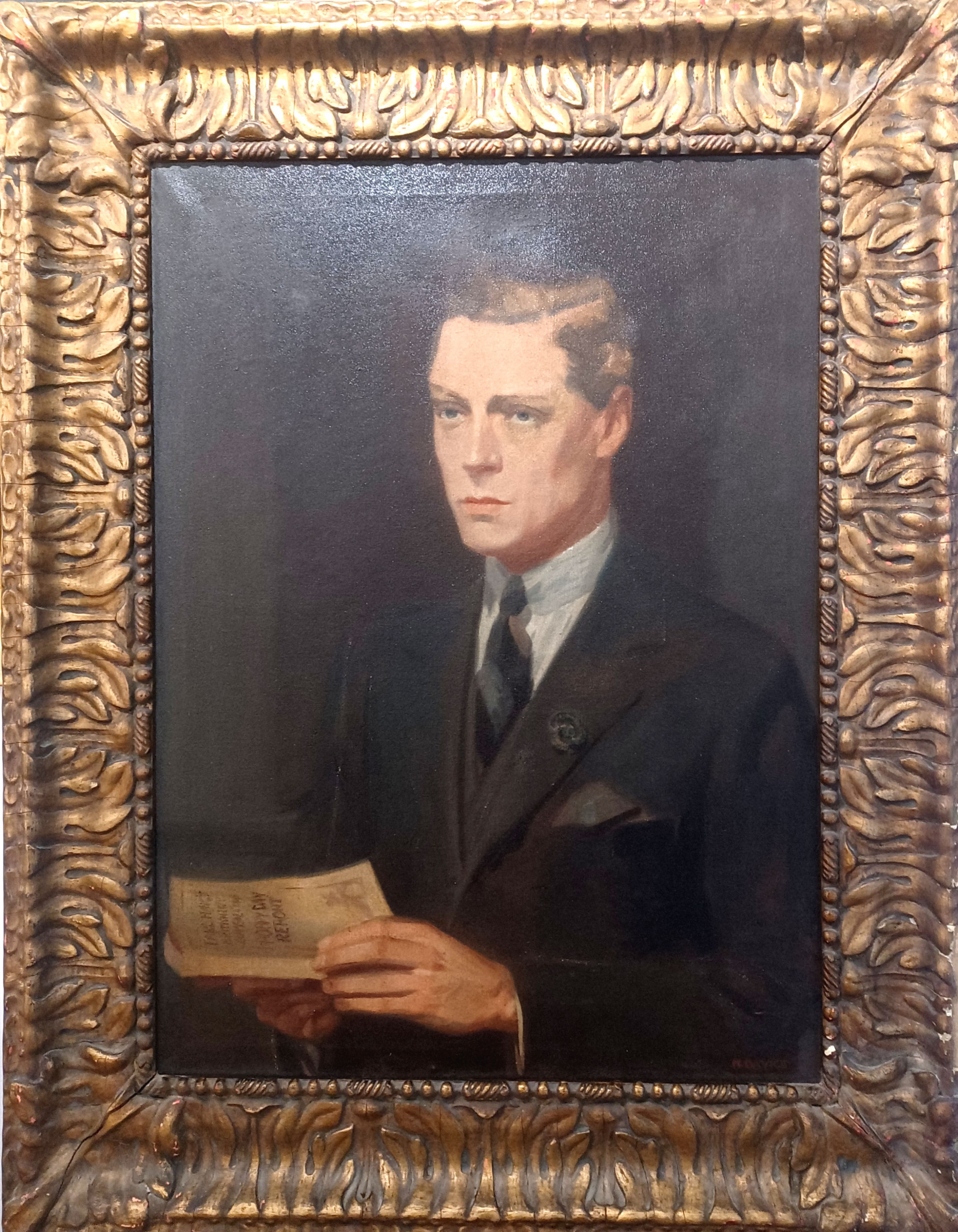
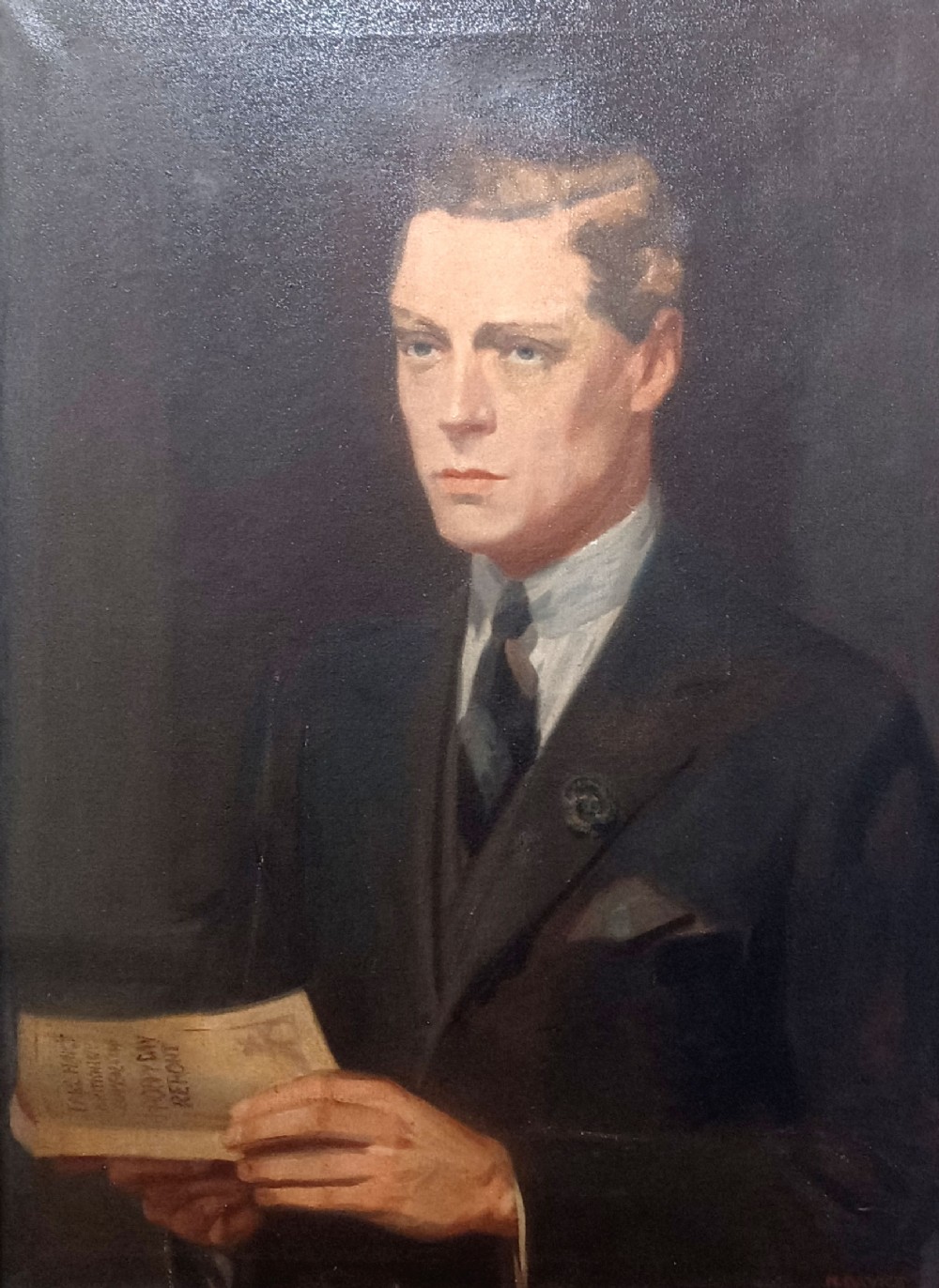
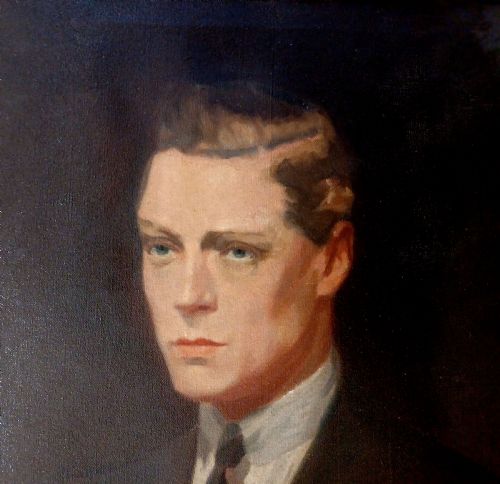
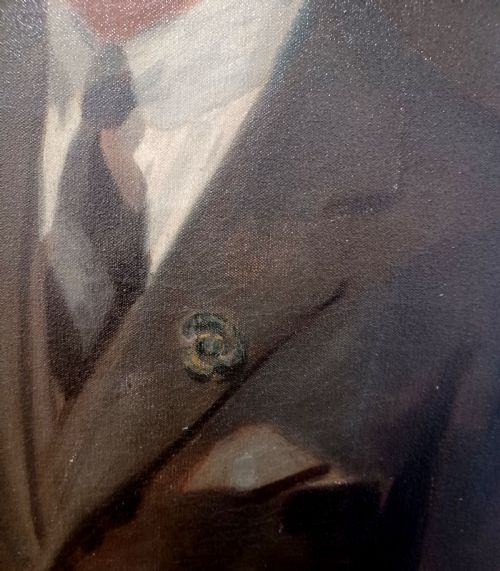
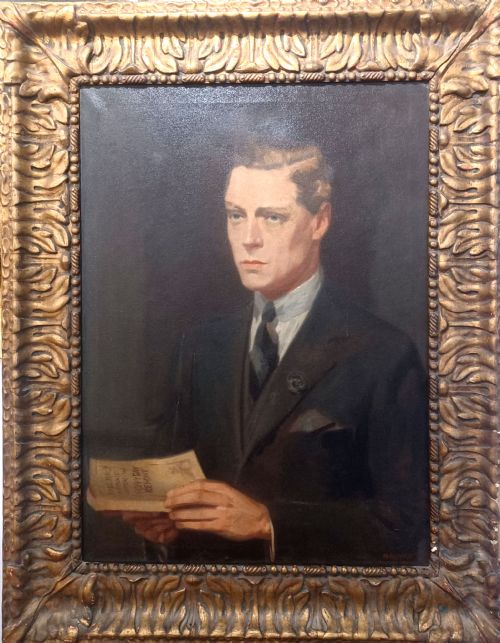
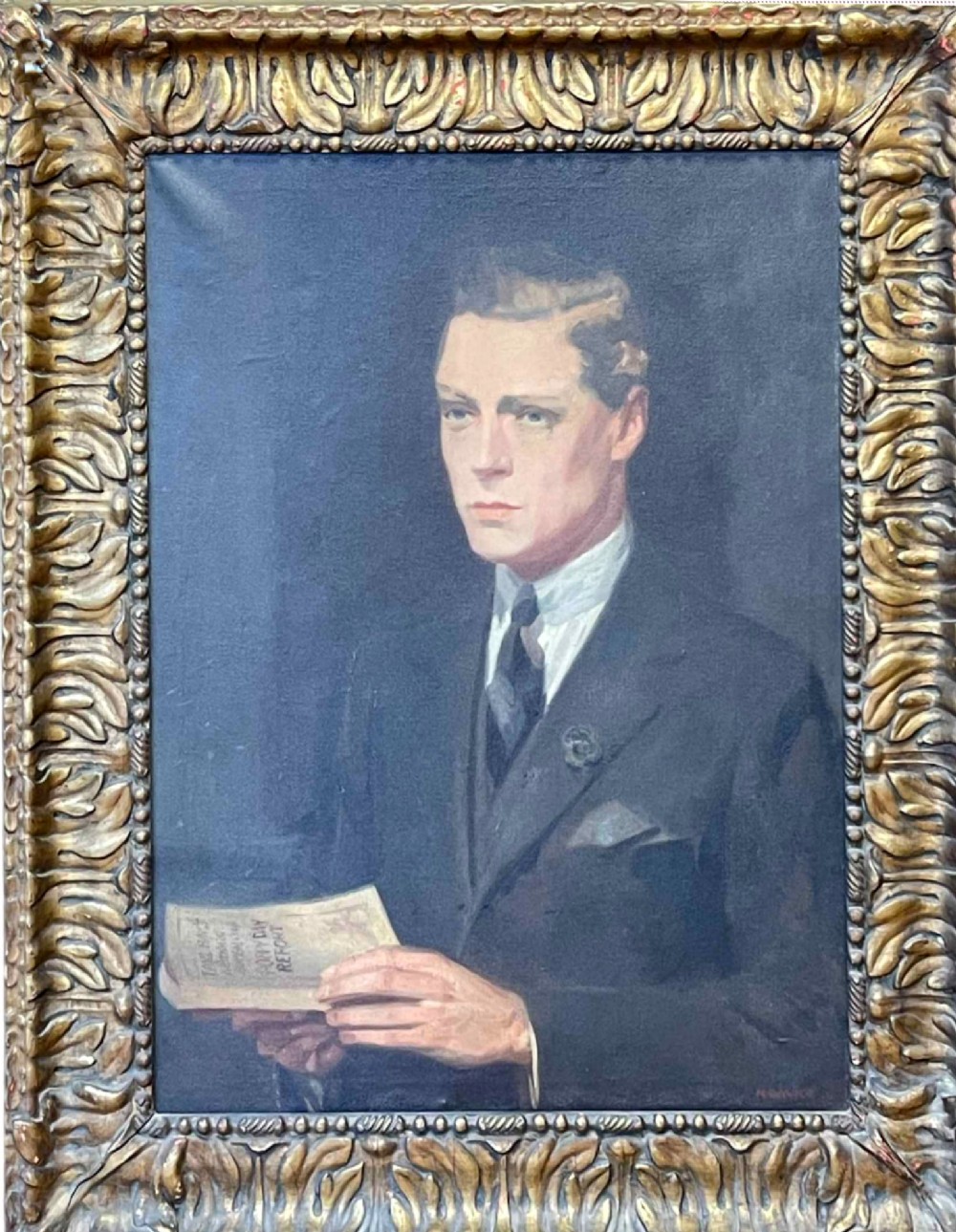
Portrait of Edward Prince of Wales, 1894-1972 Wearing a Poppy in His Lapel and Holding a Copy of a "Poppy Day Report" Book
Artware Fineart
for sale €4,095     $4,445
£3,500

Artware Fineart

Sellingantiques Verified Since Sep 2008
View Dealers Stock Page
Id #SA1106737
PDF SHARE
SAVE

Portrait of Edward Prince of Wales, 1894-1972 Wearing a Poppy in His Lapel and Holding a Copy of a "Poppy Day Report" Book

1900 - 1920
For Sale by Artware Fineart
Description

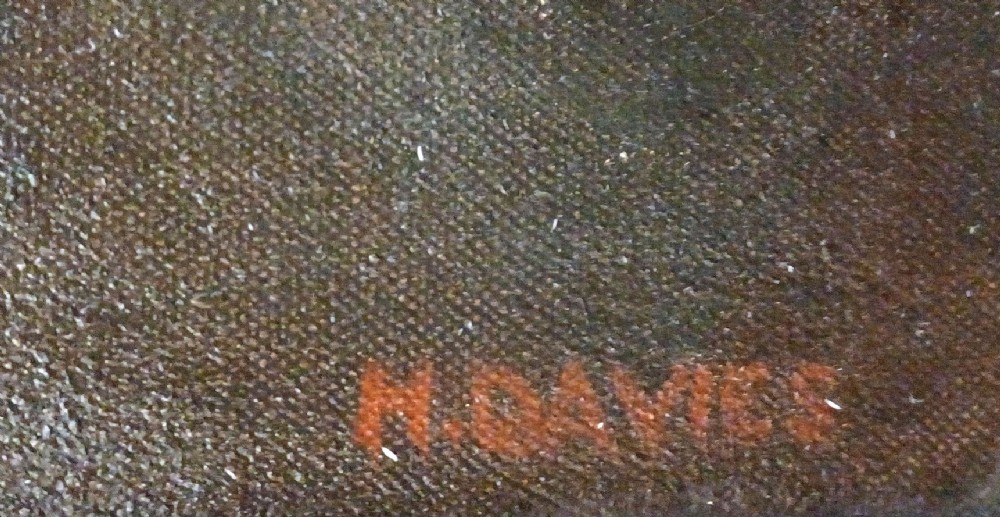
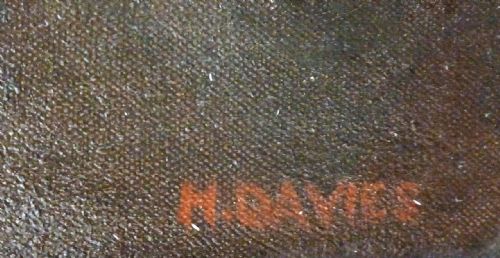
H Davies 20th Century

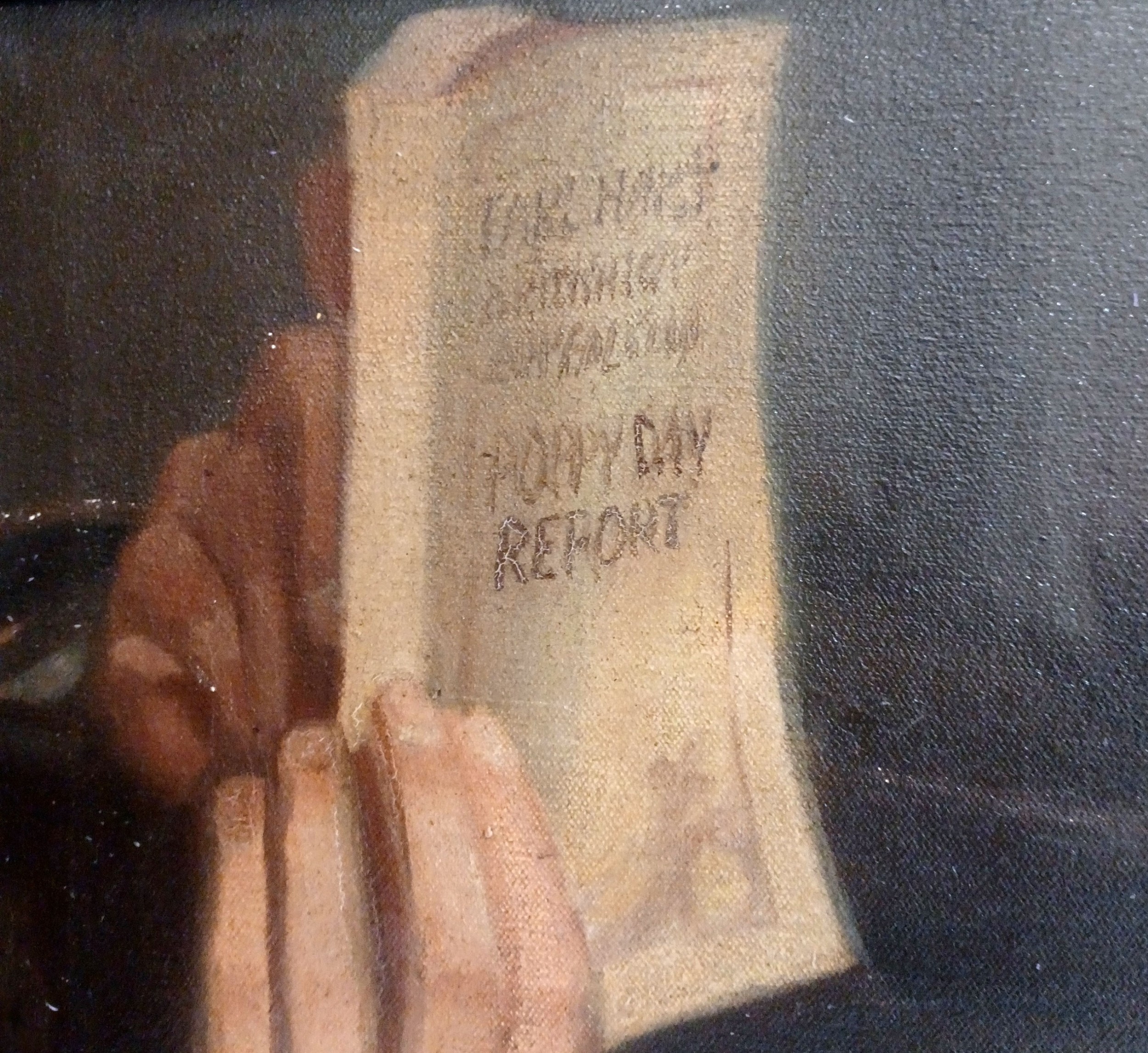
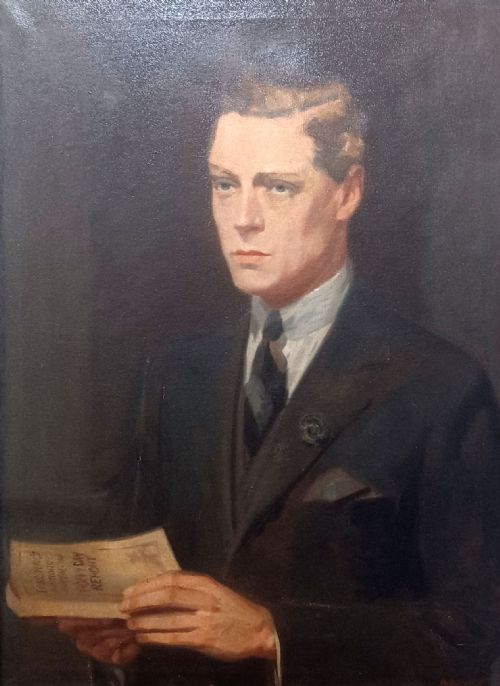
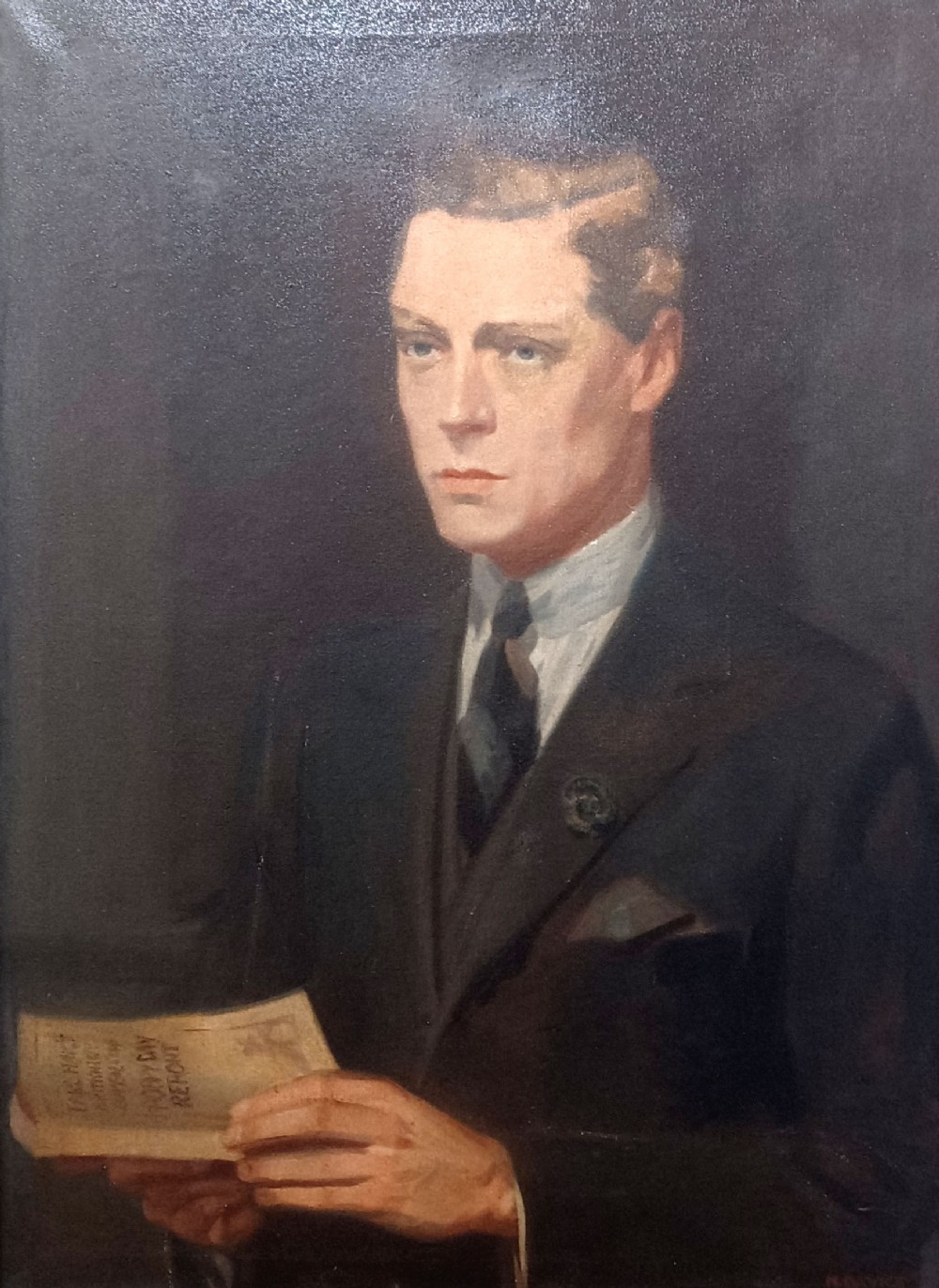
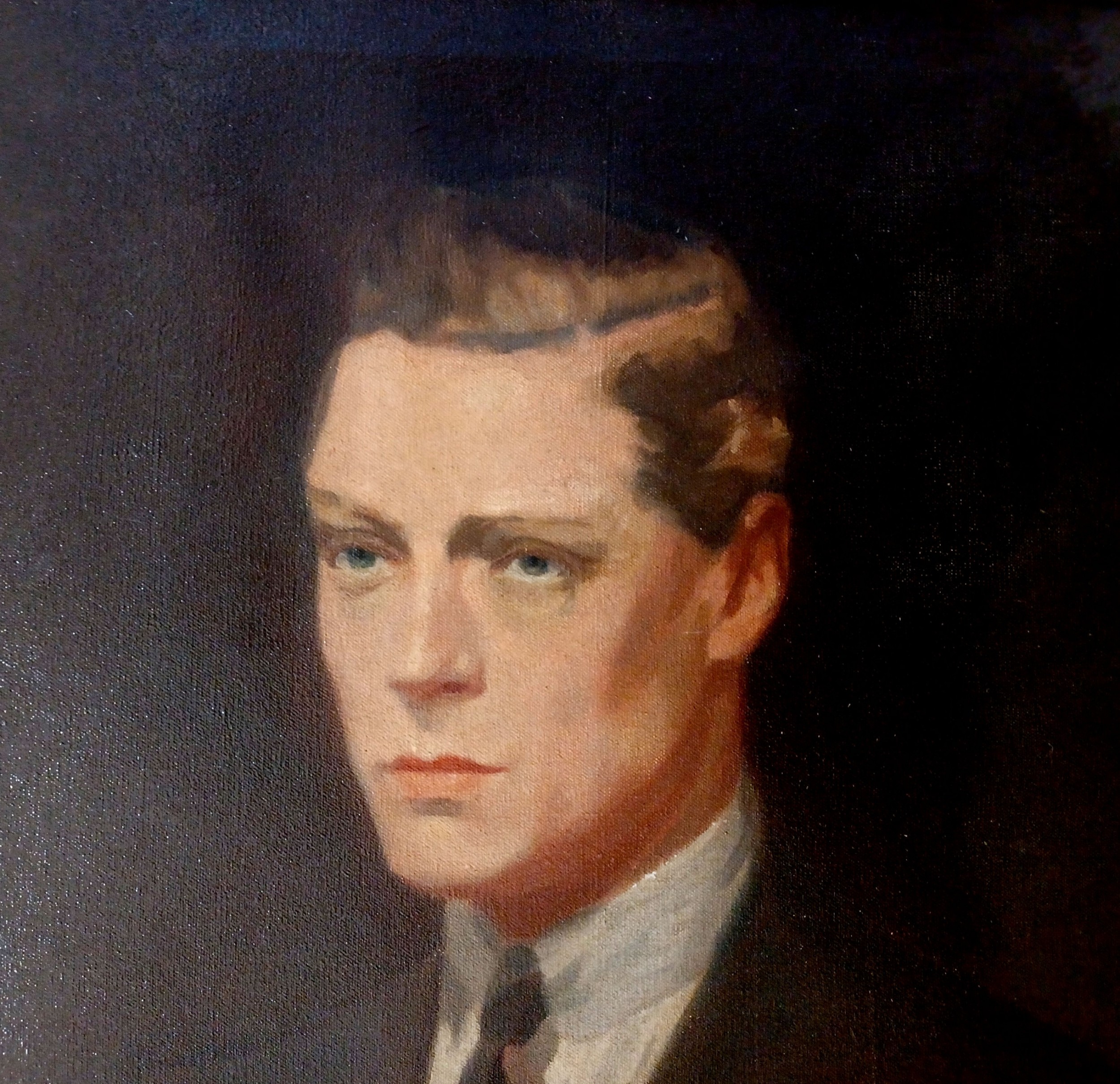
Portrait of Edward Prince of Wales, 1894-1972 wearing a Poppy in his lapel and holding a copy of a "Poppy Day Report" Book

Edward Prince of Wales & Edward VIII 1894-1972

signed lower right "
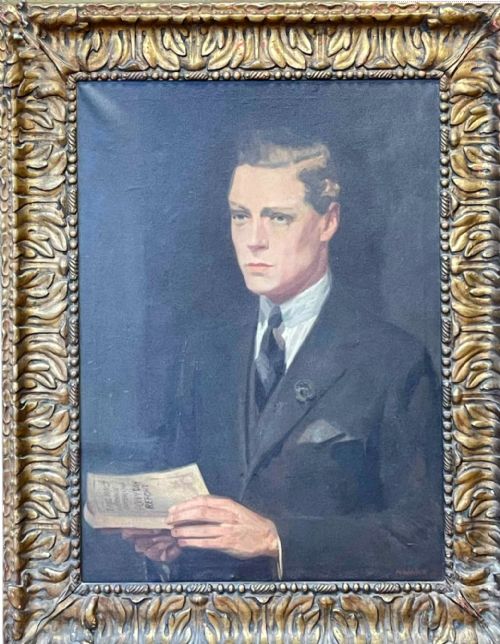
oil on canvas

75 x 56 cm.

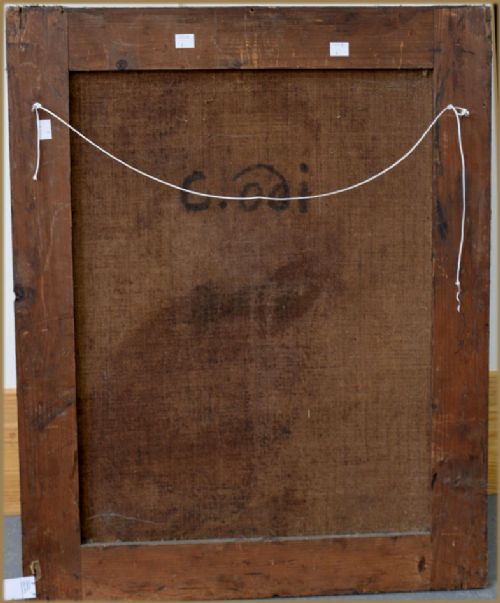
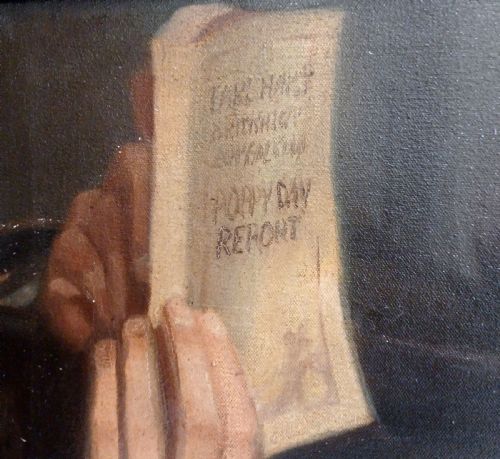
The Prince of Wales is holding a copy of " Earl Haig's Appeal Fund Poppy Day Report", the reverse of the frame is inscribed " Duke of Windsor. HT Lamb. Capt. (Captain) Smith. British Legion" possibly refering to the artist Henry Taylor Lamb MC RA (1883 – 1960)
Notes

The Earl Haig British Legion received its Royal Patronage in 1925. The first Charter was granted to the British Legion, as it was known then, in 1925 by King George V. That first Charter has been changed by various Supplemental Charters to develop alongside the needs of the serving and ex-Service community, and the evolving structure of The Royal British Legion. Members of the Royal family have had a close relationship with the Royal British Legion ever since. There are many accounts of the then Prince of Wales visiting the Royal British Legion in particular their Poppy factories, there are numerous Pathe films and newspaper articles detailing his visits. HRH Edward Prince of Wales visited the Aylesford settlement, taking a great interest in the activities before becoming patron in 1921. Earl Haig is National President, Fred Lister National Chairman and Major Jack Brunel Cohen is the first Honorary Treasurer.
The then Prince of Wales was also invited to become the British Legion’s first Patron, whist Earl Haig was appointed as the British Legion’s first President and Sir Frederick Lister the National Chairman. The British Legion was founded by and for Armed Forces personnel and as a demonstration of its attitude towards its members the constitution was proposed by a soldier and seconded by a General - there would be no distinction between rank, religion or political affiliation. The Prince of Wales visited at British Legion Poppy Factory at Richmond (1929) and there is a film record by Pathe of this visit. A great many portrait medals of Edward, Prince of Wales were struck in the 1920s and 1930s using this image. Bronze bust of Prince of Wales (later Edward VIII) facing left, housed within a bronze moulded frame (32cm x 31cm), the base with moulded engraving (Reproduced by special permission of H.R.H. Prince of Wales on behalf of Earl Haig's British Legion Appeal, by the Cameograph Co Ltd 45 Pall Mall S.W
During WW1, much of the fighting took place in Western Europe. The countryside was blasted, bombed and fought over repeatedly. Previously beautiful landscapes turned to mud; bleak and barren scenes where little or nothing could grow. There was a notable and striking exception to the bleakness - the bright red Flanders poppies. These resilient flowers flourished in the middle of so much chaos and destruction, growing in the thousands upon thousands.
Shortly after losing a friend in Ypres, a Canadian doctor, Lieutenant Colonel John McCrae was moved by the sight of these poppies and that inspiration led him to write the now famous poem 'In Flanders Fields'.
In Flanders' fields the poppies blow

Between the crosses, row on row,

That mark our place: and in the sky

The larks, still bravely singing, fly

Scarce heard amid the guns below.

We are the dead. Short days ago
We lived, felt dawn, saw sunset glow,

Loved and were loved, and now we lie

In Flanders' fields.

Take up our quarrel with the foe;

To you from failing hands we throw

The torch; be yours to hold it high,

If ye break faith with us who die
We shall not sleep, though poppies grow

In Flanders' Fields.

The poem then inspired an American academic named Moina Michael to adopt the poppy in memory of those who had fallen in the war. She campaigned to get it adopted as an official symbol of Remembrance across the

Physical Dimensions
Height
75cm (29.53")
Width
56cm (22.05")
Depth
3cm (1.18")
Declaration

Artware Fineart has dated this Edward Prince Wales Portrait to the 1920s.

Reference Numbers
Sellingantiques Reference
SA1106737
Dealers Internal Reference
5108
Description
H Davies 20th Century
Portrait of Edward Prince of Wales, 1894-1972 wearing a Poppy in his lapel and holding a copy of a "Poppy Day Report" Book.
Artware Fineart

Edward Prince of Wales & Edward VIII 1894-1972

signed lower right "

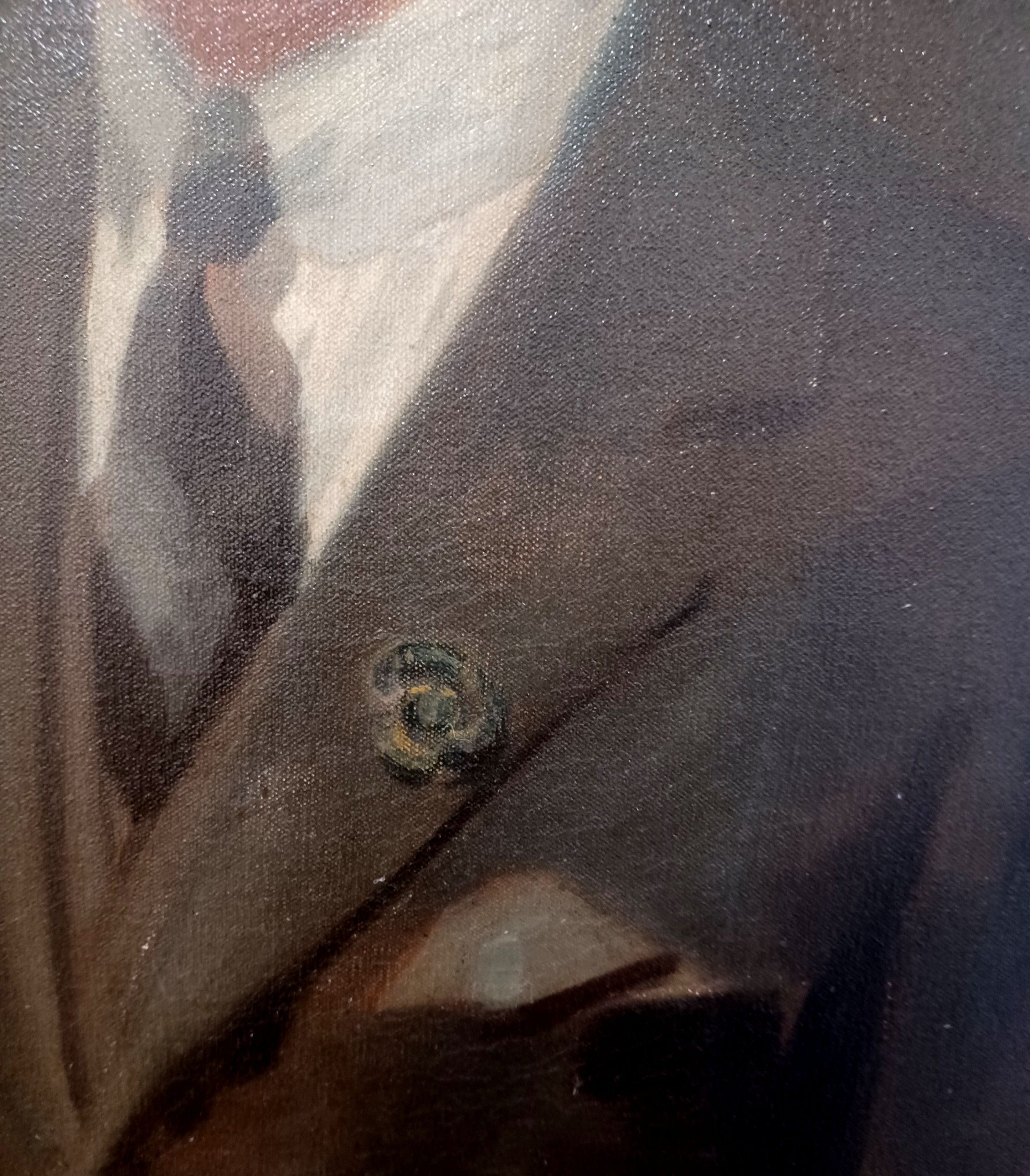
fig 1. An oil painting on canvas depicting Edward, Prince of Wales, wearing a dark suit with a lapel poppy and holding a paper booklet.
fig 1. Portrait of Edward Prince of Wales, 1894-1972 Wearing a Poppy in His Lapel and Holding a Copy of a "Poppy Day Report" Book

oil on canvas

75 x 56 cm.

The Prince of Wales is holding a copy of " Earl Haig's Appeal Fund Poppy Day Report", the reverse of the frame is inscribed " Duke of Windsor. HT Lamb. Capt. (Captain) Smith. British Legion" possibly refering to the artist Henry Taylor Lamb MC RA (1883 – 1960)

fig 2. An oil painting on canvas depicting Edward, Prince of Wales, wearing a dark suit with a lapel poppy and holding a paper booklet.
fig 2. Portrait of Edward Prince of Wales, 1894-1972 Wearing a Poppy in His Lapel and Holding a Copy of a "Poppy Day Report" Book

Notes

The Earl Haig British Legion received its Royal Patronage in 1925. The first Charter was granted to the British Legion, as it was known then, in 1925 by King George V. That first Charter has been changed by various Supplemental Charters to develop alongside the needs of the serving and ex-Service community, and the evolving structure of The Royal British Legion. Members of the Royal family have had a close relationship with the Royal British Legion ever since. There are many accounts of the then Prince of Wales visiting the Royal British Legion in particular their Poppy factories, there are numerous Pathe films and newspaper articles detailing his visits. HRH Edward Prince of Wales visited the Aylesford settlement, taking a great interest in the activities before becoming patron in 1921. Earl Haig is National President, Fred Lister National Chairman and Major Jack Brunel Cohen is the first Honorary Treasurer.

fig 3. An oil painting on canvas depicting Edward, Prince of Wales, wearing a dark suit with a lapel poppy and holding a paper booklet.
fig 3. Portrait of Edward Prince of Wales, 1894-1972 Wearing a Poppy in His Lapel and Holding a Copy of a "Poppy Day Report" Book

The then Prince of Wales was also invited to become the British Legion’s first Patron, whist Earl Haig was appointed as the British Legion’s first President and Sir Frederick Lister the National Chairman. The British Legion was founded by and for Armed Forces personnel and as a demonstration of its attitude towards its members the constitution was proposed by a soldier and seconded by a General - there would be no distinction between rank, religion or political affiliation. The Prince of Wales visited at British Legion Poppy Factory at Richmond (1929) and there is a film record by Pathe of this visit. A great many portrait medals of Edward, Prince of Wales were struck in the 1920s and 1930s using this image. Bronze bust of Prince of Wales (later Edward VIII) facing left, housed within a bronze moulded frame (32cm x 31cm), the base with moulded engraving (Reproduced by special permission of H.R.H. Prince of Wales on behalf of Earl Haig's British Legion Appeal, by the Cameograph Co Ltd 45 Pall Mall S.W

fig 4. An oil painting on canvas depicting Edward, Prince of Wales, wearing a dark suit with a lapel poppy and holding a paper booklet.
fig 4. Portrait of Edward Prince of Wales, 1894-1972 Wearing a Poppy in His Lapel and Holding a Copy of a "Poppy Day Report" Book

During WW1, much of the fighting took place in Western Europe. The countryside was blasted, bombed and fought over repeatedly. Previously beautiful landscapes turned to mud; bleak and barren scenes where little or nothing could grow. There was a notable and striking exception to the bleakness - the bright red Flanders poppies. These resilient flowers flourished in the middle of so much chaos and destruction, growing in the thousands upon thousands.

fig 5. An oil painting on canvas depicting Edward, Prince of Wales, wearing a dark suit with a lapel poppy and holding a paper booklet.
fig 5. Portrait of Edward Prince of Wales, 1894-1972 Wearing a Poppy in His Lapel and Holding a Copy of a "Poppy Day Report" Book

Shortly after losing a friend in Ypres, a Canadian doctor, Lieutenant Colonel John McCrae was moved by the sight of these poppies and that inspiration led him to write the now famous poem 'In Flanders Fields'.

fig 6. An oil painting on canvas depicting Edward, Prince of Wales, wearing a dark suit with a lapel poppy and holding a paper booklet.
fig 6. Portrait of Edward Prince of Wales, 1894-1972 Wearing a Poppy in His Lapel and Holding a Copy of a "Poppy Day Report" Book

In Flanders' fields the poppies blow

Between the crosses, row on row,

That mark our place: and in the sky

The larks, still bravely singing, fly

Scarce heard amid the guns below.

We are the dead. Short days ago

fig 7. An oil painting on canvas depicting Edward, Prince of Wales, wearing a dark suit with a lapel poppy and holding a paper booklet.
fig 7. Portrait of Edward Prince of Wales, 1894-1972 Wearing a Poppy in His Lapel and Holding a Copy of a "Poppy Day Report" Book

We lived, felt dawn, saw sunset glow,

Loved and were loved, and now we lie

In Flanders' fields.

Take up our quarrel with the foe;

To you from failing hands we throw

The torch; be yours to hold it high,

If ye break faith with us who die

fig 8. An oil painting on canvas depicting Edward, Prince of Wales, wearing a dark suit with a lapel poppy and holding a paper booklet.
fig 8. Portrait of Edward Prince of Wales, 1894-1972 Wearing a Poppy in His Lapel and Holding a Copy of a "Poppy Day Report" Book

We shall not sleep, though poppies grow

In Flanders' Fields.

The poem then inspired an American academic named Moina Michael to adopt the poppy in memory of those who had fallen in the war. She campaigned to get it adopted as an official symbol of Remembrance across the

Height
75cm (29.53")
Width
56cm (22.05")
Depth
3cm (1.18")
Date of Manufacture

Artware Fineart has dated this Edward Prince Wales Portrait to the 1920s.

Reference Numbers
Sellingantiques Ref
SA1106737
Dealers Internal Ref
5108
Artware Fineart
Sellingantiques verified Since Sep 2008
Dealer Profile

You can view the stock and full dealer information on the Artware Fineart Profile Page
PDF SHARE
SAVE
An oil painting on canvas depicting Edward, Prince of Wales, wearing a dark suit with a lapel poppy and holding a paper booklet.
1 / 12
Archive I An oil painting on canvas depicting Edward, Prince of Wales, wearing a dark suit with a lapel poppy and holding a paper booklet.

Portrait of Edward Prince of Wales, 1894-1972 Wearing a Poppy in His Lapel and Holding a Copy of a "Poppy Day Report" Book
Archive II An oil painting on canvas depicting Edward, Prince of Wales, wearing a dark suit with a lapel poppy and holding a paper booklet. View II
Archive III An oil painting on canvas depicting Edward, Prince of Wales, wearing a dark suit with a lapel poppy and holding a paper booklet. View III
Archive IV An oil painting on canvas depicting Edward, Prince of Wales, wearing a dark suit with a lapel poppy and holding a paper booklet. View IV
Archive V An oil painting on canvas depicting Edward, Prince of Wales, wearing a dark suit with a lapel poppy and holding a paper booklet. View V
Archive VI An oil painting on canvas depicting Edward, Prince of Wales, wearing a dark suit with a lapel poppy and holding a paper booklet. View VI
Archive VII An oil painting on canvas depicting Edward, Prince of Wales, wearing a dark suit with a lapel poppy and holding a paper booklet. View VII
Archive VIII An oil painting on canvas depicting Edward, Prince of Wales, wearing a dark suit with a lapel poppy and holding a paper booklet. View VIII
Archive IX An oil painting on canvas depicting Edward, Prince of Wales, wearing a dark suit with a lapel poppy and holding a paper booklet. View IX
Archive X An oil painting on canvas depicting Edward, Prince of Wales, wearing a dark suit with a lapel poppy and holding a paper booklet. View X
Archive XI An oil painting on canvas depicting Edward, Prince of Wales, wearing a dark suit with a lapel poppy and holding a paper booklet. View XI
Archive XII An oil painting on canvas depicting Edward, Prince of Wales, wearing a dark suit with a lapel poppy and holding a paper booklet. View XII
Enlarged Archival View
Telephone 07958 699 645
Location
18 La Gare
51 Surrey Row
London
SE1 0BZ
United Kingdom
Verified Since Sep 2008
Items For Sale 243
Items Sold 223
Artware Fineart
Verified Since Sep 2008
View Dealer Info
Location: 18 La Gare , 51 Surrey Row , London , SE1 0BZ , United Kingdom
Verified
Sep 2008
For Sale
243
Sold
223
An oil painting on canvas depicting Edward, Prince of Wales, wearing a dark suit with a lapel poppy and holding a paper booklet.
Portrait of Edward Prince of Wales, 1894-1972 wearing a Poppy in his lapel and holding a copy of a "Poppy Day Report" Book
Ref: SA1106737
An oil painting on canvas depicting Edward, Prince of Wales, wearing a dark suit with a lapel poppy and holding a paper booklet.
Detail View 1
Detail View 2
Detail View 3
Detail View 4
Detail View 5
Detail View 6
Detail View 7
Detail View 8
Detail View 9
Detail View 10
Detail View 11
Archival Detail
Every single antique dealer on our platform is individually approved by our internal team. We verify their professional trade history, ethical standards, and photographic quality to ensure a secure, high-standard buying environment. Upon joining, every dealer agrees to a strict 9-point code of conduct. While issues can occasionally arise, our dealers typically resolve them swiftly and directly with the buyer. In fact, since our founding in 2002, Sellingantiques has only had to step in to help resolve an issue on roughly five occasions—a true testament to the quality of our dealers and their dedication to your happiness.
Our dealers are highly experienced in packing and shipping fragile, high-value antiques. Because you are in direct contact with the dealer, you will be able to easily go through all available shipping and insurance options together to ensure your item arrives safely.
Antiques are the ultimate green purchase. By choosing historical pieces over newly manufactured goods, you completely eliminate the carbon footprint of modern mass production while preserving exceptional, timeless craftsmanship.

Royal portraiture during this period typically features realistic figurative representation, subdued tonal colour palettes, and carefully selected symbolic attributes or garments reflecting public duty.

Artists generally utilised oil-based pigments applied to stretched linen or cotton canvas, stabilized with timber stretcher bars and sealed with natural protective varnishes.

Authenticity is assessed through surface craquelure, natural age oxidisation on the reverse canvas, period-correct brushwork technik, and verified signature or exhibition markings.

A classic portrait functions well as a focal point in a study, library, or hallway, paired against deep paint shades or wood paneling to accent its historical aesthetic.

Keep the canvas away from direct heat sources and excessive moisture, dust lightly with a soft brush, and avoid applying water or chemical household cleaner to the painted surface.
items
Add keywords to the filter
Price
£100
£250000
Era
Movements
Material
Origin
Stock Location
Freshness
Online Payments
Categories