
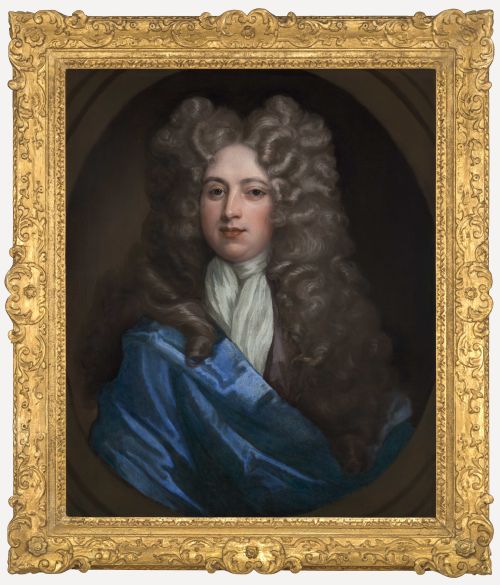
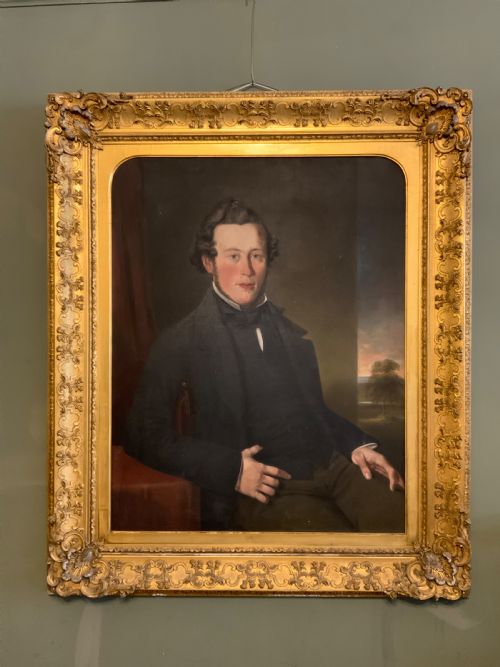
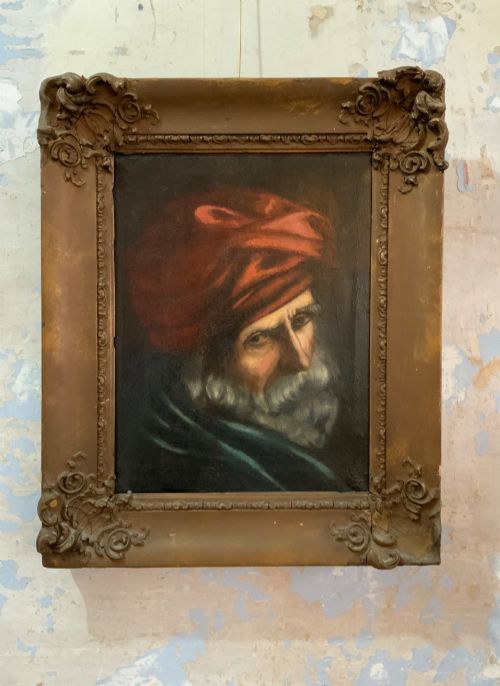
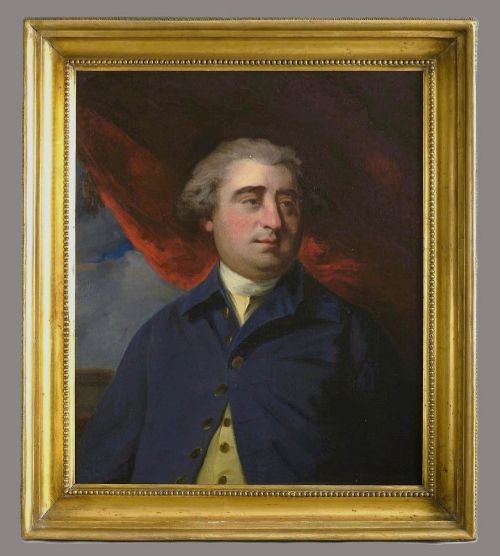
Antique Male Oil Portrait
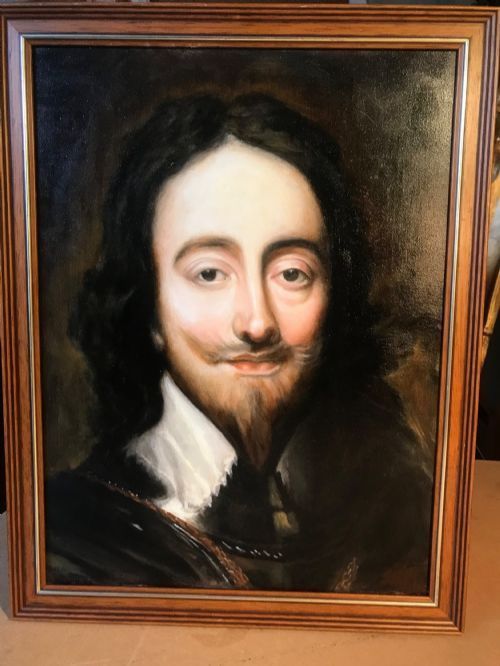
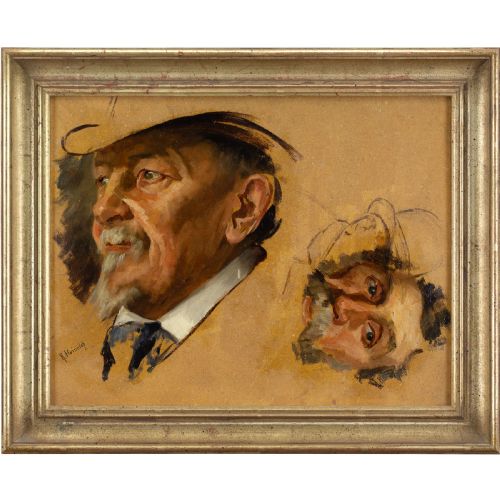
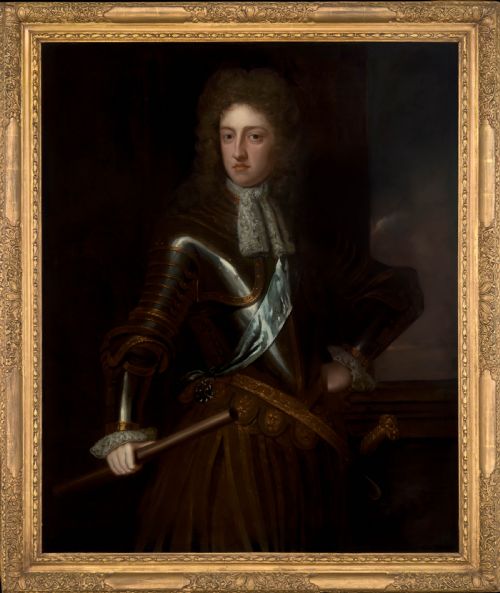
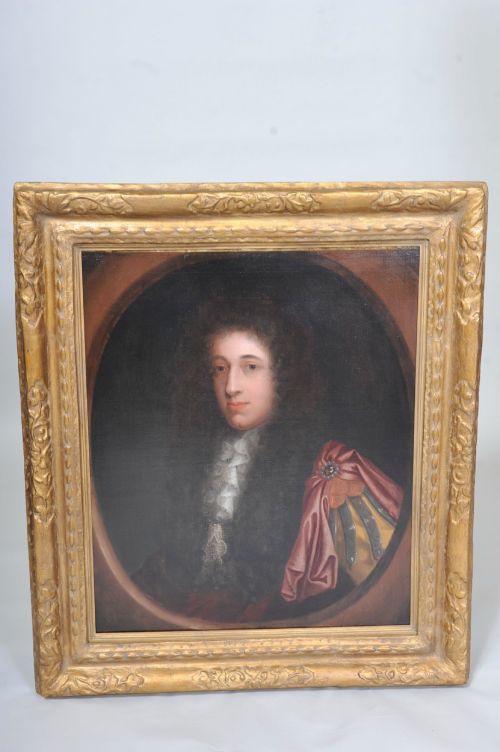
An antique male oil portrait captures the presence of earlier figures through layered pigment and linen.
Antique Male Oil Portrait
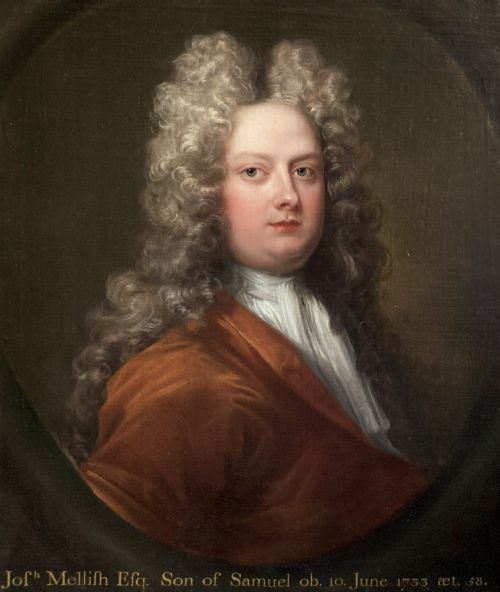
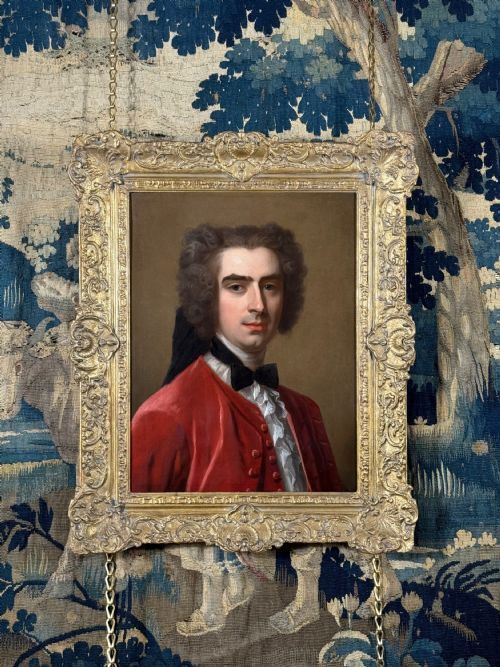
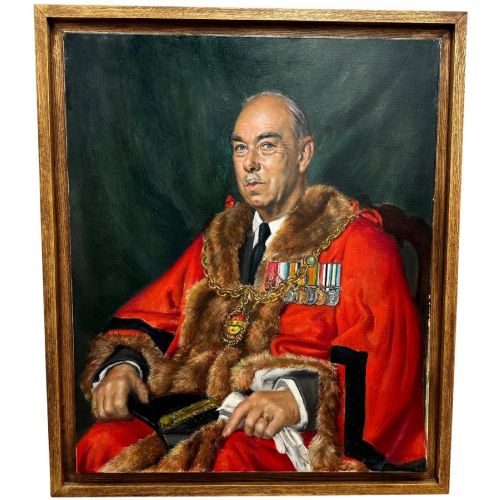
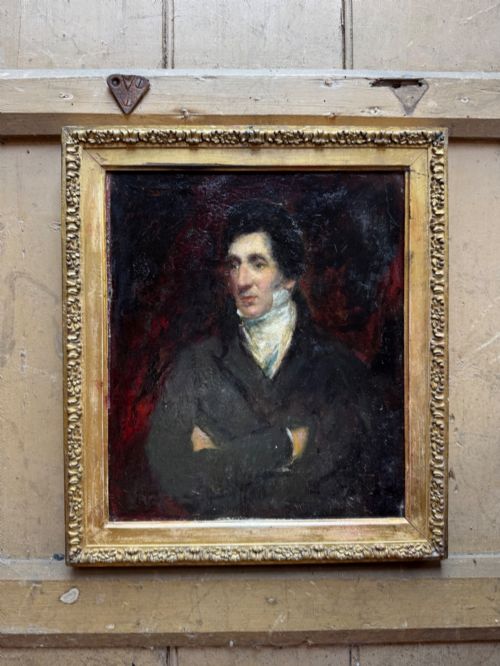
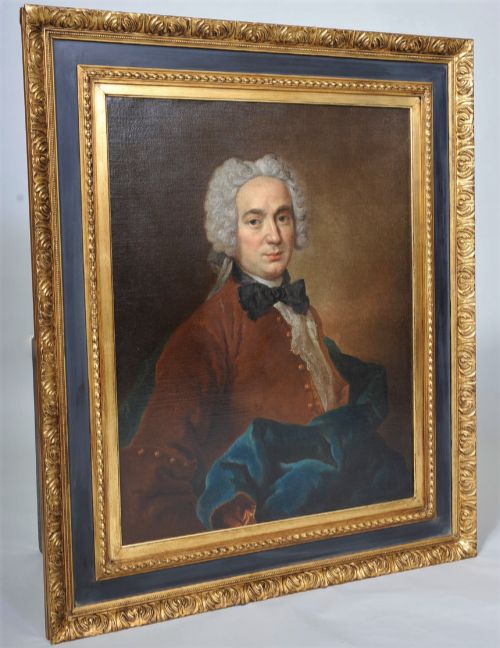
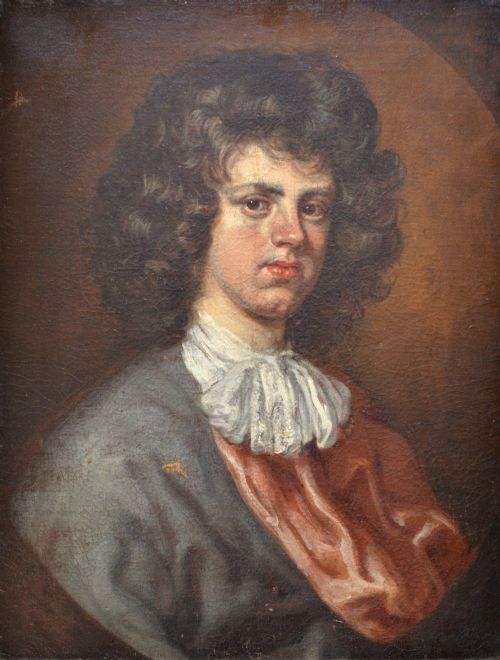
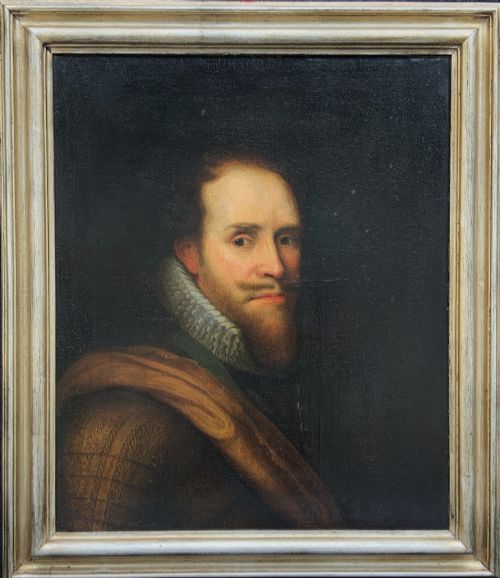
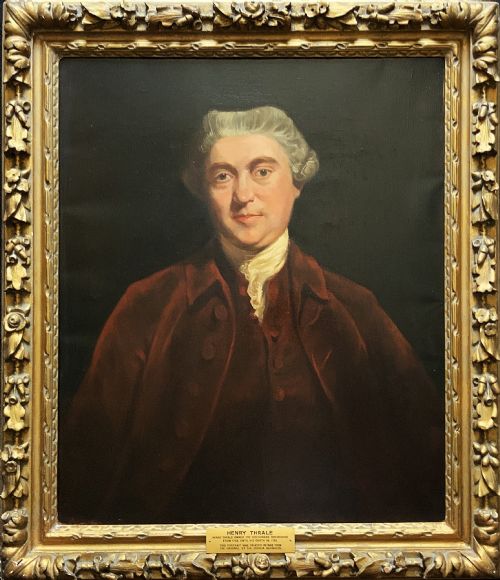
An antique male oil portrait depicts men from various centuries, ranging from seventeenth-century gentlemen in ruffs to nineteenth-century figures. These works appear primarily as oil paintings on canvas, frequently housed in period frames.
The selection includes British and European subjects, spanning British, Dutch, German, and Scottish schools. Many pieces record named individuals, while others represent anonymous sitters or studies by studio assistants.
Works originate from distinct historical periods such as the Georgian, Regency, and Victorian eras. The physical format centres on wall art and portrait paintings executed in oil paint.
How they were made
Artists applied oil paint onto stretched canvas or wooden panels, building up layers of pigment to render fabric, flesh, and background detail. Canvas provided a textured support that held the weight of thick oil applications and glazes.
Frames made from wood and finished with gold leaf or giltwood often accompanied these paintings. The combination of oil on canvas within a carved wooden frame defined the standard construction of these works.
Antique Male Oil Portrait Retail Price Guide 2026
Typical asking prices for male oil portrait among the pieces listed under this phrase on Sellingantiques today, from the lower quarter to the upper quarter. They describe what is for sale here now, not the wider market.
Listings feature works spanning the seventeenth, eighteenth, and nineteenth centuries, executed in oil on canvas and wood.
What varies in quality
The skill of the brushwork and the precision of facial anatomy distinguish individual portraits. Master painters captured light across a periwig or fabric with depth, whereas studio copies show stiffer application.
The survival of the original canvas and the integrity of the paint surface affect the physical state of the work. Early framing in period giltwood also contributes to the historical completeness of the piece.
Charles Jervas·Jean-Baptiste Van Loo·Sir Godfrey Kneller·Thomas Murray·Sir Joshua Reynolds·Edouard Pingret·John Closterman·Sir Peter Lely
The Antique Male Oil Portrait Glossary
- Oil on Canvas
- A painting medium where pigments suspended in oil are applied to a woven fabric support. This combination allowed artists to blend tones smoothly and work across extended periods.
- Giltwood
- Wood carved and coated with a thin layer of gold leaf. This material formed the decorative frames surrounding many historical portraits.
- Periwig
- A voluminous artificial hairpiece worn by men of high status during the seventeenth and eighteenth centuries. Its inclusion often helps date portraiture precisely.
- Doublet
- A snug-fitting men's jacket worn during the Renaissance and seventeenth century. This garment appears frequently in early British and European school portraits.
- Studio of
- A designation indicating a work produced by assistants or pupils under the supervision of a master artist. Such pieces reflect the stylistic output of a recognised workshop.
Antique Male Oil Portrait: Frequently Asked Questions
How do I date an antique oil portrait?
Dating relies heavily on the sitter's costume, such as ruffs, periwigs, or scarlet jackets, which followed strict period fashions. Canvas preparation and stretcher construction also offer physical clues to the decade of creation.
Signatures, inscriptions on the reverse, and stylistic traits associated with specific schools further narrow down the time of execution.
What is the difference between an original and a studio work?
An original painting was executed entirely by the named master artist's own hand. A studio work or piece after an artist was produced by pupils or assistants in the primary workshop.
Studio pieces often replicate a successful composition of a prominent figure for wider distribution or display.
Where should I hang an oil portrait?
Portrait paintings require placement away from direct sunlight and excessive moisture to protect the oil paint and canvas. Stable indoor temperatures prevent the canvas and wooden stretcher from warping.
Pairing the work with period furniture or traditional wall finishes complements the historical nature of the piece.
Why are some sitters unidentified?
Many historical sitters lost their recorded identities over centuries as families dispersed and documentation vanished. Anonymous portraits were often valued for their aesthetic quality and representation of period fashion rather than genealogical record.
Researching costume and heraldry sometimes recovers a sitter's identity long after the paint has dried.