






Italian Renaissance Style Copy
An italian renaissance style copy brings the grand devotional and secular compositions of the sixteenth century into domestic interiors through later hand-painted reproductions.
Italian Renaissance Style Copy
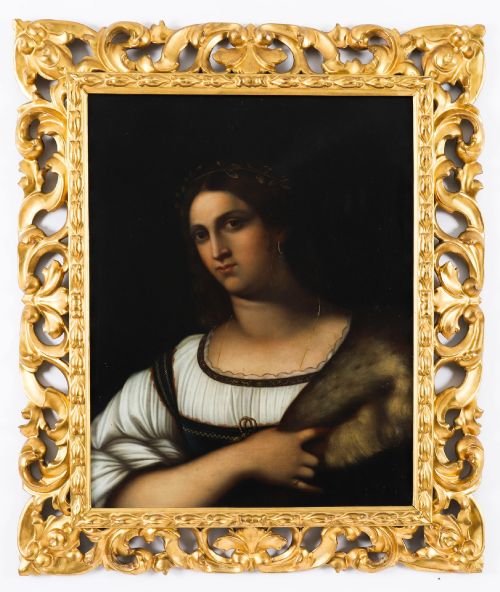
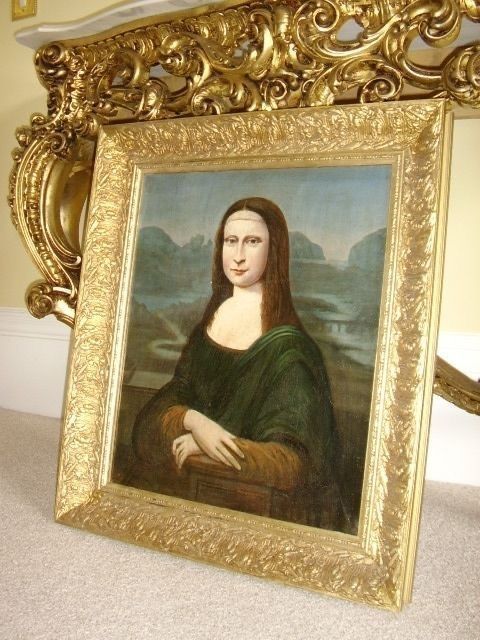
When you search for an italian renaissance style copy, you encounter oil paintings on canvas and watercolour works that reproduce famous religious or portrait compositions from masters such as Leonardo da Vinci, Raphael, and Paolo Veronese. These works span centuries of production, including eighteenth-century canvases, nineteenth-century academic exercises, and mid-twentieth-century interpretations.
The most common forms on this page are devotional images of the Madonna and child, holy families, and portraits of Venetian women or Italian figures. They reflect the enduring nineteenth-century and earlier academic desire to study and replicate the monumental visual language of the high renaissance and mannerist periods.
Mannerist revival and renaissance revival styles dominate these selections, showing how later artists sought to capture the depth, drapery, and solemn expressions of the originals. Works range from intimate watercolour studies to large-scale oil paintings designed for prominent display.
How they were made
The physical foundation of these pieces relies on traditional canvas stretched over wooden frames, prepared for oil paint application, alongside occasional paper supports used for watercolour studies. Artists built up compositions using layered oil paints to replicate the rich tonal gradations and sfumato effects seen in original Renaissance works.
Italian Renaissance Style Copy Retail Price Guide 2026
Typical asking prices for italian renaissance style copy among the pieces listed under this phrase on Sellingantiques today, from the lower quarter to the upper quarter. They describe what is for sale here now, not the wider market.
Listings feature works spanning from the eighteenth century through to nineteen sixty, executed primarily in oil on canvas alongside watercolours.
What varies in quality
The distinction between ordinary and superior examples lies in the fidelity of the brushwork and the confidence with which the copyist captures human anatomy, facial expression, and textile folds. Higher quality works demonstrate a sophisticated understanding of light and shadow that mirrors the original master rather than relying on stiff mechanical tracing.
Material preparation also separates tiers of production, particularly in the density and ageing of the oil paint, the stability of the canvas, and the craftsmanship of the gilded wooden frames. Finer pieces exhibit harmonious patination that suggests a respectful dialogue with the historical source material.
The Italian Renaissance Style Copy Glossary
- Giltwood
- Wood carved and coated with gold leaf or gold paint. This technique provides the luminous framing characteristic of high-status historical paintings.
- Gesso
- A plaster mixture applied to wood or canvas as a base for paint or gilding. It creates a smooth, durable surface for decorative details.
- Mannerism
- An art style originating in Italy following the high renaissance, known for elongated proportions and intense drama. Copies in this style often feature complex poses and emotional tension.
- Sfumato
- A painting technique of blurring sharp outlines to create soft, imperceptible transitions between colours and tones. Master painters utilised this method to achieve lifelike depth in portraits.
Italian Renaissance Style Copy: Frequently Asked Questions
Are these paintings original Renaissance works?
No, these pieces are later copies or interpretations created centuries after the original sixteenth-century masters painted their famous compositions.
They reflect the historical practice of artists studying masterworks in European galleries by reproducing them on canvas or paper.
How can I tell the age of a copy?
Age is indicated by the materials of the stretcher frame, the canvas weave, and the natural ageing or craquelure of the oil paint.
Stylistic cues and framing techniques also point toward specific periods like the eighteenth century or Victorian academic revivals.
Where should I hang an oil painting?
These works suit traditional reception rooms, studies, or hallways where their rich gilt frames and classical subjects complement period architectural details.
Avoid placing them in direct sunlight or areas of high humidity to protect the canvas and traditional gesso frames.
What subjects are most common?
Religious subjects such as the Madonna and child, holy families, and portraits of Venetian figures dominate the selection.
These mirror the most celebrated altarpieces and portraits housed in major European museums during the eras when these copies were made.