





Antique Wall Art Picture
These antique wall art picture pieces bring centuries of British painting and portraiture straight into a room.
The Nature of Antique Wall Art Picture Pieces
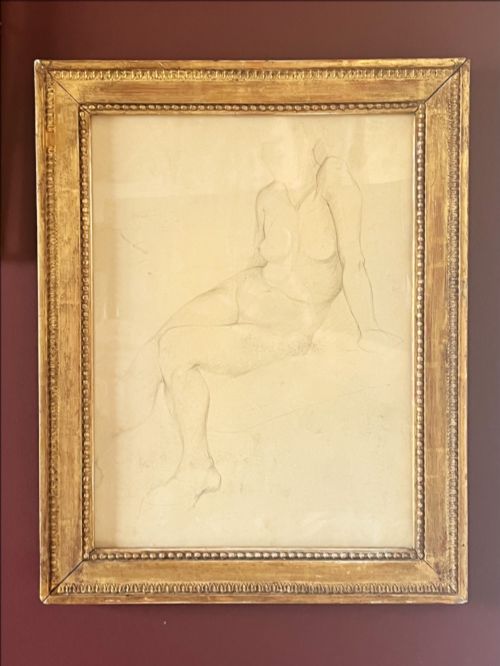
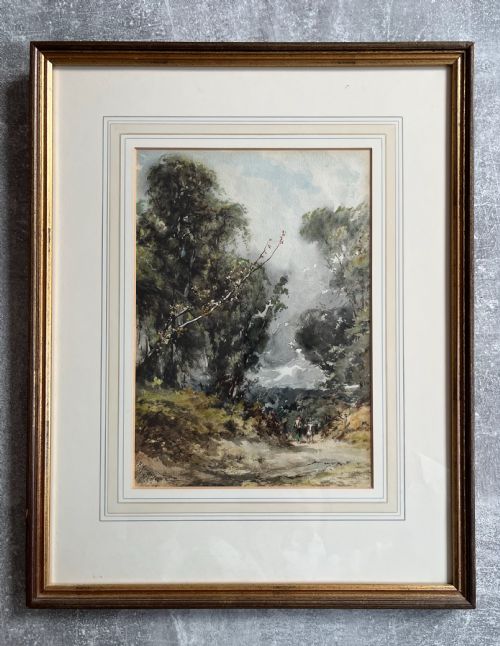
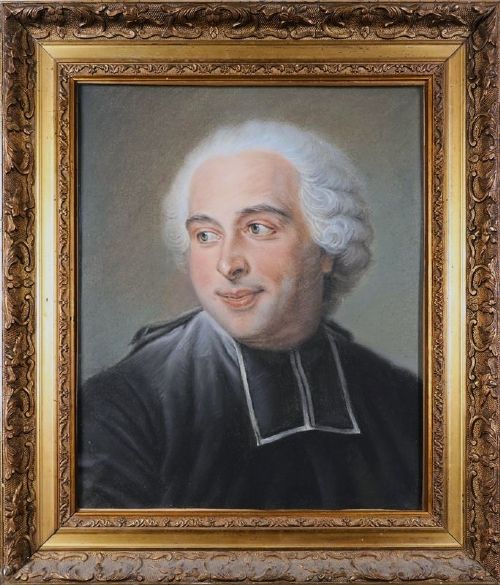
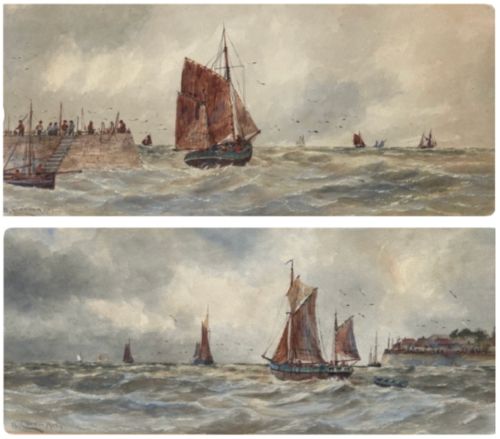
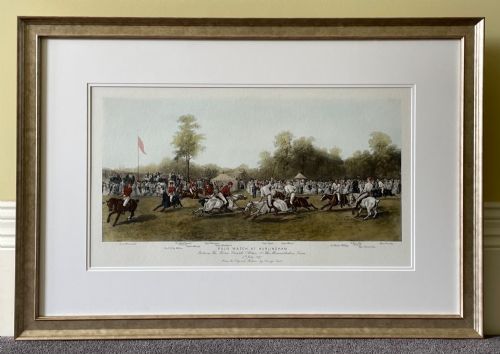
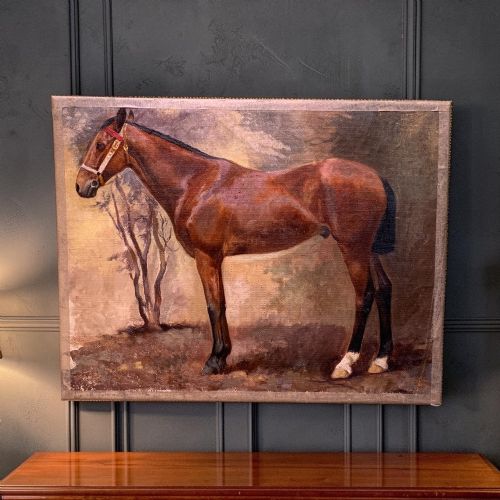
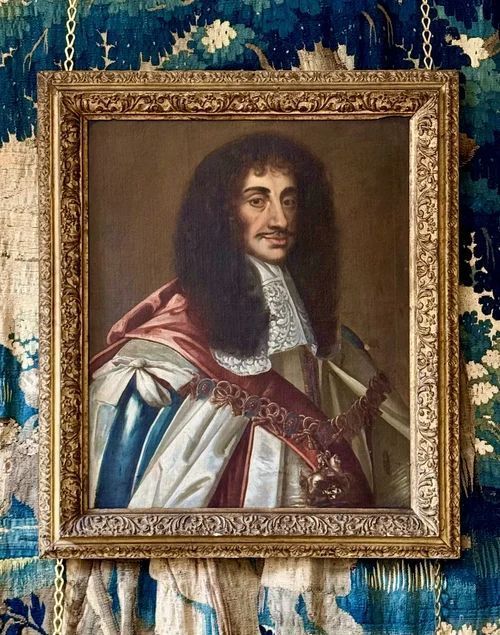
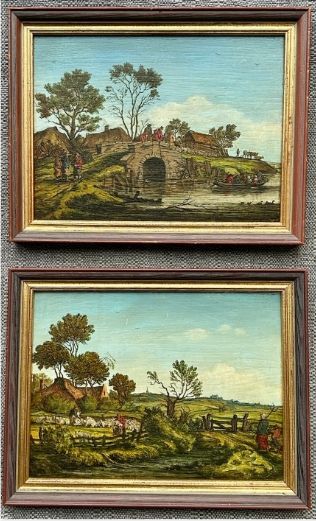
An antique wall art picture encompasses oil paintings, framed prints, and reverse glass painted portraits spanning from the eighteenth century to the early twentieth century. Buyers seeking this category encounter diverse visual forms including landscapes, romantic scenes, and formal portraits of gentlemen and ladies.
The selections on this page feature works created during distinct artistic periods such as Early Georgian, Georgian, Regency, Edwardian, and British Impressionism. Pieces range from rural Scottish bothy scenes and open landscapes with figures to intimate oval portraits of young girls.
Makers and subjects identified in the listings include named artists such as Maud Raphael Jones, Nasmyth, Michael Dahl, and works associated with the circle of John Constable. These items provide a direct connection to historical portraiture and landscape traditions.
Materials and Construction
The physical construction of these works involves traditional supports including canvas, paper, and glass housed within wooden frames. Gesso, gilt, and giltwood embellish the framing elements to complement the visual presentation of the artworks.
Surfaces demonstrate traditional media applications such as oil paint on canvas alongside reverse glass painting techniques used for specific portrait prints. Each material combination reflects the prevailing decorative and artistic standards of its respective period.
Retail Price Guide 2026
Typical UK retail prices for wall art picture, calculated from the Sellingantiques database of over a million retail prices indexed since 2003. This retail price guide relies exclusively on Sellingantiques data; no external sources or auction records are used, so the figures do not describe the wider market.
A gentleman of the Adams family watches over the room alongside a young girl in an oval frame.
Distinctions in Quality
Quality in these works rests upon the execution of the brushwork, the depth and character of the portraiture, and the integrity of the original framing materials. Superior examples display confident handling of light in landscapes or striking psychological presence in portraiture.
The preservation of original media such as giltwood frames, glass elements, and signed canvases elevates the standing of a piece within its historical group. Lesser examples may exhibit more generic composition or compromised surface materials.
Maud Raphael Jones·Nasmyth·John Constable·Michael Dahl
The Antique Wall Art Picture Glossary
- Giltwood
- Wood carved and coated with gold leaf or a gold-coloured finish to adorn picture frames. This material appears frequently on period frames.
- Gesso
- A plaster-like mixture applied to wooden frames as a base for gilding or painting. It provides a smooth surface for ornamental detailing.
- Reverse glass painting
- An artistic technique where the image is painted directly onto the back of a glass panel to be viewed from the front. This method creates a distinct glossy finish.
- British Impressionism
- A late nineteenth and early twentieth-century artistic movement focusing on light, brushwork, and everyday scenes. Works in this style capture transient atmospheric conditions.
Frequently Asked Questions
What is reverse glass painting?
Reverse glass painting involves applying pigments directly to the rear side of a glass sheet so the final image appears through the front. This technique protects the painted surface from dust and environmental degradation.
Works created this way possess a unique reflective luminosity distinct from standard canvas or paper pieces. Cleaning requires careful handling to avoid moisture seepage behind the glass.
How do I identify a Georgian portrait?
Georgian portraits typically feature distinct clothing, hairstyles, and formal poses characteristic of the eighteenth century. Subjects are often rendered in oil on canvas or through specialised print techniques of the era.
Examining the stretcher bars, canvas weave, and framing style helps confirm the period of origin. Documentation or signatures on the reverse can provide further attribution details.
Where should I place oil paintings at home?
Position oil paintings away from direct sunlight and sudden temperature fluctuations to protect the canvas and paint layers. Stable indoor environments prevent the wood and canvas from warping over time.
Allow adequate wall space around each piece to let the composition breathe within the room. Proper placement enhances both the visual impact and the longevity of the artwork.