



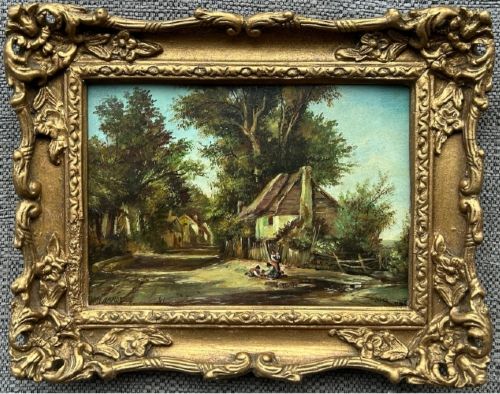
Signed Landscape Artwork
Signed landscape artwork captures scenery marked by the individual hand of its creator, offering buyers a direct connection to historical views.
Signed Landscape Artwork
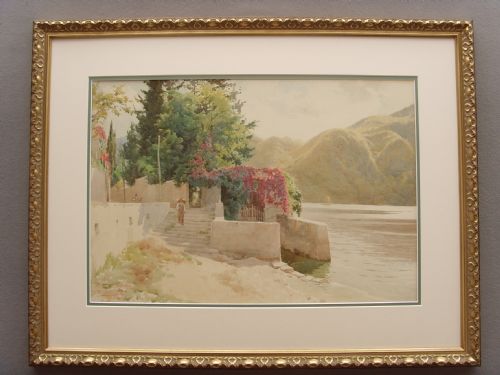
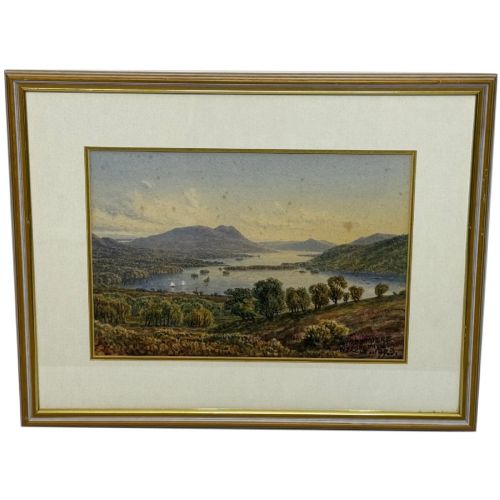
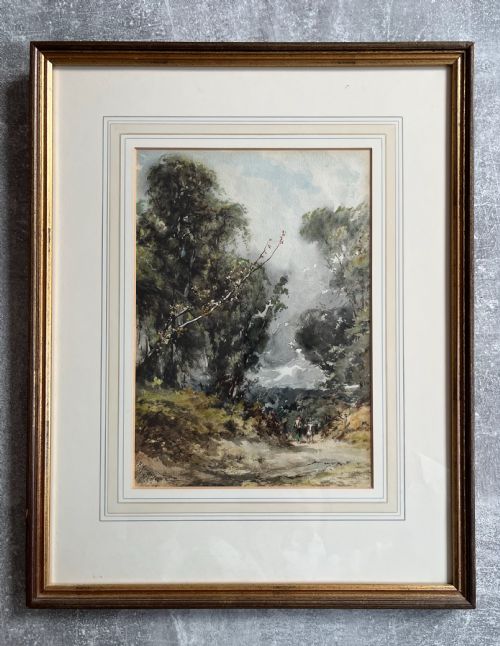
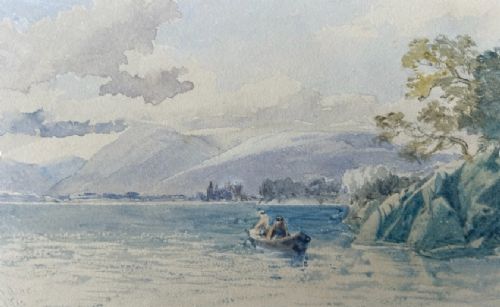
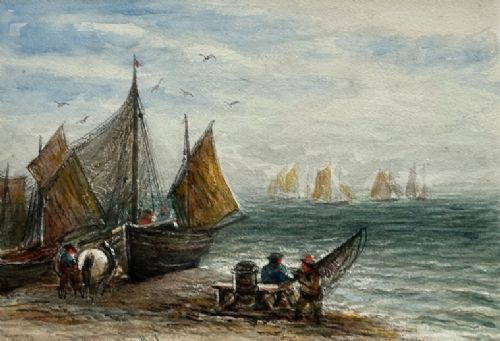
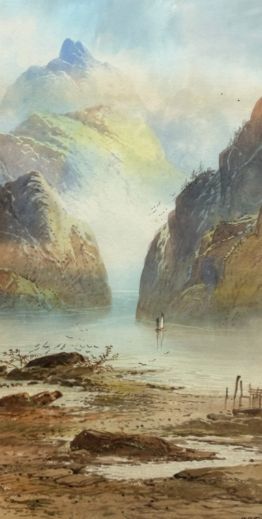
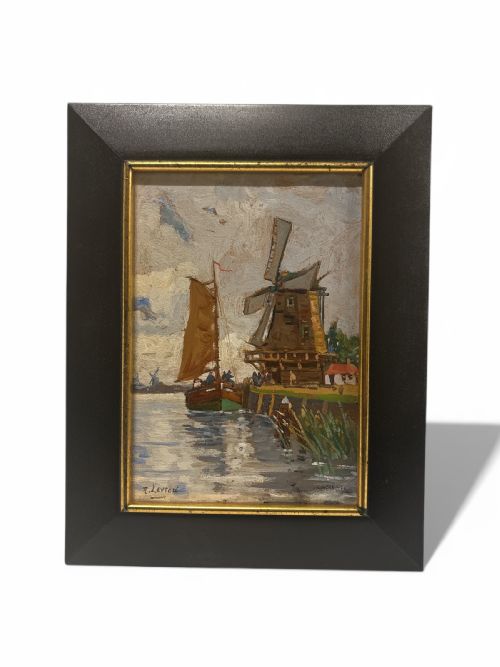
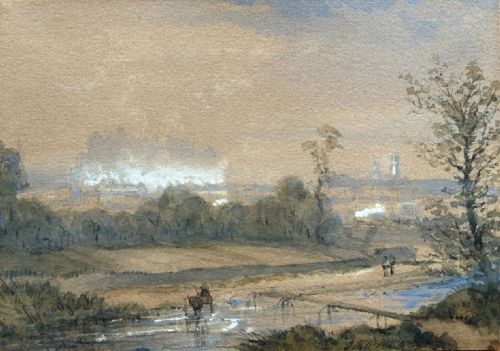
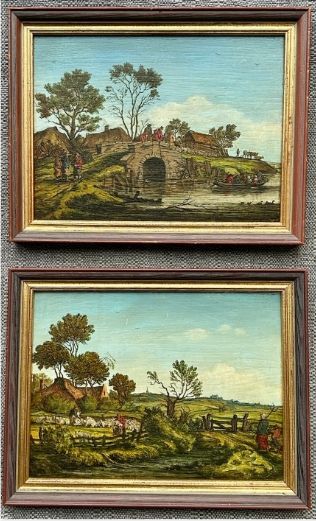
Signed landscape artwork encompasses original paintings and drawings created across the nineteenth and twentieth centuries, capturing rural vistas, coastal scenes, and lochs. These pieces range from Victorian watercolours to early twentieth-century oil paintings and mid-century impressions.
Buyers browsing this selection will most frequently encounter works on paper and canvas originating from British and European traditions. These pieces often bear visible artist signatures, monograms, or period dates that anchor them to specific historic moments.
Materials and methods of creation
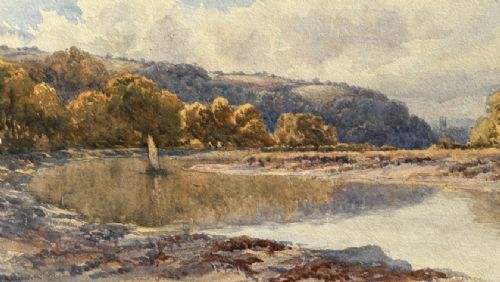
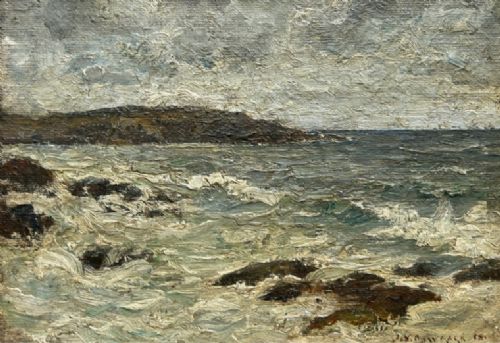
Artists utilised oil paint on canvas, wood panel, or board, applying pigment with brushes or impasto techniques to build texture in coastal and woodland scenes. Others worked in watercolour on paper, capturing light and atmosphere across Scottish and Cumbrian landscapes.
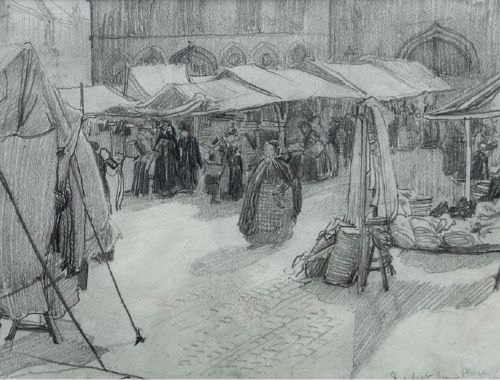
Pencil and silk also appear as foundational mediums, often paired with traditional framing that preserves the original presentation of the artwork.
Materials documented include oil paint, watercolour, silk, wood, and canvas.
Distinctions in execution and condition
The preservation of the medium, the integrity of the original support, and the clarity of the signature further distinguish exceptional works from more routine period examples.
Kenneth Cozens·George Fotherly Hargitt·Thomas Miles Richardson Jnr·James Orrock·William Henry Earp·Henry Percy Huggill·R Leyton·John R Prentice·William H Myers·Tom Campbell·W Klombeck·William Howard Hardy·Frederick Marriott·Arthur Wardle·A Mitchell·A Marie Parsons·Alfred Fontville de Breanski Jr·Sidney A Court·B Nash·Robert Leslie Howey·George Houston·William Banks Fortescue·Robert Morson Hughes·Thomas W Lascelles·William Joseph Boyes
The Signed Landscape Artwork Glossary
- Watercolour
- A painting method where fine pigments are suspended in a water-based solution and applied to paper. This medium allows for luminous washes and delicate atmospheric effects.
- Impasto
- Paint applied thickly to a canvas or panel, leaving prominent brush or palette knife marks that stand out from the surface. It adds tactile depth to elements like rocky shores or turbulent seas.
- Monogram
- A motif made by overlapping or combining two or more letters to form a recognizable symbol. Artists frequently used these initials to sign works discreetly.
- En plein air
- The act of painting outdoors to capture the direct effects of light and weather upon a landscape. This approach defines many nineteenth and twentieth-century oil paintings.
Signed Landscape Artwork: Frequently Asked Questions
What periods do these landscapes cover?
The pieces span from the nineteenth century through the Edwardian era and into the mid-twentieth century. They reflect shifting stylistic movements such as Victorian realism and early twentieth-century impressionism.
Dates and attributions are drawn directly from the visible evidence on the works, including handwritten signatures and period framing.
How do I identify a signed piece?
Signatures appear inscribed directly into the pigment, written in pencil on paper margins, or marked as artist monograms. They provide a direct link to the painter.
Examining the placement and style of the signature helps connect the artwork to recorded historical practitioners.
What surfaces were used for these paintings?
Artists utilised traditional supports including canvas, stretched paper, wood panels, and board. Each surface influenced how the paint or watercolour settled.
Watercolours typically rest on paper, while oils are found across canvas, wood, and board supports.
How should I display a vintage watercolour?
Works on paper require careful framing behind protective glass to shield them from ultraviolet light and ambient moisture. Proper mounting prevents the paper from touching the glass directly.
Positioning pieces away from direct sunlight preserves the delicate watercolour pigments over time.