



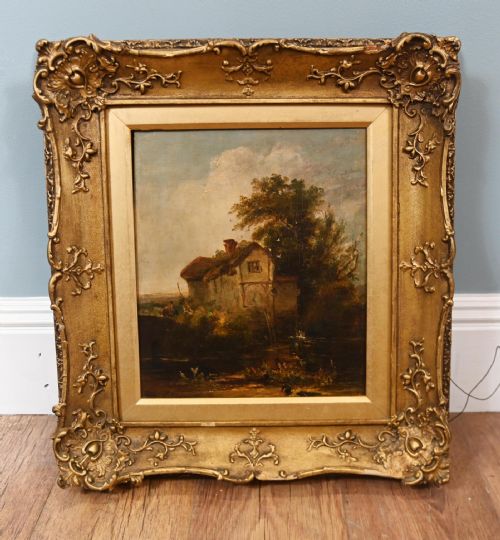

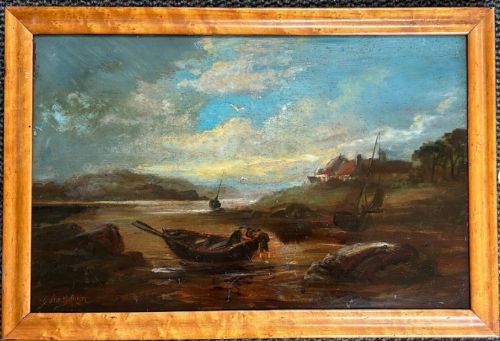

Scottish School Oil Painting
These scottish school oil painting works capture landscapes and portraits through distinct regional brushwork that brings authentic heritage straight to your wall.
Scottish School Oil Paintings
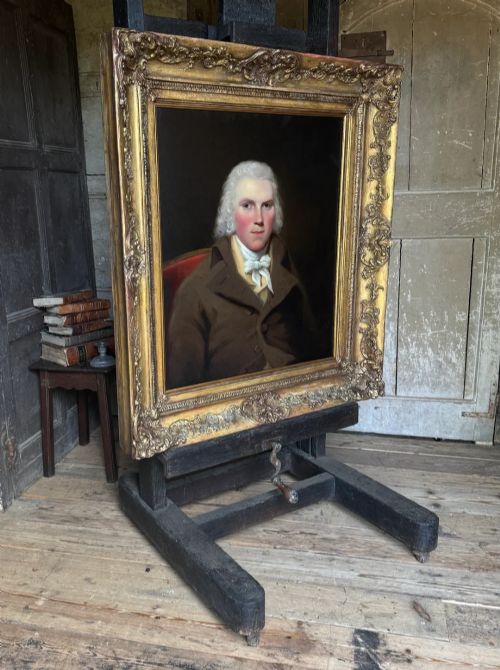
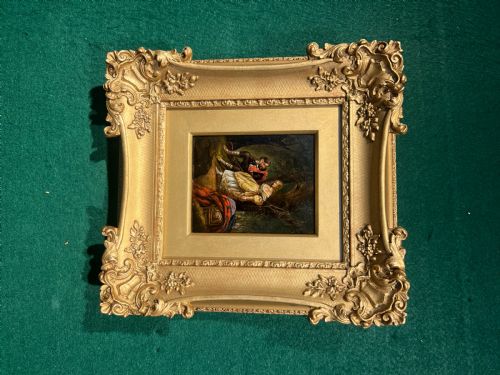
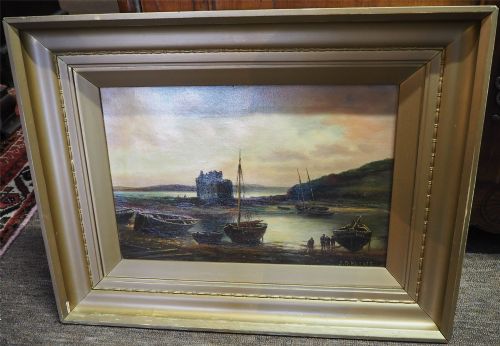
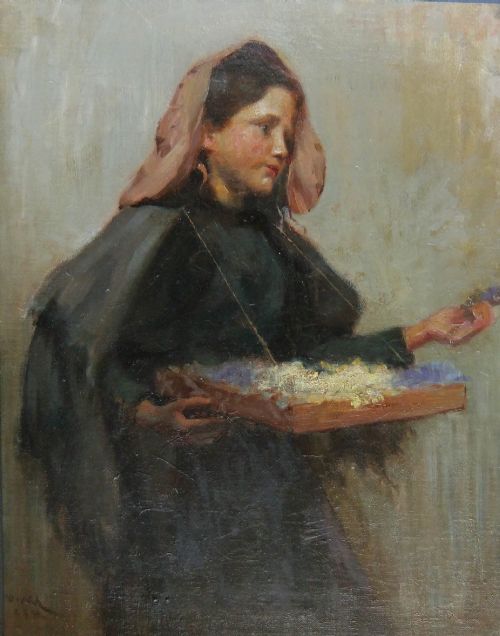
A scottish school oil painting brings historic landscapes, rural bothies, and formal portraits into domestic spaces with remarkable depth. Buyers searching for a scottish school oil painting often encounter works depicting Highland vistas, cattle, and intimate interior scenes from past centuries.
The pieces on this page span several distinct periods including the Georgian era, the nineteenth century, and Edwardian times. You will frequently find subjects ranging from serene lochs to figures working in the countryside.
Makers and artists represented in these traditions include named painters alongside anonymous hands working within the regional aesthetic. The surviving canvases and panels preserve a visual record of Scottish life and topography over generations.
Materials and Technique
Artists painted primarily in oil on stretched canvas, though several works utilise wood panels or canvas laid down on board. These traditional supports were prepared with grounds that received layers of oil paint applied with varying brushwork.
Many surviving examples retain their period frames constructed from wood and finished with gesso, gold leaf, or giltwood. The combination of pigment, binder, and original framing creates a cohesive historical object.
Retail Price Guide 2026
Typical UK retail prices for scottish school oil painting, calculated from the Sellingantiques database of over a million retail prices indexed since 2003. This retail price guide relies exclusively on Sellingantiques data; no external sources or auction records are used, so the figures do not describe the wider market.
The listings on this site feature oil on canvas, gesso, gold leaf, and wood materials across Georgian, Victorian, and Edwardian periods.
Judging Quality
Quality in these works rests upon the confidence of the brushwork and the atmospheric depth achieved by the painter. Stronger compositions command attention through careful handling of light across Highland landscapes and architectural elements.
The preservation of the original paint surface and the integrity of the support dictate the standing of a piece. Works retaining their original giltwood frames or distinct signatures offer greater historical completeness.
William Watt Milne·Nasmyth·George Smith RSA·Robert Finlay McIntyre·Henry John Dobson·R Craig
The Scottish School Oil Painting Glossary
- Gesso
- A plaster-like mixture applied to wood or canvas to prepare a smooth surface for painting or gilding. It forms the crisp base beneath the gold leaf on period frames.
- Giltwood
- Wood that has been coated with thin gold leaf or gold paint for decoration. This material defines the ornate frames often housing nineteenth-century canvases.
- Bothy
- A small stone cottage or hut traditionally used to shelter farm labourers or travellers in the Highlands. These rustic structures appear frequently as focal points in regional landscapes.
- Panel
- A flat piece of wood used as a rigid support for painting instead of stretched canvas. Artists often employed wood panels for smaller cabinet-sized works.
Frequently Asked Questions
How do I date a scottish school oil painting?
Dating relies on examining the stretcher frames, canvas type, and the style of the clothing or landscape elements depicted. Costumes and hair styles in portraits offer particularly reliable clues for narrow timeframes.
Secondary indicators include the preparation of the reverse side and any handwritten inscriptions or signatures left by the artist.
Where should I hang an oil painting?
Keep oil paintings away from direct sunlight and damp environments to protect the canvas and pigments. Stable room temperatures prevent the wood panels and stretcher frames from warping.
Position the work at eye level on a sturdy wall where it can be appreciated without risk of accidental contact.
What is the difference between canvas and panel?
Canvas consists of woven fabric stretched over a wooden frame, offering slight give and a textured surface for the paint. Panels provide a completely rigid wooden support that resists punctures.
Both materials were used concurrently, though panels often indicate smaller cabinet paintings or earlier regional works.